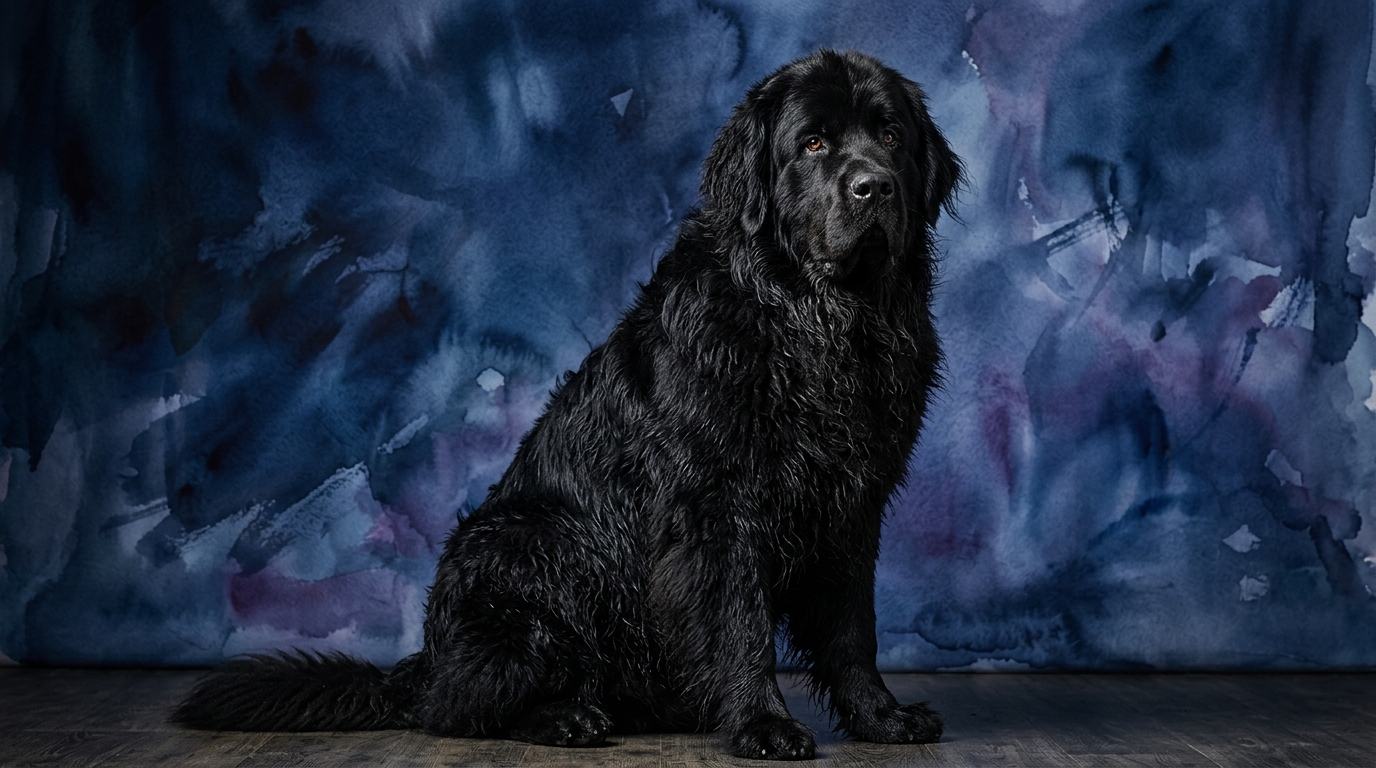
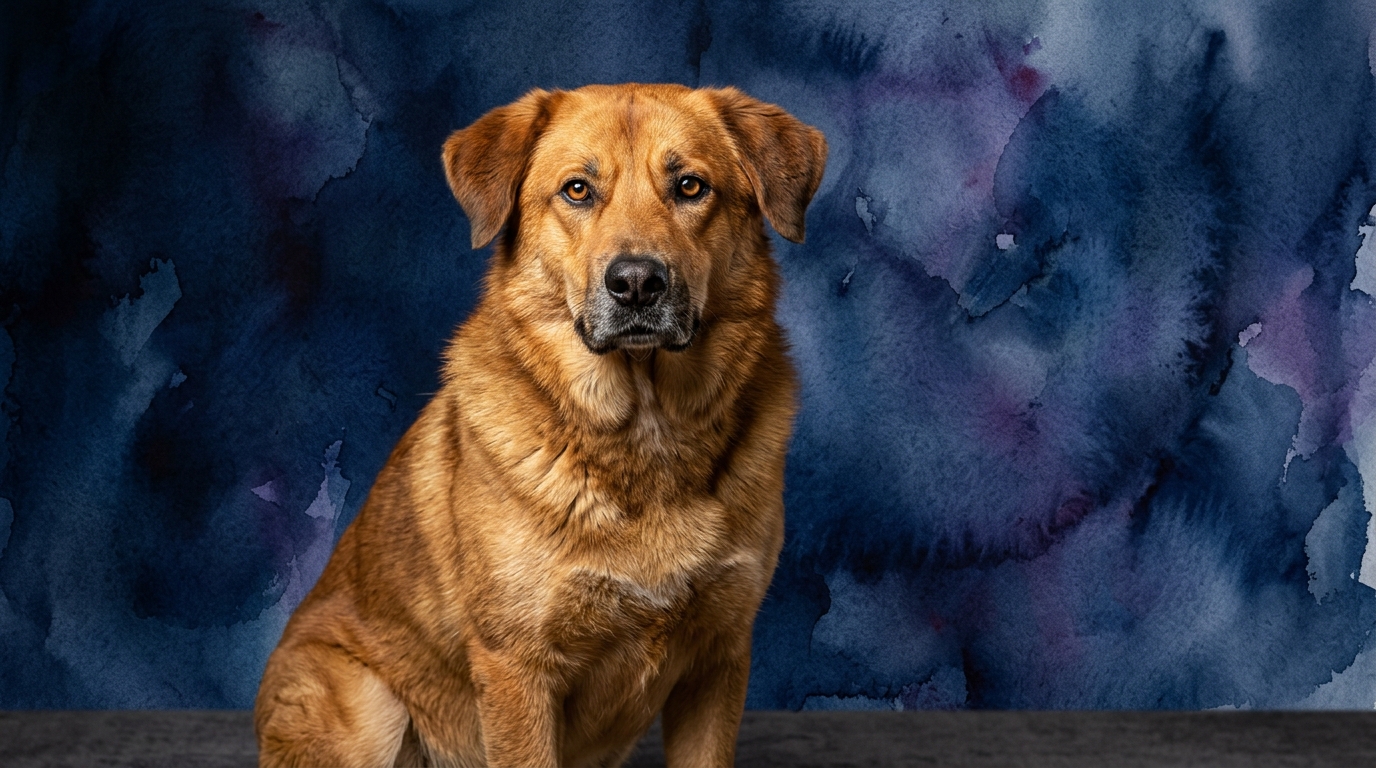
Side-by-Side IQ Profile: Unpacking Cognitive Dimensions
To truly understand the mental landscape of the Newfoundland and the Chinook, we must delve into five key cognitive dimensions. These scores, derived from expert observations, offer a nuanced perspective beyond simple notions of smartness. For the Newfoundland, problem-solving registers at 3/5, indicating a practical, often situation-driven approach to challenges, rather than abstract reasoning. Their training speed, however, shines at 4/5, reflecting a strong willingness and capacity to learn new commands and routines efficiently. Social intelligence is where Newfoundlands truly excel, scoring a perfect 5/5; they are remarkably empathetic, attuned to human emotions, and adept at interacting harmoniously within a family or group. Their instinctive drive is also high at 5/5, manifesting as a powerful urge for water rescue and protection, deeply embedded in their genetic makeup. Finally, their memory stands at 4/5, enabling them to retain commands, experiences, and social cues effectively over time.
In contrast, the Chinook presents a different cognitive blueprint. Their problem-solving ability also scores 3/5, suggesting a practical intelligence focused on task execution, albeit perhaps with less spontaneous innovation than some breeds. Training speed for the Chinook is rated 3/5, meaning they are capable learners but may require more consistency and patience to master new skills compared to their Newfoundland counterparts. Their social intelligence is 3/5; while deeply devoted to their primary family, Chinooks can be more reserved or discerning with strangers, taking time to build trust. Instinctive drive for the Chinook is also 3/5, primarily centered around their heritage of endurance and sled work, rather than the overt rescue instincts of the Newfoundland. Their memory also scores 3/5, indicating a solid capacity to recall learned behaviors and routines, though perhaps benefiting from more frequent reinforcement.
Where Newfoundland Wins Cognitively
The Newfoundland's cognitive strengths distinctly lie in their exceptional social intelligence and powerful instinctive drives. Scoring a perfect 5/5 in social intelligence means they possess an innate understanding of human cues, emotions, and social dynamics that few breeds can match. This translates into an intuitive ability to comfort, protect, and integrate seamlessly into family life, often anticipating needs or reacting appropriately to distress without explicit commands. Their 5/5 instinctive drive, particularly for water rescue, is not merely a physical attribute but a cognitive one; it involves quick assessment of danger, decisive action, and a profound empathy that drives their heroic endeavors. This combination allows them to excel in roles requiring nuanced interaction and immediate, life-saving responses, making them superb therapy dogs and natural guardians.
Furthermore, the Newfoundland's 4/5 training speed, coupled with their high social intelligence, means they are remarkably adept at picking up complex routines and adapting to new situations quickly. They are eager to please and highly responsive to positive reinforcement, making them willing partners in learning. This swift learning curve, fueled by their desire for human connection, gives them an edge in mastering a wide array of tasks and responding to subtle human direction, making them highly trainable for various companion and service roles where understanding human intent is paramount.
Where Chinook Wins Cognitively
While the Chinook's IQ scores may appear lower across the board compared to the Newfoundland, their specific working heritage grants them a distinct cognitive advantage in areas demanding sustained focus, independence, and resilience. Their 3/5 problem-solving and instinctive drive, while not as overtly dramatic as the Newfoundland's rescue instincts, are perfectly suited for tasks requiring prolonged effort and steady decision-making in challenging environments. This breed was developed for pulling sleds over long distances, a task demanding consistent effort, navigation skills, and the ability to work cooperatively within a team under varying conditions, often with minimal direct human guidance. Their intelligence manifests as a steadfast determination and a practical approach to overcoming obstacles encountered during extended work.
The Chinook's moderate social intelligence (3/5) also contributes to their unique cognitive profile, allowing them to form strong, focused bonds with their primary handlers while maintaining a degree of independence necessary for sustained work. They are not as easily distracted by external social stimuli as a Newfoundland might be, enabling them to concentrate on the task at hand for extended periods. This combination of focused drive and practical problem-solving makes them exceptional partners for activities requiring endurance, reliability, and a measured approach, such as long-distance hiking, skijoring, or other demanding outdoor sports where a dog needs to be both engaged and self-reliant.
Which is Easier to Train and Why
When considering ease of training, the Newfoundland generally holds a clear advantage due to its higher scores in training speed (4/5) and social intelligence (5/5). Newfoundlands are inherently eager to please and possess a profound desire for human approval, making them highly motivated to learn and comply. Their exceptional social intelligence means they are incredibly attuned to human body language, tone of voice, and emotional states, allowing them to grasp commands and expectations quickly. This translates into a dog that often requires fewer repetitions and responds more readily to cues, making the training process feel more intuitive and rewarding for both dog and handler. They thrive on positive reinforcement and social interaction, viewing training as a collaborative effort.
The Chinook, with its 3/5 scores in both training speed and social intelligence, requires a different approach to training. They are capable learners, but their progress might be steadier rather than rapid, necessitating more consistency, patience, and clear communication from their handler. Chinooks can exhibit a more independent streak, a trait valuable in their historical role as sled dogs, which means they might not always be as overtly eager to please as a Newfoundland. Successful training with a Chinook often involves making tasks engaging, providing strong motivation, and establishing a clear leadership role through consistent, positive methods. They respond well to routines and benefit from structured training sessions that build confidence and reinforce desired behaviors over time, rather than relying solely on their innate desire to connect.
Which Suits Active Owners vs. Relaxed Owners
For the more relaxed owner seeking a gentle, emotionally resonant companion, the Newfoundland is often an ideal fit. Their high social intelligence and deep empathy mean they integrate beautifully into a family setting, often content with moderate exercise and ample opportunities for social interaction and affection. While they enjoy swimming and outdoor activities, their primary contentment often comes from being near their people, offering quiet companionship. Their protective instincts, combined with their calm demeanor, make them excellent family dogs who naturally look after children and other pets, thriving in environments where their social needs are met through consistent human presence and gentle engagement. They are less about sustained, high-energy output and more about consistent, loving interaction.
Conversely, the Chinook is better suited for active owners who can provide consistent stimulation, structured activities, and plenty of outdoor adventures. Their background as endurance sled dogs means they possess a natural inclination for sustained physical activity and thrive when given a 'job' to do, whether it's hiking, skijoring, or participating in dog sports. While they are devoted to their families, their moderate instinctive drive and problem-solving skills benefit from an environment where they can channel their energy into purposeful activities. Owners who enjoy exploring the outdoors and can provide daily opportunities for physical and mental engagement will find a Chinook to be a steadfast and capable partner, appreciating their independent spirit and steady companionship on trails and beyond.
The Verdict
Opt for a Newfoundland if you seek an exceptionally empathetic, socially attuned companion who integrates seamlessly into family life, thrives on affection, and is relatively intuitive to train, particularly valuing their gentle nature and protective instincts.
Select a Chinook if you are an active individual or family looking for a steadfast, enduring partner for outdoor adventures, appreciate a dog with a more independent spirit, and are prepared to engage in consistent, structured training to channel their focused energy and practical intelligence.
🧠 Find Your Pet's IQ Score
Our Pet IQ Lab assessment covers 25+ tests across 5 cognitive dimensions — personalized to your breed.
Take the Full IQ Test →Frequently Asked Questions
Are Newfoundlands good with children?
Yes, Newfoundlands are renowned for their gentle and patient nature with children, often acting as "nanny dogs." Their high social intelligence and protective instincts make them naturally watchful and tolerant, integrating well into family dynamics.
Do Chinooks need a lot of exercise?
Chinooks require a significant amount of consistent exercise to be content and well-behaved. Bred for endurance, they thrive on daily long walks, runs, hikes, or structured activities like sledding or skijoring, benefiting from purposeful engagement.
How do their grooming needs compare?
Newfoundlands have a dense, double coat that requires regular brushing (several times a week) to prevent mats and manage shedding, especially seasonally. Chinooks have a somewhat shorter, dense double coat that also requires regular brushing, though perhaps slightly less intensely than the Newfoundland, to maintain health and manage shedding.
Are Chinooks good for first-time dog owners?
Chinooks can be a rewarding choice for first-time owners who are committed to consistent training, socialization, and providing ample exercise. Their independent nature means they benefit from clear boundaries and patient guidance, making them better suited for those prepared to invest time in their development.
What are the main health concerns for each breed?
Newfoundlands can be prone to hip and elbow dysplasia, subvalvular aortic stenosis (SAS), and cystinuria. Chinooks are generally robust but can be susceptible to hip dysplasia, epilepsy, and certain eye conditions, making responsible breeding and regular vet check-ups important for both.