Side-by-Side Cognitive Profiles
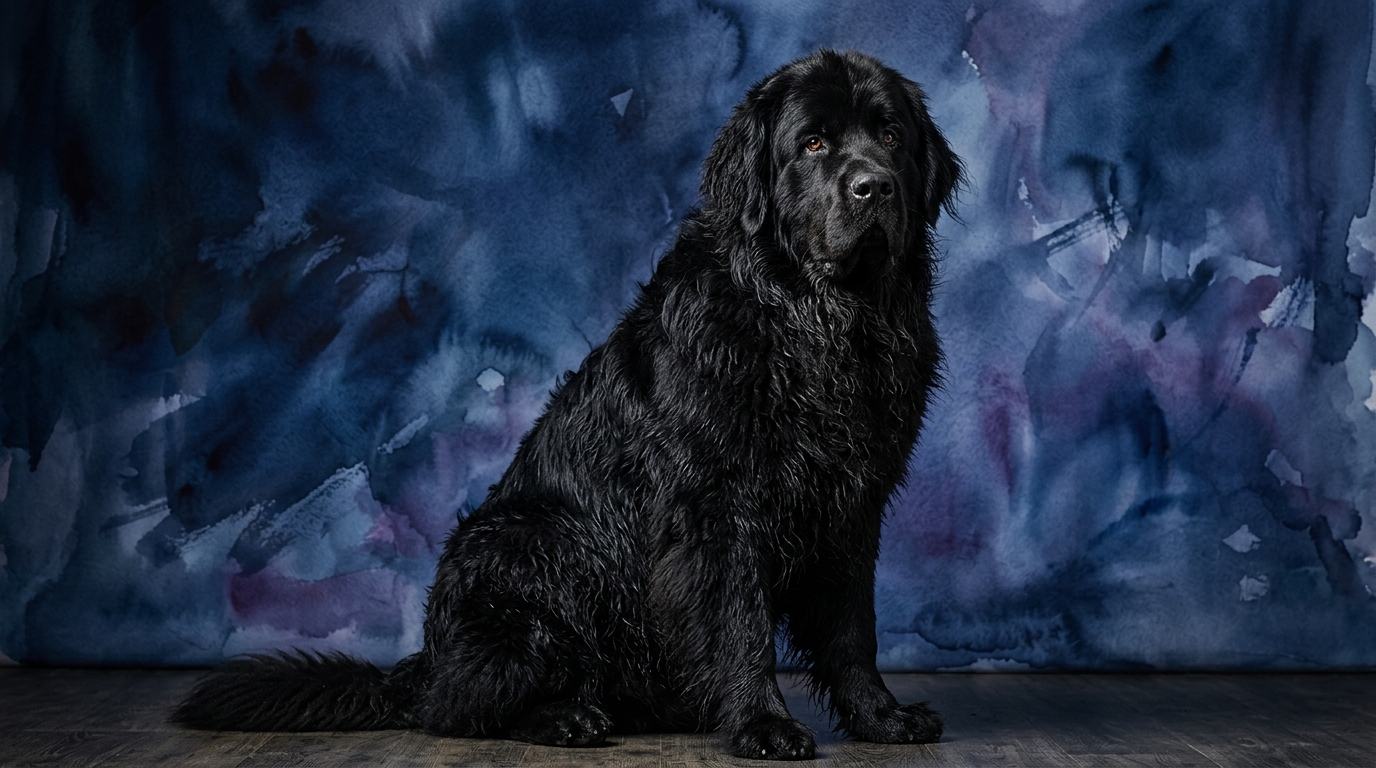
The Newfoundland, a Working Group dog, registers at Coren rank #34, indicating a respectable capacity for learning and task execution. Its IQ profile reveals a balanced yet robust set of cognitive attributes: problem-solving scores 3/5, suggesting a moderate ability to navigate novel challenges independently. Training speed is a strong 4/5, reflecting a quick grasp of commands and routines. Social intelligence shines at a remarkable 5/5, highlighting an exceptional capacity for understanding and responding to human cues and social dynamics. Instinctive drive is also 5/5, denoting a powerful natural inclination towards its working heritage, often involving water rescue or drafting. Memory is solid at 4/5, allowing them to retain learned behaviors and experiences effectively.
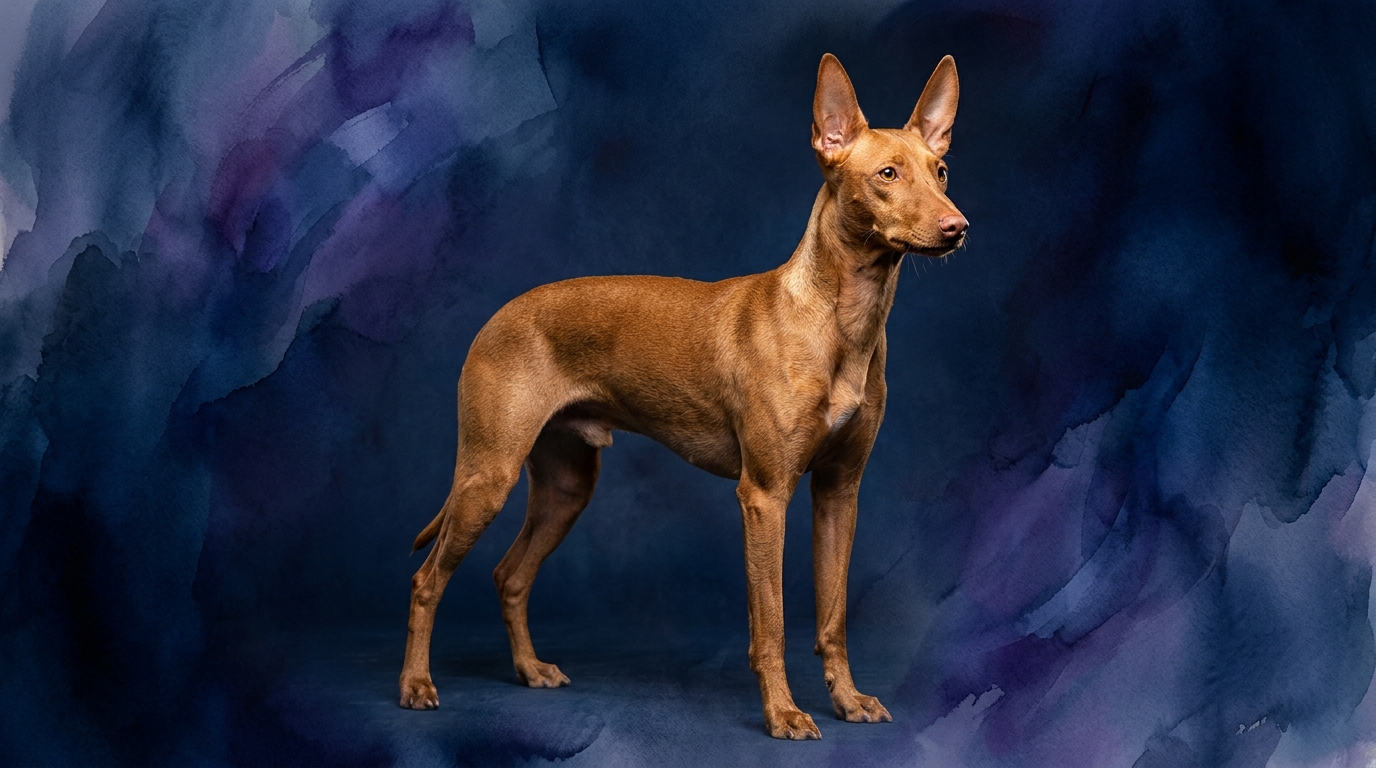
In contrast, the Cirneco dell'Etna, a Hound Group member, is not listed in Coren's rankings, suggesting a cognitive profile that often emphasizes independence over collaborative obedience. Its IQ scores present a more uniform, moderate picture: problem-solving is 3/5, indicating a capacity for independent thought, particularly in pursuit scenarios. Training speed is 3/5, meaning they learn at a steady pace but might require more repetition than some breeds. Social intelligence registers 3/5, signifying a capable but perhaps less overtly eager engagement with human social signals compared to breeds bred for close partnership. Instinctive drive is 3/5, reflecting a strong, purpose-driven focus typical of sighthounds, primarily for hunting. Memory is also 3/5, suggesting an adequate but not exceptional recall of past events or training.
Where the Newfoundland Excels Cognitively
The Newfoundland's cognitive strengths are deeply rooted in its history as a working companion, particularly in water rescue and hauling. Its 5/5 social intelligence score means it possesses an exceptional ability to interpret human emotions, intentions, and subtle body language, making it highly attuned to its people. This isn't merely about affection; it's a profound capacity for understanding and responding appropriately to complex social cues, which is critical for its traditional roles. For instance, a Newfoundland might instinctively know when a person is in distress in water, not just through explicit command but by processing a multitude of social signals. This high social acumen also underpins its 4/5 training speed, as its eagerness to cooperate and understand its human partner facilitates rapid learning of intricate commands and multi-step tasks. Its 5/5 instinctive drive translates into a powerful, purposeful focus on performing tasks that align with its innate predispositions, allowing it to apply its considerable physical and mental resources consistently towards a goal, such as pulling a cart or retrieving a person from rough waters, often with minimal immediate human intervention once trained. The 4/5 memory ensures that these complex learned behaviors and social understandings are retained over long periods, making their training and social bonds enduring assets.
Where the Cirneco dell'Etna's Cognitive Style Shines
While the Cirneco dell'Etna's scores might appear numerically lower, they represent a distinct cognitive style perfectly adapted to its sighthound heritage. Its 3/5 problem-solving ability, though moderate, is often expressed through independent decision-making in pursuit. This breed's mind is geared towards assessing a situation, like spotting distant prey, and formulating an immediate, self-directed plan for pursuit without constant human direction. This isn't a deficiency; it's a cognitive asset for a hunter that needs to react swiftly and autonomously. The 3/5 instinctive drive, while not as overtly 'working' as a Newfoundland's, is intensely focused on its primary purpose: sight-hunting. This drive fuels a tenacious, single-minded focus on scent or movement, allowing the Cirneco to maintain pursuit with remarkable dedication, often tuning out other distractions. Its moderate social intelligence and memory mean it is capable of forming bonds and learning, but it retains a strong sense of self-reliance. This independence can be a cognitive 'win' for owners who appreciate a dog capable of making its own assessments and acting on them, rather than solely relying on human instruction. For instance, in a large, secure field, a Cirneco's independent problem-solving and instinctive drive allow it to navigate and hunt effectively, relying on its keen senses and swift judgment.
Ease of Training: Newfoundland vs. Cirneco dell'Etna
When considering ease of training, the Newfoundland holds a distinct advantage due to its higher scores in both training speed (4/5) and social intelligence (5/5). Newfoundlands generally possess an inherent desire to please their human companions, making them highly receptive to instruction. Their exceptional social intelligence means they are adept at reading cues from their trainer, understanding expectations, and thriving on collaborative tasks. This translates into faster acquisition of new commands and a more willing participation in structured training sessions. They respond well to positive reinforcement and often excel in obedience and task-oriented activities because their cognitive framework is geared towards partnership and understanding human directives. Their strong memory (4/5) also ensures that once a lesson is learned, it's retained effectively, leading to consistent performance.
The Cirneco dell'Etna, with its training speed of 3/5 and social intelligence of 3/5, presents a different training dynamic. While capable of learning, they tend to be more independent thinkers. Their instincts as sighthounds mean they are often driven by visual stimuli and a strong prey drive, which can lead to distractions during training. They may require more patience, consistency, and creative motivation to maintain focus. Their moderate social intelligence means they might not be as overtly eager to perform for human approval; rather, they might weigh the reward against their own inclinations. Training a Cirneco often involves understanding and working with their independent nature, perhaps by incorporating games that mimic hunting or allowing for bursts of activity, rather than expecting the continuous, focused attention a Newfoundland readily offers. Real behavioral differences include the Newfoundland's tendency to look to its owner for guidance, whereas the Cirneco might glance at its owner before making its own decision, especially if a squirrel just ran by.
Suitability for Active vs. Relaxed Owners
The Newfoundland, despite its large size, can be surprisingly adaptable to both active and relaxed owners, though its 5/5 instinctive drive means it thrives with purpose and engagement. For active owners, a Newfoundland is a steadfast companion for long walks, swimming, or even activities like carting or water rescue training, where its powerful drive and loyalty can be channeled. However, its calm demeanor indoors means it can also be a wonderful, albeit large, presence for more relaxed owners, provided its basic needs for moderate daily exercise and mental stimulation are met. Its social intelligence (5/5) means it enjoys being part of family activities, even if those are quiet evenings at home, as long as it feels included and connected. Owners who appreciate a dog that is deeply involved in their lives and seeks to understand their every mood will find the Newfoundland a fitting match. They need consistent mental engagement, even if it's not always high-intensity physical activity.
The Cirneco dell'Etna, with its 3/5 instinctive drive and sighthound heritage, typically suits owners who appreciate a blend of intense bursts of activity followed by periods of calm relaxation. Active owners will find the Cirneco an excellent partner for secure off-leash running in fenced areas where it can unleash its speed and engage its hunting instincts safely. They are not endurance runners in the same way some working breeds are, but they need regular opportunities for explosive sprints. For more relaxed owners, the Cirneco's ability to settle down indoors and enjoy lounging is a significant advantage. However, even relaxed owners must commit to providing structured outlets for its moderate yet potent instinctive drive, such as lure coursing or simply a secure yard for zoomies. Its independent nature means it doesn't constantly demand attention, making it suitable for owners who appreciate a dog that can entertain itself or simply enjoy quiet companionship without constant interaction. The cognitive need here is for periodic, intense engagement of its senses and physical capabilities, rather than continuous collaborative tasks.
The Verdict
Choose the Newfoundland if you desire a deeply socially intelligent companion eager to collaborate, learn quickly, and apply its strong, purposeful drive to tasks alongside you.
Opt for the Cirneco dell'Etna if you appreciate an independent, self-reliant canine with bursts of athletic energy and a moderate, focused drive for sensory exploration, requiring consistent yet patient training.
🧠 Find Your Pet's IQ Score
Our Pet IQ Lab assessment covers 25+ tests across 5 cognitive dimensions — personalized to your breed.
Take the Full IQ Test →Frequently Asked Questions
Is the Newfoundland better at understanding human emotions?
Yes, with a social intelligence score of 5/5, the Newfoundland exhibits an exceptional capacity for interpreting and responding to human emotions and social cues, making them highly empathetic companions. This trait is a cornerstone of their collaborative nature and suitability for roles requiring close human partnership.
Which breed is more prone to independent thought during tasks?
The Cirneco dell'Etna, with its moderate problem-solving and social intelligence scores, tends to be more inclined towards independent thought and decision-making, especially when engaging its instinctive hunting drive. They are less prone to constantly seeking human input and often rely on their own assessment of situations.
Do both breeds require significant mental stimulation?
Both breeds benefit from mental stimulation, but in different ways. The Newfoundland thrives on collaborative tasks that engage its high social intelligence and purposeful drive, while the Cirneco dell'Etna benefits from activities that allow it to exercise its independent problem-solving and keen senses, such as secure off-leash running or scent games.