Side-by-Side IQ Profile
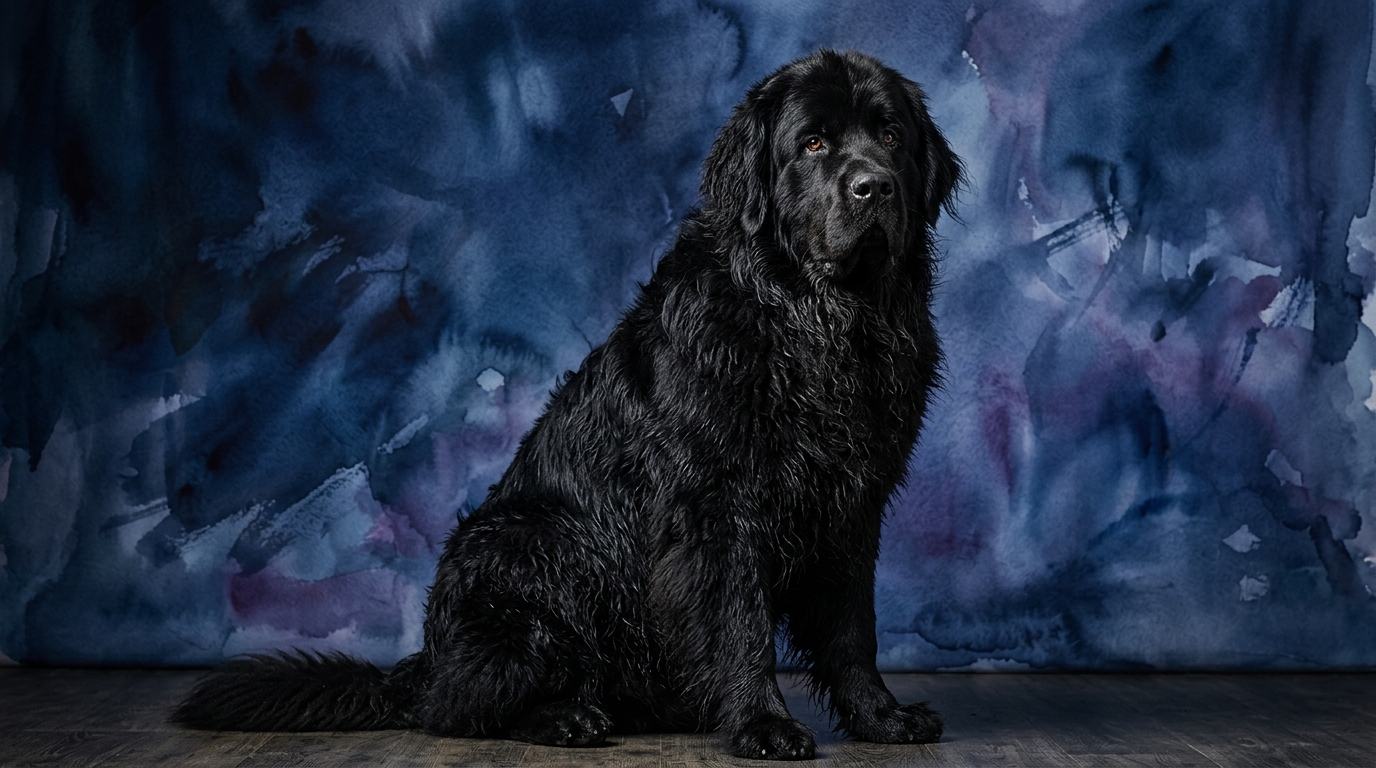
The Cosmic Pet Pet IQ Lab employs five key dimensions to evaluate canine intelligence, offering a granular view of each breed's cognitive architecture. For the Newfoundland, a Working group stalwart, we observe a Problem Solving score of 3 out of 5, indicating a solid capacity for navigating challenges, though not necessarily a pioneering spirit in novel situations. Their Training Speed stands at a commendable 4 out of 5, suggesting they grasp new commands and routines with relative ease. A standout feature is their Social Intelligence, rated a perfect 5 out of 5, reflecting an extraordinary attunement to human emotions and intricate social dynamics. Their Instinctive Drive, also a 5 out of 5, speaks to an overwhelming intrinsic motivation for water rescue and protection. Finally, their Memory is rated 4 out of 5, demonstrating strong retention of learned behaviors and experiences.
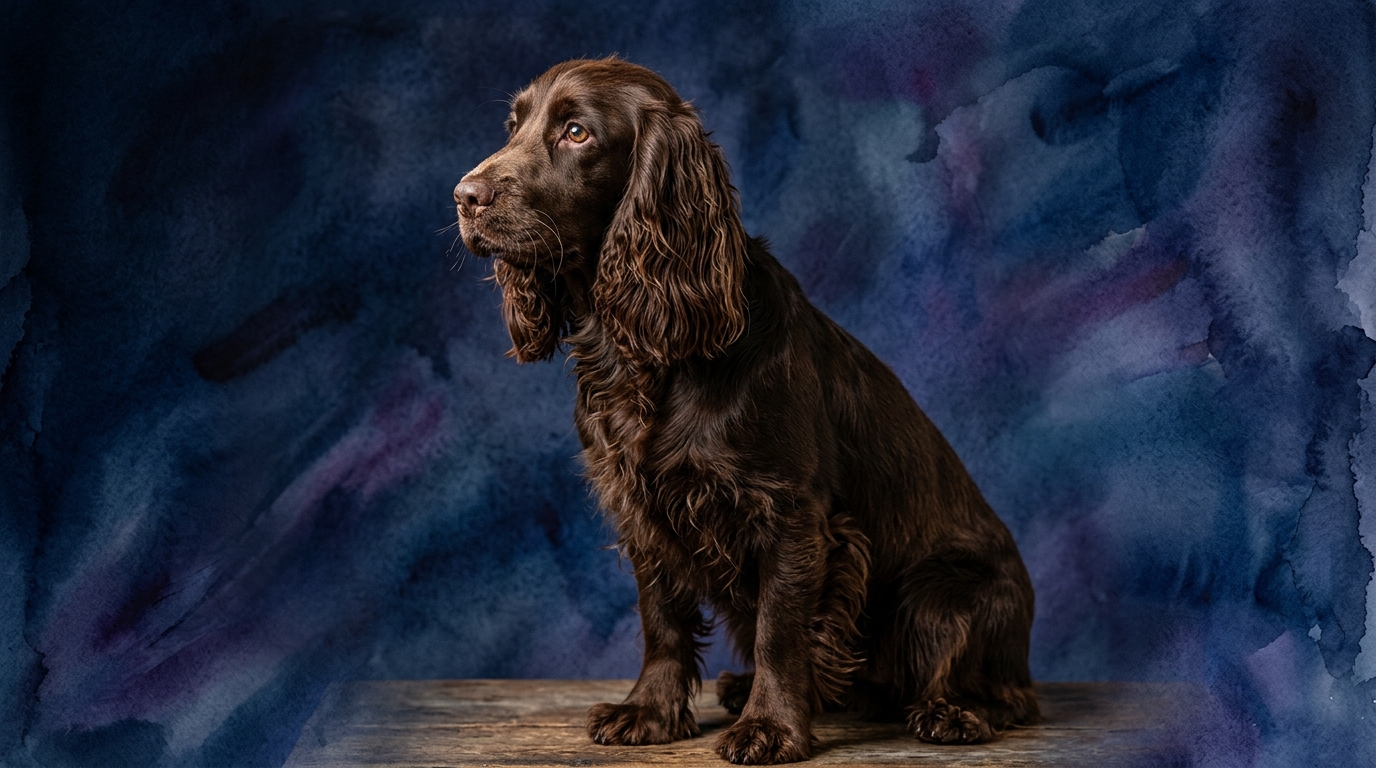
In contrast, the Field Spaniel, a member of the Sporting group, presents a different cognitive landscape. Their Problem Solving ability matches the Newfoundland at 3 out of 5, indicating a competent approach to obstacles without being overtly innovative. Their Training Speed is rated 3 out of 5, suggesting a moderate pace for learning new instructions, requiring consistent reinforcement. The Field Spaniel’s Social Intelligence is 3 out of 5, indicating a good connection with humans and understanding of basic cues, but perhaps less profound empathy than some breeds. Their Instinctive Drive is also 3 out of 5, reflecting a natural inclination towards flushing and retrieving game, a drive that is present but not as all-consuming as the Newfoundland's. Their Memory score is 3 out of 5, signifying a reliable but average capacity for recalling information and past interactions.
Where Newfoundland Wins Cognitively
The Newfoundland's cognitive profile shines brightly in areas where deep emotional connection and protective instincts are paramount. Their unparalleled Social Intelligence (5/5 compared to the Field Spaniel's 3/5) means they possess an almost uncanny ability to read human emotions, often anticipating needs or distress before it's explicitly communicated. This profound empathy underpins their legendary “nanny dog” reputation, enabling them to form exceptionally strong, understanding bonds with their families. Furthermore, their formidable Instinctive Drive (5/5 vs. 3/5) is not merely a strong urge but a complex set of behaviors specifically geared towards water rescue and guardianship, involving quick, independent decision-making in critical situations and showcasing a higher level of practical application of their cognitive abilities under pressure. Their superior Training Speed (4/5 vs. 3/5) and Memory (4/5 vs. 3/5) also mean they generally process and retain complex commands more rapidly and recall past experiences with greater detail, making them highly responsive to consistent guidance and capable of learning intricate routines.
Where Field Spaniel Wins Cognitively
While the Field Spaniel doesn't numerically surpass the Newfoundland in any specific IQ dimension, their cognitive strengths are uniquely optimized for their historical role, emphasizing a different kind of operational intelligence. Their Problem Solving and Instinctive Drive, both rated 3 out of 5, are perfectly suited for the nuanced demands of field work, involving navigating varied and challenging terrain, meticulously tracking scents, and flushing game with focused determination and persistence. This functional intelligence, while perhaps not as broadly empathetic as the Newfoundland's, is highly specialized for tasks requiring sustained concentration and independent action in a working environment, excelling in a partnership context for specific tasks rather than broad, empathetic guardianship.
Which is Easier to Train and Why
When considering ease of training, the Newfoundland generally holds an advantage, primarily due to their higher Training Speed (4/5) and exceptional Social Intelligence (5/5). Newfoundlands typically grasp commands and routines more quickly, and their strong desire to please, coupled with their deep attunement to human emotions, makes them highly responsive to their trainer's intentions and feedback. They thrive on positive reinforcement and collaborative learning, often viewing training as a shared activity that strengthens their bond with their human. Their superior memory (4/5) also contributes significantly, allowing them to retain learned behaviors more effectively over time, reducing the need for constant re-teaching.
The Field Spaniel, with a Training Speed of 3/5, requires a more patient and consistent approach. While willing and intelligent, they may take longer to solidify new commands and might benefit from shorter, more engaging training sessions to maintain focus. Their moderate Instinctive Drive (3/5) for scent work and retrieving, while beneficial for their intended purpose, can sometimes lead to distractions in a general obedience setting, requiring trainers to be creative in incorporating these drives into their lessons. Field Spaniels can exhibit a streak of independent thought, characteristic of many sporting breeds, meaning that while they are eager to work, they might occasionally prioritize an interesting scent over a recall command, necessitating strong foundational training and consistent motivation.
Which Suits Active Owners vs. Relaxed Owners
The choice between a Newfoundland and a Field Spaniel significantly hinges on an owner's lifestyle and activity level. For active owners, the Field Spaniel is often a more fitting companion. Their moderate yet persistent instinctive drive for scent work, tracking, and retrieving makes them excellent partners for individuals or families who enjoy regular, vigorous outdoor activities such as hiking, long walks in varied terrain, scent work classes, or even field trials. They thrive on consistent engagement that taps into their sporting heritage, requiring owners who can provide ample opportunities for mental and physical stimulation outdoors. Their athleticism and endurance mean they are always ready for the next adventure, making them ideal for those seeking a dynamic, involved canine partner.
Conversely, the Newfoundland, despite its imposing size and powerful instinctive drive, can be surprisingly suited for relaxed owners who appreciate a calm indoor presence. While they certainly require moderate daily exercise, including walks and, ideally, opportunities for swimming to satisfy their water rescue instincts, their exceptional social intelligence and strong desire to be near their family often translate into a more sedate and empathetic demeanor indoors. Owners who value a deeply connected, gentle giant content to be a steadfast presence within the home, but are also prepared to engage in their unique water-based activities or guardian roles when appropriate, would find the Newfoundland an ideal match. They are less about constant, high-octane activity and more about deep companionship and protective presence.
The Verdict
Choose the Newfoundland if you seek a deeply empathetic, protective companion with a profound social understanding and a strong, inherent drive for rescue, ideal for families who appreciate a calm indoor presence paired with impressive outdoor capabilities, particularly those involving water.
Opt for the Field Spaniel if you desire an agile, dedicated sporting partner with a balanced drive for field work, suited for active individuals or families who can provide consistent engagement in outdoor activities and appreciate a dog with moderate, adaptable intelligence for specific tasks.
🧠 Find Your Pet's IQ Score
Our Pet IQ Lab assessment covers 25+ tests across 5 cognitive dimensions — personalized to your breed.
Take the Full IQ Test →Frequently Asked Questions
Which breed is better for families with children?
The Newfoundland's exceptional social intelligence and strong protective instincts often make them outstanding “nanny dogs,” known for their gentle patience and intuitive understanding of children. The Field Spaniel, while generally good-natured, might require more supervision with very young children due to their sporting energy and moderate social sensitivity, needing clear boundaries.
Do these breeds require extensive grooming?
Yes, both breeds have coats that require regular attention. The Newfoundland possesses a thick, double coat that needs frequent brushing, ideally several times a week, to prevent matting and manage shedding, especially around seasonal changes. The Field Spaniel has a medium-length, silky coat that also benefits from regular brushing to keep it free of tangles, debris, and prevent matting, particularly after outdoor excursions.
What are the key differences in their exercise needs?
The Newfoundland requires moderate daily exercise, including at least one good walk and opportunities for swimming, which is vital for their physical conditioning and mental well-being given their powerful build and water rescue instincts. The Field Spaniel needs consistent, vigorous exercise, enjoying activities like long walks, running, and retrieving games for an hour or more daily to satisfy their strong sporting drive and maintain their athletic physique.