
Side-by-side IQ profile
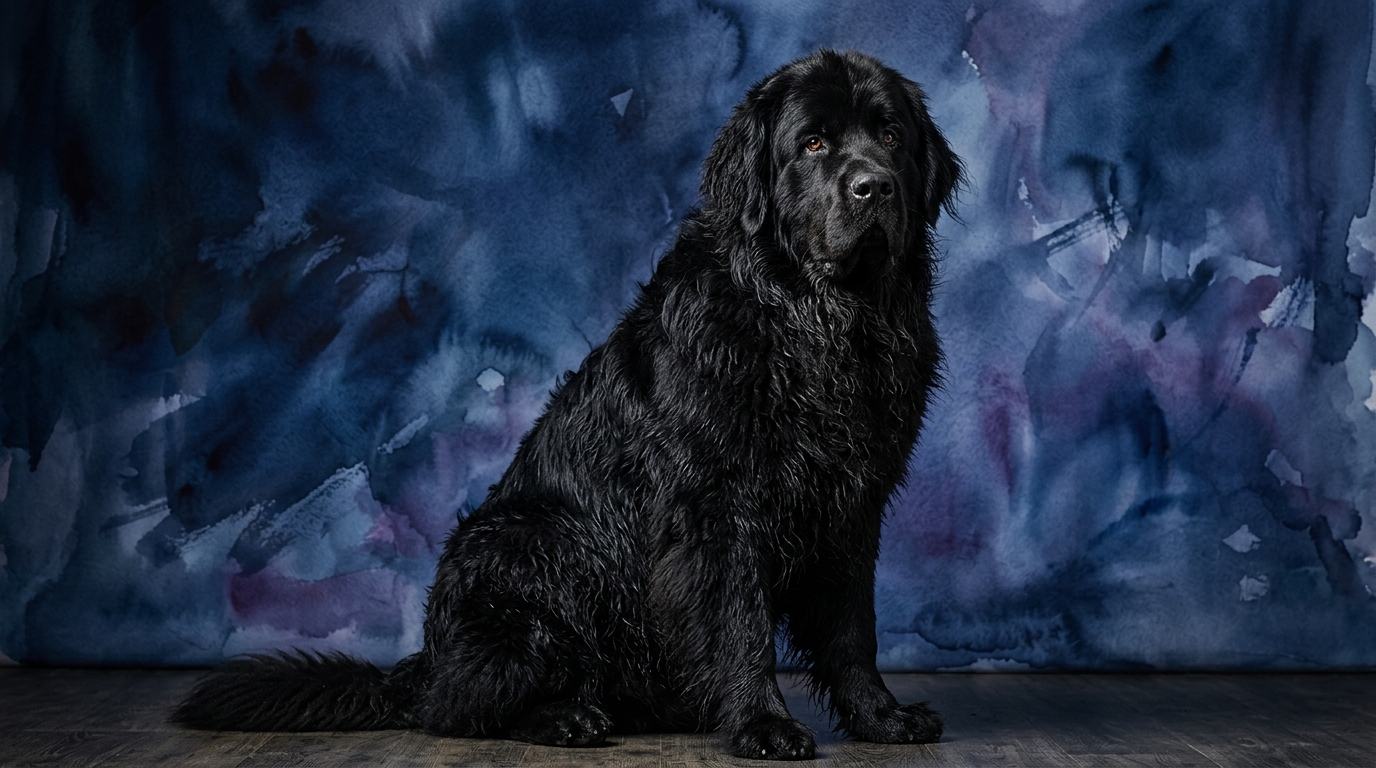
**Newfoundland (Working Group, Coren Rank #34):** This breed’s cognitive makeup is geared towards collaboration and empathy. Their **Problem Solving (3/5)** shows an average capacity for independent solutions, often looking to humans for guidance. **Training Speed (4/5)** is high, as they quickly grasp commands, driven by a strong desire to please and a collaborative spirit. Their **Social Intelligence (5/5)** is unparalleled; they excel at reading human emotions and fostering deep, empathetic bonds, underpinning their historical role as companions and rescuers. **Instinctive Drive (5/5)** is powerful, rooted in water rescue, manifesting as an inherent desire to protect and assist in situations requiring quick, selfless responses. Finally, **Memory (4/5)** is robust, retaining learned behaviors, commands, and social cues over long periods, aiding training retention and lasting relationships.
**Manchester Terrier (Terrier Group, Not Coren-Ranked):** The Manchester Terrier presents a profile of independence and tenacity. Their **Problem Solving (3/5)** is average, often applying persistent, trial-and-error methods to obstacles, relying on determination rather than intricate solutions. **Training Speed (3/5)** is moderate; they learn commands but their independent terrier spirit requires more repetition and consistent motivation. **Social Intelligence (3/5)** is moderate; they form strong bonds with primary caregivers but can be reserved or selective with strangers, being observant rather than overtly empathetic. Their **Instinctive Drive (3/5)** is primarily geared towards hunting small prey, manifesting as keen awareness and a propensity to chase, distinct from collaborative working drives. **Memory (3/5)** is average for commands and routines, meaning recall might not be as immediate or consistently reliable as breeds with higher scores, requiring regular reinforcement.
Where Newfoundland wins cognitively
The Newfoundland’s cognitive strengths shine particularly bright in areas demanding empathy, collaboration, and life-saving initiative. Their perfect 5/5 in Social Intelligence means they are masters of emotional attunement, capable of discerning subtle shifts in human mood and responding with appropriate comfort or concern. This profound understanding of human social dynamics is why they are often described as “nanny dogs,” instinctively knowing when to be gentle or protective. Coupled with a 5/5 in Instinctive Drive, specifically geared towards rescue, their cognitive framework is wired for selfless action. This isn't just brute force; it's a cognitive process involving assessing danger, understanding distress signals, and executing complex, often physically demanding, rescue maneuvers without direct command. Their 4/5 Training Speed is a direct reflection of this collaborative spirit; they readily absorb and apply learned behaviors because their cognitive wiring predisposes them to work *with* humans, seeking to understand and fulfill expectations. This makes them highly adaptable to complex training for roles like therapy work or water rescue, where a nuanced understanding of human need is paramount.
Where Manchester Terrier wins cognitively
While the Manchester Terrier's scores might appear lower across the board, their cognitive profile offers a distinct set of advantages, particularly for owners who appreciate independence and tenacity. Their 3/5 in Problem Solving, combined with their terrier heritage, translates into a persistent, self-reliant approach to challenges. Unlike the Newfoundland, which might wait for human direction, a Manchester Terrier is more inclined to experiment and figure things out on its own, even if it takes a few tries. This isn't about complex abstract reasoning, but a practical, hands-on determination that can be highly effective in navigating their environment or pursuing a goal. Their 3/5 in Instinctive Drive, focused on prey drive, means they possess a sharp, alert focus on their surroundings, making them excellent watchdogs. This cognitive alertness allows them to quickly detect anomalies and react, often with a vocal alarm, demonstrating a keen awareness of their territory. Their moderate Social Intelligence means they form deep, albeit often selective, bonds, offering devoted companionship to their chosen few, appreciating a relationship built on mutual respect rather than constant appeasement.
Which is easier to train and why
When it comes to ease of training, the Newfoundland holds a clear advantage due to its distinct cognitive makeup. Their 4/5 Training Speed is directly linked to their exceptional 5/5 Social Intelligence and 5/5 Instinctive Drive. Newfoundlands possess an innate desire to collaborate and please their human companions, making them highly receptive to instruction. They quickly grasp new commands not just through repetition, but because they inherently want to understand and fulfill the role expected of them within their social unit. Their strong memory (4/5) further cements learned behaviors, requiring less frequent reinforcement over time. In contrast, the Manchester Terrier, with a 3/5 Training Speed and 3/5 Social Intelligence, presents a different training dynamic. While capable of learning, their terrier independence means they often require more patience and creative methods. They may question the necessity of a command or choose to follow their own instincts if not sufficiently motivated. Their problem-solving approach is more self-directed, which can sometimes translate into a perceived stubbornness in training, as they are less inclined to automatically defer to human wishes compared to the Newfoundland's collaborative nature. Real behavioral differences include the Newfoundland's tendency to lean into a handler for reassurance and guidance, versus the Manchester Terrier's preference to observe and then act, sometimes on its own terms.
Which suits active owners vs relaxed owners
The choice between a Newfoundland and a Manchester Terrier largely depends on an owner's lifestyle and their preferred type of interaction. Newfoundlands, with their high Social Intelligence and powerful Instinctive Drive for collaboration and rescue, are an excellent fit for active owners who seek a true partner in outdoor activities, particularly those involving water or requiring a dog that thrives on shared purpose. Their cognitive profile makes them eager participants in family life and structured activities, requiring owners who are prepared to engage them mentally and physically in a collaborative manner. They need an owner who appreciates and channels their inherent desire to “work” alongside them, whether that's through advanced obedience, therapy work, or simply being a constant, empathetic companion.
Conversely, the Manchester Terrier's moderate scores in Social Intelligence and Instinctive Drive, combined with its average Problem Solving and Memory, make it more suited for owners who appreciate a dog with a distinct independent streak. While they still require mental stimulation and physical exercise, they are less overtly “needy” for constant human direction in their activities. Owners who enjoy brisk walks, agility, or earthdog trials where the dog's self-reliance and keen senses are assets, will find a Manchester Terrier rewarding. They suit owners who provide structure and engagement but also respect a dog that can entertain itself and maintains a certain self-possessed demeanor, rather than one constantly seeking to please.
The Verdict
Opt for a Newfoundland if you seek a deeply empathetic, collaborative companion eager to engage in shared activities, particularly those involving water or requiring a strong protective instinct and an easy-to-train temperament.
Select a Manchester Terrier if you appreciate an independent, alert, and tenacious companion that thrives on self-directed problem-solving and offers devoted, yet less overtly demanding, companionship to its chosen family.
🧠 Find Your Pet's IQ Score
Our Pet IQ Lab assessment covers 25+ tests across 5 cognitive dimensions — personalized to your breed.
Take the Full IQ Test →Frequently Asked Questions
Which breed is better for first-time dog owners?
The Newfoundland is generally a more forgiving choice for first-time owners due to its higher training speed and strong desire to please, making the learning process smoother. The Manchester Terrier's independent nature can present more challenges for novice trainers.
Do Newfoundlands and Manchester Terriers require similar mental stimulation?
Both breeds require mental stimulation, but the type differs. Newfoundlands thrive on collaborative tasks and social interaction, while Manchester Terriers benefit from activities that engage their independent problem-solving and keen senses, like puzzle toys or scent work.
How does the Coren ranking impact this comparison?
Dr. Coren's ranking primarily assesses "working and obedience intelligence," heavily favoring breeds with high training speed and responsiveness to commands. The Newfoundland's #34 ranking reflects its collaborative nature, while the Manchester Terrier's unranked status suggests its independent temperament doesn't align as strongly with these specific metrics, not a lack of overall cognitive ability.