
Side-by-Side Cognitive Profiles: A Deep Dive
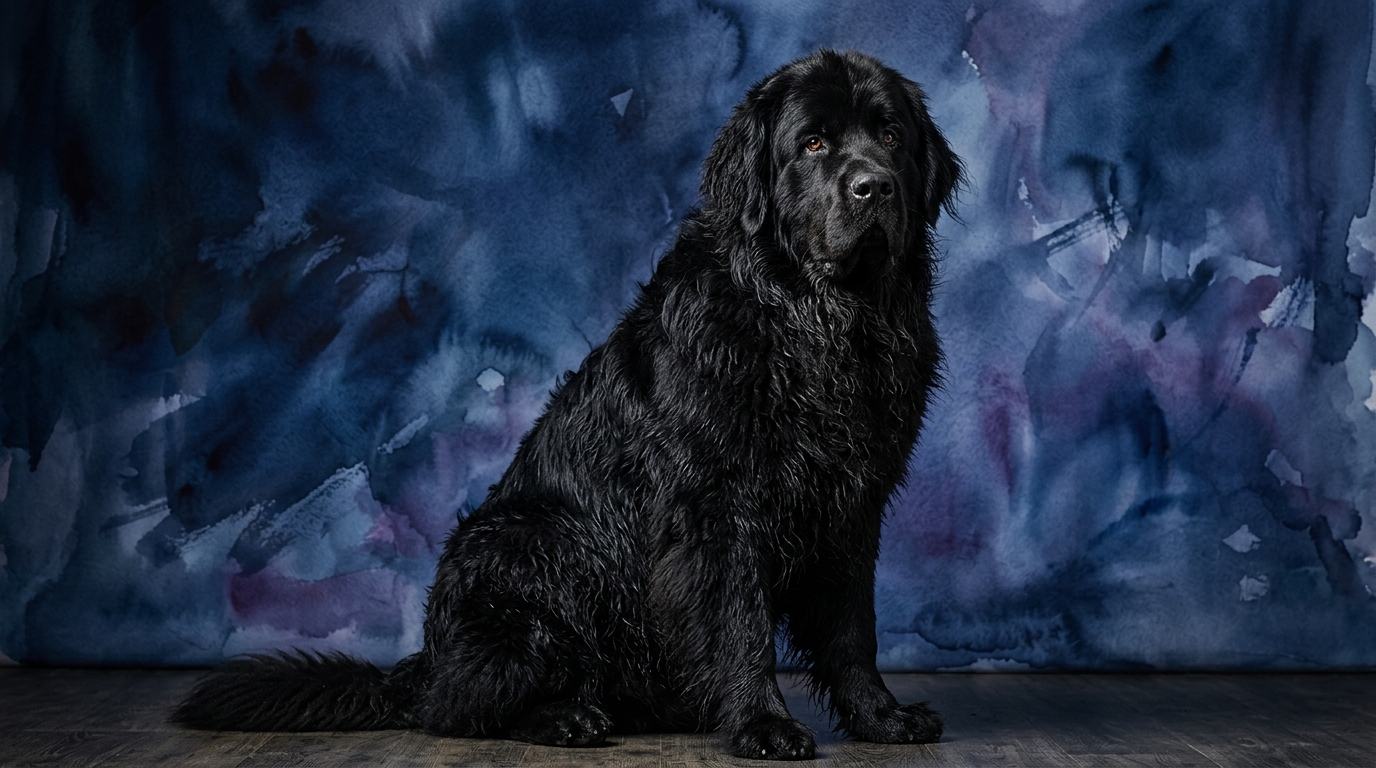
The Newfoundland, a Working Group stalwart, presents a cognitive profile built for practical application and deep connection. With a Coren rank of #34, their problem-solving capabilities sit at a practical 3/5, indicating they navigate real-world challenges effectively but might not excel in abstract puzzles. Their training speed is a solid 4/5, suggesting they absorb commands well, though perhaps not at lightning pace. Where the Newfoundland truly shines is in social intelligence (5/5) and instinctive drive (5/5), reflecting their heritage as empathetic protectors and dedicated workers. A strong memory at 4/5 ensures they retain learned behaviors and social cues over time.
In contrast, the Miniature Poodle, from the Non-Sporting Group, boasts a Coren rank of #2, placing it among the most adept learners. Their problem-solving capacity is exceptional at 5/5, indicating a strong aptitude for complex thought and novel situations. Training speed also reaches the pinnacle at 5/5, meaning they grasp new concepts with remarkable alacrity. Their memory is equally impressive at 5/5, allowing for retention of vast repertoires of commands and routines. While their social intelligence (3/5) and instinctive drive (3/5) are more moderate, they are still perfectly capable of forming bonds and engaging in activities.
Where the Newfoundland's Mind Excels
The Newfoundland's cognitive strengths are deeply rooted in their capacity for empathy and an innate desire to serve. Their perfect 5/5 social intelligence means they are adept at reading human emotions, often sensing distress before it's explicitly shown. This manifests as a profound ability to offer comfort, respond appropriately to family dynamics, and integrate seamlessly into a household as an intuitive guardian. They don't just follow commands; they understand the context and intent behind them, making them exceptional therapy or emotional support animals, even if informally.
Paired with their social acumen is an equally impressive 5/5 instinctive drive, a powerful force that historically propelled them into water rescue operations. This drive isn't just about physical action; it's a cognitive understanding of purpose and dedication. They possess an inherent desire to 'help' or 'work,' often expressed through gentle protection of family members, particularly children, or a steadfast commitment to tasks like carrying items. This deep-seated motivation means they are not easily deterred from a perceived duty, demonstrating a mental resilience tied to their role.
Where the Miniature Poodle's Mind Shines Brightest
The Miniature Poodle's cognitive superiority is most evident in their problem-solving abilities and rapid training speed. A 5/5 in problem-solving means these dogs aren't just memorizing; they are actively strategizing to overcome obstacles. This could involve figuring out how to open a complex treat puzzle, devising a new route to a desired location, or quickly understanding the mechanics of a novel task. Their capacity for abstract thought allows them to generalize learning from one situation to another, making them incredibly adaptable and quick to master new challenges.
This mental agility is complemented by a 5/5 training speed and 5/5 memory. Miniature Poodles can learn a new command in remarkably few repetitions, often showing understanding after just a handful of tries. Their superb memory allows them to retain a vast vocabulary of commands, complex sequences of behaviors, and intricate routines for extended periods. This combination makes them stars in competitive obedience, agility, and other performance sports where precision, speed, and recall of numerous cues are paramount. They thrive on mental engagement, quickly becoming bored without sufficient cognitive stimulation.
Ease of Training: A Tale of Two Approaches
When evaluating ease of training, the Miniature Poodle's profile suggests a straightforward path to mastering commands and complex behaviors. Their peak problem-solving and training speed mean they grasp new concepts quickly and efficiently, often eager to engage in structured learning sessions. Owners will find that Poodles excel in formal obedience classes, quickly moving through levels and demonstrating precise execution of cues. However, this quick learning also means they can just as rapidly pick up undesirable behaviors if not consistently guided, requiring an owner who is equally sharp and consistent in their approach.
The Newfoundland, while having a respectable 4/5 training speed, benefits from a different kind of training dynamic. Their high social intelligence means they are deeply motivated by pleasing their owner and fostering connection. Training with a Newfoundland often feels like a cooperative effort, where their desire to bond and their understanding of human intent can smooth over slower learning curves for purely abstract commands. While they might require more repetitions for complex tricks, their strong instinctive drive makes them highly receptive to task-oriented training, especially those that involve 'helping' their family or practical duties. Their training success often hinges on building a strong, trusting relationship and tapping into their innate desire for purpose.
Which Companion Suits Your Lifestyle?
For the active owner seeking a canine partner for intellectual pursuits and structured engagement, the Miniature Poodle is an exceptional match. Owners who enjoy competitive dog sports like agility, rally obedience, or advanced trick training will find the Poodle's rapid learning, problem-solving prowess, and precise memory incredibly rewarding. They require consistent mental stimulation, thriving on daily training sessions, puzzle toys, and opportunities to apply their sharp minds. While physically capable, their cognitive needs are often the more demanding aspect of their care, making them ideal for individuals who are committed to providing a rich mental environment.
Conversely, the Newfoundland is better suited for owners who appreciate a steadfast, deeply empathetic companion and a gentle, protective presence. Their strong social intelligence and instinctive drive make them excellent family dogs, intuitively understanding and responding to the emotional climate of the home. While they require regular exercise, their 'work' often involves being a calm, reassuring presence and engaging in practical, low-key tasks. Owners who enjoy long, leisurely walks, swimming, or simply having a devoted, intuitive companion by their side will find the Newfoundland's cognitive strengths perfectly align with a more relaxed, yet deeply connected, lifestyle. They thrive on companionship and being an integral, understanding part of the family unit, rather than constant mental challenges.
The Verdict
Choose Newfoundland if you seek a deeply empathetic, protective, and task-driven companion who excels in social interactions, intuitively understands family dynamics, and thrives on practical, family-oriented roles rather than complex abstract challenges.
Choose Miniature Poodle if you delight in a quick-witted, agile learner capable of mastering complex skills, excelling in performance sports, and thriving on consistent mental challenges and structured activities.
🧠 Find Your Pet's IQ Score
Our Pet IQ Lab assessment covers 25+ tests across 5 cognitive dimensions — personalized to your breed.
Take the Full IQ Test →Frequently Asked Questions
Does Coren rank directly correlate with overall dog intelligence?
Coren rank primarily measures "working and obedience intelligence," reflecting a dog's ability to learn and obey human commands. It doesn't encompass all facets of cognition, like social intelligence or problem-solving in natural contexts, which other IQ dimensions address.
Are Miniature Poodles difficult to live with due to their high intelligence?
Miniature Poodles benefit from consistent mental engagement; without it, they might invent their own "problems" to solve, which can manifest as undesirable behaviors. Providing ample training, puzzle toys, and activities channels their cognitive energy productively.
Can a Newfoundland perform complex tasks like a Miniature Poodle?
While Newfoundlands have a respectable problem-solving ability, their cognitive strengths lie more in practical, social, and instinctive tasks rather than abstract or highly complex, multi-step routines. They excel at understanding human cues and performing duties related to companionship and protection.