Side-by-Side IQ Profile: Newfoundlands
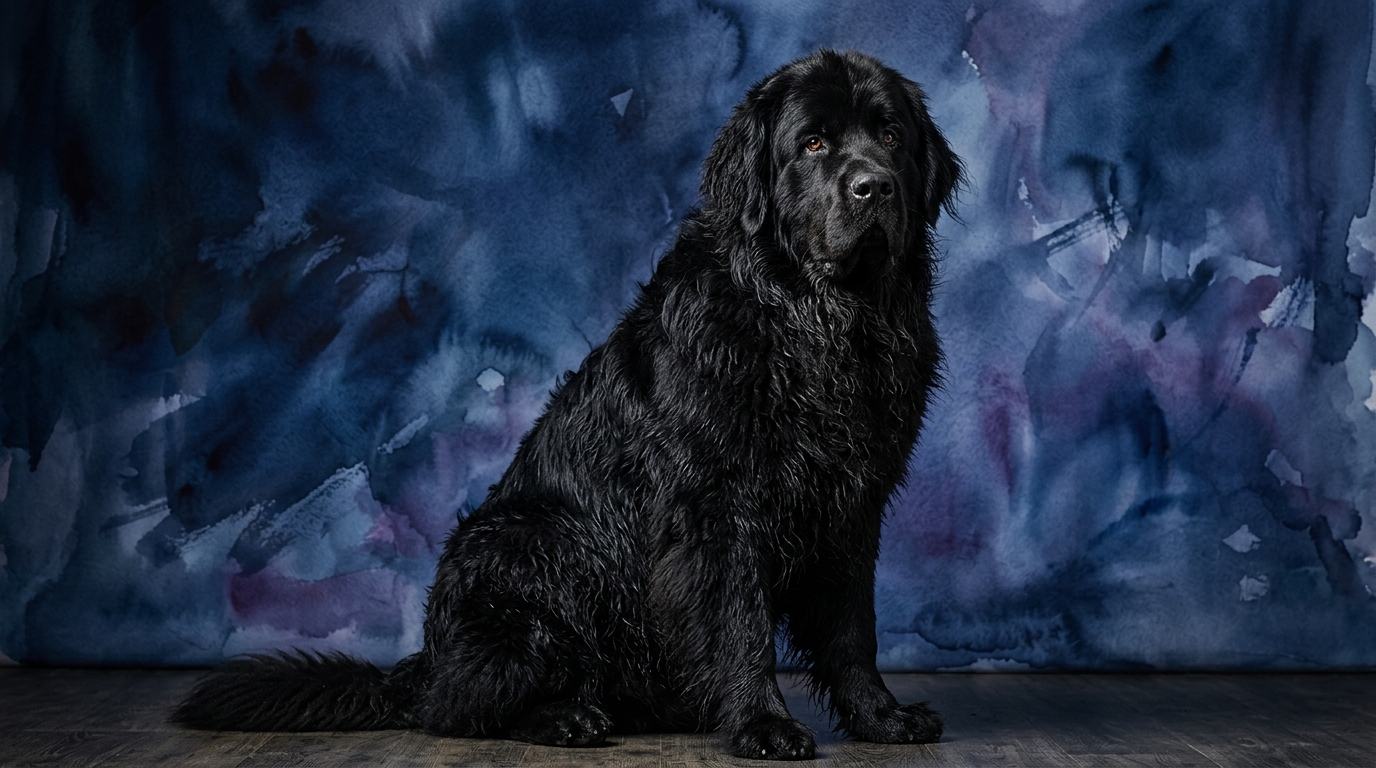
The Newfoundland, a majestic working breed, is a study in purposeful cognition, reflected in its Coren rank of #34. Their Problem Solving, rated 3/5, manifests not in intricate puzzles but in practical, real-world scenarios, particularly those involving water rescue or discerning threats to their human family. This breed's Training Speed is a commendable 4/5, indicative of their deep desire to collaborate and absorb complex commands efficiently, especially when those tasks align with their innate drives.
Where Newfoundlands truly shine is in Social Intelligence, earning a perfect 5/5; they possess an extraordinary capacity to interpret human emotions, respond with profound empathy, and integrate harmoniously into social structures, making them exceptional companions and gentle guardians. Their Instinctive Drive, also a 5/5, is powerfully geared towards lifesaving water retrieval and devoted companionship, a profound internal compass guiding their actions. Finally, a Memory rating of 4/5 ensures they retain complex training sequences and recall experiences with remarkable consistency, crucial for their roles.
Side-by-Side IQ Profile: Norwich Terriers
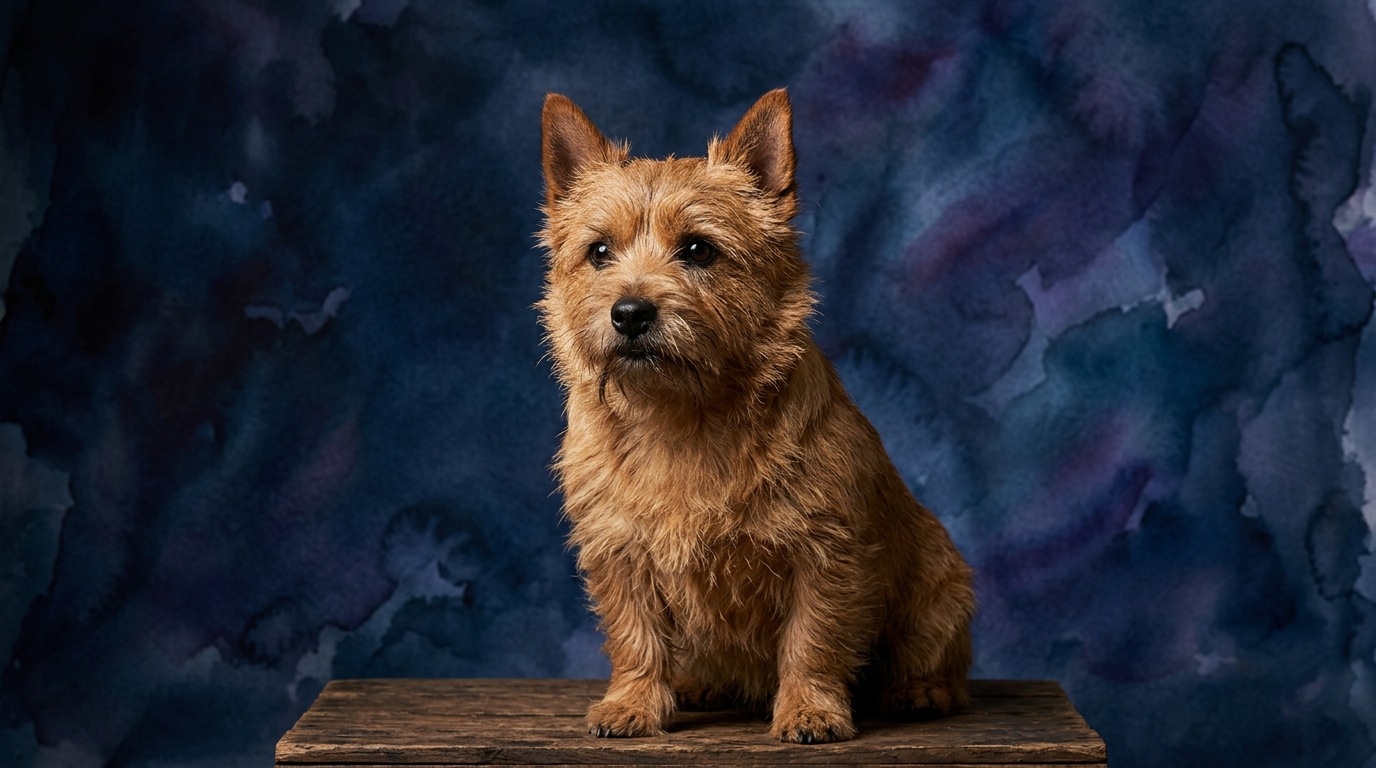
In stark contrast, the Norwich Terrier, a robust terrier breed unlisted in Coren's ranking, showcases a different, equally effective cognitive makeup. Their Problem Solving, rated 3/5, is characterized by a tenacious resourcefulness, adept at navigating tight spaces or outsmarting small prey rather than grand, collaborative tasks. With a Training Speed of 3/5, Norwich Terriers are capable learners but often require more patience and consistency due to their independent and sometimes willful nature, preferring to follow their own instincts over immediate human direction.
Their Social Intelligence scores 3/5; while affectionate and loyal to their core family, they can be more reserved or assertive with strangers, and their social compass is often more self-directed than outwardly empathetic. An Instinctive Drive of 3/5 powerfully fuels their persistent prey drive and digging instincts, reflecting their historical role as vermin hunters rather than human-centric partners. Their Memory, rated 3/5, allows them to recall routines and learned behaviors, though perhaps with less precision or long-term retention compared to breeds bred for complex, multi-stage working roles.
Where the Newfoundland Excels Cognitively
The Newfoundland's cognitive strengths are deeply rooted in their history as water rescue and family protection dogs. Their unparalleled Social Intelligence (5/5) allows them to sense distress and respond with profound empathy, often anticipating human needs without explicit commands, making them exceptional therapy animals and family protectors. This deep understanding of social cues, combined with a 4/5 Training Speed, means they learn complex multi-step tasks quickly and reliably, especially when involving collaboration or service.
Their powerful Instinctive Drive (5/5) isn't just a raw urge; it's a finely tuned, purpose-driven intelligence that compels them to act in lifesaving ways, such as pulling a child from water or standing guard. Furthermore, their superior Memory (4/5) ensures these intricate learned behaviors and critical protective responses are retained over the long term, making them consistently dependable companions in various, often critical, situations.
Where the Norwich Terrier Excels Cognitively
The Norwich Terrier's cognitive advantages stem from their lineage as independent vermin hunters, requiring a different set of mental tools. Their Problem Solving (3/5) is uniquely adapted to their size and purpose, demonstrating a shrewd ability to navigate challenging environments, locate hidden prey, and overcome obstacles through persistent, often self-directed, trial and error. This isn't about human-directed problem-solving but rather ingenious, independent strategizing within their own world.
Their Instinctive Drive (3/5), while lower in numerical rating than the Newfoundland, is intensely focused and unwavering, enabling them to pursue a task with remarkable tenacity and single-mindedness, a cognitive asset for specific roles. This independence, while sometimes posing training challenges, also reflects a cognitive strength: they are less prone to separation anxiety and can be content with self-directed exploration and play, demonstrating a self-sufficient mental resilience.
Training Easiness: Newfoundland vs. Norwich Terrier
When evaluating ease of training, the Newfoundland holds a distinct advantage due to its inherent cognitive profile. Their exceptional Social Intelligence and strong desire to please, coupled with a high Training Speed (4/5) and a calm demeanor, mean they often view training as a collaborative and rewarding experience. They are eager to absorb new commands and excel at multi-step tasks, responding well to positive reinforcement and clear, consistent instruction. For instance, a Newfoundland might quickly learn to retrieve specific items or perform complex service tasks, driven by their innate desire to be helpful partners.
In contrast, the Norwich Terrier, with a Training Speed of 3/5, presents a more significant training endeavor. Their formidable independence and potent instinctive drives, particularly their prey drive, mean they can be easily distracted and may not always see the immediate benefit in complying with human directives. Training a Norwich often requires greater patience, creative engagement, and a deep understanding of their terrier tenacity to channel their energy and focus their attention away from independent pursuits, such as chasing a squirrel, towards desired behaviors. They are certainly capable of learning, but their motivation structure is different, requiring more persistent, engaging methods to maintain their focus and cooperation.
Matching Breeds to Owner Lifestyles
Choosing between these breeds also hinges on an owner's lifestyle and preferred level of interaction. The Newfoundland is an ideal match for more relaxed owners who appreciate a calm, devoted presence and have the space to accommodate a large dog. While they require regular, moderate exercise and mental stimulation, their energy levels are not frantic. They thrive in environments where they can be integral family members, offering gentle companionship and participating in purposeful, low-impact activities like leisurely walks or supervised water play.
Owners who value a deeply empathetic, steady, and collaborative canine partner will find the Newfoundland's cognitive makeup perfectly suited to their lifestyle, as they are often content to be near their people, observing and occasionally offering a comforting nudge. Conversely, the Norwich Terrier is better suited for active owners who can match their spirited energy and provide consistent mental and physical outlets. Their independent problem-solving and strong instinctive drives mean they require engaging activities beyond simple walks. Owners who enjoy interactive play, structured training sessions, and can channel their terrier's tenacity into constructive activities will find a lively and rewarding companion. They are not content to simply lounge; their cognitive profile demands engagement, exploration, and opportunities to expend their considerable mental and physical energy, making them ideal for those who enjoy a more hands-on and dynamic relationship with their dog.
The Verdict
Choose the Newfoundland for a profoundly empathetic, highly trainable, and devoted companion who excels at collaborative tasks and integrates seamlessly into a family, offering a calm, protective, and steady presence.
Opt for the Norwich Terrier if you desire an independent, spirited, and tenacious companion who thrives on active engagement, challenging mental stimulation, and offers a lively, assertive personality, ideal for owners who appreciate a dog with a strong, self-directed will.
🧠 Find Your Pet's IQ Score
Our Pet IQ Lab assessment covers 25+ tests across 5 cognitive dimensions — personalized to your breed.
Take the Full IQ Test →Frequently Asked Questions
Is the Newfoundland better at learning tricks?
Given their 4/5 Training Speed and high Social Intelligence, Newfoundlands generally learn complex tricks and multi-step commands more readily. Their eagerness to please and collaborative nature make them highly receptive to structured training sessions, often picking up new behaviors with fewer repetitions.
Do Norwich Terriers bark more due to their cognitive traits?
Norwich Terriers, with their strong instinctive drive and independent nature, can be prone to more vocalizations, often barking at perceived intruders or in response to environmental stimuli. Their alertness and territorial instincts, part of their problem-solving and drive, contribute to this behavior.
How does a Newfoundland's memory help in daily life?
A Newfoundland's 4/5 memory helps them consistently recall household routines, learned commands, and even people they've met, leading to predictable and reliable behavior. This strong memory is vital for maintaining good manners, service tasks, and forming lasting bonds with family members.