Side-by-Side Cognitive Profiles
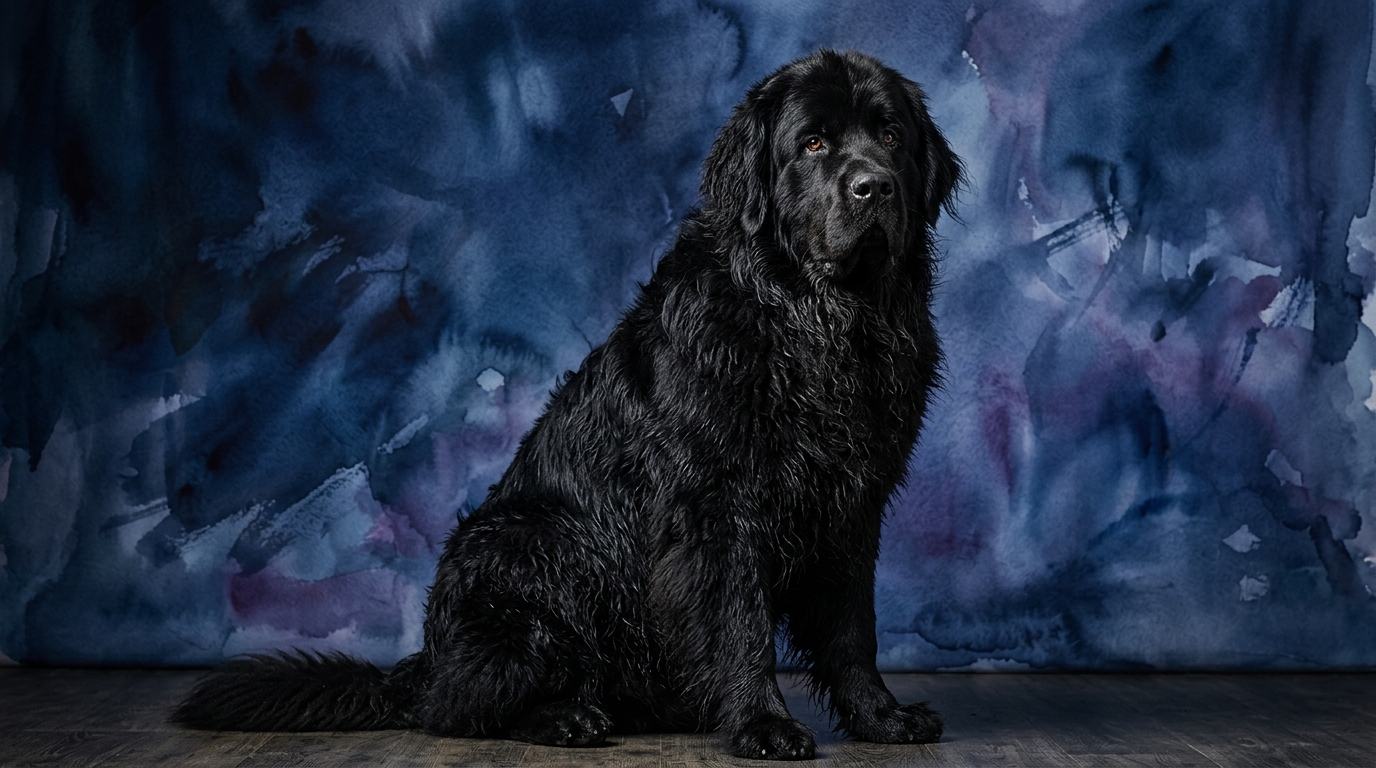
The Cosmic Pet Pet IQ Lab assesses canine cognition across five key dimensions, providing a nuanced view of each breed's mental makeup. For the Newfoundland, a breed ranked #34 by Coren for obedience and working intelligence, their profile reflects a strong cooperative nature. They exhibit a Problem Solving score of 3/5, indicating an ability to navigate practical challenges, often in service to humans. Their Training Speed is a robust 4/5, suggesting a quick grasp of new commands and routines. An exceptional Social Intelligence of 5/5 highlights their profound empathy and connection with humans. Their Instinctive Drive, also 5/5, points to a strong innate motivation for tasks like water rescue and companionship. Finally, their Memory is rated 4/5, enabling them to retain learned behaviors and experiences effectively.
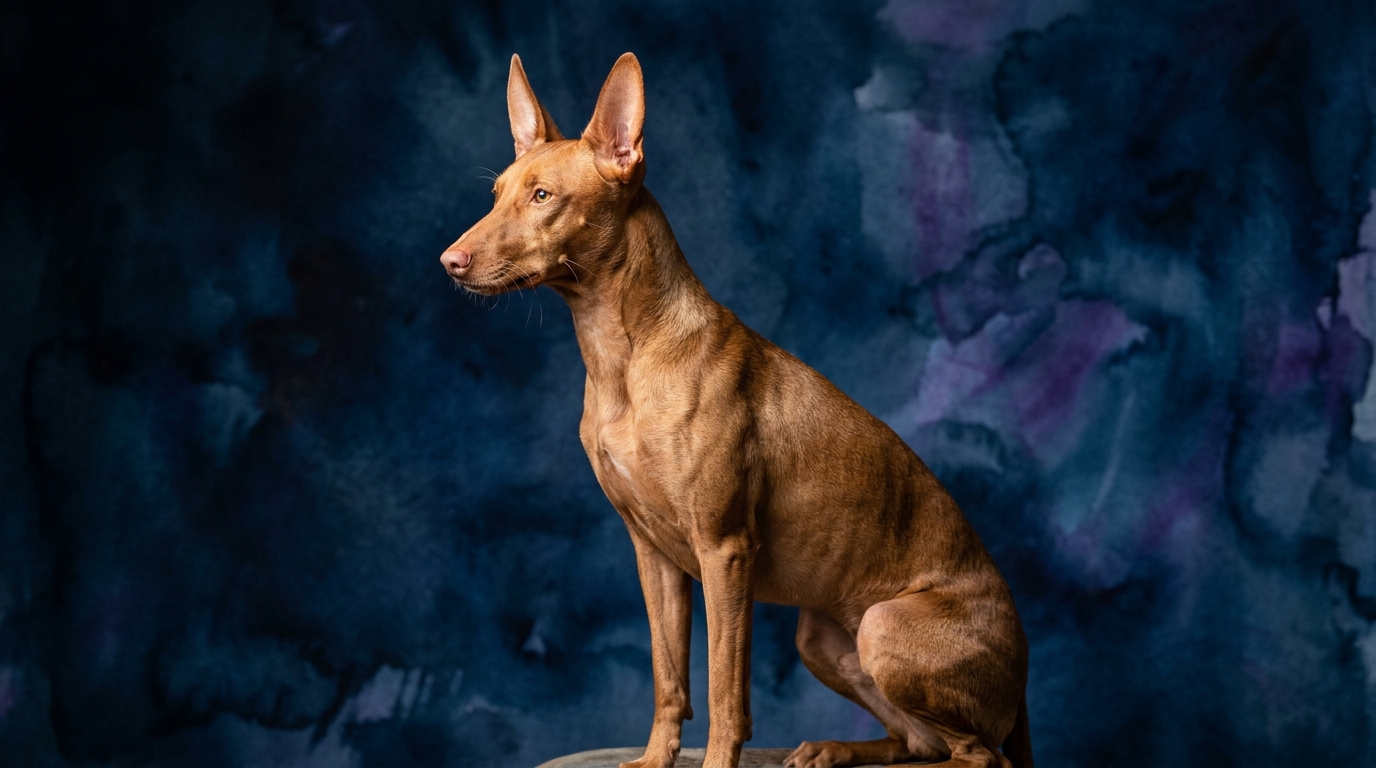
In contrast, the Pharaoh Hound, a breed not featured in Coren's rankings, presents a different cognitive blueprint. Their Problem Solving ability is rated 3/5, demonstrating competence in challenges pertinent to their ancestral hunting roles. Training Speed for the Pharaoh Hound stands at 3/5, indicating they can learn but may require more consistent, engaging methods compared to their Newfoundland counterparts. Their Social Intelligence is 3/5, meaning they are affectionate with their inner circle but can be reserved with strangers, prioritizing their own space. An Instinctive Drive of 3/5 reflects their strong prey drive and independent hunting instincts. Their Memory is also 3/5, suggesting a capacity to recall information, though perhaps with less consistency than breeds with higher training motivation.
Where the Newfoundland Excels Cognitively
The Newfoundland's cognitive strengths distinctly lie in areas of cooperation and empathy. Their unparalleled 5/5 Social Intelligence makes them exceptionally attuned to human emotions and intentions. This aptitude allows them to excel in roles requiring deep connection, such as therapy work or as a comforting family presence, where they actively seek to understand and respond to their human companions. This isn't just passive observation; it's an active desire for harmonious interaction.
Furthermore, their 4/5 Training Speed, combined with their strong social drive, means Newfoundlands absorb and execute commands relatively quickly. They possess a natural eagerness to please, making multi-step tasks and complex routines more accessible to teach. Their 5/5 Instinctive Drive for rescue and companionship isn't merely a learned trait; it’s an intrinsic motivation that allows them to naturally gravitate towards protective and helpful roles, harnessing a deep-seated desire to be useful and connected to their human 'pack.' This strong memory (4/5) ensures that once learned, these cooperative behaviors are reliably retained over time.
Where the Pharaoh Hound Shines Cognitively
While both breeds score 3/5 in Problem Solving, the Pharaoh Hound's cognitive prowess manifests differently, particularly in independent, self-directed tasks. Their problem-solving abilities are finely tuned for their ancestral purpose: hunting. They excel at independently strategizing to pursue prey or navigate complex outdoor environments without constant human intervention. This specialized form of cognitive agility allows them to rapidly assess situations, making quick, autonomous decisions critical for a sighthound.
The Pharaoh Hound's instinctive drive, while rated 3/5, is geared towards a specialized form of situational awareness crucial for tracking and chasing. They possess a remarkable ability to focus on specific sensory cues related to prey, demonstrating a distinct cognitive filtering skill. This often translates to a high degree of self-reliance, which, while sometimes perceived as aloofness, is a cognitive 'win' for owners who appreciate a companion capable of independent thought and action. Their mental fulfillment often comes from engaging these innate hunting and exploratory aptitudes.
Ease of Training: Newfoundland vs. Pharaoh Hound
When it comes to training, the Newfoundland generally presents an easier experience. Their 4/5 Training Speed and exceptional 5/5 Social Intelligence mean they are highly motivated by human approval and connection. They genuinely desire to learn and cooperate, making positive reinforcement methods remarkably effective. Their strong 4/5 memory ensures that once a behavior is learned, it tends to stick, leading to consistent performance. Newfoundlands are less prone to becoming bored with repetition and typically approach training as a shared, rewarding activity with their human partner.
The Pharaoh Hound, conversely, can be more challenging to train due to their 3/5 Training Speed and 3/5 Social Intelligence. Their independent sighthound nature means they are not inherently driven by a strong desire to please humans for its own sake. Training requires creativity, patience, and a focus on making the learning process inherently engaging and rewarding for them, often by incorporating elements of chase or problem-solving. Their strong prey drive can be a significant distraction in many environments, necessitating consistent and dedicated recall training to ensure their safety and responsiveness.
Suitability for Active vs. Relaxed Owners
The Newfoundland, despite its large size, suits owners who appreciate a moderate level of activity that includes regular walks, swimming, and consistent mental engagement through training and social interaction. They are not high-energy athletes but require space and purpose. They integrate well into family life, thriving on being involved in daily routines and providing gentle companionship. While their grooming needs are substantial, their activity requirements are manageable for relaxed owners who can still provide consistent, calm interaction and access to outdoor spaces.
The Pharaoh Hound is best suited for active owners who understand and can cater to their sighthound instincts. They necessitate regular opportunities for full-speed running in safe, enclosed areas, making them excellent companions for activities like jogging, lure coursing, or long, exploratory hikes. Their independent nature means they may require less direct 'fuss' or constant attention, but their physical exercise requirements are significant. They are not ideal for sedentary lifestyles where their considerable energy and innate drive cannot be channeled appropriately, which can lead to frustration and undesirable behaviors.
The Verdict: When to Choose Each Breed
The Verdict
If you seek a deeply empathetic, cooperative companion eager to engage in family life and gentle activities, the Newfoundland's social and training aptitudes make them an exceptional choice.
Opt for the Pharaoh Hound if you value an independent, elegant athlete who thrives on bursts of high-speed activity and appreciates a quieter, less demanding social interaction.
🧠 Find Your Pet's IQ Score
Our Pet IQ Lab assessment covers 25+ tests across 5 cognitive dimensions — personalized to your breed.
Take the Full IQ Test →Frequently Asked Questions
Are Newfoundlands typically good with children?
Yes, their exceptional social intelligence and gentle nature (5/5) make Newfoundlands typically very patient and protective with children, often acting as watchful nannies, though supervision is always advised for any dog-child interaction.
Do Pharaoh Hounds require a significant amount of exercise?
Absolutely. While not constantly hyperactive, their sighthound genetics demand regular opportunities for high-speed running and vigorous activity (instinctive drive 3/5) to maintain their physical and mental well-being and prevent boredom.
How do their problem-solving abilities differ in practical application?
Both breeds rate 3/5 in problem-solving, but Newfoundlands often apply their cognitive skills in cooperative tasks like water rescue, while Pharaoh Hounds utilize theirs for independent pursuits such as hunting and tracking prey, demonstrating distinct approaches to challenges.