Side-by-Side Cognitive Profiles: Newfoundland vs. Puli
To truly understand the intellectual nuances of these magnificent breeds, The Cosmic Pet Pet IQ Lab meticulously assesses five key cognitive dimensions. Let's explore how the Newfoundland and Puli measure up, shedding light on their unique mental architectures.
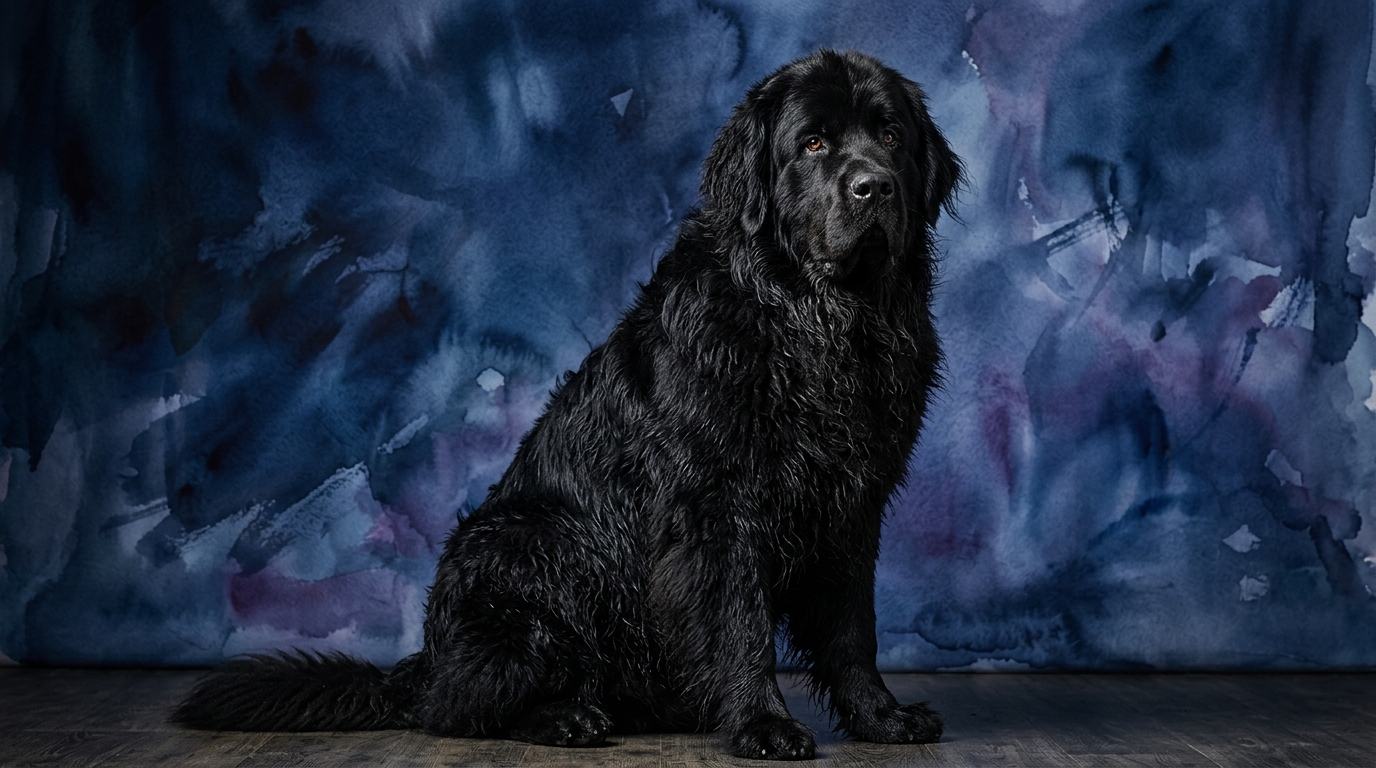
The **Newfoundland**, a Working Group dog ranked #34 by Coren, demonstrates a distinct set of intellectual strengths. Their **Problem Solving (3/5)** typically involves a cooperative approach rather than independent innovation; they excel at executing learned tasks and responding to human cues. Their **Training Speed (4/5)** is commendable, as these gentle giants are eager to please and form strong bonds, grasping commands efficiently. Where they truly shine is **Social Intelligence (5/5)**, exhibiting an exceptional capacity for understanding human emotions and intentions, making them profound empathic companions. Their **Instinctive Drive (5/5)** is powerful and specialized, rooted in water rescue and protection, showcasing a complex cognitive program for sensing distress and acting decisively. Finally, their **Memory (4/5)** is robust, allowing them to reliably recall commands, routines, and experiences over time.
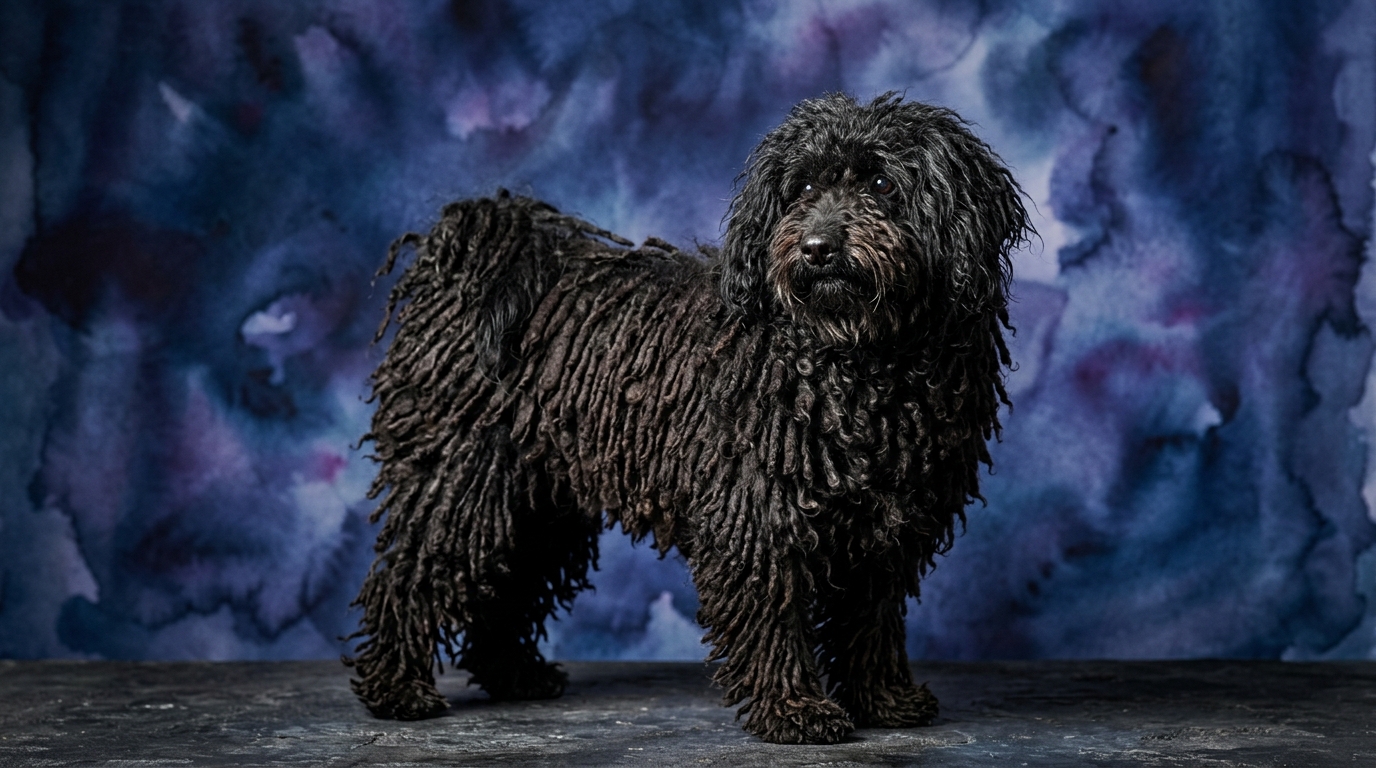
The **Puli**, a Herding Group dog ranked #25 by Coren, presents a different cognitive landscape. Their **Problem Solving (4/5)** is a significant strength, showing a strong aptitude for independent thought and improvisation, especially in dynamic situations like managing livestock. Their **Training Speed (4/5)** is equally impressive, as they are quick learners who absorb new tasks efficiently, though their independence can sometimes require engaging methods. **Social Intelligence (3/5)** in the Puli is more discerning; while deeply bonded to their family, they can be reserved with strangers, their social acumen geared towards flock management rather than broad human empathy. Their **Instinctive Drive (3/5)** is primarily focused on herding—a complex behavior of control and management—which, while powerful, is less generalized than the Newfoundland’s rescue instinct. Like the Newfoundland, their **Memory (4/5)** is good, crucial for recalling intricate herding patterns, commands, and routines.
Where the Newfoundland's Cognition Excels
Newfoundlands stand out in their unparalleled **social intelligence**, a profound cognitive strength that allows them to perceive and respond to human emotions with remarkable sensitivity. This isn't merely about being affectionate; it's a deep empathetic processing that enables them to offer comfort, anticipate needs, and form exceptionally profound bonds, making them outstanding therapy dogs and intuitive family members. Their capacity to 'read' a room or a person's mood is a sophisticated form of non-verbal communication and understanding.
Furthermore, their powerful, innate **instinctive drive** for rescue, particularly in water, represents a highly specialized cognitive program. This involves quick assessment of distress signals, rapid decision-making under pressure, and a selfless motivation to act. This isn't a simple reflex but a deeply ingrained behavioral algorithm that speaks to a complex understanding of vulnerability and a proactive desire to protect, demonstrating a unique form of applied intelligence.
Where the Puli's Cognition Shines
The Puli's cognitive edge is most apparent in their **problem-solving abilities and independent thought**. Bred as herding dogs, they were historically tasked with making swift, on-the-spot decisions to manage livestock without constant human direction. This translates into an agile mind capable of improvising and adapting to rapidly changing situations, whether it involves navigating an obstacle course, outsmarting a sheep, or figuring out how to achieve a desired outcome. This capacity for independent reasoning highlights their intellectual nimbleness.
Their strength in **self-sufficiency** for tasks, coupled with quick analytical skills, allows them to thrive in dynamic environments where rapid, autonomous action is required. This isn't just about following orders; it's about evaluating a situation, formulating a plan, and executing it effectively on their own. This high degree of cognitive autonomy makes them particularly adept at activities requiring strategic thinking and adaptability.
Training Aptitude: Newfoundland vs. Puli
When considering ease of training for general obedience and cooperative tasks, the **Newfoundland often presents a smoother experience** due to their exceptionally high social intelligence and strong desire to please their human companions. Their innate eagerness to form a deep bond means they are highly motivated by positive reinforcement and connection, readily absorbing commands and striving to meet expectations. This cooperative spirit, coupled with their commendable training speed, makes them generally responsive and adaptable, though their impressive size necessitates early and consistent training for practical management and leash manners.
The **Puli, while also possessing a good training speed, can be perceived as more challenging for some owners due to their independent problem-solving nature and strong will**. Their quick wit means they learn rapidly, but if a task doesn't align with their perceived purpose or if they find a more efficient solution, they might choose to follow their own initiative. Training a Puli requires creativity, consistency, and an understanding of their herding drive, often benefiting from activities like agility or rally where their intelligence and independence can be channeled productively. Their focus is less about pleasing the handler at all costs and more about the task itself, demanding a different approach to motivation and engagement.
Lifestyle Match: Active vs. Relaxed Owners
The **Newfoundland, despite its calm demeanor indoors, requires owners who are prepared for significant daily activity and ample space**. While they may appear relaxed and enjoy lounging, their large size and historical working background mean they need regular, substantial exercise, including long walks and ideally opportunities for swimming, to maintain their physical health and mental equilibrium. They suit owners who enjoy spending time outdoors, appreciate a gentle giant's presence, and can accommodate their needs for both physical exertion and deep social interaction, rather than purely sedentary lifestyles.
The **Puli is undeniably suited for active owners who thrive on engaging their dog in various physical and mental challenges**. Their heritage as agile, intelligent herders means they possess abundant energy and a keen desire for a 'job.' Owners who enjoy dog sports such as agility, flyball, or herding trials, or who can provide extensive daily exercise and enrichment, will find a Puli to be a rewarding and enthusiastic partner. A relaxed, sedentary owner might find a Puli's boundless energy and independent spirit overwhelming without sufficient outlets for their sharp mind and active body.
The Verdict
Choose a Newfoundland for a deeply empathetic, gentle giant companion who excels in social bonds and provides a calm, protective presence, especially if you appreciate their natural instincts for water work and caregiving, and can provide ample space and consistent, gentle training.
Choose a Puli for an energetic, quick-witted partner who thrives on mental and physical challenges, enjoys problem-solving, and offers a lively, independent spirit for an active household that can provide consistent engagement and a 'job' for their keen mind.
🧠 Find Your Pet's IQ Score
Our Pet IQ Lab assessment covers 25+ tests across 5 cognitive dimensions — personalized to your breed.
Take the Full IQ Test →Frequently Asked Questions
Do Newfoundlands require extensive grooming?
Yes, their thick, double coat needs regular brushing, at least a few times a week, to prevent mats and manage shedding, especially during seasonal changes. Professional grooming every few months can also be beneficial to maintain coat health.
Are Pulik good with children?
Pulik can be good with respectful children, especially if raised with them and properly socialized from a young age. However, their strong herding instincts might lead them to 'herd' children, so supervision and early training are essential to teach appropriate interactions and boundaries.
What kind of mental stimulation do Pulik need?
Pulik thrive on activities that engage their problem-solving skills and instincts, such as agility, herding trials, puzzle toys, advanced obedience training, and interactive games. Providing these outlets is crucial to keep their intelligent minds sharp and prevent boredom-related behaviors.