Side-by-Side Cognitive Profiles
The Cosmic Pet Pet IQ Lab employs a five-dimensional framework to assess canine intelligence, moving beyond a single, monolithic score. This allows us to appreciate the specific ways different breeds process information, learn, and interact with their world. Let's examine how the Newfoundland and the Pyrenean Shepherd stack up in each dimension.
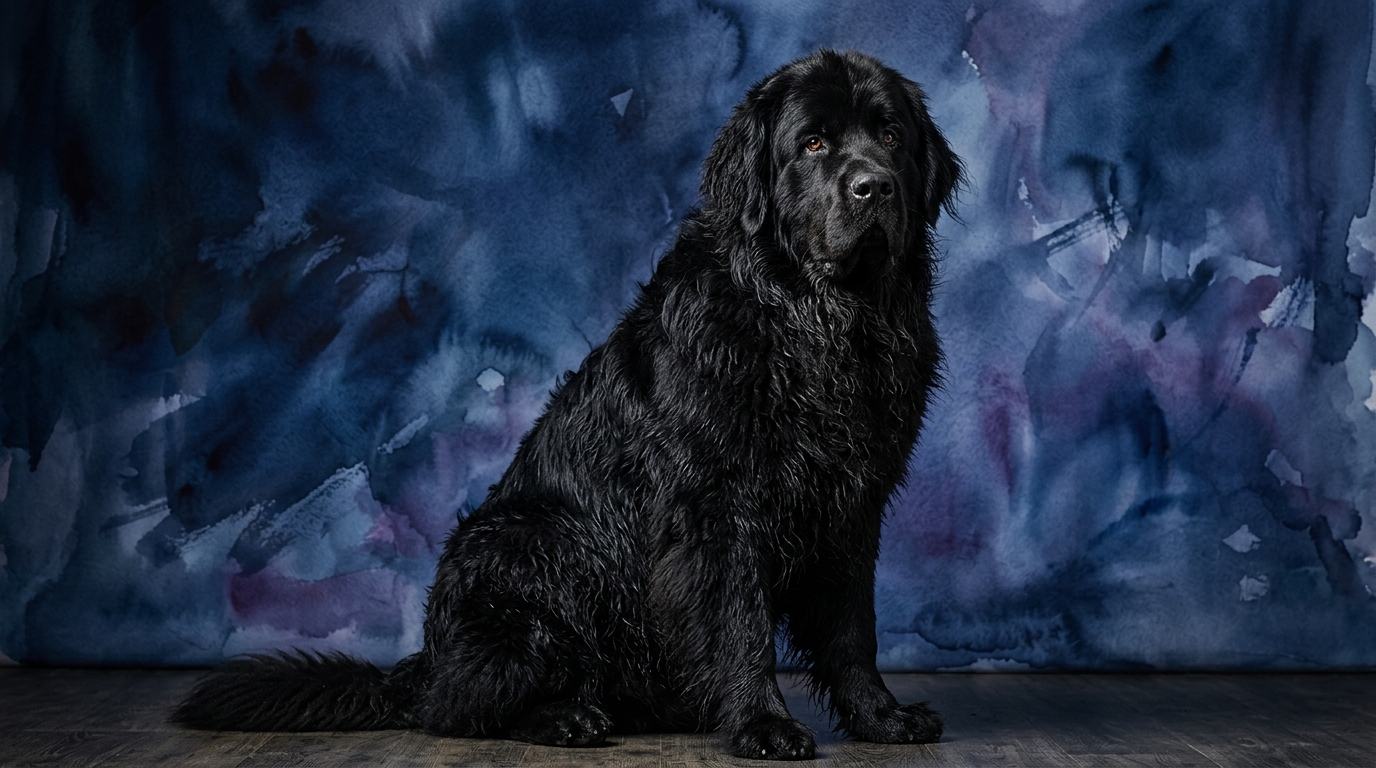
The Newfoundland, a Working breed, is often celebrated for its gentle nature and significant presence. Its Coren rank of #34 places it among breeds that demonstrate a robust capacity for understanding and executing commands. In our IQ framework, the Newfoundland scores a solid 3/5 for problem-solving, indicating a moderate ability to navigate novel situations and figure out solutions independently. Its training speed is an impressive 4/5, suggesting a quick grasp of new commands and routines. Where the Newfoundland truly shines is in social intelligence, earning a perfect 5/5; these dogs are highly attuned to human emotions and social cues. Their instinctive drive, particularly for rescue and guardianship, is also very strong at 5/5. Finally, their memory is rated at 4/5, meaning they retain learned behaviors and experiences effectively over time.
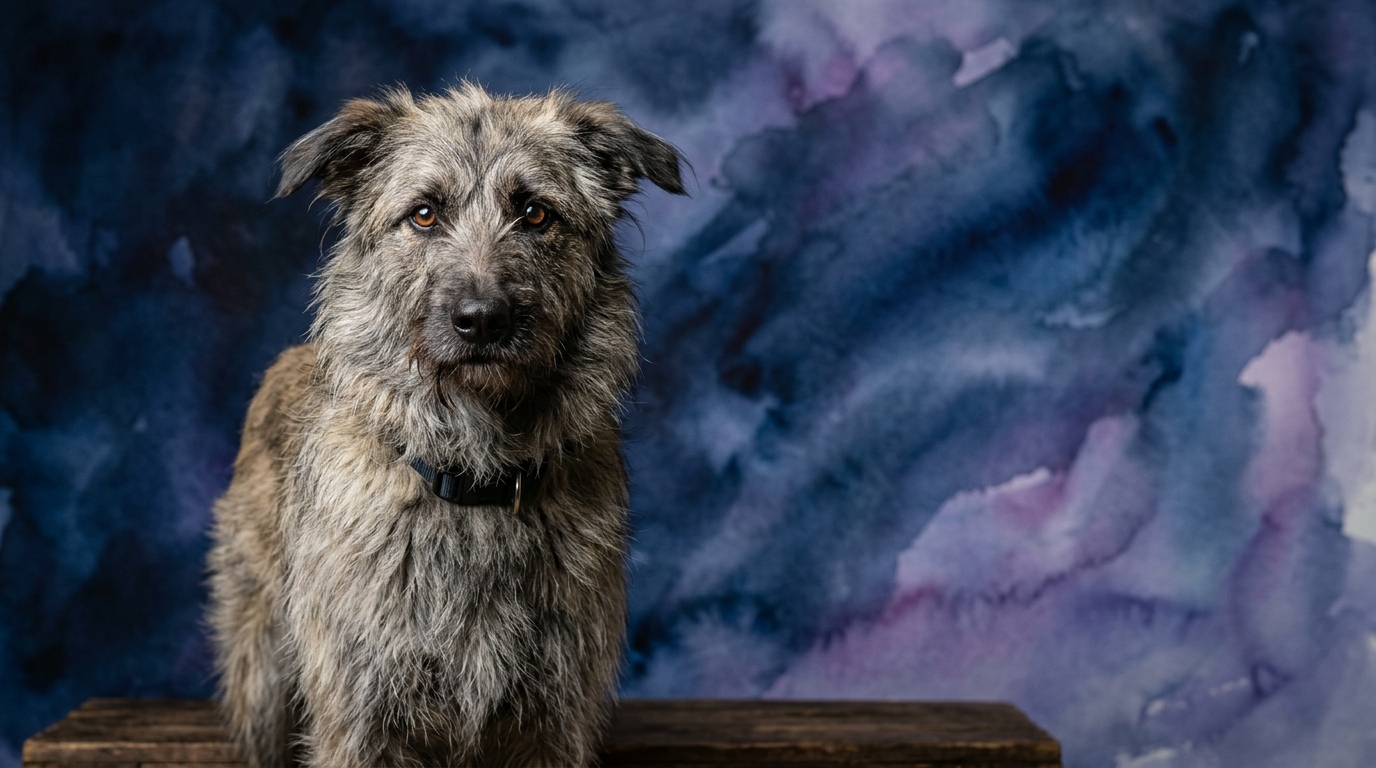
In contrast, the Pyrenean Shepherd, a Herding breed, presents a different cognitive blueprint, reflecting its heritage of independent work with livestock. This breed is not Coren-ranked, yet its intelligence is undeniable within its working context. For problem-solving, the Pyrenean Shepherd scores 3/5, similar to the Newfoundland, but this often manifests as quick, adaptive decisions in dynamic environments. Its training speed is 3/5, indicating an average pace of learning that benefits from consistent and engaging methods. Social intelligence for the Pyrenean Shepherd is 3/5; while deeply bonded to its family, it can be more reserved or less universally effusive than some breeds. Its instinctive drive, predominantly for herding and watchful guardianship, is 3/5, a focused intensity rather than the broad protective drive of the Newfoundland. Memory also scores 3/5, suggesting a reliable, but perhaps not photographic, recall of commands and routines.
Where the Newfoundland Excels Cognitively
The Newfoundland's cognitive strengths are deeply rooted in its history as a water rescue dog and loyal companion. Its exceptional social intelligence (5/5) is perhaps its most defining intellectual trait. These dogs possess a profound capacity for empathy, reading human emotions with remarkable accuracy, and responding with comforting presence. This makes them superb therapy dogs and intuitive family members, capable of sensing distress and offering reassurance without explicit commands. Their ability to integrate seamlessly into complex human family dynamics, understanding unspoken rules and routines, is unparalleled.
Furthermore, the Newfoundland's high instinctive drive (5/5), particularly for rescue and protection, is not merely physical but cognitively driven. It involves a sophisticated understanding of distress signals and an innate desire to intervene. A Newfoundland can often assess a situation, such as a child struggling in water, and initiate a rescue without being prompted, demonstrating a complex blend of instinct, problem-solving, and social awareness. Their strong memory (4/5) further enhances this, allowing them to recall specific training for rescue operations or remember individuals they've encountered, reinforcing their protective instincts and their role within a family unit over time.
Where the Pyrenean Shepherd Shines Cognitively
While its raw scores might not always surpass the Newfoundland's, the Pyrenean Shepherd's cognitive prowess is finely honed for its specific purpose: independent, dynamic herding. Its problem-solving score of 3/5, while numerically matching the Newfoundland, manifests differently. The Pyrenean Shepherd excels at rapid, on-the-spot decision-making in unpredictable environments. When faced with a scattering flock or an unexpected obstacle, this breed can quickly assess the situation and implement a solution without waiting for human instruction, demonstrating a spontaneous, adaptive intelligence crucial for its work.
The Pyrenean Shepherd's instinctive drive (3/5), though scoring lower than the Newfoundland's, is intensely focused on its herding tasks. This isn't a broad, generalized drive, but a highly specialized cognitive program that enables them to anticipate livestock movements, employ strategic positioning, and work with remarkable precision. Their moderate social intelligence (3/5) means they form deep, loyal bonds with their primary handlers, but their independent nature often means they rely more on their own judgment during work, rather than constantly seeking human directives, which is a cognitive advantage in a herding context.
Which is Easier to Train and Why
When considering ease of training, the Newfoundland generally holds an advantage due to its higher training speed (4/5) and exceptional social intelligence (5/5). Newfies are eager to please and possess an innate desire to cooperate with their human companions. Their ability to keenly read human body language and vocal tones means they quickly understand what is being asked of them, making positive reinforcement highly effective. They thrive on praise and connection, which fuels their motivation to learn and perform commands consistently. This strong social bond translates into a dog that is typically more compliant and less prone to independent decision-making during training sessions.
The Pyrenean Shepherd, with a training speed of 3/5 and social intelligence of 3/5, requires a different approach. While capable of learning, they can be more independent thinkers, sometimes prioritizing their own assessment of a situation over immediate compliance. Their herding background instills a certain self-reliance, meaning an owner needs to be consistent, patient, and engaging to keep their focus. Training a Pyrenean Shepherd often benefits from making tasks feel like a collaborative game rather than strict obedience, tapping into their drive and agility. They may not be as inherently motivated by pleasing their owner as a Newfoundland, requiring the trainer to be more creative in establishing motivation and maintaining engagement.
Suited for Active vs. Relaxed Owners
The Newfoundland, despite its large size, often suits a more relaxed household, provided its fundamental exercise needs are met. Its calm demeanor indoors and high social intelligence make it a superb companion for families who value a gentle, present, and empathetic presence. While they require regular walks and benefit immensely from access to water for swimming, their mental stimulation largely comes from interacting with their human family and being an integral part of daily life. Owners who enjoy a serene home environment but are committed to consistent, moderate outdoor activity and grooming will find a Newfoundland a delightful fit.
Conversely, the Pyrenean Shepherd is unequivocally suited for active owners. This breed possesses a robust energy level and a keen cognitive need for purposeful activity. Their herding instincts and agile build demand outlets for both physical exertion and mental stimulation. Owners who enjoy activities like hiking, running, dog sports (agility, flyball, herding trials), or sustained, engaging training sessions will find a Pyrenean Shepherd thrives. They are not content to be couch potatoes; their intelligence and drive require consistent engagement to prevent boredom and potential behavioral issues. An owner who can channel their Pyrenean Shepherd's focused energy into productive tasks will be rewarded with a devoted and dynamic partner.
The Verdict
Choose a Newfoundland if you seek a deeply empathetic, calm, and socially intuitive companion who will integrate seamlessly into family life and enjoys a steady, loving routine.
Opt for a Pyrenean Shepherd if you are an active individual or family seeking an agile, independent, and highly driven partner for sports, outdoor adventures, and engaging mental challenges.
🧠 Find Your Pet's IQ Score
Our Pet IQ Lab assessment covers 25+ tests across 5 cognitive dimensions — personalized to your breed.
Take the Full IQ Test →Frequently Asked Questions
Do Newfoundlands really rescue people?
Yes, Newfoundlands have a powerful instinctive drive (5/5) for water rescue, rooted in their breed history. They are known to instinctively respond to individuals in distress, often without specific training, demonstrating their strong protective and empathetic nature.
Are Pyrenean Shepherds good with children?
Pyrenean Shepherds can be good with children, especially if raised with them and socialized early. However, their herding instincts (3/5) might lead them to 'herd' children, so supervision and teaching appropriate interactions are important to ensure a harmonious relationship.
Which breed requires more grooming?
The Newfoundland generally requires more extensive grooming due to its thick, dense double coat, which needs regular brushing to prevent matting and manage shedding. The Pyrenean Shepherd's coat can vary, but typically requires less intensive grooming than the Newfoundland's.