Side-by-Side IQ Profile: Newfoundland vs. Shih Tzu
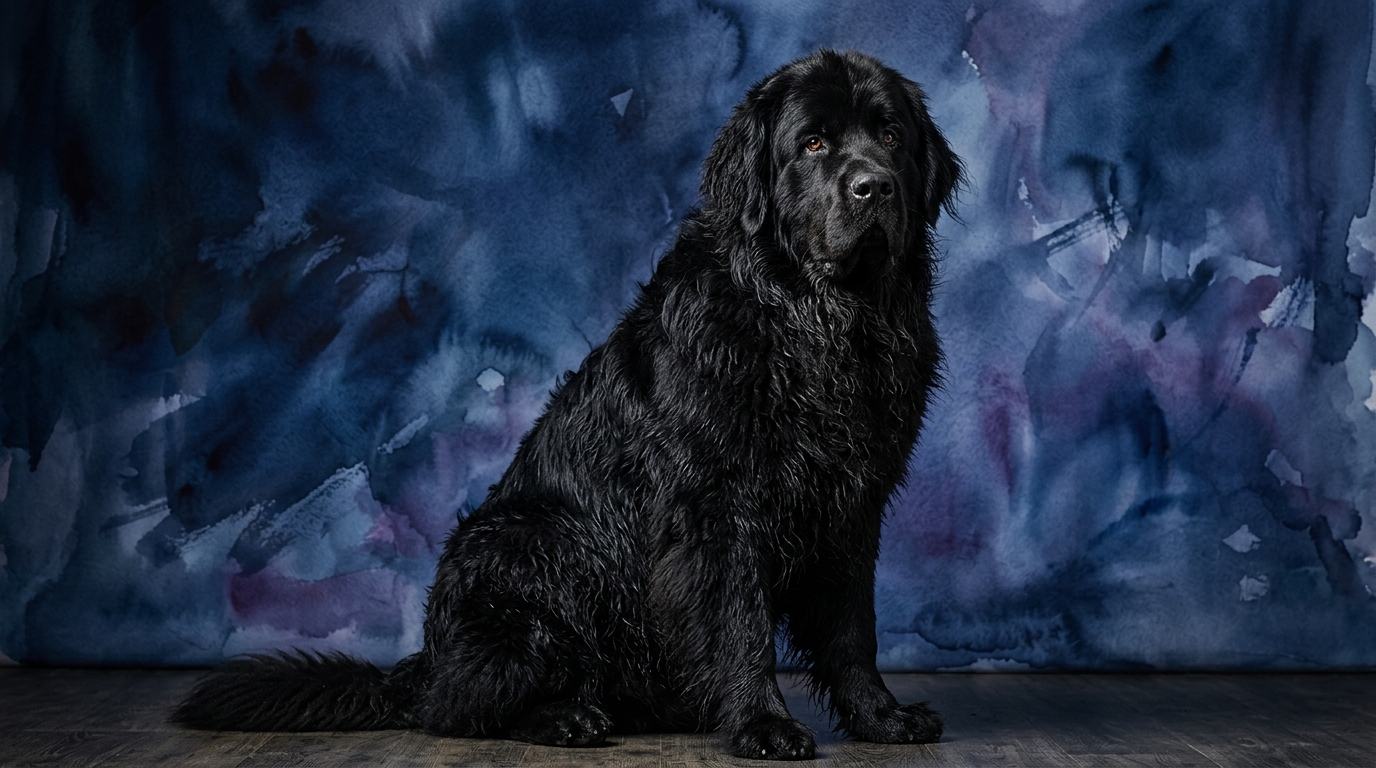
The Newfoundland, a powerful working dog, presents a cognitive blueprint tailored for demanding tasks and strong social connections. Its Problem Solving score of 3/5 suggests a moderate capacity for navigating novel situations and figuring out solutions independently. The breed excels in Training Speed with a 4/5 rating, indicating a strong willingness and ability to learn and retain commands efficiently. Social Intelligence is a standout at 5/5, reflecting an exceptional capacity for understanding and responding to human cues and building deep bonds. Its Instinctive Drive, also 5/5, highlights a powerful innate inclination towards its historical roles, particularly water rescue. Memory, rated 4/5, underpins its ability to recall complex sequences and experiences.
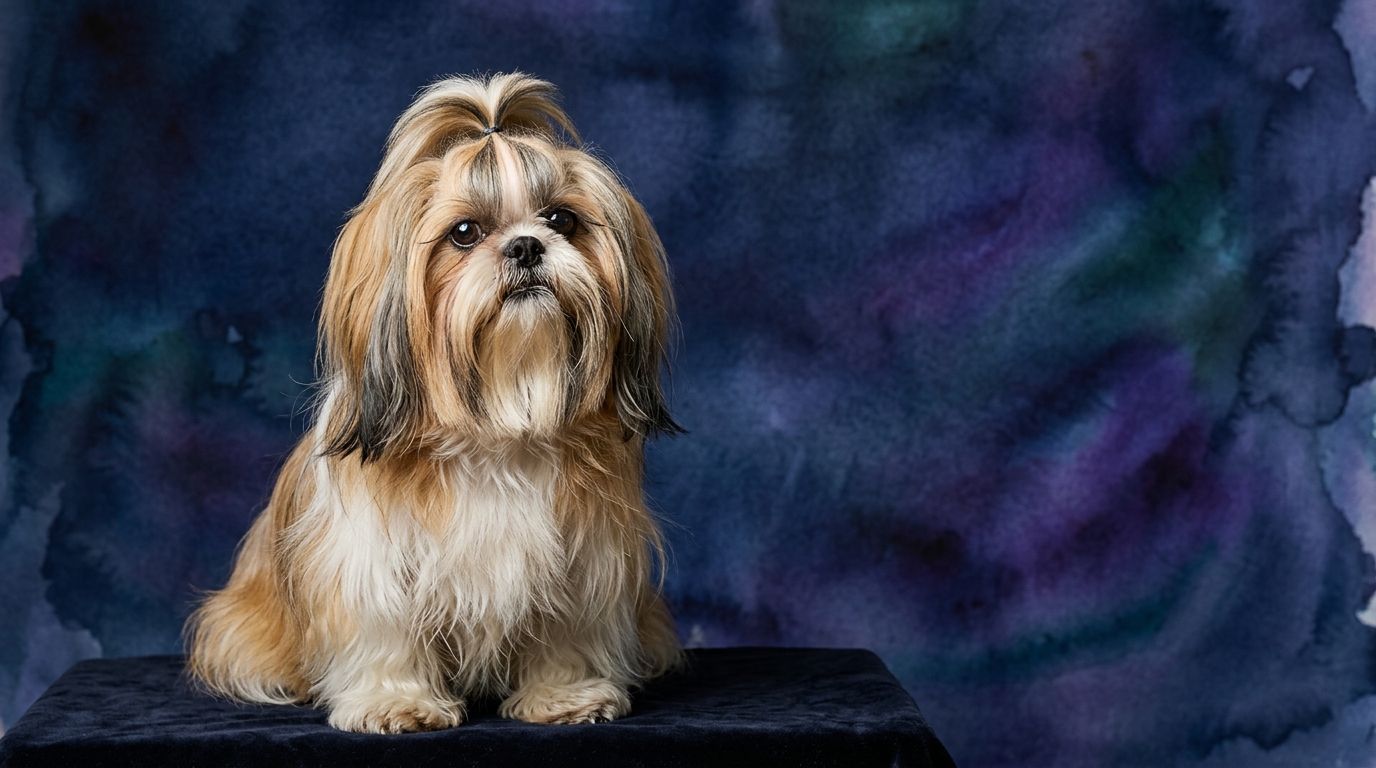
In contrast, the Shih Tzu, a breed historically bred for companionship, exhibits a cognitive profile optimized for close human interaction rather than demanding labor. It shares a Problem Solving score of 3/5 with the Newfoundland, demonstrating a similar moderate ability to tackle new challenges. However, its Training Speed is a more modest 2/5, suggesting that learning new commands might require more patience and repetition. Like the Newfoundland, the Shih Tzu boasts a perfect 5/5 in Social Intelligence, emphasizing its profound connection to human companions and sensitivity to their emotional states. Its Instinctive Drive is rated 2/5, reflecting a lower inclination towards traditional working tasks and a greater focus on comfort and leisure. Memory is rated 3/5, indicating a respectable ability to recall routines and familiar faces.
Where the Newfoundland Wins Cognitively
The Newfoundland's cognitive strengths are particularly evident in areas demanding physical and mental engagement, reflecting its heritage as a working dog. Its superior Training Speed (4/5 versus Shih Tzu's 2/5) means it typically grasps and retains new commands and routines with greater efficiency. This isn't merely about obedience; it speaks to a higher capacity for sequential learning and a stronger drive to please through task completion. This breed's formidable Instinctive Drive (5/5 versus Shih Tzu's 2/5) is a significant cognitive advantage, manifesting as an innate desire to perform tasks, especially those involving water or vigilance. This deep-seated drive means a Newfoundland often finds inherent satisfaction in structured activities and responsibilities, making it a more self-motivated participant in complex training or assistance roles.
Furthermore, the Newfoundland's memory score of 4/5 (compared to the Shih Tzu's 3/5) allows it to build upon past experiences more effectively, remembering intricate routes, extended command sequences, or even the specific needs of individuals it’s tasked with aiding. While both breeds share a high Social Intelligence, the Newfoundland's combined cognitive toolkit—high drive, rapid training acquisition, and robust memory—allows it to apply its social understanding to more complex cooperative tasks, such as search and rescue or therapy work, where nuanced human-animal interaction is critical to achieving a specific goal.
Where the Shih Tzu Wins Cognitively
While the Shih Tzu's cognitive profile differs significantly from the Newfoundland's, it possesses distinct strengths that make it an unparalleled companion. Its perfect 5/5 Social Intelligence is where it truly shines, matching the Newfoundland. This isn't just about being friendly; it's a deep cognitive capacity to read human emotions, respond to subtle social cues, and form incredibly strong, empathetic bonds. This high social intelligence makes the Shih Tzu exceptionally adept at providing emotional support and companionship, often anticipating the needs for comfort or interaction without explicit commands. Their entire cognitive framework appears geared towards maximizing harmonious coexistence with humans, making them masters of the 'lap dog' art.
The Shih Tzu's Problem Solving score of 3/5, identical to the Newfoundland's, is a surprising cognitive victory for a toy breed. This indicates a respectable capacity to navigate their immediate environment, figure out how to get attention, or solve simple puzzles to access a treat. While their Instinctive Drive is lower, this can be a cognitive 'win' for owners seeking a pet with minimal urges to herd, hunt, or guard, allowing their high social intelligence to be the dominant cognitive force. Their moderate memory (3/5) is perfectly adequate for remembering routines, favorite people, and pleasant interactions, reinforcing their role as a devoted and consistent companion within a home setting.
Which is Easier to Train and Why
When it comes to ease of training, the Newfoundland generally presents a more straightforward experience due to its higher Training Speed (4/5) and strong Instinctive Drive (5/5). These cognitive traits mean Newfoundlands are often eager to learn, respond quickly to positive reinforcement, and find satisfaction in performing tasks. Their inherent desire to work cooperatively with humans, combined with a robust memory, allows them to master complex commands and multi-step routines with relative ease. For example, teaching a Newfoundland to retrieve specific items or perform intricate agility sequences often progresses rapidly because their cognitive make-up aligns with task-oriented learning and a desire for purpose.
The Shih Tzu, with a Training Speed of 2/5 and lower Instinctive Drive (2/5), presents a different training challenge. While certainly capable of learning, their motivation is less about performing a job and more about personal comfort and social interaction. Training a Shih Tzu often requires more patience, consistency, and a keen understanding of what truly motivates them – typically high-value treats, lavish praise, and playful interaction. Their independent streak, a byproduct of their companion-focused evolution, means they might not always see the immediate 'point' of a command if it doesn't directly lead to something they desire, making training more about negotiation than sheer compliance. Potty training, for instance, can be a longer process as their drive for immediate gratification might override the desire to follow a strict routine.
Which Suits Active Owners vs. Relaxed Owners
The Newfoundland's cognitive profile makes it an ideal match for active owners who relish engaging with their dog in purposeful activities. Their high Instinctive Drive (5/5) means they thrive when given a 'job,' whether it's participating in water sports, pulling a cart, or engaging in advanced obedience. Owners who enjoy long hikes, swimming, or even competitive dog sports will find the Newfoundland's cognitive and physical aptitude a perfect fit. Their robust memory (4/5) and quick training speed mean they can learn and execute complex tasks required for these activities, making them excellent partners for adventurous and hands-on individuals. They appreciate mental stimulation that goes beyond simple play, seeking to understand and contribute.
Conversely, the Shih Tzu is perfectly suited for more relaxed owners who prioritize companionship and indoor comfort. Their exceptional Social Intelligence (5/5) means their primary 'purpose' is to be a devoted, affectionate presence. Owners who enjoy quiet evenings, gentle strolls, and plenty of lap time will find the Shih Tzu's cognitive focus on human interaction deeply rewarding. While they possess a moderate problem-solving ability, their lower instinctive drive means they are less inclined to seek out strenuous activities or complex mental challenges, preferring instead to be a warm, engaging presence by their owner's side. Their moderate memory is perfectly adequate for remembering the daily routines of a calm, consistent home.
The Verdict
Choose the Newfoundland if you are an active, task-oriented owner seeking a highly trainable, driven companion for complex activities and deep cooperative bonds.
Choose the Shih Tzu if you are a relaxed owner seeking a devoted, socially intelligent companion whose primary purpose is to offer unwavering affection and gentle presence.
🧠 Find Your Pet's IQ Score
Our Pet IQ Lab assessment covers 25+ tests across 5 cognitive dimensions — personalized to your breed.
Take the Full IQ Test →Frequently Asked Questions
Do Newfoundlands and Shih Tzus have similar problem-solving abilities?
Interestingly, both breeds share a Problem Solving score of 3/5. This indicates that despite their vast differences in size and purpose, both the Newfoundland and the Shih Tzu possess a moderate capacity to figure out solutions to novel situations or navigate their environment effectively.
Which breed is more socially intelligent?
Both the Newfoundland and the Shih Tzu receive a perfect 5/5 for Social Intelligence. This means both breeds are exceptionally adept at understanding human cues, forming strong bonds, and responding empathetically to their owners' emotions, making them highly attuned companions.
How does instinctive drive impact these breeds?
Instinctive drive varies significantly: Newfoundland scores 5/5, reflecting a strong innate desire for working tasks like water rescue. Shih Tzu scores 2/5, indicating a lower drive for traditional 'jobs' and a greater focus on companionship, which shapes their daily behaviors and preferences.