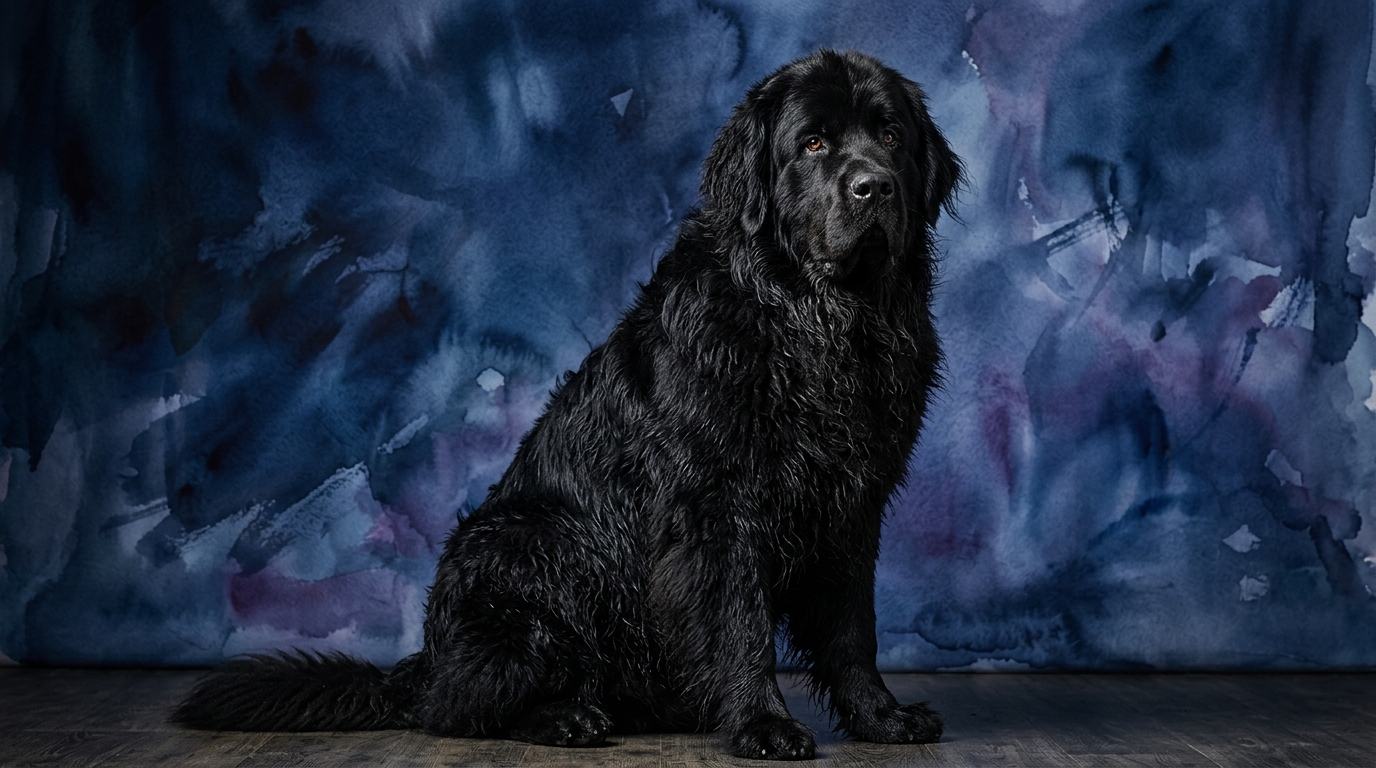
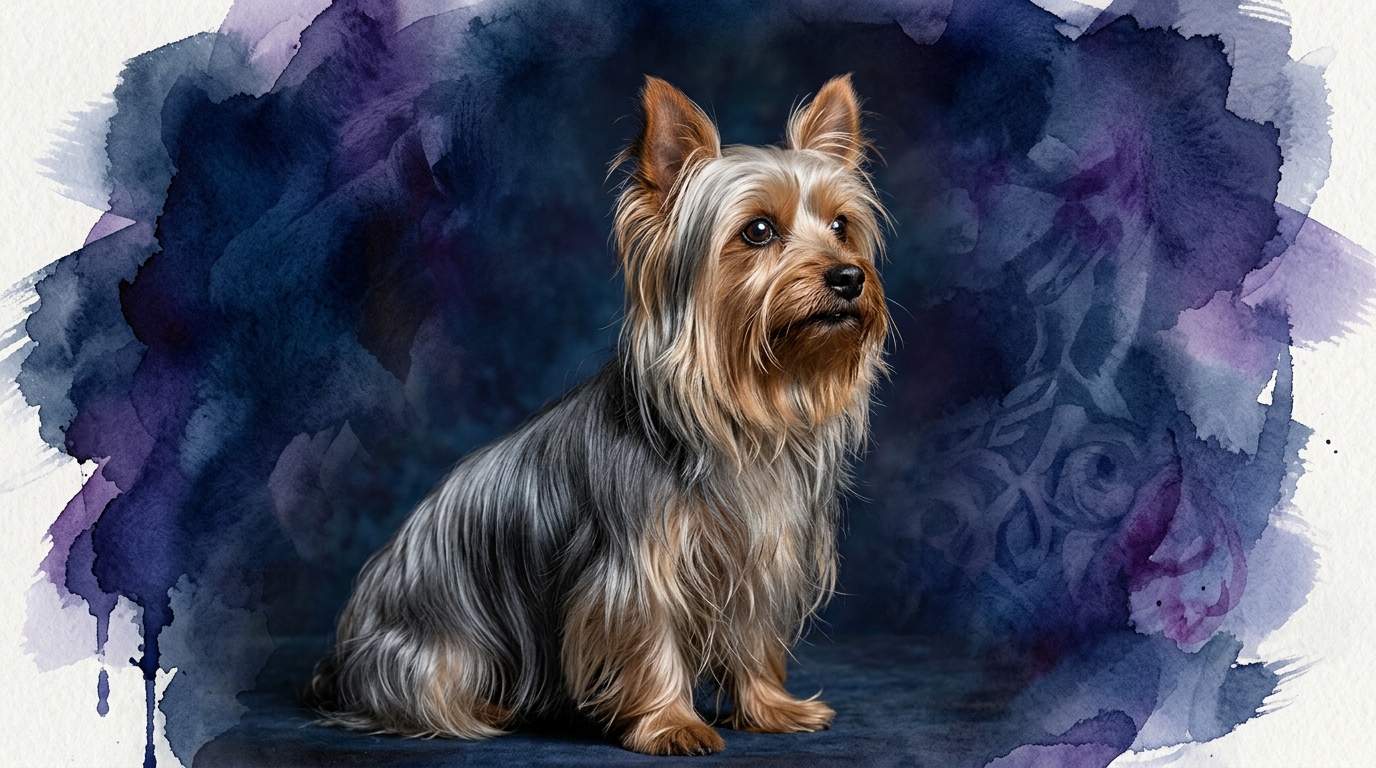
Side-by-Side IQ Profile: Newfoundland vs. Silky Terrier
Our Cosmic Pet Pet IQ Lab employs five key dimensions to evaluate canine intelligence, offering a nuanced view beyond simple obedience. For the Newfoundland, a breed ranked #34 by Coren, its Problem Solving score of 3/5 indicates a capacity for navigating complex situations, perhaps more geared towards environmental challenges or assisting humans rather than abstract puzzles. Its Training Speed of 4/5 suggests a relatively quick grasp of new commands and routines, eager to please and to understand expectations. An exceptional Social Intelligence score of 5/5 highlights an ability to interpret human cues, understand social hierarchies, and display profound empathy, making them highly attuned companions. A 5/5 Instinctive Drive points to powerful, innate behaviors, particularly water rescue and guardianship, which are deeply ingrained and readily expressed. Finally, a Memory score of 4/5 signifies a strong retention of learned behaviors, faces, and experiences, contributing to their reliability and steadfast nature.
The Silky Terrier, while not Coren-ranked, presents a distinct cognitive blueprint. Its Problem Solving score of 3/5 indicates an ability to figure out immediate challenges, often related to navigating their environment, finding hidden objects, or outsmarting small prey. A Training Speed of 3/5 suggests a moderate pace for learning new commands, often requiring consistent, engaging methods to maintain focus and motivation. Social Intelligence at 3/5 implies a reasonable capacity for understanding human interactions, though perhaps more focused on their immediate family unit rather than broader social dynamics. Instinctive Drive, also at 3/5, reflects a moderate expression of innate behaviors, such as a terrier's typical prey drive and alert barking, which are present but might be less overwhelming than in more specialized working breeds. A Memory score of 3/5 indicates a solid ability to recall past experiences and learned behaviors, ensuring they retain their training and recognize familiar people and places.
Where the Newfoundland Wins Cognitively
The Newfoundland's cognitive strengths truly shine in areas demanding profound empathy, collaborative learning, and robust innate behaviors. Their superior Social Intelligence (5/5) means they are profoundly attuned to human emotions and intentions, often anticipating needs or reacting with comforting presence, a trait invaluable in therapy or service roles. This deep social awareness, combined with a 4/5 Training Speed, allows them to absorb complex commands and multi-step tasks with impressive efficiency, especially when the training fosters a partnership. They excel at understanding subtle cues and responding appropriately in social contexts, making them exceptionally responsive family members.
Furthermore, their 5/5 Instinctive Drive for water rescue is not merely a physical aptitude but a cognitive one, involving an innate understanding of distress signals and a hardwired impulse to aid, demonstrating a sophisticated form of situational problem-solving under pressure. Their 4/5 Memory supports this by allowing them to reliably recall intricate procedures and maintain consistent performance over time, making them dependable partners in demanding environments. This blend of social acumen, quick learning, and powerful, purposeful instincts positions the Newfoundland as a cognitive powerhouse for roles requiring collaboration and compassionate action.
Where the Silky Terrier Wins Cognitively
While the Silky Terrier doesn't boast higher scores in any single category compared to the Newfoundland, its cognitive profile represents a concentrated efficiency perfectly suited to its smaller stature and original purpose. Their 3/5 Problem Solving, for instance, often manifests as tenacious resourcefulness in navigating tight spaces or outwitting small prey, a different kind of challenge than a Newfoundland's. This is a practical, immediate problem-solving skill, not necessarily for abstract puzzles but for environmental mastery relevant to its size and heritage.
This tenacity, fueled by a 3/5 Instinctive Drive for hunting and vigilance, means they apply their cognitive faculties with a persistent focus on tasks relevant to their terrier heritage, such as alerting to perceived threats or solving puzzles involving dexterity. Their 3/5 Social Intelligence, while not as broad as a Newfoundland's, is often intensely focused on their primary human companions, leading to a profound, if selective, bond. This focused social connection can make them exceptionally responsive to their chosen family, demonstrating a keen perception of their specific household dynamics. In essence, the Silky Terrier's cognitive strengths lie in its concentrated application of its moderate intelligence to its niche, delivering alert companionship and spirited determination in a compact package.
Which is Easier to Train and Why
When evaluating ease of training, the Newfoundland generally presents a more straightforward path for most owners due to its cognitive architecture. Their 4/5 Training Speed, coupled with an exceptional 5/5 Social Intelligence, means Newfoundlands are typically eager to please and highly receptive to human direction. They inherently seek to understand what is expected of them and respond well to positive reinforcement, often picking up new commands quickly and performing them reliably. Their strong 5/5 Instinctive Drive, particularly for partnership and purpose, means they thrive when given a job to do and find satisfaction in cooperation, making them naturally inclined to follow leadership and integrate seamlessly into family routines.
The Silky Terrier, with its 3/5 scores across Training Speed, Social Intelligence, and Instinctive Drive, presents a different training dynamic. While certainly capable of learning, they often require more patience, creativity, and consistency. Their terrier heritage imbues them with a degree of independence and a strong will, meaning they might question commands or pursue their own interests if not adequately motivated. Training a Silky often involves shorter, engaging sessions to maintain their focus, and a keen understanding of their individual motivations to overcome potential stubbornness. Their problem-solving might be applied to figuring out how to get *their* way rather than simply complying, which can be an enjoyable challenge for an experienced owner but potentially frustrating for a novice. Therefore, while both breeds can achieve a high level of training, the Newfoundland's inherent cooperativeness and social attunement typically make the process feel smoother and more intuitive.
Which Suits Active Owners vs. Relaxed Owners
The choice between a Newfoundland and a Silky Terrier also hinges significantly on an owner's lifestyle regarding activity and interaction. A Newfoundland, despite its gentle giants reputation, is best suited for owners who are "active" in a purposeful, collaborative sense, not necessarily in terms of high-impact sports. Their 5/5 Instinctive Drive and 5/5 Social Intelligence mean they thrive on having a role within the family, engaging in activities like swimming, carting, or simply being a constant, comforting presence during outdoor excursions. They require consistent mental stimulation and physical exercise that aligns with their working breed heritage, often preferring long walks, supervised water play, and ample family interaction over intense, high-speed activities. Their need for companionship and purposeful engagement means a relaxed owner who provides minimal interaction or leaves them alone for extended periods would not meet their deep cognitive and emotional requirements.
Conversely, the Silky Terrier, while energetic for its size, aligns better with owners who appreciate focused bursts of activity and a more independent, albeit devoted, companion. Their 3/5 Instinctive Drive and 3/5 Social Intelligence suggest they need regular walks and playtime, but their exercise requirements are more manageable than a Newfoundland's. They are perfectly content with vigorous games of fetch in a secure yard, brisk daily walks, and mental challenges like puzzle toys. While they are affectionate, their social needs are often met within a smaller, consistent family circle, and they may be more adaptable to an owner with a slightly more relaxed schedule, provided their fundamental needs for attention and exercise are met. They are not dogs to be ignored, but their scale of needs fits a different definition of "active" owner—one who enjoys focused engagement rather than broad, collaborative endeavors.
The Verdict
Choose a Newfoundland if you seek a deeply empathetic, cooperative companion eager for purposeful engagement and capable of complex learning within a family-centric, active lifestyle that values gentle giants.
Opt for a Silky Terrier if you desire a tenacious, alert, and spirited companion that thrives on focused interaction and moderate activity, fitting seamlessly into a household appreciating a compact, devoted presence.
🧠 Find Your Pet's IQ Score
Our Pet IQ Lab assessment covers 25+ tests across 5 cognitive dimensions — personalized to your breed.
Take the Full IQ Test →Frequently Asked Questions
Does the Newfoundland's large size affect its cognitive abilities?
While physical size doesn't directly dictate intellect, the Newfoundland's large body and working breed history have shaped its cognitive profile towards tasks requiring strength, endurance, and profound social cooperation, rather than agility or independent problem-solving in small spaces. Its intelligence is geared towards its purpose.
Are Silky Terriers harder to train because they are not Coren-ranked?
The absence of a Coren rank doesn't mean Silky Terriers are untrainable; rather, it suggests they may require more varied and persistent training approaches compared to breeds with higher cooperative intelligence. Their independent terrier spirit means they learn well with engaging, positive reinforcement and clear boundaries.
Which breed is better for a first-time dog owner?
For a first-time owner, the Newfoundland's inherent social intelligence and eagerness to please often make training and integration smoother, provided the owner can manage its size and exercise needs. A Silky Terrier's independent streak might be more challenging for a novice, requiring more experience in consistent leadership and motivation.