Side-by-Side IQ Profile: Newfoundland vs. Staffordshire Bull Terrier
At The Cosmic Pet Pet IQ Lab, we evaluate canine intelligence across five key dimensions. Here’s how the Newfoundland and Staffordshire Bull Terrier measure up, offering insight into their unique mental landscapes.
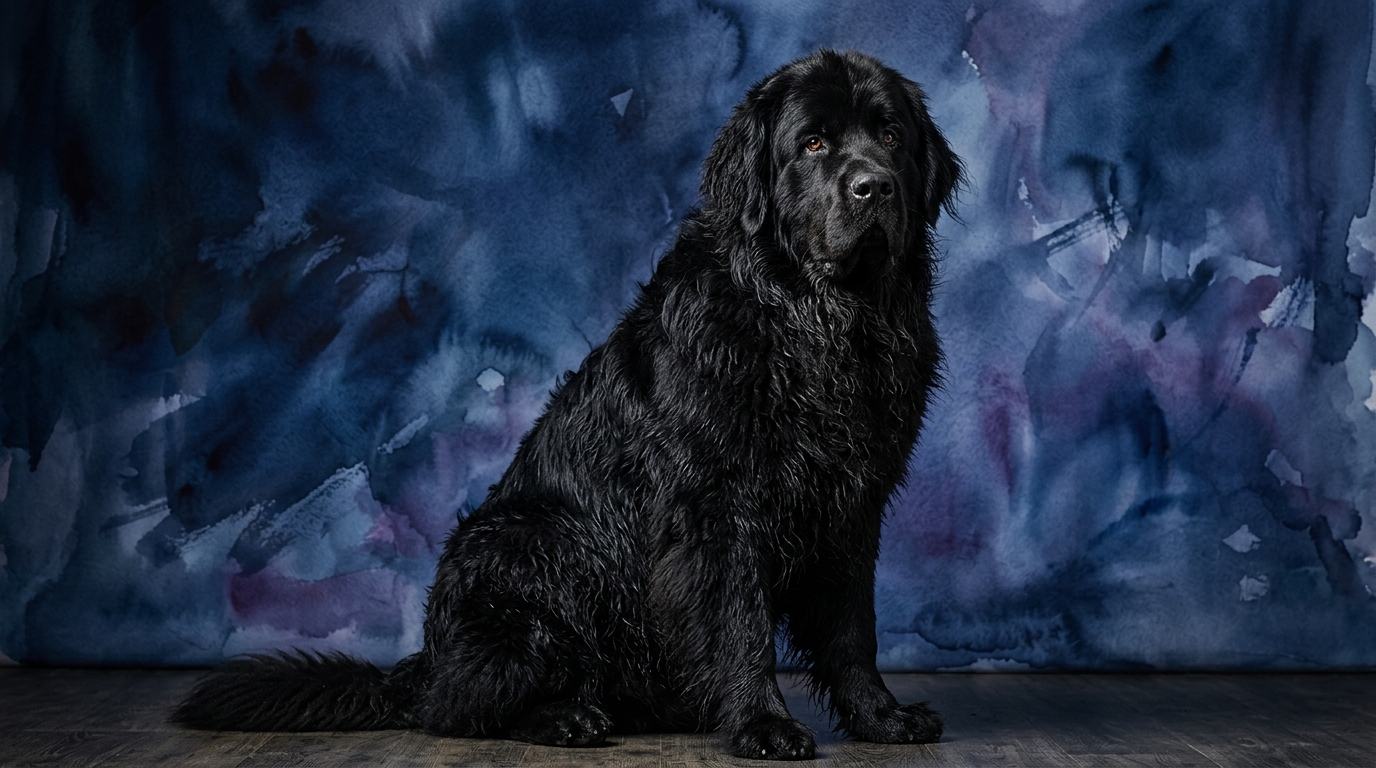
The Newfoundland, a member of the Working Group and Coren-ranked #34, presents a cognitive profile geared towards service and companionship:
Problem Solving (3/5): Newfoundlands show a moderate capacity for practical problem-solving, methodically navigating environmental challenges or figuring out simple mechanisms, often driven by a desire to assist their humans.
Training Speed (4/5): These dogs typically learn new commands and routines quickly, benefiting from their desire to please and calm disposition, which makes them highly receptive to instruction and reduces repetition needs.
Social Intelligence (5/5): A breed hallmark, their social intelligence is exceptional. They are acutely sensitive to human emotions, communicate subtly, and form deep, empathetic bonds, excelling at comfort and cooperative family integration.
Instinctive Drive (5/5): Rooted in water rescue, their powerful instinctive drive manifests as a profound, consistent urge to 'save' or protect, often attempting to pull people from water or herd family members.
Memory (4/5): Newfoundlands possess a robust memory, retaining learned commands, routines, and experiences over extended periods, contributing to their reliability and consistency in behavior.
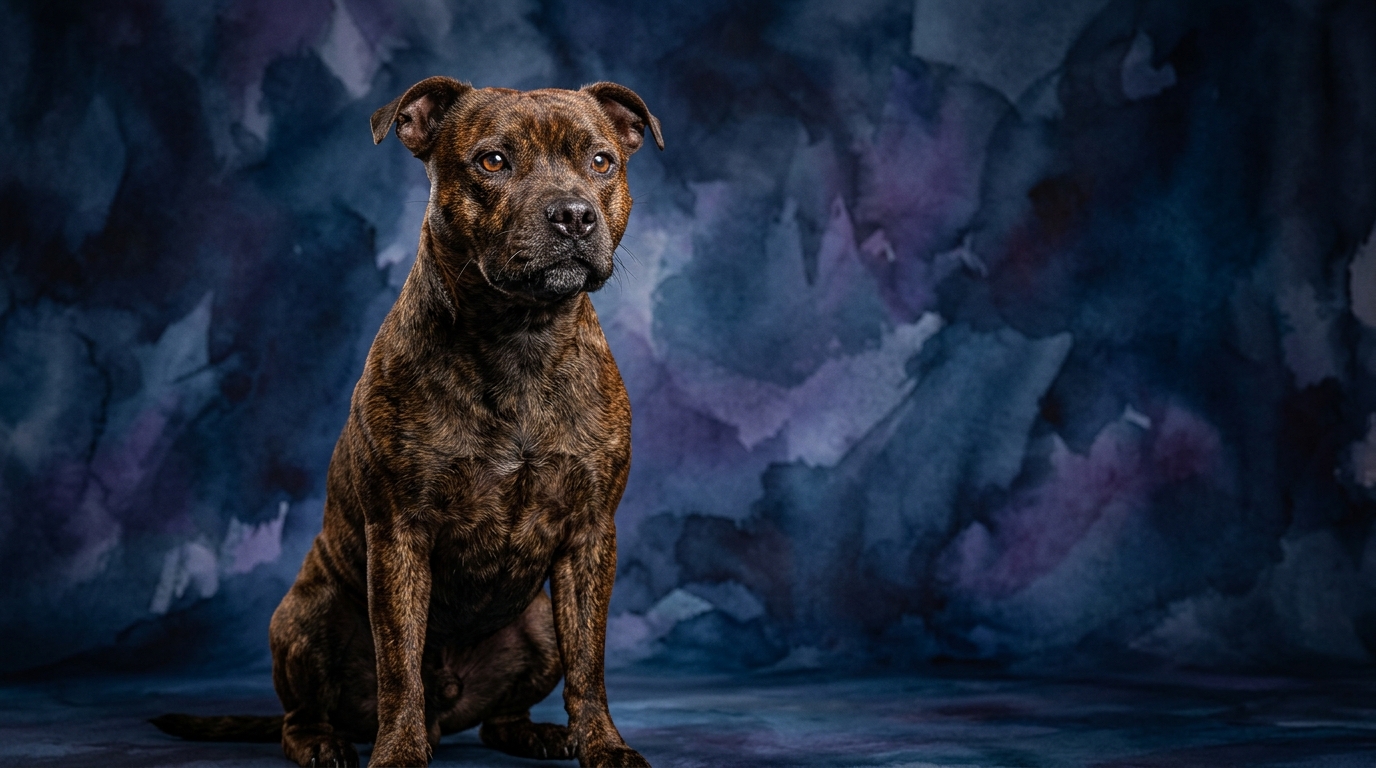
The Staffordshire Bull Terrier, a member of the Terrier Group and not Coren-ranked, showcases a different set of cognitive strengths, reflecting its tenacious heritage:
Problem Solving (3/5): Staffies exhibit moderate problem-solving, approaching challenges with determination and direct action, often using physical prowess and persistence to access items or navigate simple obstacles.
Training Speed (3/5): Staffies learn at a moderate pace. Effective training benefits from varied methods, positive reinforcement, and patience, as their independent spirit requires engaging repetition for new behaviors to solidify.
Social Intelligence (3/5): Known for deep affection within their human family, Staffies show moderate social intelligence, reading familiar cues but potentially being less universally empathetic or outwardly communicative with strangers.
Instinctive Drive (3/5): Their terrier heritage shapes this drive: strong prey drive, persistence, and physical robustness. It manifests in enthusiasm for vigorous play, digging, and focused attention on physically engaging tasks.
Memory (3/5): Staffies demonstrate a functional memory for commands, routines, and experiences, reliably remembering training and family, though perhaps without the same depth for complex sequences as higher-scoring breeds.
Where the Newfoundland Wins Cognitively
The Newfoundland distinguishes itself in areas of nuanced social understanding and altruistic drive. Its perfect 5/5 in Social Intelligence signifies an unparalleled capacity to interpret human emotions, respond empathetically, and seamlessly integrate into a family's social fabric. This cognitive ability extends beyond mere friendliness, enabling deep perception and reaction to subtle human cues, making them natural therapy companions.
Furthermore, their 5/5 Instinctive Drive, particularly the 'saving' instinct, represents a specialized cognitive programming for demanding roles. This isn't simple instinct but a complex, innate sequence of behaviors triggered by specific environmental cues, demonstrating a sophisticated, hardwired problem-solving algorithm for crisis situations. Their superior Training Speed (4/5) and Memory (4/5) also provide an advantage in acquiring and retaining complex behaviors efficiently, making them highly adaptable to structured learning.
Where the Staffordshire Bull Terrier Wins Cognitively
While the Newfoundland excels in social and service cognition, the Staffordshire Bull Terrier's cognitive strengths lie in its tenacity, adaptability, and focused resilience, especially when facing challenges requiring persistent effort. Though its Problem Solving score equals the Newfoundland's at 3/5, the Staffie often approaches these with a distinctive terrier determination.
This involves a relentless, iterative approach to overcoming obstacles, whether securing a favorite toy or mastering a trick through sheer will. Their moderate Instinctive Drive (3/5), while not overtly 'heroic,' channels into powerful, focused engagement with their environment and play. This translates to unwavering focus during interactive games or specific training tasks appealing to their prey drive and physical prowess. Their cognitive resilience allows them to maintain enthusiasm and bounce back from setbacks, a valuable trait for a companion thriving on active participation.
Which is Easier to Train and Why
Based on metrics, the Newfoundland is generally easier to train. With a Training Speed score of 4/5, compared to the Staffie's 3/5, Newfoundlands grasp commands faster due to their inherent desire to please and lower distractibility, enhancing receptiveness in structured learning. A Newfoundland's strong Social Intelligence (5/5) further aids this; their deep understanding of human cues means they are more attuned to trainer intentions and feedback, facilitating smoother communication.
In contrast, while Staffies are trainable and eager to engage, their moderate Training Speed and independent terrier spirit often demand more creative, varied, and persistent training to maintain focus. Their problem-solving might lead to finding ways around rules if not consistently reinforced, unlike a Newfoundland's propensity to adhere to boundaries.
Which Suits Active Owners vs. Relaxed Owners
The choice between these breeds hinges on an owner's lifestyle and engagement expectations. The Newfoundland, with its profound Instinctive Drive (5/5) for 'saving' and substantial physical presence, thrives with owners providing outlets for its desire to work and serve. This involves consistent, purposeful engagement—water work, carting, or being a constant, gentle presence in a family valuing its empathetic social intelligence. A relaxed owner appreciating a calm, devoted companion, yet understanding significant mental and physical fulfillment needs, will find a Newfoundland rewarding. They require substantial cognitive and physical engagement, though not necessarily high-impact activity.
The Staffordshire Bull Terrier, with its moderate but focused Instinctive Drive (3/5) and tenacious problem-solving, suits active owners enjoying consistent, interactive play that channels its energy and determination. While not requiring vast spaces, a Staffie thrives on regular walks, vigorous games, agility, or obedience training challenging both body and mind. Owners prepared for a dog that engages enthusiastically and needs consistent mental stimulation to prevent boredom will find a Staffie a loyal, engaging companion. A truly 'relaxed' owner seeking a very low-maintenance dog might find the Staffie's drive for interaction more demanding.
The Verdict
Opt for a Newfoundland if you seek a deeply empathetic, gentle giant with an innate desire to serve and protect, capable of rapid learning and profound social connection within a stable, loving home.
Select a Staffordshire Bull Terrier if you appreciate a resilient, tenacious companion that thrives on active engagement and focused interaction, and you are prepared to channel its determined spirit into consistent training and play.
🧠 Find Your Pet's IQ Score
Our Pet IQ Lab assessment covers 25+ tests across 5 cognitive dimensions — personalized to your breed.
Take the Full IQ Test →Frequently Asked Questions
Do Newfoundlands make good family dogs?
Yes, their exceptional Social Intelligence (5/5) ensures they form deep, empathetic bonds, are incredibly patient with children, and naturally integrate into the family as gentle, protective companions.
Are Staffordshire Bull Terriers good with other pets?
Staffies can coexist peacefully with other pets, especially if socialized early. Their moderate Instinctive Drive (3/5) and potential prey drive mean careful introductions and supervision are often necessary, particularly with smaller animals.
Which breed requires more mental stimulation?
Both benefit from mental engagement. Newfoundlands, with higher Training Speed and Social Intelligence, thrive on cooperative tasks and problem-solving with humans. Staffies, with their tenacity, benefit from interactive games and puzzles challenging their persistence and focus.