Side-by-Side IQ Profile
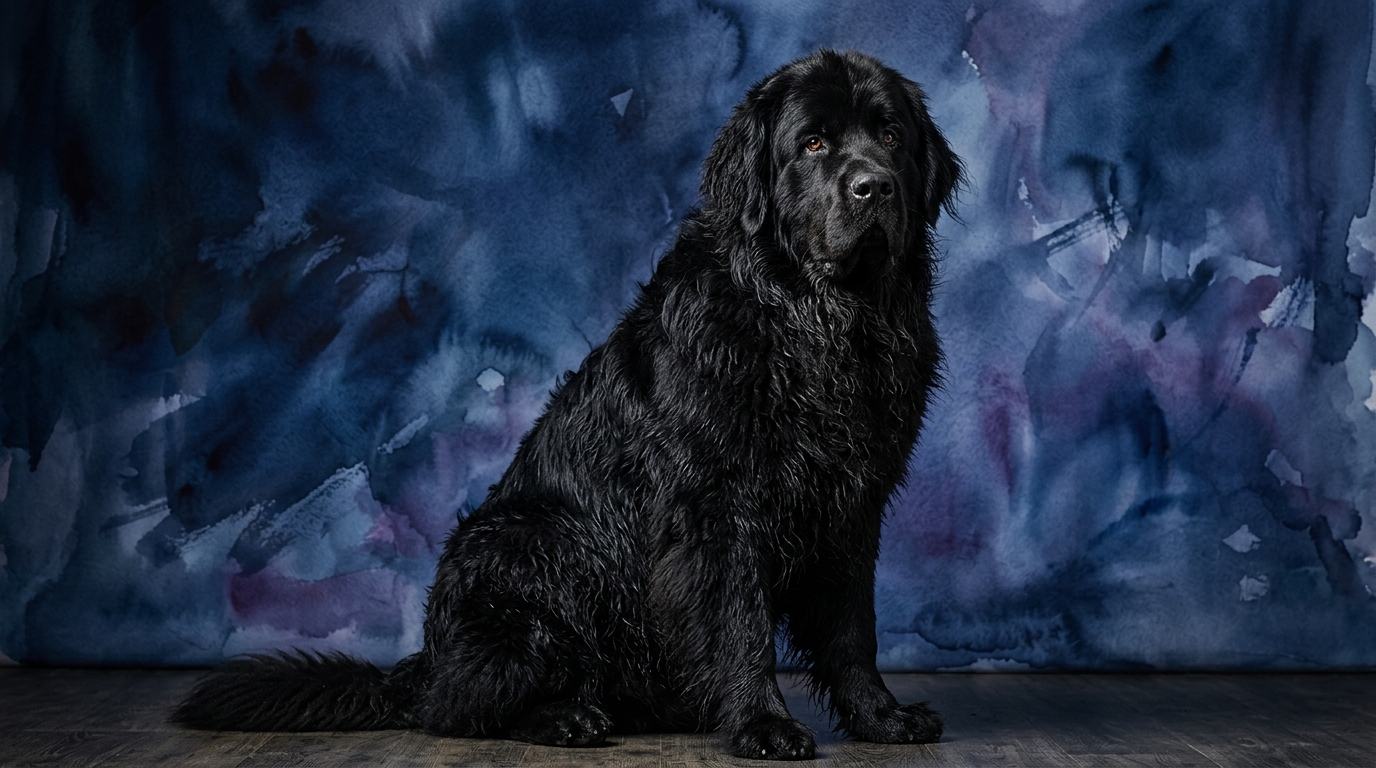
Newfoundland:
Problem Solving (3/5): Not the most innovative, Newfoundlands solve tasks, especially water rescue or retrieving, relying on strength and dedication. Their approach is often methodical.
Training Speed (4/5): These gentle giants respond well to consistent, positive reinforcement. Eagerness to please and calm demeanor contribute to a relatively swift learning curve for obedience and specialized tasks.
Social Intelligence (5/5): Newfoundlands excel at understanding human cues and emotions. They form deep bonds, display strong empathy, and are adept at harmonious family interactions, often anticipating needs.
Instinctive Drive (5/5): Their historical role as water rescue dogs is deeply ingrained. This manifests as a powerful drive to assist, retrieve, and protect, with a natural affinity for water and family protection.
Memory (4/5): Newfoundlands possess solid memory for commands, routines, and experiences, retaining learned behaviors over long periods and recalling specific people or places.
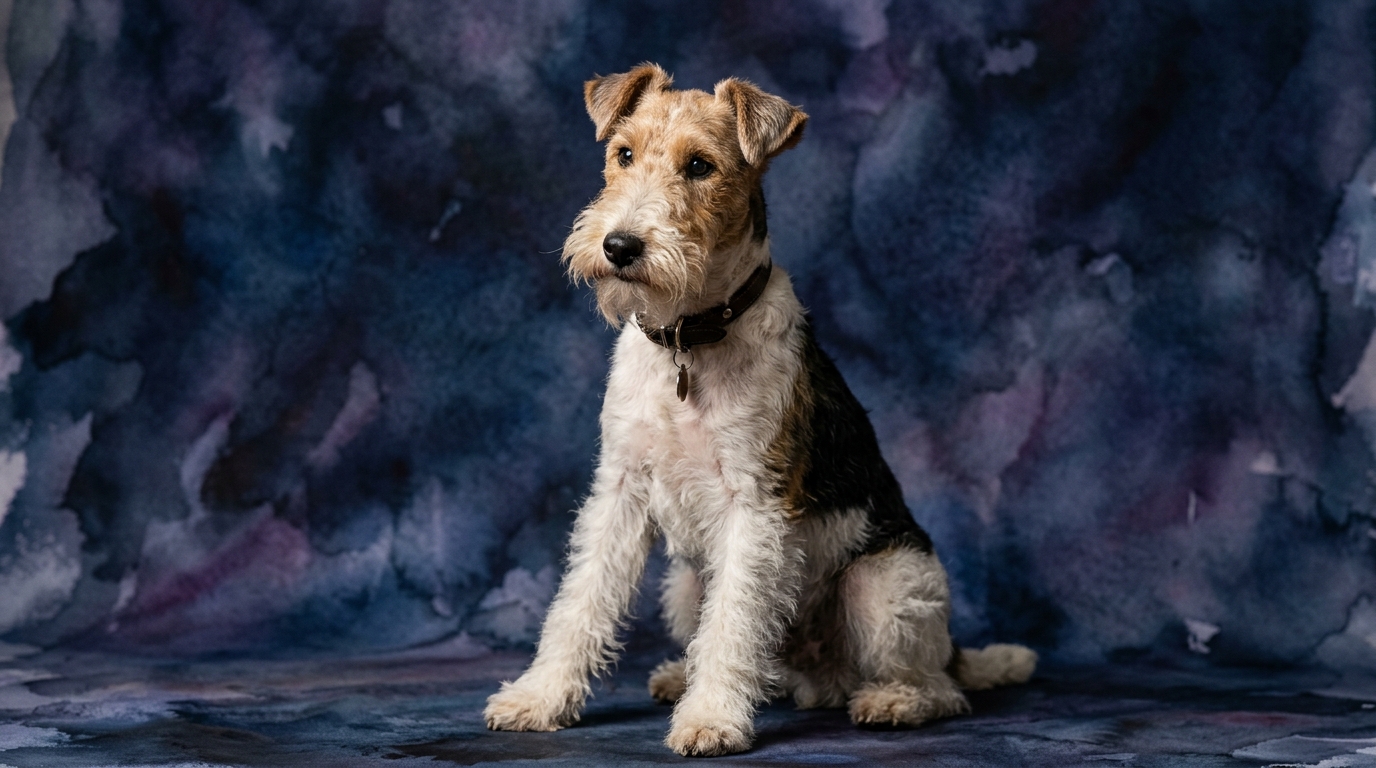
Wire Fox Terrier:
Problem Solving (3/5): Wire Fox Terriers show specific problem-solving for their terrier heritage. They are adept at figuring out how to get to prey, navigate tight spaces, or outsmart obstacles with tenacity.
Training Speed (3/5): Training a Wire Fox Terrier requires patience and consistency. While capable, their independent and sometimes stubborn nature means longer learning times, as they prefer to think for themselves.
Social Intelligence (3/5): Generally sociable but with an independent streak, they engage on their own terms, showing affection but also a strong sense of self, sometimes perceived as less overtly people-focused.
Instinctive Drive (3/5): Their drive is primarily rooted in hunting – a strong urge to chase, dig, and explore. This instinct can be powerful, directing focus towards environmental stimuli like small animals over human direction.
Memory (3/5): Wire Fox Terriers have functional memory for learned tasks. However, their independent nature and strong environmental focus can make it seem they forget commands if a more exciting stimulus is present.
Where Newfoundland Wins Cognitively
The Newfoundland's cognitive strengths shine in cooperation, emotional attunement, and sustained effort. Their unparalleled social intelligence (5/5) offers exceptional capacity to read and respond to human emotions, making them profoundly empathetic. This manifests as offering comfort without prompting or adjusting behavior based on mood. Their training speed (4/5), combined with social awareness, means they learn quickly and genuinely *want* to comply, deriving satisfaction from partnership. Furthermore, their 5/5 instinctive drive is a deeply ingrained impulse for helpfulness and rescue. This isn't just about swimming; it's a cognitive framework prioritizing assisting and protecting, making them reliable in situations requiring a calm, steady presence and clear purpose. Their memory (4/5) reinforces this, retaining complex actions and routines crucial for working roles, from rescue protocols to home layouts.
Where Wire Fox Terrier Wins Cognitively
While overall scores appear lower, the Wire Fox Terrier demonstrates distinct cognitive advantages within its specific domain. Their problem-solving (3/5) is acutely honed for quick thinking and determination in pursuit of goals, often involving scent work or navigating tight spaces. This is about individualistic, persistent ingenuity – figuring out how to access a hidden toy or outmaneuver an obstacle. Their instinctive drive (3/5) is a powerful force of curiosity and prey drive, making them exceptionally alert and highly motivated by exploration. This translates into a dog constantly engaged with its environment, assessing and reacting. While training speed (3/5) might be slower for traditional obedience, their cognitive style excels in activities tapping natural instincts, like earthdog trials or agility, where quick reflexes and independent decision-making are assets. Their memory (3/5), while not as broad, is efficient for retaining strategies and sensory cues needed for their active, investigative lifestyle.
Which Is Easier to Train and Why
The Newfoundland presents an easier training experience due to its superior social intelligence (5/5) and faster training speed (4/5). Newfoundlands inherently seek to please, making them highly receptive to cues and eager to cooperate. Their calm temperament allows focused learning sessions, and empathy means they respond well to positive reinforcement, quickly forming associations. They are less prone to distraction when engaged with their handler. In contrast, the Wire Fox Terrier, with 3/5 for both training speed and social intelligence, requires a more experienced, patient approach. Their independent nature and strong instinctive drive (3/5) mean they are often more interested in exploring or following a scent than performing a sit-stay. Training a Wire Fox Terrier involves making learning a game, utilizing their prey drive, and maintaining consistency to overcome self-direction and occasional stubbornness. While capable, their motivation is more internally driven than people-pleasing, demanding creative, engaging methods.
Which Suits Active Owners vs Relaxed Owners
For the relaxed owner seeking a calm, emotionally responsive companion, the Newfoundland is the clear choice. Their high social intelligence and strong, purposeful instinctive drive (5/5 for both) translate into a dog thriving on being a gentle family member. While requiring regular exercise, it's often steady walks or swimming, not frantic activity. Their relaxed demeanor and strong memory (4/5) for routines mean they adapt well to a predictable, comfortable home life. Conversely, the Wire Fox Terrier is perfectly suited for active owners who relish engaging with a spirited, independent, and agile dog. Their strong instinctive drive (3/5) for hunting and exploration, combined with problem-solving skills (3/5) for environmental interaction, means they need significant mental and physical stimulation. They thrive on activities like long hikes, agility, or engaging puzzle toys. A relaxed owner might find the Wire Fox Terrier's boundless energy and independent streak overwhelming, as they require consistent outlets for sharp minds and active bodies.
The Verdict
Choose a Newfoundland if you seek a deeply empathetic, cooperative, and gentle companion excelling in social interactions and purposeful, steady work. Their eagerness to please and calm demeanor make them ideal for families desiring a devoted, easily trainable presence.
Choose a Wire Fox Terrier if you are an active, experienced owner who appreciates an independent, spirited, and clever canine partner. They thrive with consistent mental and physical challenges, offering lively companionship for those who can channel their keen instincts and quick wit.
🧠 Find Your Pet's IQ Score
Our Pet IQ Lab assessment covers 25+ tests across 5 cognitive dimensions — personalized to your breed.
Take the Full IQ Test →Frequently Asked Questions
Are Newfoundlands good with children?
Yes, Newfoundlands generally possess exceptional social intelligence and a gentle temperament, making them wonderful with children. Their calm and patient nature, combined with inherent protective instincts, allows them to interact harmoniously and safely with younger family members, often acting as "nanny dogs."
Do Wire Fox Terriers need a lot of exercise?
Absolutely. Wire Fox Terriers are high-energy dogs with a strong instinctive drive and a need for mental stimulation. They require daily vigorous exercise, such as long walks, runs, or active play sessions, to prevent boredom and destructive behaviors.
How do their grooming needs compare?
Newfoundlands have a thick double coat requiring significant regular grooming, including brushing several times a week to prevent mats and manage shedding. Wire Fox Terriers have a wiry coat requiring less frequent brushing but often benefits from professional hand-stripping a few times a year to maintain its texture and color.