Unpacking Their Minds: A Cognitive Profile Comparison
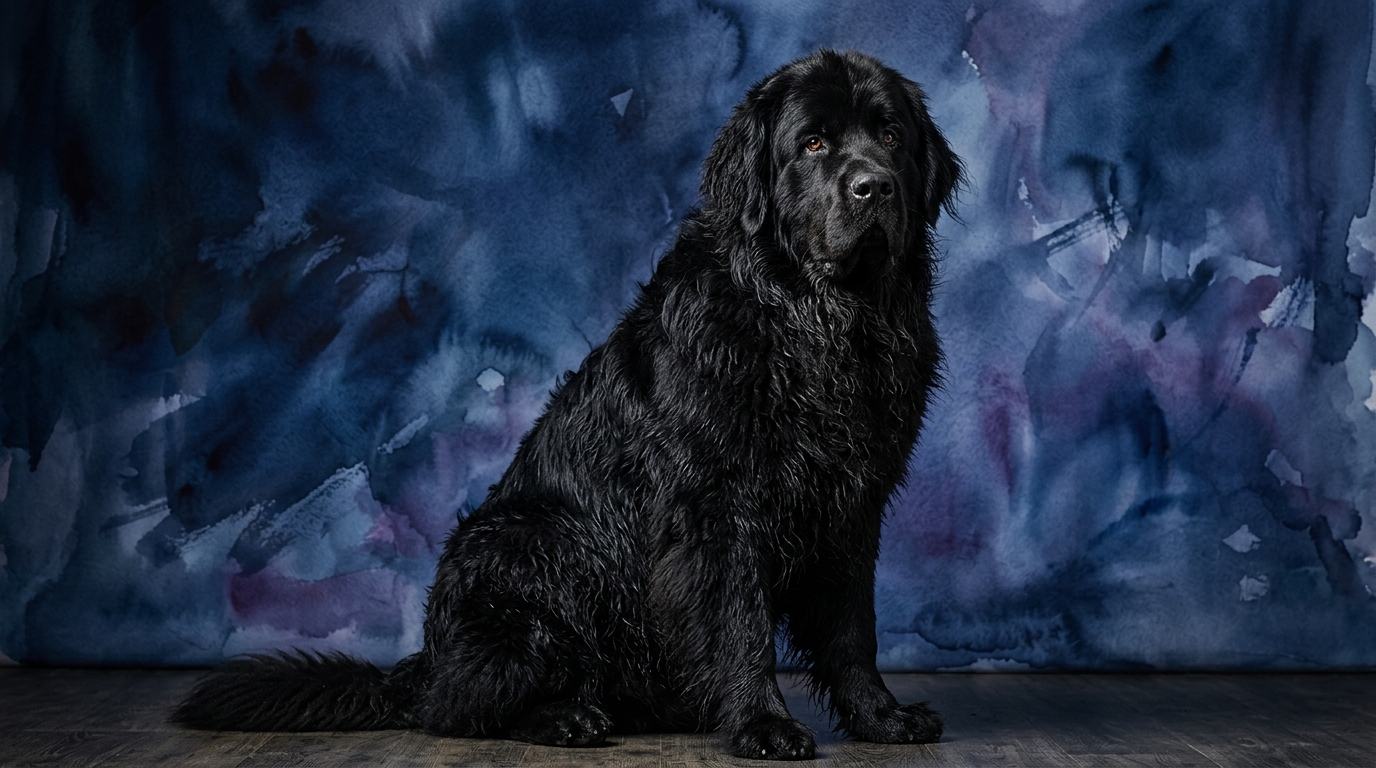
The Newfoundland, ranked #34 by Coren, presents a cognitive profile built for companionship and rescue. Their Problem Solving is rated 3/5, indicating practical intelligence focused on immediate environmental challenges rather than abstract puzzles. Training Speed is 4/5, reflecting an eagerness to please and responsiveness to direction, especially when tasks align with their helpful nature. Social Intelligence shines at 5/5, showcasing an exceptional capacity to understand and respond to human emotions and cues. An Instinctive Drive of 5/5 underscores their powerful, inherent desire to aid and protect, particularly in water. Their Memory, at 4/5, allows them to retain complex commands and routines, crucial for their historical working roles.
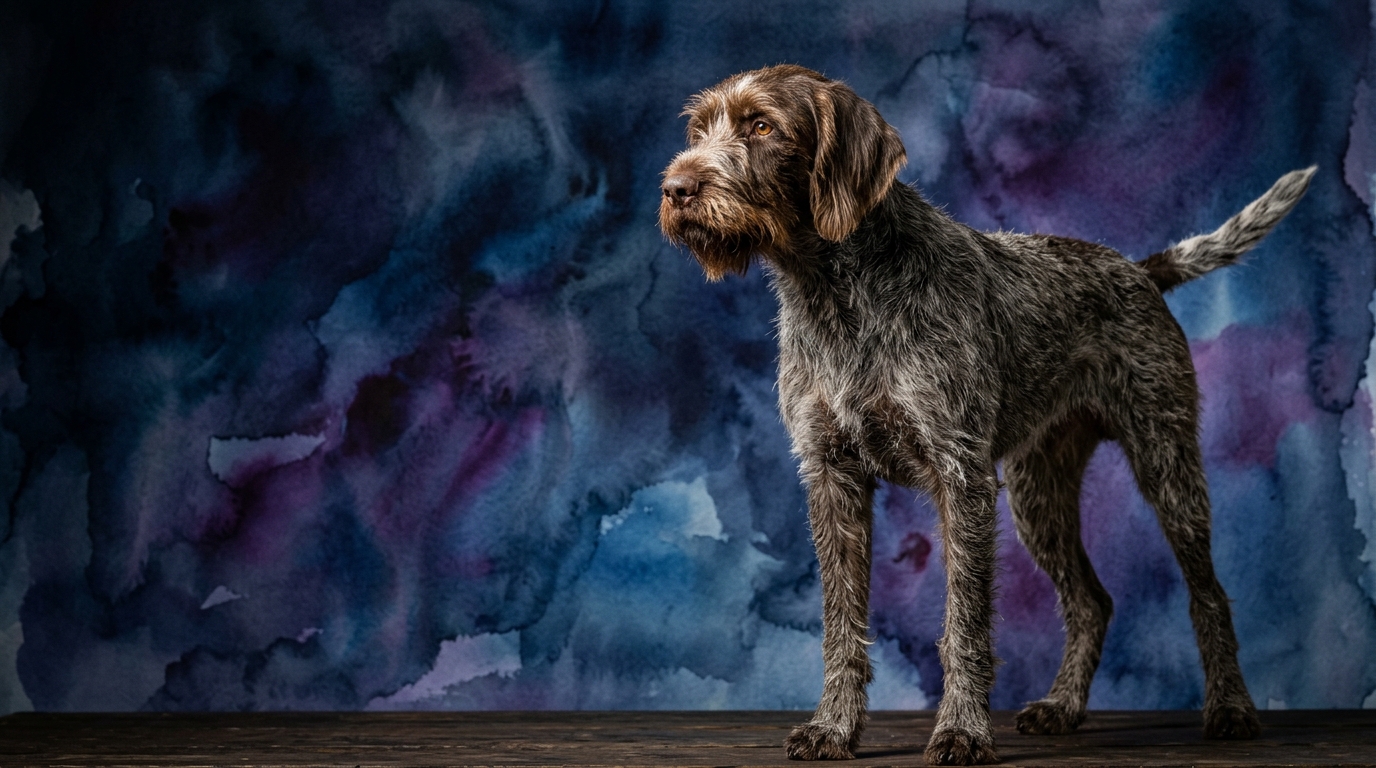
The Wirehaired Pointing Griffon (WPG), not Coren-ranked, possesses a specialized intelligence refined for field work. Their Problem Solving, at 3/5, is highly task-oriented, focusing on navigating complex terrains and locating game rather than independent, human-centric puzzles. Training Speed is 3/5, suggesting a steady learning pace that benefits from consistent, engaging methods tailored to their working drive. Social Intelligence stands at 3/5, indicating a strong bond and attentiveness to their handler, essential for coordinated hunting, but perhaps less generalized emotional empathy than the Newfoundland. An Instinctive Drive of 3/5 reflects their focused prey drive for pointing and retrieving. Their Memory, also 3/5, is particularly adept at recalling specific hunting patterns, scent trails, and field signals.
Newfoundland's Cognitive Edge: Empathy and Purpose
The Newfoundland's most prominent cognitive advantage lies in its exceptional Social Intelligence (5/5). This isn't merely being friendly; it's an unparalleled ability to read subtle human emotional states, anticipate needs, and offer comfort proactively. This deep empathetic capacity allows them to forge profound bonds, making them intuitive therapy animals and incredibly sensitive family companions. They often demonstrate a profound understanding of human distress, responding with gentle nudges or a comforting presence, a cognitive skill that goes beyond simple learned behaviors.
Furthermore, their robust Instinctive Drive (5/5) is not simply a raw impulse but a powerful, cognitively-guided desire to assist and protect, notably in water rescue. This drive is coupled with a practical Problem Solving (3/5) that enables them to assess dangerous situations and act decisively, often without direct command. Their quicker Training Speed (4/5) is intrinsically linked to their eagerness to please and their strong social connection, making them highly responsive to guidance when tasks resonate with their inherent helpfulness and desire to be part of their human family's activities.
Wirehaired Pointing Griffon's Sharp Focus: The Hunter's Mind
The Wirehaired Pointing Griffon's cognitive strengths are precisely honed for their sporting purpose, making them excel in specific areas where the Newfoundland's generalist intelligence might differ. Their Problem Solving (3/5) is highly specialized for hunting scenarios, involving complex scent discrimination, navigating varied terrain, and devising strategies to locate and retrieve game. This isn't about solving abstract puzzles; it's about practical, real-world application in a dynamic outdoor environment, requiring swift, independent decisions based on sensory input and learned patterns.
Their Instinctive Drive (3/5) is a finely tuned engine for pointing and retrieving, requiring a sustained focus and determination that is crucial in the field. This drive, combined with a specialized Memory (3/5), allows them to recall intricate details of hunting grounds, game behavior, and handler signals, forming a cohesive mental map for efficient work. While their Social Intelligence (3/5) might not match the Newfoundland's broad empathy, it is acutely focused on interpreting handler cues with precision and working in tandem, fostering a highly collaborative partnership during their shared outdoor pursuits.
Training Trajectories: Easing into Learning
When it comes to ease of training, the Newfoundland (Training Speed 4/5) generally presents a more straightforward experience for most owners. Their exceptional social intelligence and inherent desire to please their human companions mean they are highly receptive to positive reinforcement and bond quickly, making them eager learners for basic obedience and household manners. Their strong instinctive drive to be helpful often translates into a willingness to cooperate, as they thrive on being an integrated and contributing member of the family unit. This inherent eagerness reduces the repetition needed and fosters a smoother training progression, even for novice dog owners.
In contrast, the Wirehaired Pointing Griffon (Training Speed 3/5) typically requires a more patient, consistent, and engaging training approach. Their strong, independent hunting instincts mean they can be more easily distracted by environmental stimuli like scents or movement, demanding a trainer who understands and can channel these drives productively. While intelligent, their learning curve might involve more repetitions, and training needs to be stimulating, often incorporating elements of their natural prey drive through scent work or retrieving games. Their social intelligence, while strong with their handler, is geared towards a working partnership, meaning motivation might need to be tied more directly to task satisfaction rather than universal eagerness to please.
Lifestyle Alignment: Matching Minds to Owners
For owners seeking a calm, empathetic presence, the Newfoundland aligns beautifully with a relaxed to moderately active lifestyle. Despite their size, their energy levels are generally lower than many sporting breeds, and their exceptional social intelligence means they are content with companionship, gentle walks, and being a central part of family life. They thrive on human interaction and offer a steady, comforting presence, making them ideal for individuals or families who appreciate a devoted, gentle companion for quiet evenings and leisurely outdoor excursions, including swimming.
Conversely, the Wirehaired Pointing Griffon demands an active, engaged owner who can fulfill their pronounced need for mental and physical stimulation. Their strong instinctive drive and problem-solving abilities, honed for the field, mean they are happiest when given a 'job' to do, whether it's hunting, hiking, or participating in dog sports like agility or scent work. They are best suited for individuals or families who lead an adventurous outdoor lifestyle and are prepared to provide daily, vigorous exercise and consistent mental challenges that tap into their keen senses and working dog heritage.
The Verdict
Choose the Newfoundland if you seek a highly empathetic, gentle, and devoted companion who thrives on social connection and offers calm, unwavering loyalty, excelling as a family or therapy dog.
Opt for the Wirehaired Pointing Griffon if you're an active, outdoors-oriented individual or family desiring a focused, task-driven partner for hunting, hiking, and engaging in mentally stimulating activities.
🧠 Find Your Pet's IQ Score
Our Pet IQ Lab assessment covers 25+ tests across 5 cognitive dimensions — personalized to your breed.
Take the Full IQ Test →Frequently Asked Questions
Are Newfoundlands good with children?
Yes, Newfoundlands are renowned for their exceptional social intelligence and gentle nature, making them excellent family dogs. They often display remarkable patience and protective instincts towards children, becoming watchful, affectionate guardians.
Do Wirehaired Pointing Griffons shed a lot?
Wirehaired Pointing Griffons have a dense double coat that sheds minimally, especially with regular brushing and hand stripping. This makes them a relatively low-shedding breed, a benefit for those concerned about dog hair.
What kind of mental stimulation do these breeds need?
Newfoundlands thrive on social interaction, gentle problem-solving toys, and tasks involving their protective instincts, like 'fetching' specific items. WPGs need scent work, retrieving games, and ample opportunities to explore with their keen senses, ideally in varied outdoor environments.