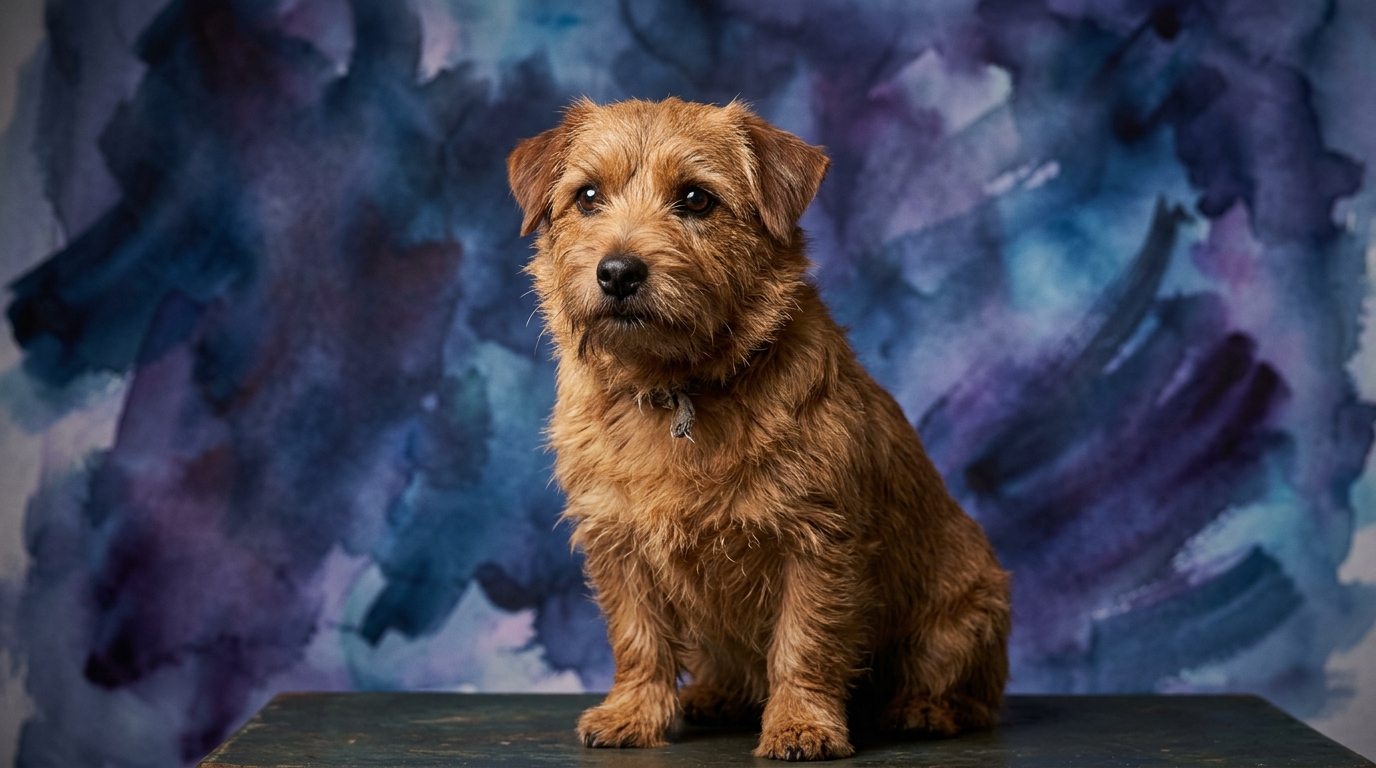

Side-by-Side Cognitive Profiles: Decoding Identical Scores
At first glance, the IQ profiles of the Norfolk Terrier and the Basset Hound appear to tell the same story: both score a consistent 3 out of 5 across Problem Solving, Training Speed, Social Intelligence, Instinctive Drive, and Memory. However, these identical numbers belie profoundly different cognitive expressions shaped by their unique histories and breed purposes. Understanding these nuances requires looking beyond the digits to the specific ways each breed applies its inherent mental capacities.
The Norfolk Terrier, a plucky member of the Terrier group, historically engaged in flushing out small vermin. Their Problem Solving at 3/5 often manifests as a resourceful determination to navigate complex environments, whether it's figuring out how to access a forbidden treat on a high shelf or orchestrating an escape from a confined space. This isn't abstract reasoning, but practical, immediate solutions to tangible obstacles. Their Training Speed, also at 3/5, reflects an ability to grasp new commands relatively quickly, yet this is often tempered by a terrier's inherent independence and a need for strong motivation to comply. A Norfolk will learn, but they'll often weigh the benefit to themselves first. Social Intelligence (3/5) for a Norfolk typically involves a keen awareness of their human family's moods and routines, coupled with a selective sociability that might make them reserved with strangers. Their Instinctive Drive (3/5) is a robust blend of prey drive, digging, and vocal alerts, reflecting their ancestral role. Finally, their Memory (3/5) is reliable for routines, learned commands, and, notably, remembering past exciting encounters or preferred digging spots.
In stark contrast, the Basset Hound, a distinguished scent hound, utilized its cognitive faculties for sustained tracking. Its Problem Solving (3/5) is less about physical agility and more about relentless, methodical deduction; their strength lies in interpreting a mosaic of scent information, patiently piecing together a trail that might be hours old or heavily diluted. This sensory-driven puzzle-solving requires immense focus and persistence. The Basset Hound's Training Speed (3/5) signifies their capacity to learn, but their innate preference for following a scent often overrides an eagerness for human-directed tasks, making their responsiveness seem slow or 'stubborn.' Motivation, typically food-based or comfort-oriented, is crucial. Their Social Intelligence (3/5) leans towards a deep, gentle connection with their human companions, exhibiting empathy and seeking comfort, often expressing their needs with soft nudges or characteristic 'bays.' The Instinctive Drive (3/5) of a Basset is overwhelmingly scent-focused, leading to prolonged tracking and vocalizations (baying) when on a trail. Their Memory (3/5) excels in recalling specific scent paths, the locations of interesting smells, and the comfort of familiar routines, often demonstrating a long-term recall for positive and negative experiences.
Where the Norfolk Terrier Cognitively Excels
Despite sharing numerical scores, the Norfolk Terrier often demonstrates a cognitive edge in areas demanding independent, quick-witted decision-making in non-scent-related contexts. Their terrier heritage imbues them with a remarkable capacity for resourceful navigation, allowing them to rapidly assess and overcome physical barriers or unexpected situations. This translates to an ability to adapt swiftly to new environments or novel challenges, like figuring out the mechanics of a new puzzle toy without direct human guidance. Their problem-solving often involves a trial-and-error approach, learning from immediate feedback in their physical surroundings, making them adept at tasks requiring agility of thought and body. This breed's cognitive strengths shine in scenarios where proactive, self-directed action is required, rather than patient, methodical processing.
Where the Basset Hound Cognitively Shines
Conversely, the Basset Hound's cognitive strengths are profoundly rooted in its specialized sensory world. This breed excels in tasks requiring sustained, singular focus on olfactory information, demonstrating an unparalleled ability to discriminate and follow complex scent trails. Their Problem Solving, while rated the same, manifests as an almost meditative persistence in tracking, filtering out distractions to meticulously reconstruct a scent narrative. This cognitive endurance, coupled with their calm demeanor, allows them to maintain concentration on a task for extended periods, far surpassing breeds that might be quicker to switch focus. Furthermore, their Social Intelligence often presents as a deep, empathetic connection with humans, showing a nuanced understanding of emotional cues and a strong drive for companionship and comfort, making them exceptional emotional support animals within their family unit.
Training Dynamics: Responsiveness vs. Persistence
The question of which breed is 'easier to train' is less about inherent capacity to learn and more about motivation and responsiveness. The Norfolk Terrier's 3/5 Training Speed suggests they can pick up commands efficiently, but their independent nature means training must be engaging, consistent, and highly rewarding to overcome their self-directed impulses. They need to understand the 'why' or the immediate benefit of compliance. Their terrier stubbornness isn't a lack of understanding, but often a preference for their own agenda, requiring a handler who can make training more appealing than chasing a leaf or digging a hole. Positive reinforcement, short sessions, and varied activities are key to harnessing their quick minds. They can be quick to respond to cues when properly motivated and engaged, thriving on handler interaction.
The Basset Hound, also at 3/5 for Training Speed, presents a different challenge. While capable of learning, their profound scent drive often makes them appear 'stubborn' or unresponsive. A Basset's world is dominated by its nose, and a compelling scent trail will almost always take precedence over a human command like 'sit' or 'stay.' Training requires immense patience, a calm approach, and a deep understanding of their primary motivators, which are typically food, comfort, or the opportunity to follow a scent. They can be slow to respond, not out of defiance, but because their cognitive processing is often diverted to their olfactory environment. Consistency is vital, but so is managing environmental distractions. While a Norfolk might test your patience with their independent streak, a Basset will test it with their single-minded pursuit of a smell, meaning general obedience might progress more slowly, though they can be trained to an impressive degree in scent work.
Ideal Owners: Active Engagement vs. Calm Companionship
The cognitive profiles and behavioral tendencies of these breeds dictate very different lifestyles for their ideal owners. The Norfolk Terrier is best suited for active owners who relish consistent engagement and can provide ample mental and physical stimulation. Their sharp Problem Solving and Instinctive Drive mean they thrive on varied activities, puzzle toys, and outdoor adventures that allow them to explore, dig, and chase (safely). Owners who appreciate a spirited, independent companion and are prepared to channel their terrier's energy into constructive outlets will find a rewarding partnership. They need an owner who is proactive in providing enrichment and consistent in setting boundaries, someone who enjoys a dog with a lively personality and a mind that's always working.
The Basset Hound, conversely, is ideal for more relaxed owners who appreciate a calm, patient companion. While they benefit from leisurely sniff-walks that satisfy their powerful Instinctive Drive, they are not high-energy athletes. Owners must be patient with their pace and understanding of their scent-driven diversions. A Basset thrives on companionship and comfort, content to lounge by their owner's side after a good sniffari. They suit individuals or families who desire a gentle, affectionate dog that isn't demanding in terms of high-intensity activities but offers deep, quiet loyalty. An owner who can appreciate their unique 'voice' and their unwavering focus on their olfactory world will find a deeply rewarding bond with a Basset Hound.
The Verdict: When to Choose Each Canine Companion
The Verdict
Choose the Norfolk Terrier if you seek an independent, resourceful, and lively companion who thrives on varied mental challenges and physical activity, and you're prepared for a dog with a spirited, self-directed personality.
Opt for the Basset Hound if you desire a gentle, patient, and deeply affectionate companion who thrives on leisurely exploration and companionship, and you appreciate a dog whose world is profoundly shaped by its incredible sense of smell.
🧠 Find Your Pet's IQ Score
Our Pet IQ Lab assessment covers 25+ tests across 5 cognitive dimensions — personalized to your breed.
Take the Full IQ Test →Frequently Asked Questions
Are Basset Hounds difficult to train for basic obedience?
Basset Hounds are capable of learning, but their strong scent drive and laid-back nature mean they can be slower to respond to commands than some other breeds. Training requires immense patience, consistency, and high-value rewards to keep them engaged when a compelling scent is present.
Do Norfolk Terriers bark excessively?
Norfolk Terriers do have a natural tendency to bark, often as an alert to perceived intruders or to express excitement, reflecting their Instinctive Drive. Consistent training and early socialization can help manage this vocal trait, but they are generally more prone to barking than many breeds.
Which breed is generally better with children?
Both breeds can be good with children when properly socialized, but their approaches differ. Basset Hounds are often noted for their gentle, patient, and tolerant demeanor, making them generally very good with respectful children. Norfolk Terriers are affectionate but might have less tolerance for rough play due to their feisty terrier nature, requiring closer supervision with very young children.