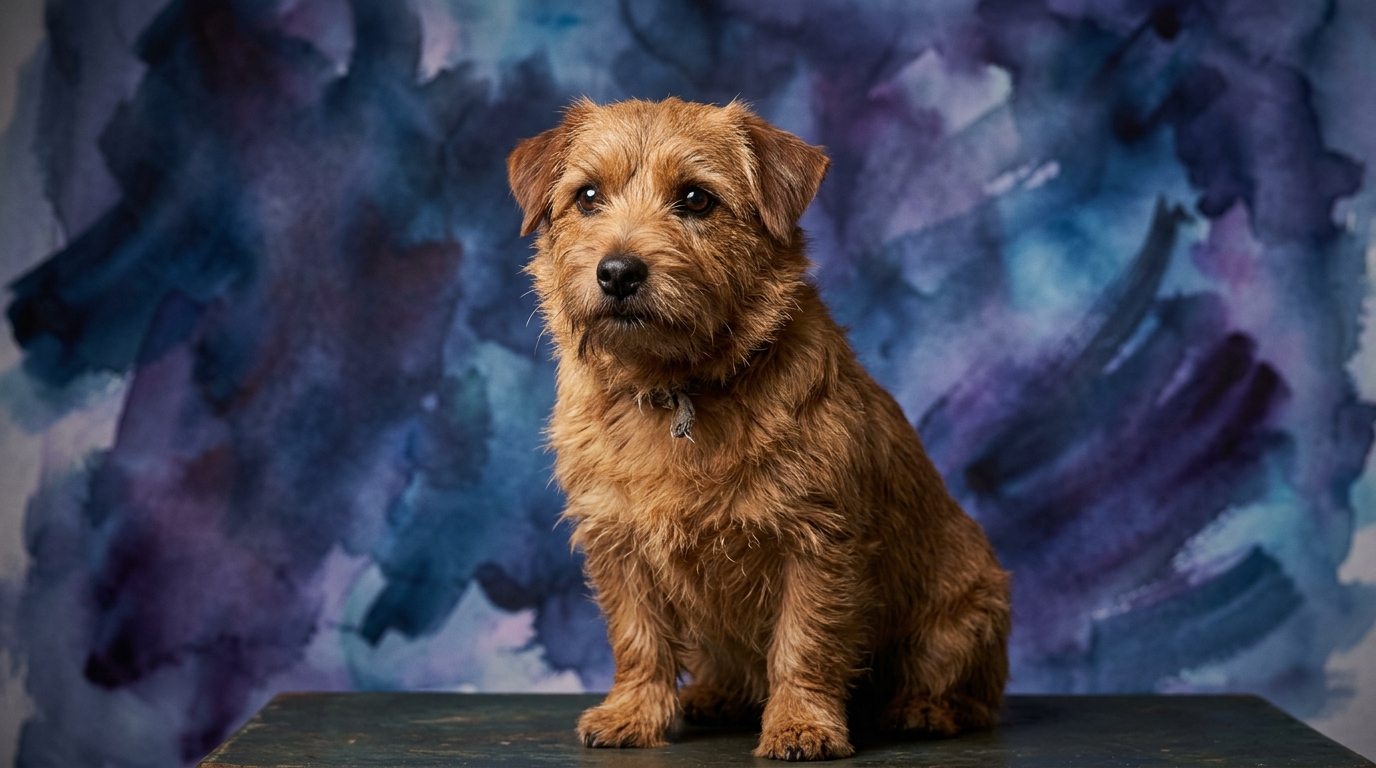
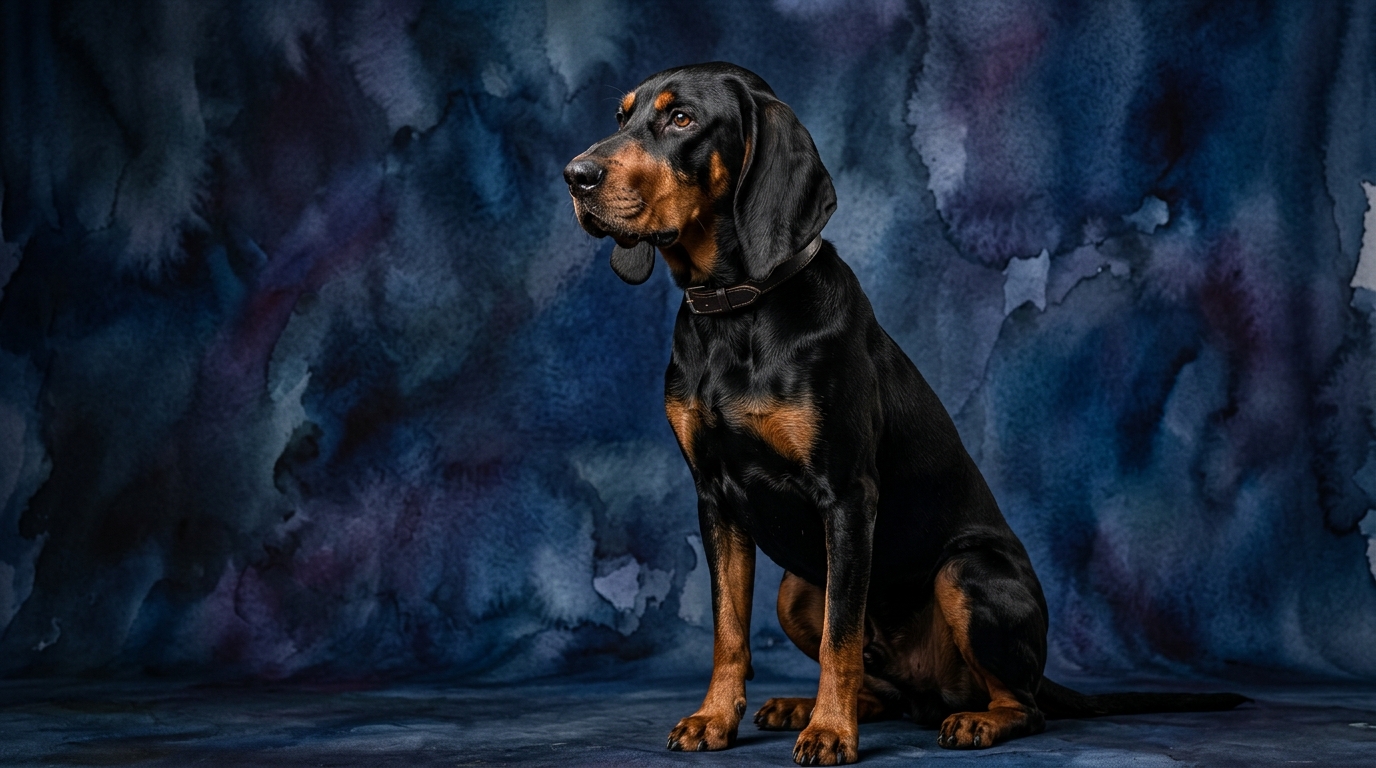
Side-by-Side IQ Profile: Unpacking Identical Scores
While both the Norfolk Terrier and the Black and Tan Coonhound register a consistent 3/5 across all five cognitive dimensions, understanding their specific breed roles allows us to interpret these scores with greater nuance.
For the **Norfolk Terrier (Dog, Terrier)**:
**Problem Solving (3/5):** A Norfolk Terrier's 3/5 in problem-solving manifests as tenacious resourcefulness in their immediate environment, often involving creative approaches to access desired items or navigate household challenges. They learn through trial and error, quickly adapting methods to achieve their goals, whether it’s finding a hidden toy or figuring out how to get attention.
**Training Speed (3/5):** With a 3/5 training speed, Norfolks learn commands moderately well, but their independent Terrier spirit means consistency and engaging, positive reinforcement are crucial. They grasp concepts but may choose to comply based on their current interest or perceived reward, requiring patience to build reliable obedience.
**Social Intelligence (3/5):** Norfolks display a 3/5 in social intelligence, forming strong bonds and adeptly reading human cues, often using their charm to solicit interaction. They navigate social dynamics with a good understanding, though their inherent assertiveness can sometimes require careful management in multi-dog environments.
**Instinctive Drive (3/5):** Their 3/5 instinctive drive is rooted in their vermin-hunting heritage, manifesting as a moderate but persistent urge to chase, dig, and investigate small movements or scents. This drive requires outlets like supervised play or earthdog sports to prevent it from becoming misdirected.
**Memory (3/5):** A 3/5 memory allows Norfolk Terriers to recall learned commands, routines, and past experiences, especially those linked to strong emotions or consistent repetition. They remember familiar people, places, and the sequence of daily events, aiding their confident navigation of their world.
For the **Black and Tan Coonhound (Dog, Hound)**:
**Problem Solving (3/5):** For a Black and Tan Coonhound, 3/5 problem-solving is intrinsically tied to tracking, where they excel at deciphering complex scent trails, analyzing environmental cues, and persisting through obstacles. Their ingenuity is focused on methodical pursuit in the field, rather than generalized abstract puzzles.
**Training Speed (3/5):** A 3/5 training speed means Coonhounds are capable learners, but their strong independent nature and singular focus on scent can make conventional obedience a deliberate process. They absorb commands at a moderate pace, yet their willingness to comply is heavily influenced by environmental distractions, demanding patience and repetition.
**Social Intelligence (3/5):** Coonhounds exhibit a 3/5 social intelligence, reflecting their generally amiable and loyal disposition towards family and other dogs. They understand social dynamics well and communicate effectively, though their deep bay can sometimes be misinterpreted, and they may be less inclined towards complex social games.
**Instinctive Drive (3/5):** Their 3/5 instinctive drive is dominated by an unwavering urge to track, fueled by formidable scenting ability. This powerful drive dictates much of their behavior, requiring secure environments and dedicated outlets for scent work to prevent them from "following their nose" into trouble.
**Memory (3/5):** Black and Tan Coonhounds possess a 3/5 memory, particularly robust for recalling scent trails, familiar territories, and routines associated with their tracking activities. This specialized memory allows them to build detailed mental maps of their environment and recall specific scent profiles over time.
Where the Norfolk Terrier’s Cognition Shines
The Norfolk Terrier's cognitive strengths, despite identical scores, particularly shine in their adaptable problem-solving within a domestic setting. Their 3/5 problem-solving translates to clever strategies for navigating household challenges, like figuring out how to access a favorite toy or strategically soliciting attention. This isn't about brute force but often involves charming persistence and quick, practical thinking. Their 3/5 social intelligence, combined with their alert nature, enables a nuanced understanding of family dynamics, often anticipating routines and responding to subtle human cues with remarkable perceptiveness. They excel at using their cognitive abilities for effective communication and engagement within their immediate social circle, making them highly responsive and interactive companions.
Where the Black and Tan Coonhound’s Cognition Excels
The Black and Tan Coonhound's cognitive prowess is profoundly specialized in the domain of scent and endurance. Their 3/5 problem-solving is unparalleled when faced with the intricate puzzle of a complex scent trail, requiring sophisticated analysis of faint odors and unwavering persistence through challenging terrains. This isn't about quick tricks but about methodical, sustained cognitive effort in deciphering a sensory narrative over miles. Their 3/5 instinctive drive is an immense asset, fueling an almost indefatigable pursuit once a scent is engaged, allowing them to operate autonomously and make sophisticated tracking decisions. The 3/5 memory in a Coonhound is precisely tuned to recall intricate scent patterns and geographical locations, creating a rich internal map essential for their specialized work, showcasing a remarkable capacity for sensory recall in their field.
Training Dynamics: A Tale of Two 3/5s
Both breeds score a 3/5 in Training Speed, yet their trainability differs significantly due to their inherent temperaments and drives. The Norfolk Terrier, with its independent Terrier spirit, learns commands reasonably quickly but often requires consistent motivation and varied training techniques to maintain engagement. They can be quite opinionated, sometimes choosing to ignore a command if a more interesting distraction (like a rustling leaf or a perceived critter) presents itself. Their training often involves teaching them *why* it's beneficial to comply, appealing to their desire for interaction or a tasty reward. The Black and Tan Coonhound, while equally capable of learning, presents a different training challenge. Their powerful 3/5 instinctive drive for scenting can make them single-minded; once on a compelling trail, all other commands may become secondary. Training a Coonhound often means finding ways to integrate their natural drives into the learning process, such as using scent games to teach recall or channeling their persistence into structured activities. Therefore, neither is "easier" in a straightforward sense; rather, the *approach* to training must be tailored to their distinct motivations and inherent priorities.
Lifestyle Match: Active Engagement vs. Dedicated Work
The choice between a Norfolk Terrier and a Black and Tan Coonhound largely hinges on an owner's lifestyle and how they prefer to engage with their dog's energy and cognitive needs. The Norfolk Terrier, despite its smaller size, is a robust and spirited companion. Its 3/5 instinctive drive and problem-solving translate to a need for regular mental stimulation and physical activity. They suit active owners who enjoy engaging in varied activities like walks, interactive play, agility, or earthdog sports, and who appreciate a dog that is always ready for an adventure or a puzzle. A relaxed owner might find the Norfolk's persistent curiosity and demand for engagement a bit overwhelming without sufficient outlets. The Black and Tan Coonhound, conversely, demands a specific kind of activity. Their 3/5 instinctive drive for tracking means they require extensive, purposeful exercise, ideally involving scent work, long walks, or runs in secure areas. They are not content with just a stroll around the block; their minds and bodies crave the challenge of following a trail. While they can be remarkably relaxed and placid indoors once their exercise needs are met, a "relaxed owner" who doesn't commit to fulfilling their profound need for outdoor work will likely find themselves with a restless and vocal companion. Therefore, the Norfolk suits an owner who is active and diverse in their engagement, while the Coonhound is for an owner dedicated to providing significant, specialized outdoor activity, particularly scent-based, even if their indoor demeanor can be quite calm.
The Verdict
Opt for the Norfolk Terrier if you seek a compact, spirited companion who thrives on diverse mental challenges and interactive play within a family setting, appreciating their adaptable social intelligence and tenacious problem-solving in everyday life.
Select the Black and Tan Coonhound if you are an owner dedicated to providing substantial, regular scent work and outdoor adventures, valuing their unparalleled tracking instincts and methodical problem-solving in the field.
🧠 Find Your Pet's IQ Score
Our Pet IQ Lab assessment covers 25+ tests across 5 cognitive dimensions — personalized to your breed.
Take the Full IQ Test →Frequently Asked Questions
How can two breeds have the same IQ scores but different behaviors?
The Cosmic Pet Pet IQ Lab scores represent a breed's *capacity* for intelligence, but how that capacity *manifests* is deeply influenced by their specific breed purpose and inherent drives. For example, both breeds have a 3/5 in problem-solving, but the Norfolk applies it to navigating a home, while the Coonhound applies it to deciphering a scent trail.
What does a 3/5 in Instinctive Drive mean for daily life with these dogs?
For the Norfolk Terrier, a 3/5 instinctive drive means a moderate urge to chase and dig, requiring engaging play or earthdog activities to satisfy. For the Black and Tan Coonhound, it signifies a powerful, almost singular focus on scent, necessitating extensive scent work or long, leashed walks to prevent them from following their nose into trouble.
Do these breeds require special training techniques given their scores?
While both have a 3/5 Training Speed, their distinct motivations mean training approaches differ. Norfolks benefit from engaging, varied sessions that appeal to their independence, while Coonhounds require patient, consistent training that often integrates their strong scent drive to maintain focus and compliance.