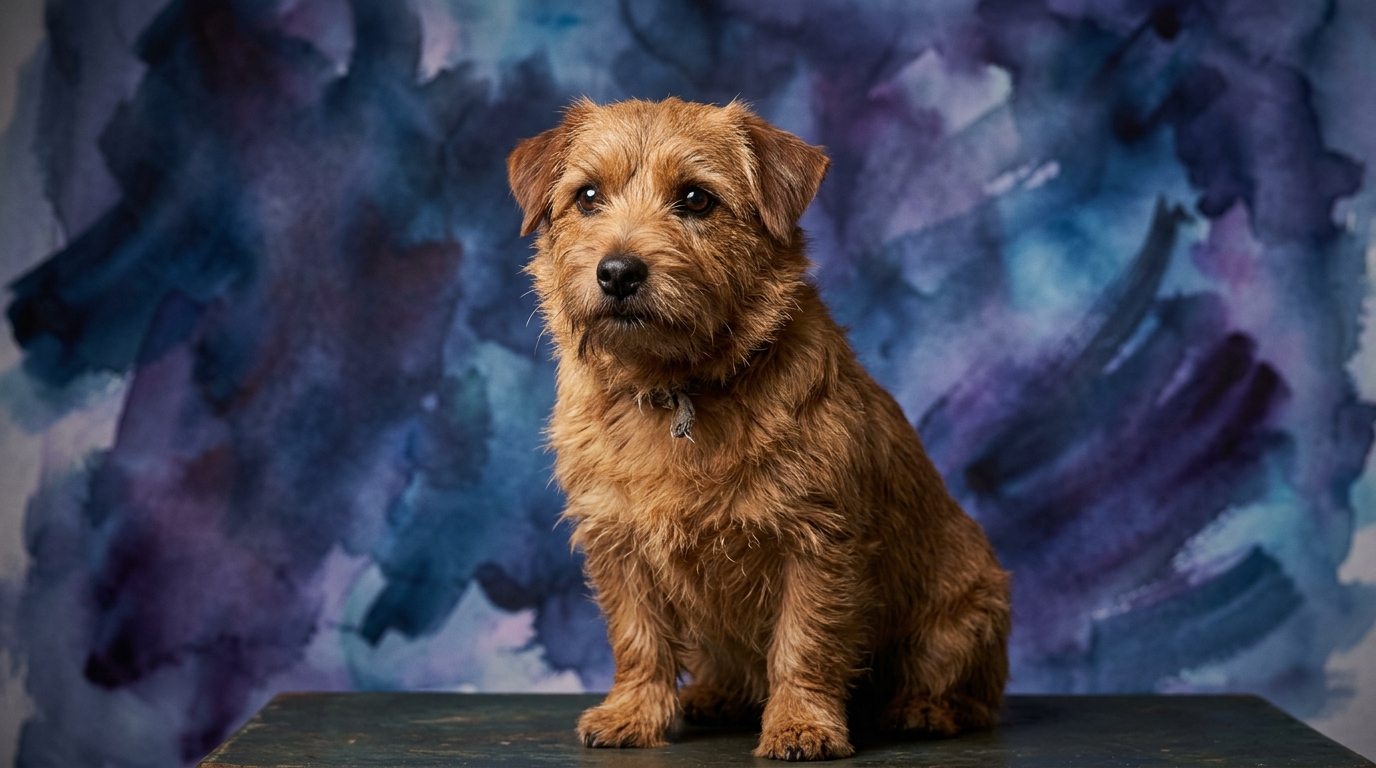
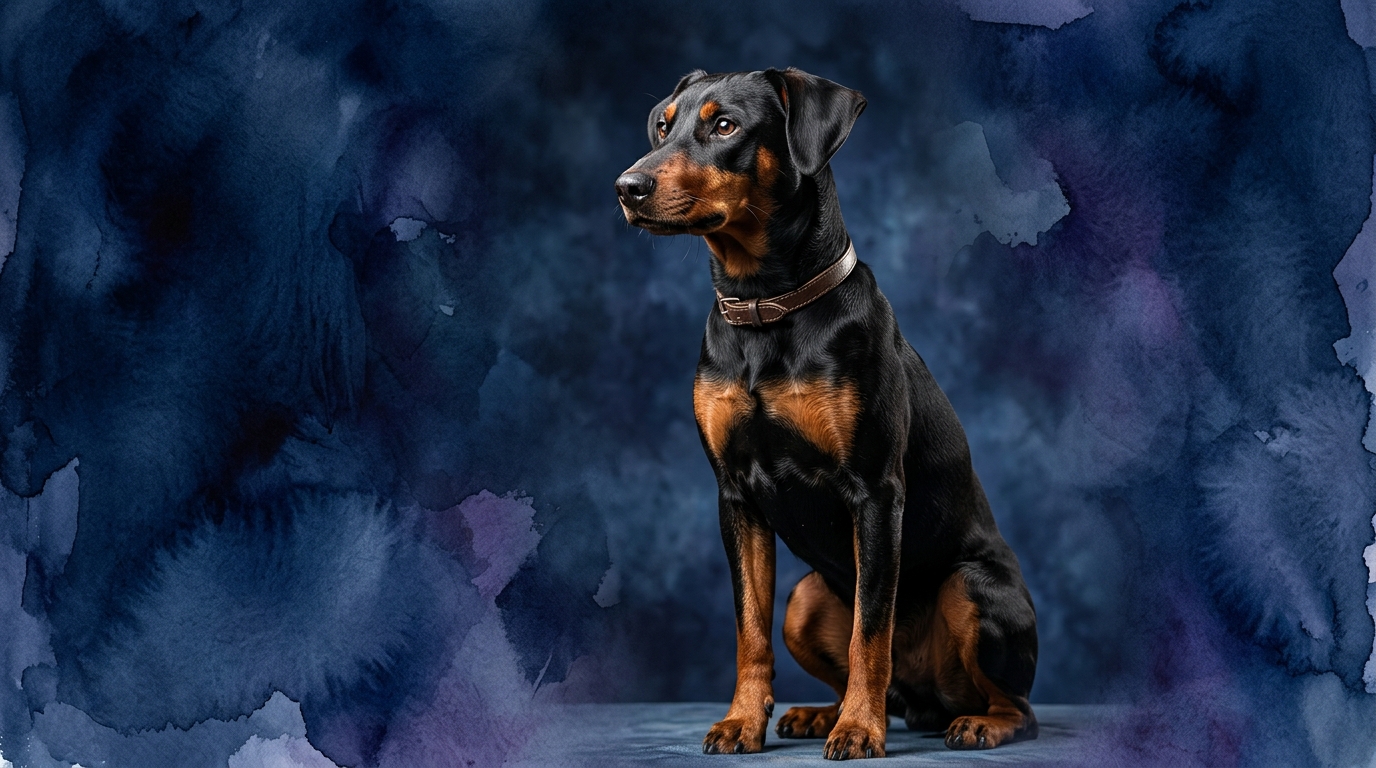
Side-by-Side IQ Profile: Unpacking the 3/5 Score
**Problem Solving (3/5):** The Norfolk Terrier’s problem-solving approach is often characterized by tenacious persistence. A Norfolk might spend considerable time strategizing how to extract a toy from beneath furniture or navigate a complex scent trail, demonstrating a moderate ability to adapt tactics until a solution is found, often driven by their inherent curiosity and prey drive. Their compact size and agility allow them to explore tight spaces creatively.
Conversely, the German Pinscher exhibits a practical, methodical approach to problem-solving. A Pinscher might assess a situation, like how to open a specific gate or manipulate a puzzle toy, with a moderate grasp of cause and effect, often leveraging their physical capabilities and understanding of household routines to achieve their desired outcome. Their confidence often translates into a straightforward attack on challenges.
**Training Speed (3/5):** Possessing a moderate capacity for learning new commands, the Norfolk Terrier often requires engaging and varied training methods to maintain their interest. Their independent streak can sometimes mean they learn quickly but choose to comply based on their current motivation, making consistency and positive reinforcement key to solidifying behaviors and overcoming their inherent terrier will.
German Pinschers demonstrate a moderate aptitude for absorbing new instructions, thriving on clear, consistent communication and structured sessions. While capable of rapid learning, their confident and sometimes strong-willed nature means that training success hinges on establishing a strong, respectful bond and providing meaningful reinforcement that aligns with their drive to work alongside their owner.
**Social Intelligence (3/5):** With a moderate level of social perceptiveness, Norfolk Terriers are generally adept at reading human emotions and intentions within their familiar circle. They can be affectionate and responsive to their family's moods, though their inherent independence means they might not constantly seek human approval, preferring to engage on their own terms or when a clear interaction is presented.
German Pinschers exhibit a moderate, yet astute, understanding of social dynamics, particularly within their immediate family unit. They are often attuned to their owner's non-verbal cues and household routines, using this awareness to anticipate events or seek attention, though their protective instincts may make them more discerning and reserved with unfamiliar individuals, carefully assessing new interactions.
**Instinctive Drive (3/5):** Reflecting their heritage, the Norfolk Terrier possesses a moderate, yet potent, instinctive drive, most notably a strong desire to hunt and pursue small prey. This manifests as keen interest in scents, a propensity for digging, and an alert barking response to perceived intruders, requiring appropriate outlets to channel these natural inclinations constructively within a home environment.
The German Pinscher's moderate instinctive drive is characterized by a blend of prey drive, protective instincts, and a desire for purpose. They often display vigilance, a tendency to 'patrol' their territory, and a keen interest in chasing, reflecting their ancestral roles as vermin eradicators and guardians, which requires structured engagement and clear boundaries to manage effectively.
**Memory (3/5):** Norfolks exhibit a moderate memory capacity, effectively retaining learned commands, routines, and the locations of favored toys or past 'exciting' events, such as where a squirrel was last spotted. Their recall is generally reliable for established behaviors, though their independent nature might occasionally lead them to 'forget' a command if a more compelling distraction presents itself.
German Pinschers demonstrate a moderate memory, reliably recalling training cues, household rules, and distinguishing between familiar and unfamiliar individuals. This memory contributes to their consistent protective behaviors and their ability to quickly re-engage with previously learned tasks, making them dependable in their established roles within the family and for maintaining boundaries.
Where the Norfolk Terrier Wins Cognitively
Even with identical scores, the Norfolk Terrier's unique breed traits can give them a practical edge in specific cognitive scenarios. Their terrier tenacity means they excel in tasks requiring independent thought and relentless persistence in focused situations, particularly those mimicking their historical role. For instance, their problem-solving might shine when they need to figure out how to navigate a complex tunnel system to reach a hidden treat, or when tenaciously working on a puzzle toy that simulates digging for a perceived 'prey.' This self-motivated drive allows them to pursue a goal without constant human direction, making them adept at exploring their immediate environment, especially for scent-driven 'hunts' within a confined space.
Where the German Pinscher Wins Cognitively
The German Pinscher's cognitive strengths, while also rated 3/5, often lean towards a more purposeful, application-based intellect, influenced by their working dog heritage. Their problem-solving might be more evident in tasks involving understanding boundaries, anticipating routines, or responding to environmental cues, such as consistently figuring out how to alert an owner to a perceived threat outside, or expertly navigating a multi-step obstacle course. Their moderate social intelligence, combined with their protective instincts, allows them to quickly assess new people and situations, making nuanced judgments about who is welcome and who is not, a critical cognitive skill for their guardian role within the family unit.
Which is Easier to Train and Why
Deciding which breed is 'easier' to train is less about raw learning speed and more about aligning with their inherent motivators and temperaments, given both score 3/5 for training speed. The Norfolk Terrier, with its independent and often single-minded focus on perceived 'prey,' requires training methods that are highly engaging, varied, and reward-driven to capture and sustain their attention. They learn quickly when motivated but can be selective in their obedience, meaning a trainer must be creative and persistent to channel their natural tenacity into desired behaviors, focusing on short, fun sessions.
The German Pinscher, while also confident and possessing a strong will, typically thrives on structure, clear expectations, and a sense of purpose in their training. They are often eager to please their trusted family members and respond well to consistent, positive reinforcement from a confident leader, making them amenable to learning a wide range of commands and tasks if they understand the 'why' behind them, leveraging their moderate social intelligence to work in partnership. Their desire for a 'job' often makes them more receptive to consistent, goal-oriented training.
Which Suits Active Owners vs. Relaxed Owners
For owners evaluating lifestyle compatibility, both the Norfolk Terrier and German Pinscher demand significant engagement, but their needs manifest differently. The Norfolk Terrier, despite its smaller stature, is not suited for entirely relaxed owners; its terrier nature necessitates consistent mental stimulation and outlets for its instinctive drives, such as supervised digging opportunities, interactive puzzle toys, and engaging scent work, often thriving on short, intense bursts of play rather than marathon sessions. They need an owner who appreciates their independent spirit and can provide varied mental challenges.
Conversely, the German Pinscher is ideal for truly active owners who can provide daily, vigorous exercise and a clear sense of purpose or 'job,' whether it's agility, competitive obedience, or long, structured walks and runs. Their moderate instinctive drive means they require consistent physical and mental challenges to prevent boredom and channel their considerable energy constructively, making them less suitable for a sedentary lifestyle. They thrive with owners who enjoy an active, engaged partnership.
The Verdict
Choose the Norfolk Terrier if you appreciate a tenacious, independent spirit in a compact form, and are prepared to engage their moderate intellect with creative, varied mental stimulation and short, exciting bursts of activity.
Opt for the German Pinscher if you seek a confident, purposeful companion for an active lifestyle, willing to engage their moderate intelligence with consistent training, clear structure, and plenty of vigorous physical and mental 'work'.
🧠 Find Your Pet's IQ Score
Our Pet IQ Lab assessment covers 25+ tests across 5 cognitive dimensions — personalized to your breed.
Take the Full IQ Test →Frequently Asked Questions
Do Norfolk Terriers and German Pinschers learn at the same pace?
Both breeds score 3/5 for training speed, indicating a moderate learning pace. However, their approaches differ: Norfolks respond best to engaging, varied sessions that appeal to their independent nature, while German Pinschers thrive with consistent, structured training from a confident leader.
Which breed is better for problem-solving tasks?
Both have a 3/5 problem-solving score. Norfolks often display persistence in tasks related to their terrier instincts, like scent work or figuring out how to access hidden items. German Pinschers excel in practical problem-solving related to routines, boundaries, and their guardian role.
How do their social intelligence scores of 3/5 manifest differently?
A Norfolk Terrier's moderate social intelligence often means they are attuned to their family but maintain an independent streak, engaging on their own terms. A German Pinscher's 3/5 reflects their attentiveness to family dynamics and cues, but also a more discerning, protective nature towards strangers, leveraging their social understanding for vigilance.