
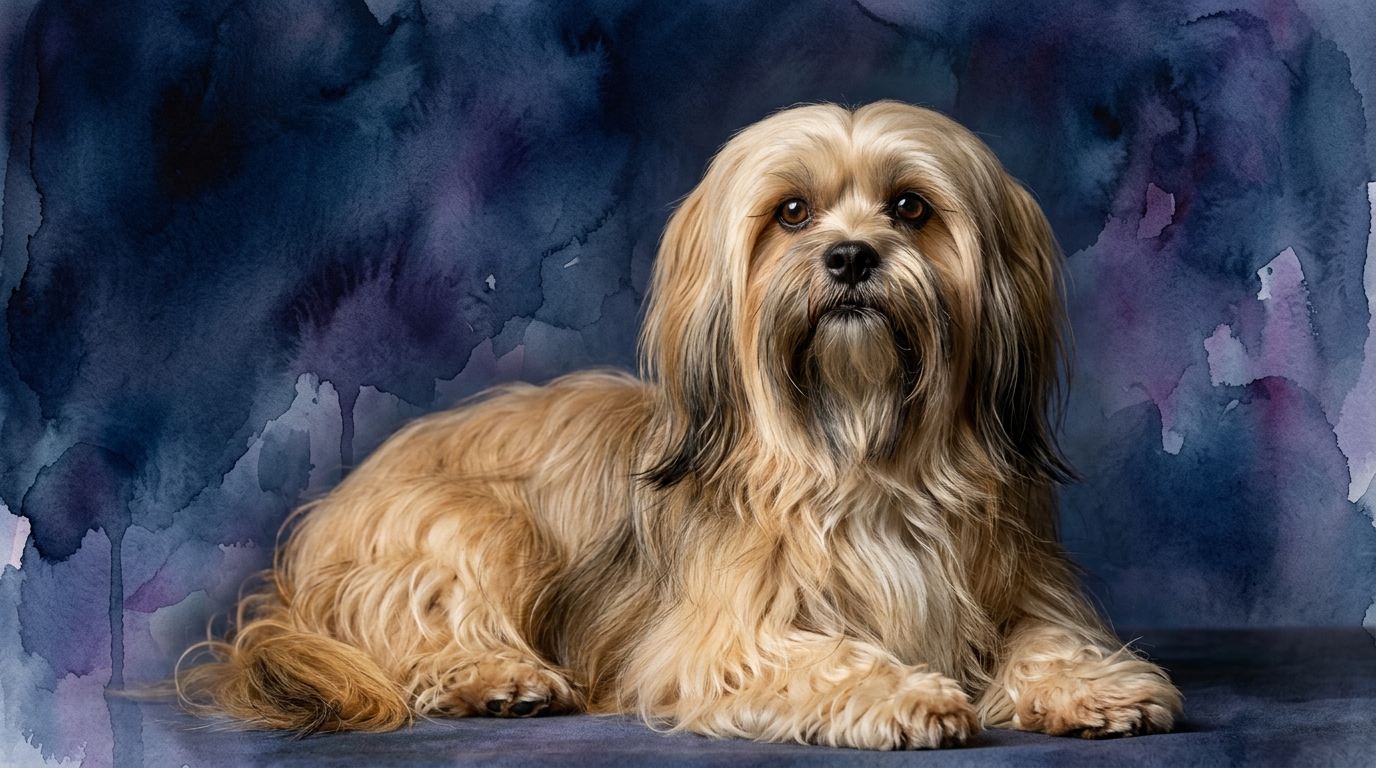
Side-by-Side IQ Profile: Norfolk Terrier vs. Lhasa Apso
The Cosmic Pet Pet IQ Lab provides a fascinating framework for understanding canine intelligence across five key dimensions. While both the Norfolk Terrier and the Lhasa Apso register identical scores of 3/5 across the board, their ancestral roles and inherent temperaments mean these scores play out very differently in practice, offering unique insights into each breed's cognitive strengths and inclinations.
For the **Norfolk Terrier**, a breed steeped in the tradition of vermin hunting:
**Problem Solving (3/5)**: The Norfolk Terrier exhibits a respectable capacity for practical problem-solving, particularly when it involves achieving a goal related to their terrier instincts, such as retrieving a hidden toy or figuring out how to access a confined space. Their solutions are often direct and persistent, driven by a strong desire to succeed in their immediate environment, showcasing a tenacious approach to overcoming obstacles.
**Training Speed (3/5)**: With a moderate training speed, Norfolk Terriers learn new commands and routines at a steady pace. They are generally eager to please their favored humans, but their independent spirit and occasional stubbornness, characteristic of many terriers, mean that consistency and positive reinforcement are key to effective learning, often requiring engaging, varied sessions to maintain focus.
**Social Intelligence (3/5)**: Norfolk Terriers display a balanced social intelligence, capable of forming strong bonds with their primary family members. They are generally adaptable to various social situations, though they can be reserved with strangers and may exhibit a typical terrier assertiveness when interacting with other dogs, underscoring the importance of early and consistent socialization.
**Instinctive Drive (3/5)**: Their instinctive drive is moderately high, strongly rooted in their historical role as vermin hunters. This manifests as a keen interest in chasing small animals, digging, and exploring, providing them with a natural curiosity and a need for engaging activities that channel these innate behaviors constructively, preventing boredom and destructive tendencies.
**Memory (3/5)**: Norfolk Terriers possess a solid memory, enabling them to retain learned behaviors, routes, and social cues over time. They remember training commands well and can recall past experiences, which contributes to their consistent responses in familiar situations and their ability to navigate their home environment effectively, often remembering where they last left a favorite toy.
Turning to the **Lhasa Apso**, a breed historically serving as a sentinel in Tibetan monasteries (Coren rank #68):
**Problem Solving (3/5)**: The Lhasa Apso demonstrates a thoughtful approach to problem-solving, often observing a situation before acting. Their solutions tend to be more strategic and less impulsive than some breeds, focusing on achieving comfort or security, such as finding the best vantage point in a room or subtly manipulating a situation to their advantage, rather than brute force.
**Training Speed (3/5)**: Lhasas learn at a moderate pace, but their independent and somewhat regal nature means they often need to understand the 'why' behind a command. While they are capable learners, their training requires patience, clear communication, and a strong, trusting relationship, as they can be less overtly eager to please than other breeds, often requiring more nuanced motivation.
**Social Intelligence (3/5)**: Lhasas exhibit a distinctive social intelligence, characterized by a deep devotion to their family balanced with a reserved and discerning attitude towards strangers. They are highly attuned to their human companions' emotions but maintain a watchful distance from newcomers, reflecting their historical role as sentinels and requiring careful introductions.
**Instinctive Drive (3/5)**: Their instinctive drive is moderate, primarily focused on their ancient role as watchdogs. This manifests as acute alertness to their surroundings, a tendency to bark at perceived threats, and a desire to oversee their territory and family. They lack the intense prey drive of a terrier but possess a strong protective instinct, making them excellent, albeit sometimes vocal, guardians.
**Memory (3/5)**: Lhasa Apsos have a good memory, particularly for routines, people, and places. They remember past interactions and training well, which contributes to their consistent behavior within their established social circle and their ability to recall specific events, such as when a particular family member returns home, demonstrating their reliability in familiar contexts.
Where the Norfolk Terrier Wins Cognitively
The Norfolk Terrier's cognitive strengths shine particularly in practical, hands-on scenarios where a tenacious and direct approach is beneficial. Their innate terrier drive, even at a moderate 3/5, translates into a more persistent and enthusiastic engagement with physical puzzles or tasks that involve rooting out a 'quarry,' whether it's a hidden treat or a toy. This makes them exceptionally adept at activities like scent work, retrieving games, or agility courses that demand quick, decisive action and continuous effort. They often overcome obstacles with sheer determination and a 'never give up' attitude, a manifestation of their problem-solving score rooted in their working heritage, rather than relying solely on intricate strategic planning.
Where the Lhasa Apso Wins Cognitively
The Lhasa Apso's cognitive edge lies in its discerning observational skills and unique social attunement. While both breeds score 3/5 in social intelligence, the Lhasa's historical role as a monastic sentinel has honed a keen ability to differentiate between familiar and unfamiliar, and to assess environmental changes with a watchful, almost regal, eye. Their problem-solving, though also 3/5, often manifests as clever manipulation of their environment for comfort or security, or a more subtle, strategic approach to getting what they want from their humans, rather than overt physical effort. They excel at 'reading' a room and responding appropriately to nuanced social cues, showcasing a different facet of their intelligence.
Which Is Easier to Train and Why?
Despite identical 3/5 scores in training speed, the Norfolk Terrier is generally perceived as somewhat easier to train for obedience and sports due to its more overtly enthusiastic desire to engage and its inherent zest for activity. Their eagerness to participate, combined with a moderate prey drive, can make them highly motivated learners when engaged with toys, treats, and quick, energetic training sessions. They often thrive on positive reinforcement and playful challenges, making the training process feel more like a game.
In contrast, the Lhasa Apso's independent and rather self-assured nature means they require a trainer with exceptional patience, consistency, and a deep understanding of positive reinforcement. While intelligent, their willingness to comply often stems from a respectful, trusting relationship and a clear understanding of the command's value or benefit to them, rather than an immediate, eager-to-please response. This can make them appear more challenging to train for those accustomed to more biddable breeds, as they may question commands or require more convincing before offering full cooperation.
Cognitive Profiles and Owner Lifestyles
The Norfolk Terrier, with its moderate instinctive drive and energetic approach to problem-solving, is better suited for active owners who enjoy engaging in regular outdoor adventures, interactive play, and dog sports like earthdog trials or agility. Their cognitive engagement thrives on variety, exploration, and tasks that allow them to use their natural curiosity and persistence, requiring an owner prepared to provide consistent mental and physical stimulation to prevent boredom.
The Lhasa Apso, conversely, aligns well with more relaxed owners who appreciate a devoted companion content with moderate indoor activity and shorter, structured walks. Their cognitive strengths are less about physical exertion and more about companionship, watchful observation, and a predictable, secure home environment where their discerning social intelligence can flourish. They excel in a calm household where their protective instincts and unique social dynamics are understood and respected.
The Verdict
Opt for a Norfolk Terrier if you seek a resilient, curious companion eager for interactive play, outdoor exploration, and consistent mental challenges that tap into their tenacious terrier spirit.
Select a Lhasa Apso if you desire a devoted, discerning companion who thrives on a predictable routine, offers astute watchfulness, and appreciates a calm home where their unique social intelligence can be cherished.
🧠 Find Your Pet's IQ Score
Our Pet IQ Lab assessment covers 25+ tests across 5 cognitive dimensions — personalized to your breed.
Take the Full IQ Test →Frequently Asked Questions
Do Norfolk Terriers or Lhasa Apsos bark more?
Both breeds have a propensity for barking, but for different reasons. Norfolk Terriers may bark when excited by prey or during play, while Lhasa Apsos typically bark as an alert to perceived intruders or changes in their environment, reflecting their deep-seated watchdog instincts and territorial awareness.
Are these breeds good with children?
Both breeds can be good with respectful, well-behaved children, especially if socialized early. The Norfolk Terrier's playful nature can be a good match for older, considerate children, while the Lhasa Apso's reserved demeanor means they appreciate calm interactions and may prefer older children who understand their boundaries and give them space.
How do their memory scores (3/5) apply to daily life?
A 3/5 memory score means both breeds effectively retain routines, training commands, and social cues. Norfolk Terriers will remember where they last buried a toy or the path to a favorite sniffing spot, while Lhasa Apsos will reliably recall the specific routines of their household and the individual habits of family members, contributing to their consistent and predictable behavior within their established environment.