Side-by-Side IQ Profile: Unpacking the 3/5 Score
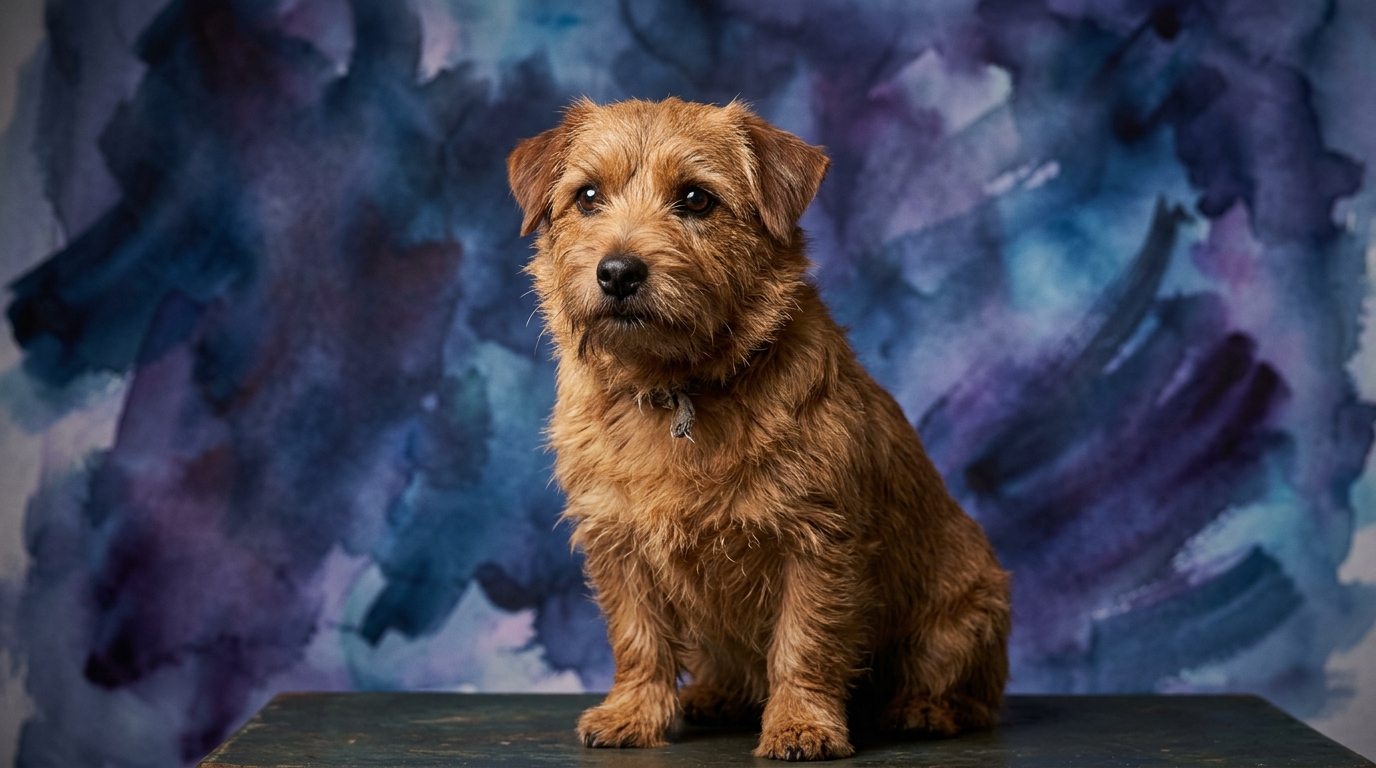
The Cosmic Pet Pet IQ Lab rates both the Norfolk Terrier and the Pekingese with a uniform 3 out of 5 across all five cognitive dimensions: Problem Solving, Training Speed, Social Intelligence, Instinctive Drive, and Memory. This shared score doesn't imply identical mental processes, but rather a comparable level of functional intelligence within their respective contexts. For the Norfolk Terrier, a 3/5 in Problem Solving often manifests as resourcefulness when pursuing a scent trail or navigating obstacles in a garden, reflecting its historical role as a vermin hunter requiring independent decision-making. Their 3/5 Training Speed indicates they are capable learners, though their terrier tenacity might mean they require engaging, consistent methods to maintain focus. A 3/5 in Social Intelligence means they are attentive to their human companions and can communicate their needs effectively, while their 3/5 Instinctive Drive fuels their natural curiosity, digging, and alert barking. Finally, their 3/5 Memory allows them to recall training cues, preferred routines, and the locations of interesting smells or buried treasures.
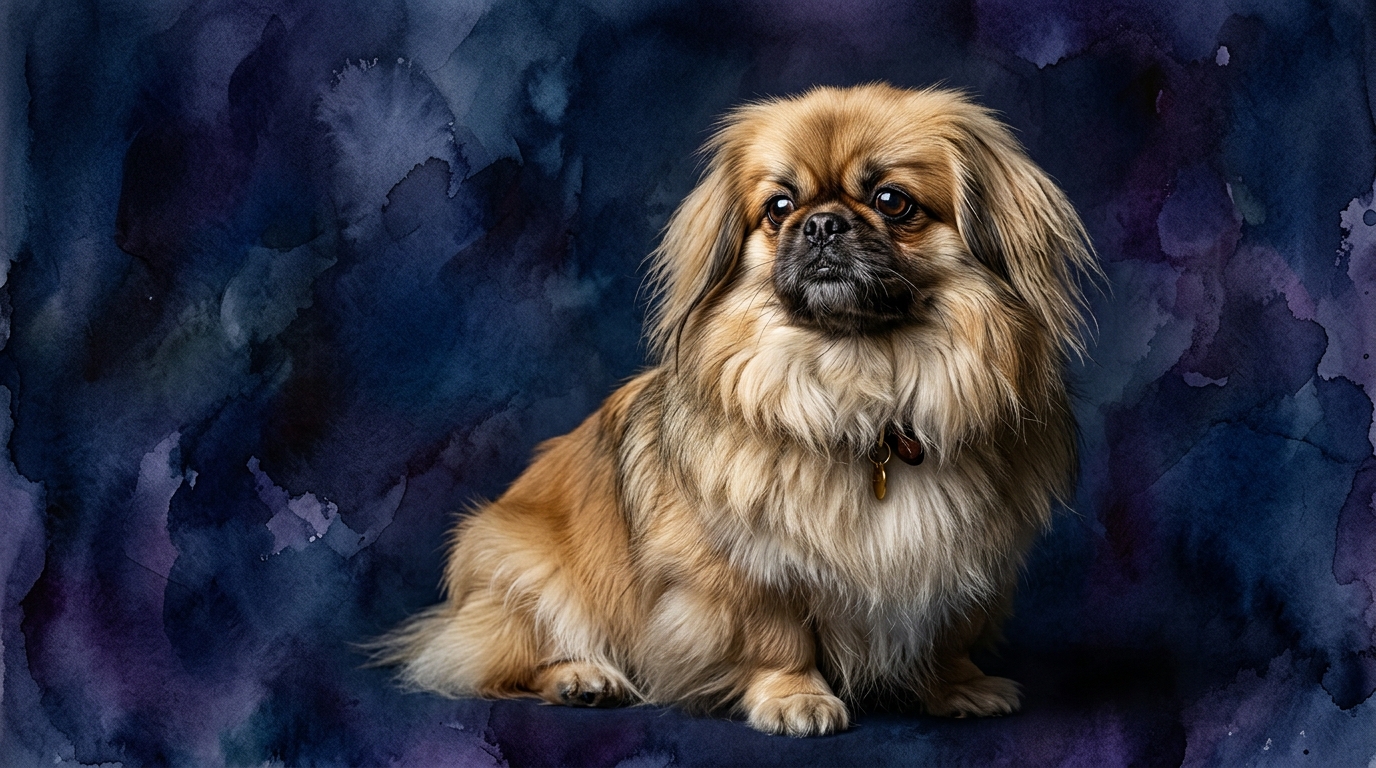
The Pekingese, also scoring 3/5 across the board, interprets these dimensions through the lens of its long history as a revered companion. Its Problem Solving (3/5) often translates into clever strategies for securing a prime napping spot, manipulating situations for extra attention, or discerning the easiest path to comfort. Their 3/5 Training Speed suggests they learn at a moderate pace, often requiring motivation that aligns with their desire for comfort or reward, rather than an inherent eagerness to please. Social Intelligence at 3/5 for a Pekingese means a deep, discerning bond with their chosen few, an ability to read human moods, and a dignified aloofness towards strangers. Their Instinctive Drive (3/5) is less about hunting and more about guarding their personal space and people, manifesting as alert barking or a watchful demeanor. A 3/5 Memory helps them solidify their routines, remember which family members are most generous with treats, and recall past positive or negative interactions.
Where the Norfolk Terrier Wins Cognitively
Despite their identical overall scores, the Norfolk Terrier possesses cognitive strengths rooted in its working heritage that give it a subtle edge in specific scenarios. Their 3/5 problem-solving ability, coupled with a 3/5 instinctive drive, often translates into superior independent decision-making when faced with novel environmental challenges that mimic their historical tasks. For instance, a Norfolk might more readily devise a solution to retrieve a toy stuck under a bush, or skillfully navigate a complex outdoor environment, relying on its keen senses and persistent nature. This isn't about being in a general sense, but about a practical application of intelligence geared towards autonomous action and overcoming physical obstacles. Their capacity to stay focused on a 'job' – whether it's tracking a scent or digging for a perceived target – demonstrates a distinct cognitive persistence that aligns with their terrier identity.
Where the Pekingese Wins Cognitively
Conversely, the Pekingese, with its background as a cherished companion, demonstrates unique cognitive strengths, particularly in the realm of social interaction and comfort optimization. While both breeds score 3/5 in social intelligence, the Pekingese's expression of this is often more refined and subtle, focused on the human-dog bond. They may exhibit a heightened ability to discern nuanced shifts in human mood or anticipate their owner's next move, using this understanding to position themselves for affection or to avoid perceived discomfort. Their problem-solving (3/5) often excels in domestic settings, such as figuring out how to get onto a favorite piece of furniture or subtly communicating a desire for a walk without overt demands. This form of intelligence is less about physical prowess and more about social astuteness and a sophisticated understanding of their immediate, human-centric world, allowing them to navigate household dynamics with quiet confidence and charm.
Which is Easier to Train and Why
Both the Norfolk Terrier and the Pekingese are rated 3/5 for Training Speed, indicating that neither is inherently a 'quick study' nor particularly difficult to train, but rather require specific approaches. The Norfolk Terrier's 3/5 instinctive drive, combined with its terrier temperament, means it can be highly motivated by engaging activities that tap into its natural curiosity and desire to 'work.' However, this same drive can lead to distractions; a fascinating scent or a squirrel passing by can quickly derail a training session. Consistency, short, fun sessions, and making training feel like a game or a mini-hunt are crucial for a Norfolk. Their problem-solving skills mean they might try to outsmart you, requiring a firm yet positive hand.
The Pekingese, while also 3/5 in Training Speed, presents different challenges. Their social intelligence and memory mean they will learn routines and associate cues with outcomes, but their independent nature and preference for comfort can make them less inclined to perform if they don't see an immediate benefit or if the task seems pointless to them. They are not typically driven by a strong desire to please in the same way some other breeds might be. Training a Pekingese often involves finding high-value rewards, employing gentle persuasion, and ensuring the training environment is calm and comfortable. Pushing them too hard can lead to stubborn refusal. Therefore, neither breed is 'easier' universally; the ease of training depends significantly on the trainer's ability to understand and adapt to each breed's unique motivations and potential hurdles.
Which Suits Active Owners vs. Relaxed Owners
The cognitive profiles of the Norfolk Terrier and the Pekingese naturally lend themselves to different owner lifestyles. The Norfolk Terrier, with its robust 3/5 instinctive drive and problem-solving capacity, thrives with active owners who enjoy engaging in outdoor adventures and mental stimulation. These dogs require regular opportunities to explore, sniff, and participate in activities that challenge their minds and bodies, such as agility, earthdog trials, or extended walks with plenty of sensory input. Their social intelligence means they enjoy companionship, but their independent streak and curiosity demand an owner who can channel their energy productively and appreciate a dog with a zest for discovery.
In contrast, the Pekingese's 3/5 social intelligence and memory, combined with a more moderate instinctive drive, make it an ideal companion for relaxed owners. While they certainly appreciate short, leisurely strolls and interactive playtime, their primary joy comes from close companionship and comfort within the home environment. They are content to observe the world from a cozy lap or a preferred cushion, offering quiet devotion. Owners who value a dignified, perceptive companion who is not demanding of constant high-energy engagement will find a Pekingese a perfect fit. Their problem-solving often involves finding the optimal spot for a nap, and their social acuity means they are masters of subtle communication within a calm household.
The Verdict
Opt for a Norfolk Terrier if you are an active individual or family seeking a curious, tenacious companion eager to explore the world and engage in stimulating activities. They thrive with consistent, playful training that channels their inherent drive and problem-solving skills into productive outlets.
Select a Pekingese if you desire a devoted, perceptive companion who values comfort and close human connection above all else, fitting seamlessly into a relaxed, calm household. Their subtle social intelligence and independent charm require an owner who appreciates quiet companionship and gentle, reward-based motivation.
🧠 Find Your Pet's IQ Score
Our Pet IQ Lab assessment covers 25+ tests across 5 cognitive dimensions — personalized to your breed.
Take the Full IQ Test →Frequently Asked Questions
Are Norfolk Terriers truly stubborn during training, despite their 3/5 training speed rating?
While rated 3/5, Norfolk Terriers can exhibit what owners perceive as stubbornness due to their strong instinctive drive and independent problem-solving. They learn, but their terrier nature means they might challenge commands or prioritize an interesting scent over compliance, requiring patient, engaging, and consistent training methods to keep them focused and motivated.
Do Pekingese require much exercise, given their relaxed nature?
Pekingese are not high-energy dogs and do not require extensive exercise; short, leisurely walks and indoor play are usually sufficient to keep them healthy and content. Their 3/5 instinctive drive is more geared towards guarding and comfort-seeking than strenuous activity, making them ideal for owners with a more relaxed lifestyle.
Can a Pekingese be a good watchdog, despite its small size?
Yes, a Pekingese can be an excellent watchdog, thanks to its 3/5 social intelligence and instinctive drive, which manifests as a strong protective instinct towards its home and family. They are known for their alert barking and watchful demeanor, quickly signaling the presence of strangers or unusual activity, making up for their small stature with fierce loyalty.