Side-by-Side IQ Profile: Herding vs. Sporting Minds
Despite both breeds scoring 3/5 across The Cosmic Pet Pet IQ Lab’s five cognitive dimensions, the *application* of these abilities varies significantly due to their distinct historical purposes. Understanding these nuances is crucial.
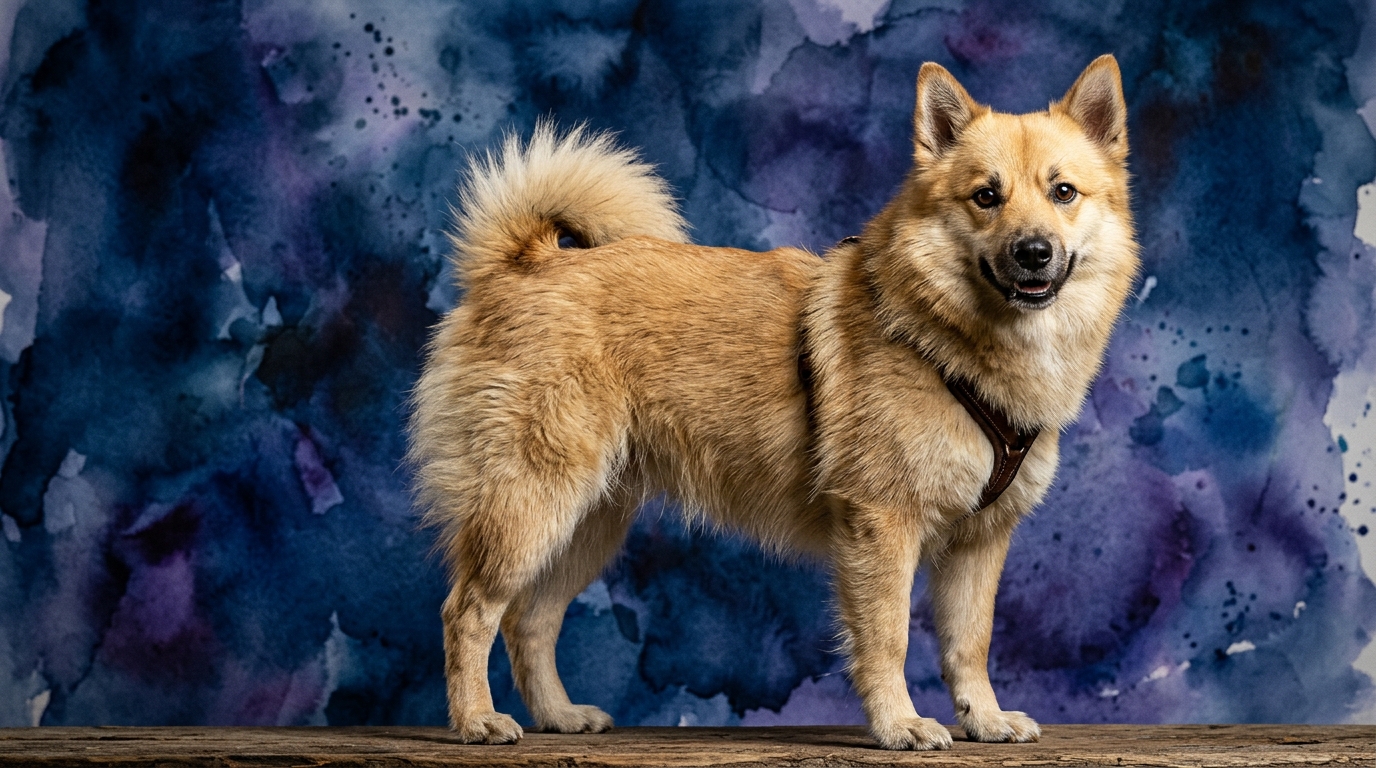
The Norwegian Buhund, a Herding breed, utilizes its cognitive strengths in a manner befitting a watchful and active livestock guardian. Its **Problem Solving (3/5)** leans towards dynamic, spatial challenges, assessing group movements and adapting known strategies to guide or gather. **Training Speed (3/5)** is steady; Buhunds are eager to engage, though their independent spirit means consistency is key to solidifying commands. Their **Social Intelligence (3/5)** manifests as deep family bonds and a keen awareness of household dynamics, discerning familiar from unfamiliar. **Instinctive Drive (3/5)** is primarily herding-oriented, a moderate inclination to 'manage' movement, which shapes their play and interaction. Finally, their **Memory (3/5)** is robust for routines, commands, and familiar territories, supporting their ability to perform multi-step tasks within established parameters.
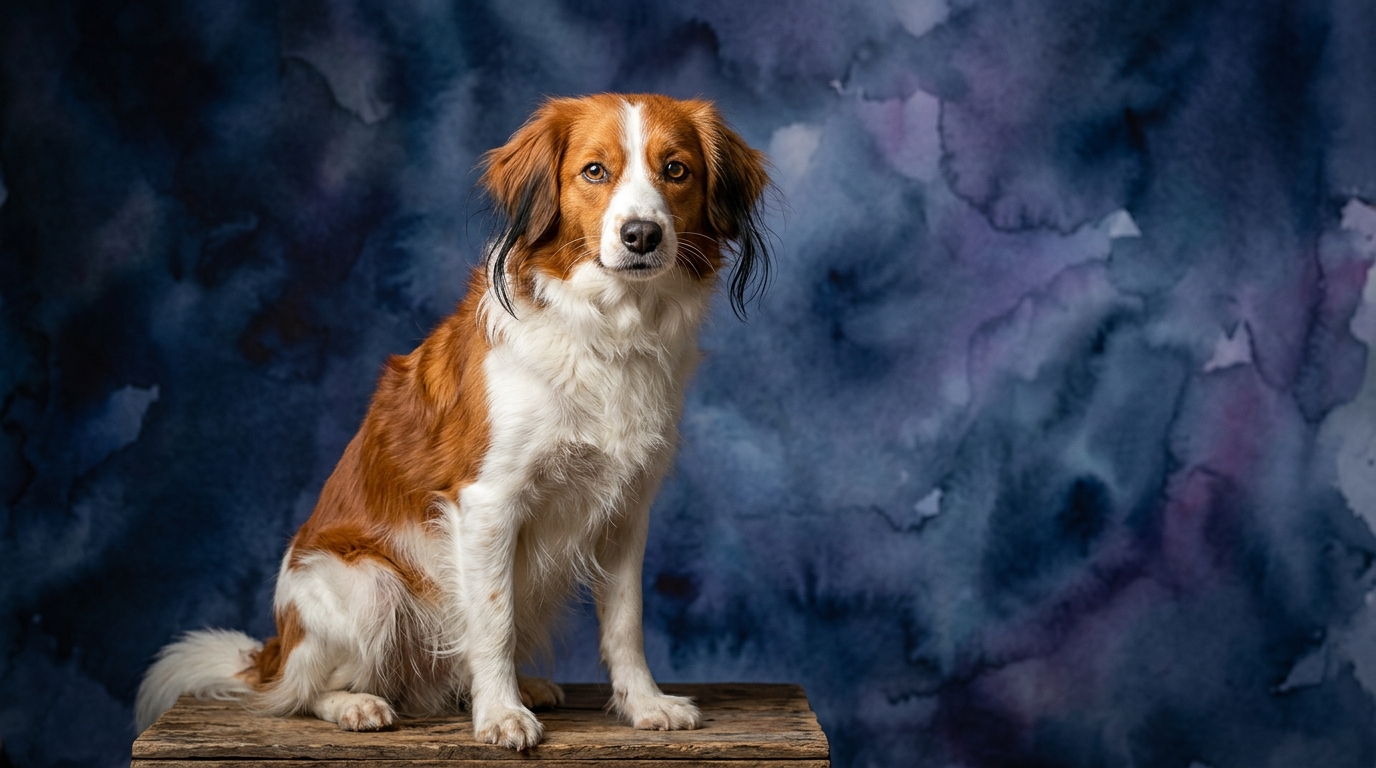
The Kooikerhondje, a Sporting breed, applies its cognitive faculties with a focus on precision and observation, stemming from its duck luring heritage. Its **Problem Solving (3/5)** excels in tasks requiring focused attention and pattern recognition, such as figuring out hidden treats or navigating agility courses. **Training Speed (3/5)** is also consistent; Kooikerhondjes are receptive learners, thriving on positive reinforcement and motivation from play, particularly retrieving. Their **Social Intelligence (3/5)** is discerning, often reserved with strangers but deeply affectionate and attuned to their family's emotions and household rhythms. The Kooikerhondje's **Instinctive Drive (3/5)** is a moderate but distinct retrieving and hunting inclination, making them enthusiastic participants in fetch or scent work. Their **Memory (3/5)** is good for specific tasks, object locations, and learned sequences, supporting their proficiency in activities requiring precise recall and sequential steps.
Where the Norwegian Buhund Wins Cognitively
While both breeds share a 3/5 rating, the Norwegian Buhund often demonstrates a cognitive advantage in **dynamic environmental awareness and adaptability**. As a herding dog, it’s bred to constantly monitor and react to multiple moving elements in open, changing environments. This translates to an edge in tasks requiring broad situational awareness, quick adjustments to fluid scenarios, and an ability to manage spatial relationships with a practical, improvisational flair that a Kooikerhondje’s focused retrieving might not prioritize.
Furthermore, the Buhund’s **intuitive reading of a handler’s intent**, particularly in a working context, can be more pronounced. Their herding role demands nuanced interpretation of subtle handler cues, often from a distance, to direct livestock. This suggests their social intelligence, especially concerning their primary handler, involves a deeper, more intuitive grasp of non-verbal communication and evolving commands, fostering a highly collaborative partnership in complex, non-patterned tasks.
Where the Kooikerhondje Wins Cognitively
The Kooikerhondje exhibits a cognitive strength in **sustained focus on repetitive tasks and pattern recognition**. Their traditional role of luring ducks required patience, specific repetitive movements, and keen observation. This translates into a facility for maintaining concentration on a singular task over time and an aptitude for recognizing and executing precise patterns. Their problem-solving often excels in scenarios demanding careful observation of a specific target and executing a learned sequence accurately, more so than a Buhund’s broader environmental management.
Additionally, Kooikerhondjes often display an edge in **independent, target-oriented problem-solving**. While herding dogs are collaborative, Kooikerhondjes worked semi-independently in their luring role, making decisions about their movements and timing relative to the ducks. This implies a cognitive advantage in specific challenges where self-direction is key, such as complex scent work or navigating a retrieve puzzle without constant handler input. Their memory is particularly strong for the location of specific objects or the execution of a precise, multi-step hunting sequence.
Which is Easier to Train and Why
Given both breeds share a 3/5 training speed, the perception of 'easier' often hinges on an owner's training style and what behaviors they prioritize. The Norwegian Buhund, with its desire to engage and work alongside its handler, often appears eager to learn. However, their herding drive, while motivating, can lead to moments of independent thought where they might try to 'manage' a situation their way, requiring a handler to be consistent and clear. They can also be vocal, which some might perceive as a training challenge.
The Kooikerhondje’s focused nature, especially when motivated by play or retrieve, can make them precise learners for specific tasks. They excel when there’s a clear reward or game involved. However, their sensitive disposition means harsh methods are counterproductive; they respond best to gentle, positive reinforcement and can become withdrawn if training is inconsistent or overwhelming. For an owner valuing an engaged, collaborative partner who can channel an independent streak, the Buhund might feel more naturally responsive. For those appreciating precision, focus on specific tasks, and committed to gentle, reward-based methods, the Kooikerhondje can be a highly proficient student.
Which Suits Active Owners vs. Relaxed Owners
Both the Norwegian Buhund and the Kooikerhondje are inherently active breeds, making them generally better suited for owners who lead an engaged lifestyle rather than purely relaxed ones. The Norwegian Buhund, a robust herding dog, thrives on consistent physical activity that allows them to run, explore, and utilize their stamina. Beyond physical exercise, their cognitive profile demands mental stimulation through activities like agility, obedience, or even mock herding games to satisfy their instinctive drive and problem-solving inclinations. An owner who enjoys hiking, competitive dog sports, or extended periods outdoors will find a willing companion.
The Kooikerhondje, while also active, often finds satisfaction in more focused forms of engagement. Their sporting heritage means they excel at retrieving, scent work, and activities involving bursts of energy followed by periods of observation. While they still require daily exercise, their mental stimulation often revolves around puzzles, training sessions, and interactive play that taps into their pattern recognition and independent problem-solving. A Kooikerhondje might be content with a substantial walk and several focused training sessions or games of fetch, making them suitable for owners who are active but perhaps prefer structured engagement over continuous, free-ranging activity.
The Verdict
Choose the Norwegian Buhund if you seek a highly interactive, vocal, and watchful companion who thrives on diverse activities and requires a handler willing to channel their independent herding spirit into productive engagement.
Opt for the Kooikerhondje if you prefer a devoted, sensitive partner who excels at focused, structured training tasks, enjoys retrieving and scent work, and appreciates a calm, consistent household environment.
🧠 Find Your Pet's IQ Score
Our Pet IQ Lab assessment covers 25+ tests across 5 cognitive dimensions — personalized to your breed.
Take the Full IQ Test →Frequently Asked Questions
Are Norwegian Buhunds good with children?
Norwegian Buhunds are often affectionate and watchful with children in their family, considering them part of their 'flock.' Their herding instincts might lead them to gently nudge or 'gather' kids, so supervision and teaching appropriate interactions are key, ensuring a harmonious relationship.
Do Kooikerhondjes bark a lot?
Kooikerhondjes are generally not excessive barkers, but they can be alert and will signal when something new or unusual is happening. Their reserved nature with strangers means they might bark to announce visitors, but with proper training and socialization, this can be managed.
What kind of mental exercise do these breeds need?
Both breeds require consistent mental exercise to prevent boredom. For the Norwegian Buhund, this includes problem-solving toys, obedience training, agility, and activities that simulate their herding instincts. Kooikerhondjes thrive on puzzle toys, scent work, complex retrieve games, and consistent training that taps into their focus and pattern recognition skills.