Side-by-Side IQ Profile: Unpacking Identical Scores
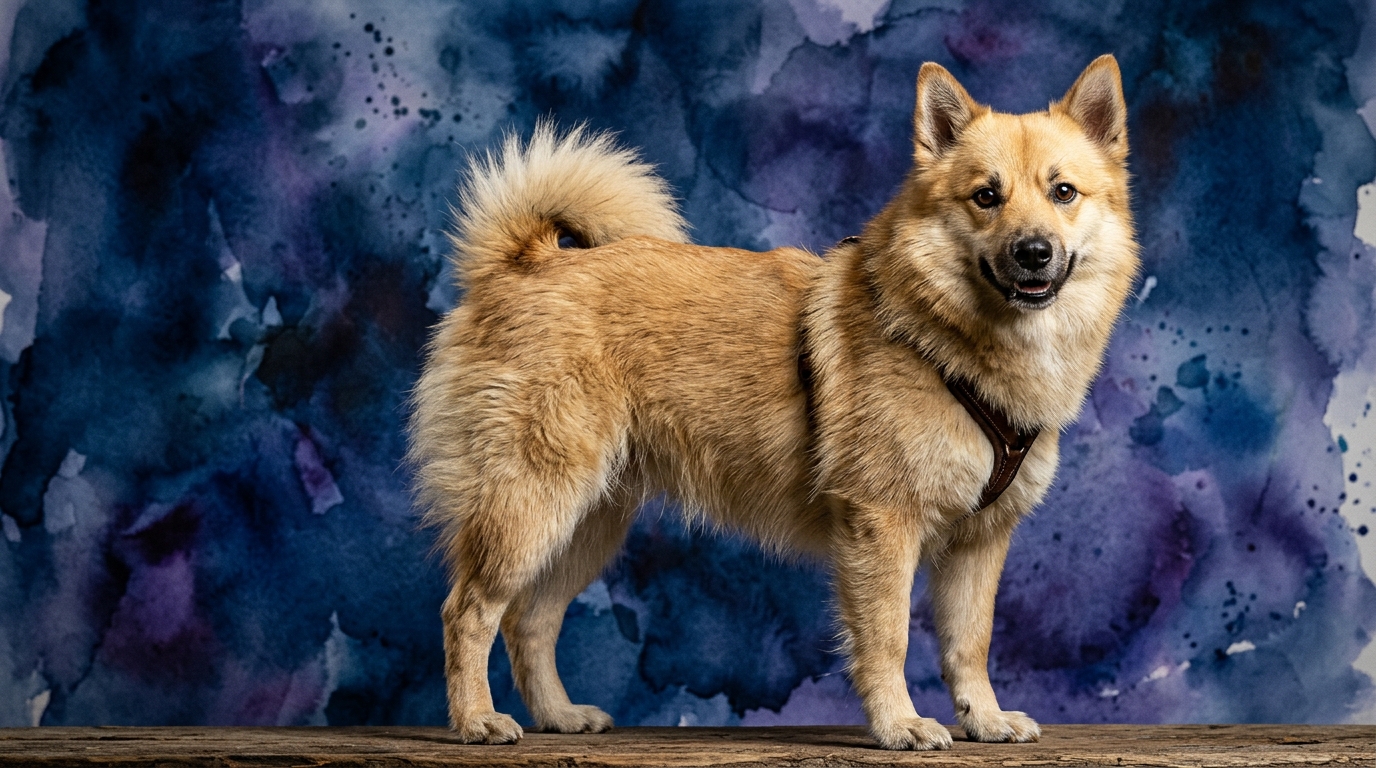
Both the Norwegian Buhund and Spinone Italiano are evaluated with a consistent 3 out of 5 across problem-solving, training speed, social intelligence, instinctive drive, and memory. This uniform scoring doesn't imply identical mental processes, but rather a similar *level* of capability expressed through very different breed-specific lenses. For the Buhund, a Nordic herding dog, these scores reflect an active, independent mind geared towards managing livestock and alerting its human companions. Its cognition is shaped by centuries of making autonomous decisions in varied environments.
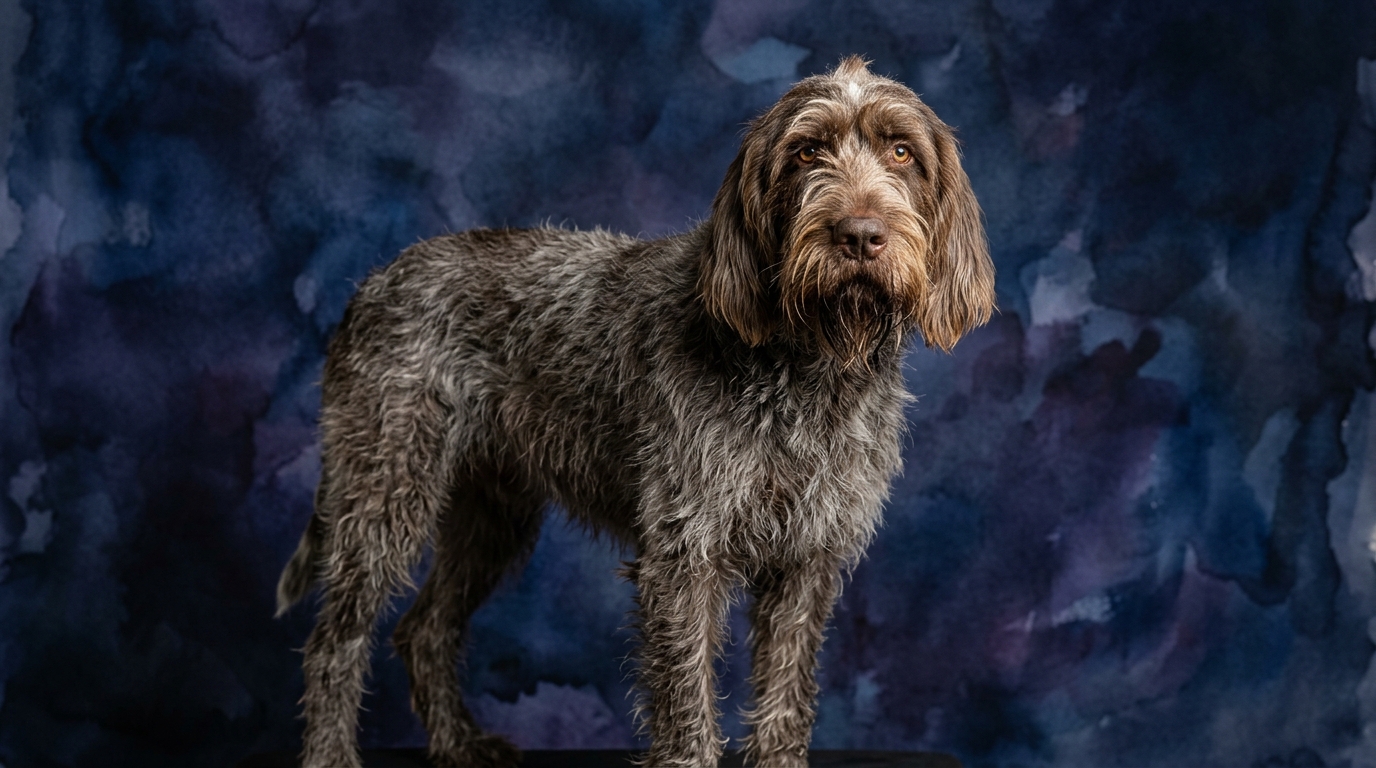
The Spinone Italiano, a sporting dog originating from Italy, also scores 3/5, yet its intelligence is honed for cooperative hunting. This breed's cognitive strengths lie in methodical field work, close partnership with a handler, and a generally patient, biddable disposition. Where the Buhund's intellect is about vigilance and control, the Spinone's centers on partnership and deliberate pursuit. Understanding these foundational differences is key to appreciating their unique mental landscapes, even with matching numerical assessments.
Let's break down what each 3/5 score signifies for these distinct breeds. For Problem Solving, the Buhund demonstrates practical, on-the-spot solutions for managing a flock or navigating its territory, showing resourcefulness in dynamic outdoor settings. The Spinone's problem-solving, conversely, involves methodical tracking, navigating varied terrain, and persistent searching for game, requiring sustained focus and adaptability in the field. Both excel at practical challenges relevant to their heritage, rather than complex abstract reasoning.
In Training Speed, the Buhund is eager to learn and picks up commands readily, but its independent herding spirit means it might occasionally test boundaries, requiring a consistent and engaging approach. The Spinone, while also quick to grasp concepts, often processes information with a deliberate, thoughtful approach, and once a behavior is learned, it tends to be deeply ingrained due to its cooperative nature. Neither is a 'one-and-done' learner, but both respond well to positive reinforcement and clear guidance.
Social Intelligence in the Buhund manifests as an acute awareness of its family unit and surroundings, often acting as a watchful guardian, attuned to subtle shifts in group dynamics and potential threats. The Spinone's social intelligence leans towards deep empathy and connection with its human companions, exhibiting a gentle, people-oriented nature that makes them highly responsive to emotional cues and eager to participate in family life. Their social awareness is strong, but expressed differently.
Instinctive Drive for the Buhund is a powerful herding instinct, complete with a strong desire to gather, control, and often vocalize warnings. This drive requires appropriate outlets to prevent boredom or misdirection. The Spinone's instinctive drive is centered on cooperative hunting – pointing, retrieving, and working methodically alongside a hunter. It's a drive characterized by patience and persistence, rather than the high-energy vigilance of a herder. Both breeds possess strong innate motivations that need to be understood and channeled.
Finally, Memory for both breeds is robust and functional. The Buhund effectively recalls routines, commands, and territorial boundaries vital for its historical role, remembering specific tasks and the layout of its environment. The Spinone also demonstrates excellent recall of learned behaviors, particularly in the field, and forms strong, lasting bonds with its family, remembering interactions and emotional connections with clarity. Their memory serves their primary functions effectively, aiding in their respective tasks and relationships.
Where the Norwegian Buhund Excels Cognitively
Despite identical numerical scores, the Norwegian Buhund's cognitive strengths often lie in its proactive independence and environmental awareness. Its problem-solving, while rated 3/5, is particularly adept at autonomous decision-making in dynamic situations, such as managing a flock without direct human command. This practical intelligence allows them to assess and react to changing circumstances with speed, a trait less emphasized in the more cooperative Spinone.
The Buhund's social intelligence, while also 3/5, is characterized by a keen observational capacity and a strong alerting instinct. They are exceptionally good at noticing subtle changes in their environment or the demeanor of strangers, making them vigilant guardians. This specific application of social awareness, focused on protection and warning, offers a distinct cognitive advantage when a watchful presence is desired. Their memory for routines and territorial details also supports this vigilant nature, making them highly reliable in their defined roles.
Furthermore, the Buhund's instinctive drive for herding translates into a focused, energetic engagement with tasks that mimic their historical purpose. This means they often excel in activities like agility, rally obedience, or even advanced trick training where their natural desire to control and organize can be channeled productively. Their robust memory assists in retaining complex sequences of commands, allowing them to perform intricate routines with precision, driven by their inherent motivation.
Where the Spinone Italiano Excels Cognitively
The Spinone Italiano, with its matching 3/5 scores, demonstrates cognitive strengths rooted in its biddable nature and methodical approach. Its problem-solving, while equally rated, often involves a more deliberate and persistent engagement with tasks, especially those requiring sustained focus like scent work or tracking. This patient, thoughtful intelligence allows them to work through challenges systematically, contrasting with the Buhund's often quicker, more reactive problem-solving style.
The Spinone's social intelligence, also 3/5, shines in its profound capacity for connection and empathy with humans. They are renowned for their gentle, affectionate demeanor and their ability to forge deep bonds, making them highly attuned to their family's emotional states. This specific facet of social cognition makes them exceptional companions, often displaying a quiet understanding and responsiveness that is deeply valued in a family setting. Their memory further enhances this, allowing them to recall positive interactions and form strong, lasting relationships.
Moreover, the Spinone's instinctive drive, while equally rated, is characterized by a strong desire for cooperative work and a remarkable patience in the field. This means they are often exceptionally calm and focused when performing tasks related to their hunting heritage, such as pointing or retrieving, without the high-strung energy that can sometimes accompany a herding dog's drive. Their training speed, combined with this cooperative spirit, makes them exceptionally rewarding for owners who appreciate a thoughtful, willing partner.
Training Dynamics: Which is Easier to Train and Why
Both breeds are rated 3/5 for training speed, indicating they learn at a good pace. However, the *experience* of training them can differ significantly due to their behavioral predispositions. The Norwegian Buhund, with its herding background, often exhibits a quick grasp of commands but may also display an independent streak. This means they can learn rapidly but might choose to apply their knowledge selectively if not consistently motivated and given clear direction. Their vocal nature can also be a factor in training, requiring specific attention to impulse control and quiet commands.
Training a Buhund requires an owner who understands how to channel their active mind and body, providing engaging and varied exercises that simulate their historical 'job.' They respond best to positive reinforcement, consistency, and a handler who can confidently guide their energetic and sometimes strong-willed personality. Without proper mental and physical outlets, a Buhund might find its own 'work,' which could manifest as undesirable behaviors.
The Spinone Italiano, on the other hand, is generally perceived as more biddable and eager to please, making the training process feel 'easier' for many novice owners. While they might take a moment longer to process new information due to their deliberate nature, once they understand a command, they tend to perform it reliably and with enthusiasm. Their gentle temperament means they are sensitive and respond poorly to harsh methods, thriving on kindness and positive reinforcement.
The Spinone's cooperative hunting drive means they are naturally inclined to work *with* their human, rather than making independent decisions as a herder might. This inherent willingness to collaborate makes them highly rewarding to train, especially in activities like obedience, scent work, or field trials where their patience and focus shine. For a first-time dog owner seeking a diligent and generally compliant learner, the Spinone's training dynamics might feel more straightforward and less challenging than the spirited Buhund.
Matching Breeds to Lifestyles: Active vs. Relaxed Owners
Neither the Norwegian Buhund nor the Spinone Italiano are suitable for truly 'relaxed' owners in the sense of a sedentary lifestyle. Both breeds require significant daily engagement and exercise, but the *type* and *intensity* of this activity differ, making one more suitable for an active owner and the other for a moderately active owner who appreciates a calmer indoor presence.
The Norwegian Buhund is unequivocally a breed for active owners. Their strong herding instinct and high energy levels demand regular, vigorous exercise that goes beyond a simple walk around the block. They thrive on activities that engage both their body and their quick mind, such as agility, herding trials, long hikes, and engaging puzzle toys or training sessions. Owners who can provide a 'job' for their Buhund, whether it's competitive dog sports or simply being an active companion on outdoor adventures, will find them thriving. Without sufficient stimulation, a Buhund can become bored, vocal, and potentially destructive, making them unsuitable for a truly relaxed household.
The Spinone Italiano, while still requiring consistent activity, can be a better fit for moderately active owners who enjoy daily long walks, scent work, or field activities, but prefer a calmer presence indoors. Spinoni enjoy exploring and working in the field, but they are also deeply content to relax with their family after their exercise needs are met. They are less prone to the high-strung energy or constant need for a 'job' that characterizes many herding breeds. Their patient and gentle nature makes them wonderful companions for families who enjoy outdoor activities but also value quiet companionship at home. While not a couch potato, their off-switch is generally more pronounced than a Buhund's.
The Verdict: When to Choose Each Breed
Choosing between the Norwegian Buhund and the Spinone Italiano comes down to aligning their specific cognitive strengths and temperaments with an owner's lifestyle and experience. Both are capable learners with robust social awareness and drive, but they express these qualities in distinct ways.
The Norwegian Buhund is an excellent choice for experienced, active owners who appreciate a vigilant, independent, and highly energetic companion. If you can provide consistent mental and physical challenges, enjoy dog sports, and are prepared for a dog that sometimes thinks for itself, the Buhund's unique blend of quick wit and assertive spirit will be incredibly rewarding. They thrive with a 'job' and a clear, confident leader.
Conversely, the Spinone Italiano is ideal for owners who seek a gentle, patient, and deeply cooperative companion for moderately active lifestyles. If you value a dog with a thoughtful approach to learning, a profound capacity for connection, and a calm demeanor indoors after sufficient exercise, the Spinone's affectionate and biddable nature will be a perfect match. They are often more forgiving for first-time owners who appreciate a willing and sensitive partner.
The Verdict
Choose the Norwegian Buhund if you are an experienced, active owner seeking a vigilant, independent, and energetic companion who thrives on mental and physical challenges. They excel with a 'job' and a confident leader who can channel their herding instincts.
Choose the Spinone Italiano if you are a moderately active owner who values a gentle, patient, and deeply cooperative companion with a calm indoor presence. Their thoughtful nature and profound capacity for connection make them excellent, biddable family dogs.
🧠 Find Your Pet's IQ Score
Our Pet IQ Lab assessment covers 25+ tests across 5 cognitive dimensions — personalized to your breed.
Take the Full IQ Test →Frequently Asked Questions
Are Norwegian Buhunds and Spinone Italianos good with children?
Both breeds can be wonderful with children when properly socialized and trained. The Spinone Italiano's gentle and patient nature often makes them naturally tolerant and affectionate with kids. Norwegian Buhunds are generally good with children in their own family but may display their herding instincts by attempting to 'herd' children, which needs careful supervision and training.
Do Norwegian Buhunds or Spinone Italianos bark a lot?
Norwegian Buhunds are known to be quite vocal, using their barks to alert their owners to anything unusual, a trait stemming from their herding and guardian roles. Spinone Italianos are generally less prone to excessive barking, often only barking to alert or express excitement, making them quieter companions indoors.
Which breed is better for a first-time dog owner?
For a first-time dog owner, the Spinone Italiano might be a more suitable choice due to their cooperative temperament, biddable nature, and eagerness to please, which can make training feel more straightforward. The Norwegian Buhund, while intelligent, often requires a more experienced handler who can confidently manage their independent streak and high energy levels.