Side-by-Side IQ Profile: Unpacking Identical Scores
At first glance, the Pet IQ Lab scores for both the Norwich Terrier and the Black and Tan Coonhound appear remarkably similar, each earning a 3/5 across all five cognitive dimensions. However, these identical numerical ratings mask a fascinating divergence in how these breeds apply their inherent capabilities, shaped profoundly by their ancestry and purpose.
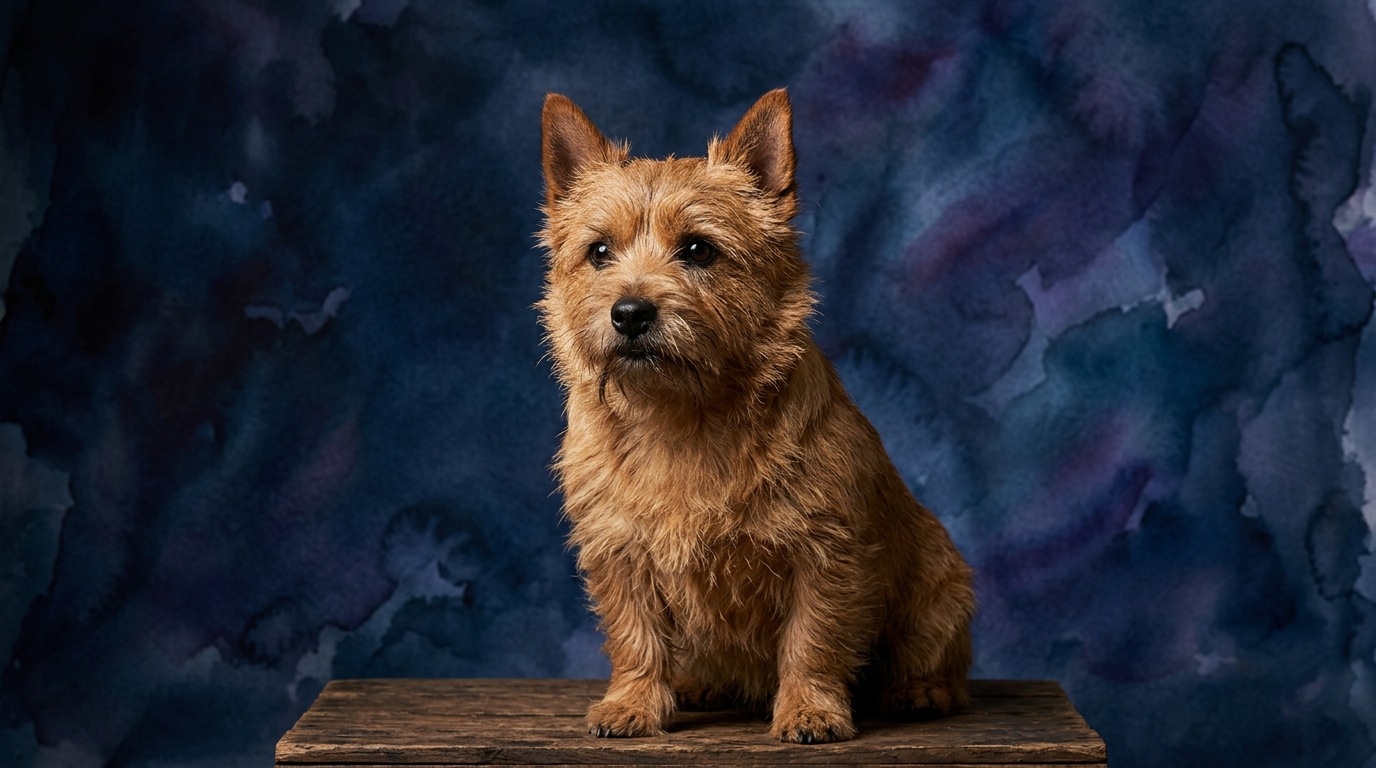
For the **Norwich Terrier**, a breed from the Terrier group, a Problem Solving score of 3/5 translates into a keen, resourceful approach to immediate, often human-centric challenges. They are adept at figuring out how to access a toy, navigate obstacles in a home environment, or even subtly manipulate situations to their advantage, often driven by their independent nature rather than complex abstract thought. Their Training Speed of 3/5 indicates they are capable learners, absorbing commands with reasonable repetition, but their terrier tenacity means compliance isn't always a given, especially if their own ideas conflict. Social Intelligence at 3/5 means they form strong bonds with their chosen family and can navigate social cues within that circle, though they might be more reserved or assertive with strangers or other animals. An Instinctive Drive of 3/5 manifests as a strong prey drive, a desire to dig, and a general spiritedness, reflecting their heritage as vermin hunters. Finally, their Memory at 3/5 allows them to recall commands, routines, and past experiences reliably, contributing to their adaptability in various home settings.
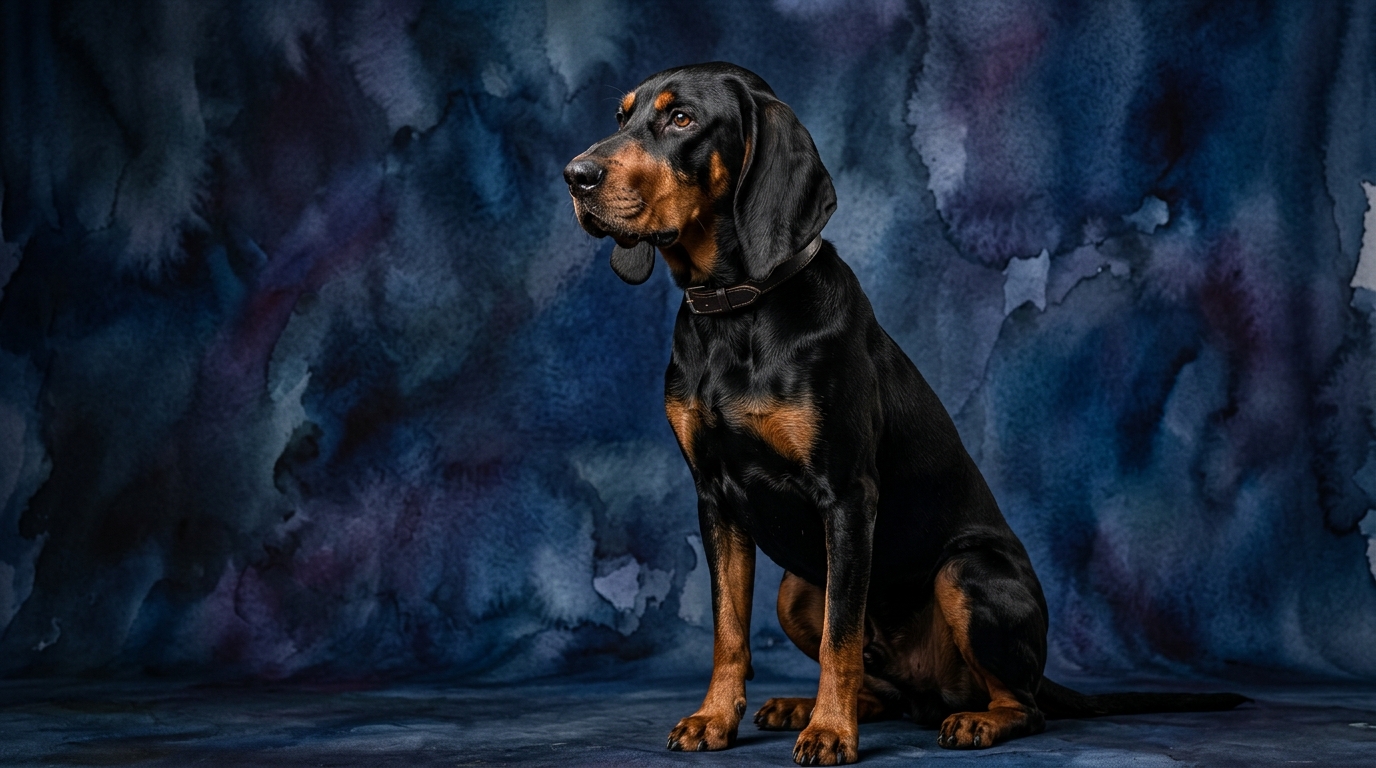
The **Black and Tan Coonhound**, a member of the Hound group, interprets these same 3/5 scores through an entirely different lens, dominated by their olfactory prowess and trailing heritage. Their Problem Solving at 3/5 is overwhelmingly geared towards scent-based puzzles; they excel at following complex trails, discerning specific odors amidst distractions, and methodically working through a scent problem over vast distances, rather than solving abstract human-designed puzzles. A Training Speed of 3/5 means they can learn commands, but their focus is often profoundly tethered to their nose, making compliance challenging when a compelling scent is present. Their independent nature, honed by working far from their handler, also plays a role. Social Intelligence at 3/5 reflects their pack animal origins, making them generally amiable and enjoying canine and human company, though they can exhibit a dignified aloofness. The Instinctive Drive of 3/5 is almost entirely dedicated to their powerful scenting ability and the relentless pursuit of a trail, a drive that can override almost all other considerations. Their Memory at 3/5 is particularly strong for recalling scent patterns, past trails, and established routines, which is crucial for their specialized work, rather than a focus on abstract concepts or verbal commands.
Where the Norwich Terrier Shines Cognitively
The Norwich Terrier’s cognitive strengths, while numerically similar, manifest uniquely in scenarios requiring quick, adaptable thinking in non-scent related contexts. Their 3/5 Problem Solving, when paired with their independent nature, often translates into a cleverness for navigating domestic challenges, such as figuring out how to open a cupboard or retrieve a hidden toy from a complex setup without relying on scent. They tend to process verbal and visual cues rapidly, making them adept at learning tricks or responding to commands in varied environments where distractions are primarily visual or auditory, rather than olfactory. This breed also exhibits a practical social intelligence, quickly discerning changes in human mood or routine within their immediate family, and adjusting their behavior accordingly. Their ability to switch focus between different types of stimulation more readily than a scent hound gives them an edge in dynamic, varied learning situations typical of a busy household.
Where the Black and Tan Coonhound Excels Cognitively
The Black and Tan Coonhound’s cognitive brilliance is undeniably rooted in their extraordinary olfactory capabilities and the mental fortitude required for prolonged tracking. Their 3/5 Problem Solving is unmatched when it comes to intricate scent puzzles, allowing them to follow a faint trail over diverse terrain, deciphering complex scent patterns that are imperceptible to most other breeds. This involves an incredible capacity for sustained focus and methodical deduction, working through layers of information from their environment. Their Memory, also at 3/5, is particularly impressive in its ability to retain vast databases of scent profiles and geographical information related to past trails, which is crucial for their work. While their social intelligence is rated similarly, their capacity for cooperative effort within a 'pack' (whether canine or human) during a hunt, and their ability to work independently yet remain connected to their handler over vast distances, speaks to a specialized form of cognitive awareness unique to their breed purpose.
Training Dynamics: Which Breed is More Amenable?
When considering general obedience training, the Norwich Terrier often presents as the more amenable student, despite both breeds sharing a 3/5 Training Speed. The Norwich, while possessing a stubborn streak typical of terriers, is generally more motivated by human interaction, treats, and toys in a direct, focused manner. Their independence means consistency is paramount, but their attention is less likely to be completely hijacked by an overpowering environmental stimulus like a distant scent. They learn quickly when engaged, and their problem-solving mind can be channeled into understanding what is expected of them in a variety of non-scent-related contexts. Success with a Norwich often comes from making training fun and varied, tapping into their desire to engage with their people.
The Black and Tan Coonhound, conversely, presents a unique set of training challenges due to their profound instinctive drive. While their 3/5 Training Speed means they are capable of learning, their brain is hardwired to prioritize scent above almost all else. A compelling trail can render them temporarily deaf to commands, making recall particularly challenging in unfenced areas. Training a Coonhound requires immense patience, a deep understanding of their breed-specific motivations, and often specialized techniques to work *with* their nose, rather than against it. While they can achieve high levels of obedience, it often takes longer and requires more dedication to proofing commands against strong environmental distractions. For specialized scent work, however, they are unparalleled, demonstrating a willingness to learn and perfect tasks aligned with their innate purpose.
Suitability for Active vs. Relaxed Owners
The choice between these two breeds also hinges significantly on an owner's lifestyle and activity level. The Norwich Terrier, while spirited and requiring regular exercise, is generally suited for owners who enjoy daily walks, interactive play sessions, and mental enrichment through games and training. They adapt well to various living situations, including apartments, provided their needs for engagement and physical activity are met. They thrive on being involved in family life and appreciate an owner who can consistently provide stimulation without necessarily needing to embark on extensive outdoor expeditions. This makes them a good fit for active owners who prioritize mental engagement and varied activities over endurance-based physical exertion.
The Black and Tan Coonhound, by contrast, demands a considerably more active and specific lifestyle from their owners. Their powerful instinctive drive and endurance mean they require substantial daily exercise, ideally incorporating opportunities to use their nose extensively. Long walks, hikes, or safe, securely fenced areas where they can explore scents are crucial. They are not typically suited for relaxed owners who prefer minimal outdoor activity, as their pent-up energy and unfulfilled drive can lead to destructive behaviors or persistent baying. This breed thrives with owners who are dedicated to outdoor adventures, potentially involved in scent work or hunting, and who understand the commitment required to manage a dog with such a strong, specialized drive.
The Verdict
Choose the Norwich Terrier if you seek a spirited, adaptable companion who thrives on interactive engagement and can be a delightful, albeit sometimes opinionated, participant in a variety of family activities, and whose 'problems' are often about outsmarting a clever small dog.
Opt for the Black and Tan Coonhound if you are an active, patient owner dedicated to channeling an exceptional instinctive drive, who enjoys extensive outdoor excursions, and appreciates a dog whose profound 'problem-solving' is intrinsically linked to the world of scent.
🧠 Find Your Pet's IQ Score
Our Pet IQ Lab assessment covers 25+ tests across 5 cognitive dimensions — personalized to your breed.
Take the Full IQ Test →Frequently Asked Questions
Can Norwich Terriers live peacefully with other pets?
Norwich Terriers, with their 3/5 social intelligence, can coexist with other pets, especially if introduced early. However, their terrier prey drive (3/5 instinctive drive) means small, fast-moving pets like rodents or birds might trigger their hunting instincts, requiring careful supervision and training.
How much exercise does a Black and Tan Coonhound truly need?
Black and Tan Coonhounds require significant daily exercise, often an hour or more of vigorous activity, ideally involving opportunities for scent work. Their 3/5 instinctive drive means they need to engage their powerful nose and expend energy to be content and well-behaved companions.
Are Black and Tan Coonhounds challenging to house train?
While Black and Tan Coonhounds have a 3/5 memory and can learn routines, their independent nature and strong scent drive can make house training require consistent effort and patience. They may get distracted by outdoor scents during potty breaks, necessitating diligent supervision and positive reinforcement indoors.