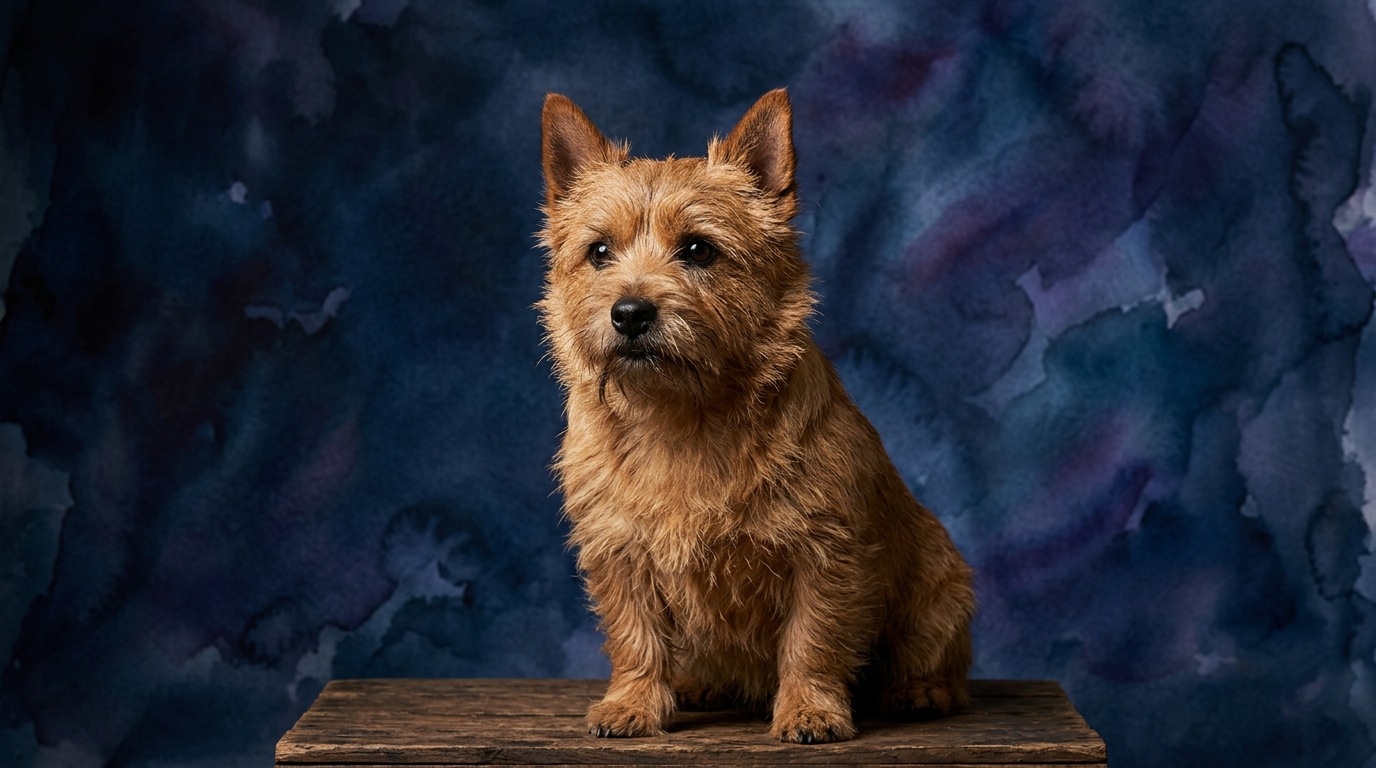
Side-by-Side IQ Profile: Norwich Terrier
Problem Solving (3/5): The Norwich Terrier, with its terrier heritage, approaches problem-solving with a distinctive blend of independence and opportunistic creativity. Their 3/5 rating indicates they are adept at figuring out solutions, often employing their own ingenious, sometimes mischievous, methods to achieve a desired outcome, such as navigating obstacles to reach a favorite toy or strategically 'outsmarting' a puzzle feeder. This isn't about complex abstract thought, but rather practical, goal-oriented solutions driven by their desires.
Training Speed (3/5): Norwich Terriers demonstrate a good capacity for learning new commands and routines, earning a 3/5 in training speed. They can grasp concepts quickly, but their independent nature often means they're also quick to decide if a task is worth their full attention. Consistency, engaging methods, and positive reinforcement are key to maintaining their focus and enthusiasm, as they are less inclined to perform purely for compliance.
Social Intelligence (3/5): Their social intelligence at 3/5 reflects an ability to read cues within their immediate family unit and form strong, affectionate bonds. They understand social dynamics within their human and canine 'pack,' but their terrier assertiveness means they might be selective in their interactions with strangers or other animals, preferring to assert their own boundaries rather than always seeking universal approval. They are keenly aware of their environment and the people in it.
Instinctive Drive (3/5): The Norwich Terrier's instinctive drive, rated at 3/5, is a clear echo of their vermin-hunting past. This manifests as a noticeable urge to chase small critters, dig, and alert bark. While not overwhelming, these drives require appropriate outlets and management to prevent them from becoming problematic. They possess a persistent determination when focused on a 'prey' item.
Memory (3/5): A 3/5 memory score for the Norwich Terrier signifies solid retention of learned behaviors, routines, and past experiences. They remember what works and what doesn't, both in terms of training commands and successful strategies for getting their way. This strong memory can contribute to their perceived stubbornness, as they will recall past inconsistencies or rewards, influencing their future responses.
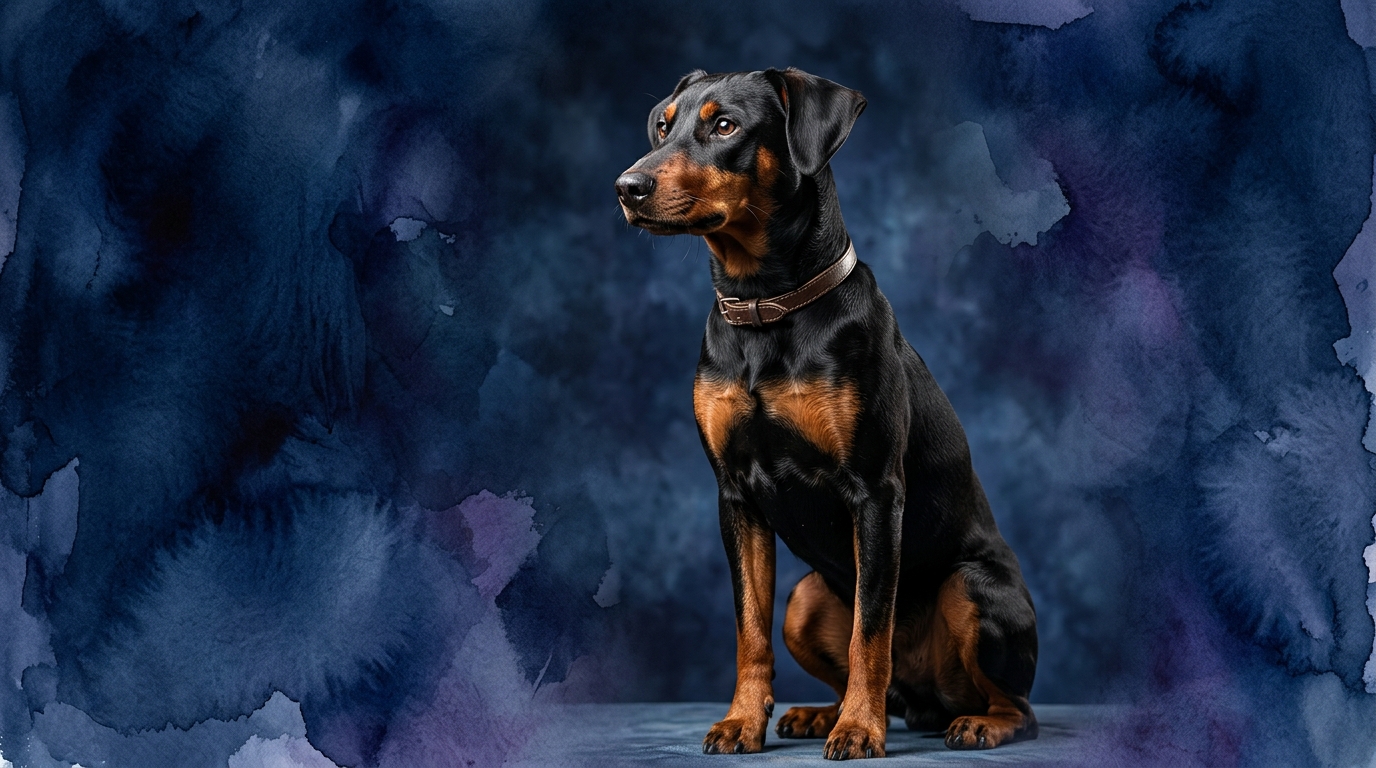
Side-by-Side IQ Profile: German Pinscher
Problem Solving (3/5): The German Pinscher, a working breed, exhibits a 3/5 in problem-solving that is characterized by efficiency and purposefulness. They excel at assessing situations relevant to their 'job,' whether it's navigating an agility course, understanding household routines, or identifying potential changes in their environment. Their solutions are often direct and effective, focused on achieving a clear objective rather than employing the more circuitous, independent methods of a terrier.
Training Speed (3/5): With a 3/5 in training speed, German Pinschers are capable learners who can quickly absorb new commands and tasks, particularly when they perceive a clear purpose or benefit. They respond well to structured training and consistent guidance. However, their strong will and working dog mentality mean that while they learn quickly, they also require a confident and consistent handler to channel their focus and ensure reliable execution, especially when faced with distractions.
Social Intelligence (3/5): Their 3/5 social intelligence reflects a keen observational ability and a strong understanding of their social hierarchy, crucial for a working and guarding breed. German Pinschers are adept at reading intentions, whether from family members or strangers, and form deep, protective bonds. They can be reserved or discerning with unfamiliar individuals, often taking time to assess new social situations before fully engaging.
Instinctive Drive (3/5): The German Pinscher's 3/5 instinctive drive is deeply rooted in their heritage as guardians and ratters. This manifests as strong vigilance, a desire to patrol, and a noticeable prey drive. They possess an inherent need for a 'job' or purpose, and without adequate physical and mental stimulation, these drives can lead to restlessness or destructive behaviors. They are motivated by a clear sense of duty and activity.
Memory (3/5): A 3/5 memory score indicates that German Pinschers have excellent recall for training, routines, and significant experiences. They remember commands, boundaries, and the consequences of their actions. This strong memory aids in their ability to perform complex tasks and to develop reliable habits, but also means they will remember inconsistencies in training or perceived unfairness, which can impact future cooperation.
Where the Norwich Terrier Wins Cognitively
While both breeds score identically, the Norwich Terrier's cognitive strengths often shine in areas requiring independent thought and adaptable, 'on-the-fly' problem-solving. Their 3/5 problem-solving manifests as a unique ability to navigate novel situations by applying their own terrier logic, often finding creative, if sometimes unorthodox, ways to achieve their personal goals without direct human instruction. This might involve figuring out how to bypass a gate or locate a hidden treat using a strategy entirely of their own devising. Their quick wit and ability to pivot their attention, a facet of their 3/5 training speed, also allows them to adapt rapidly to changing play scenarios, making them engaging and unpredictable companions in interactive games.
Where the German Pinscher Wins Cognitively
The German Pinscher's cognitive edge, despite matching scores, lies in its purposeful and structured application of intelligence, stemming from its working heritage. Their 3/5 problem-solving often translates into a more efficient and goal-oriented approach, particularly in task-based scenarios such as agility or obedience. They excel at understanding complex sequences and executing them consistently, demonstrating a focused determination that prioritizes the task at hand. Their 3/5 social intelligence also leans towards a nuanced discernment of intent, making them astute observers of their environment and capable of quickly assessing new situations for potential changes or threats, a valuable trait for a vigilant companion.
Which is Easier to Train and Why
Neither the Norwich Terrier nor the German Pinscher can be categorized as 'easy' in the traditional sense, as both possess a 3/5 training speed and strong wills. However, their training journeys differ significantly. The German Pinscher tends to be more responsive to structured, consistent training with a clear purpose, owing to their working dog mentality and a desire for a 'job.' Their 3/5 memory means they retain commands well, and their 3/5 instinctive drive, when channeled appropriately, makes them eager participants in activities like obedience or agility, provided the handler offers confident and consistent leadership. In contrast, the Norwich Terrier, while capable of learning quickly, often requires a more creative and patient approach. Their 3/5 problem-solving often means they'll try to 'outthink' the trainer or find an alternative to a command if they perceive it as tedious or unrewarding. Training sessions need to be short, highly engaging, and varied, leveraging their independent spirit rather than trying to suppress it. Therefore, an owner seeking a dog for structured obedience might find the German Pinscher's approach to learning more straightforward, while an owner who enjoys playful negotiation and variety might better suit the Norwich.
Which Suits Active Owners vs. Relaxed Owners
Both the Norwich Terrier and the German Pinscher, with their 3/5 instinctive drives, are decidedly unsuitable for truly relaxed owners seeking a sedentary companion. However, the *type* of activity they thrive on differs. The Norwich Terrier suits an active owner who appreciates varied, engaging play sessions, short bursts of vigorous activity, and mental stimulation that taps into their terrier instincts – think scent games, digging opportunities, and exploring new environments. They adapt well to urban living provided their cognitive and physical needs are met with consistent, creative engagement. The German Pinscher, on the other hand, demands a more rigorous and structured approach to activity. They are an ideal match for highly active owners who can provide consistent, challenging physical exercise like long runs, hiking, or dog sports such as agility or Schutzhund. Their 3/5 instinctive drive means they need a clear purpose and outlet for their energy, thriving on consistency and a 'job' that engages both their body and their sharp mind.
The Verdict
Choose the Norwich Terrier if you appreciate a spirited, independent companion with a playful approach to life, and are prepared to engage their terrier instincts with creativity and patience, enjoying a dog that thinks for itself.
Choose the German Pinscher if you seek a loyal, vigilant, and purposeful companion, and can provide consistent leadership, structured training, and ample opportunities for physical and mental engagement that taps into their working dog heritage.
🧠 Find Your Pet's IQ Score
Our Pet IQ Lab assessment covers 25+ tests across 5 cognitive dimensions — personalized to your breed.
Take the Full IQ Test →Frequently Asked Questions
Are Norwich Terriers and German Pinschers equally trainable despite identical scores?
While both breeds share a 3/5 training speed, their approaches to learning differ significantly. German Pinschers generally thrive on structured, purposeful training with consistent leadership, whereas Norwich Terriers often require more creative, engaging, and varied methods to maintain their independent attention.
How do their 3/5 instinctive drives differ in everyday life?
The Norwich Terrier's 3/5 instinctive drive primarily manifests as a strong urge to chase small animals, dig, and bark, rooted in vermin control. The German Pinscher's 3/5 drive, however, leans towards vigilance, patrolling, and a need for purpose, reflecting its guarding and working dog background.
Which breed is better for first-time dog owners?
Neither breed is typically recommended for first-time dog owners without significant commitment to training and socialization. Both possess strong personalities and 3/5 instinctive drives, requiring consistent guidance and understanding of their specific breed traits to thrive.