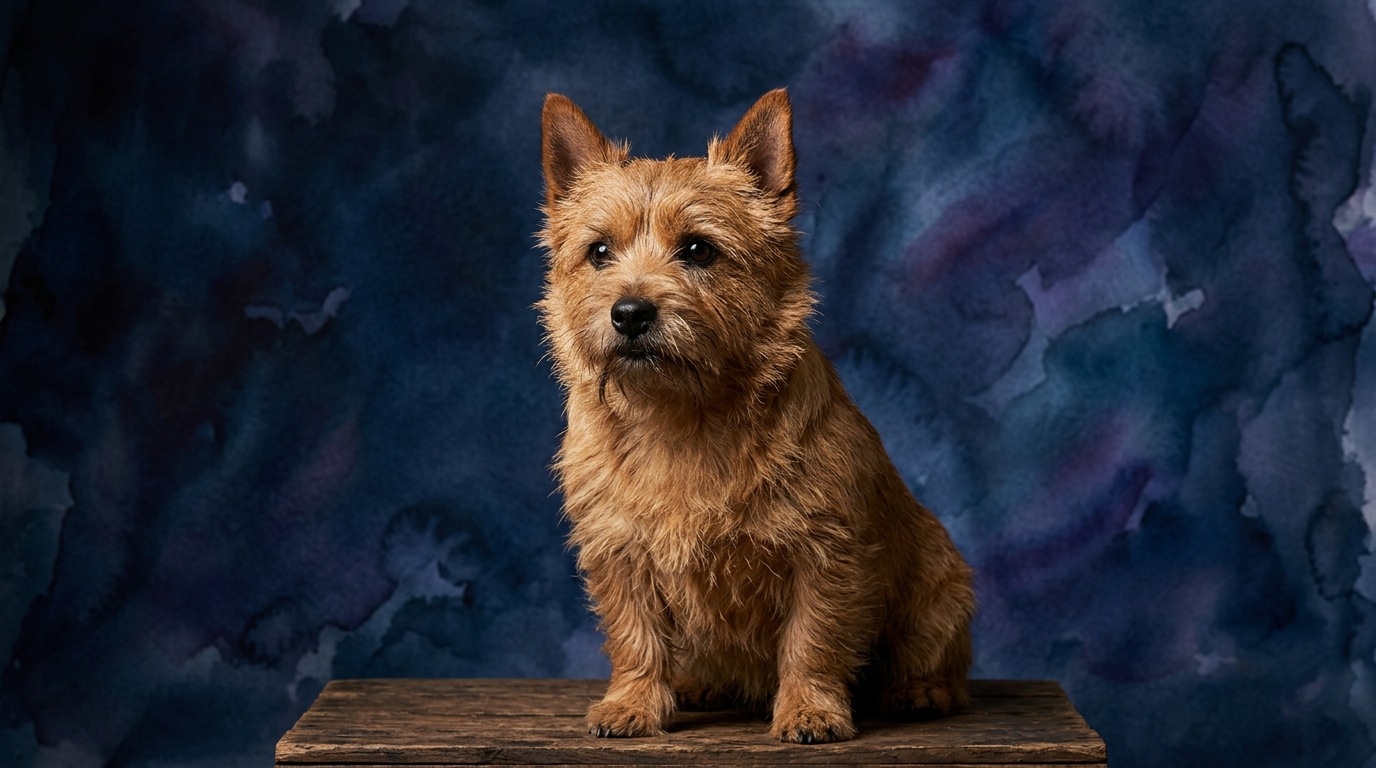
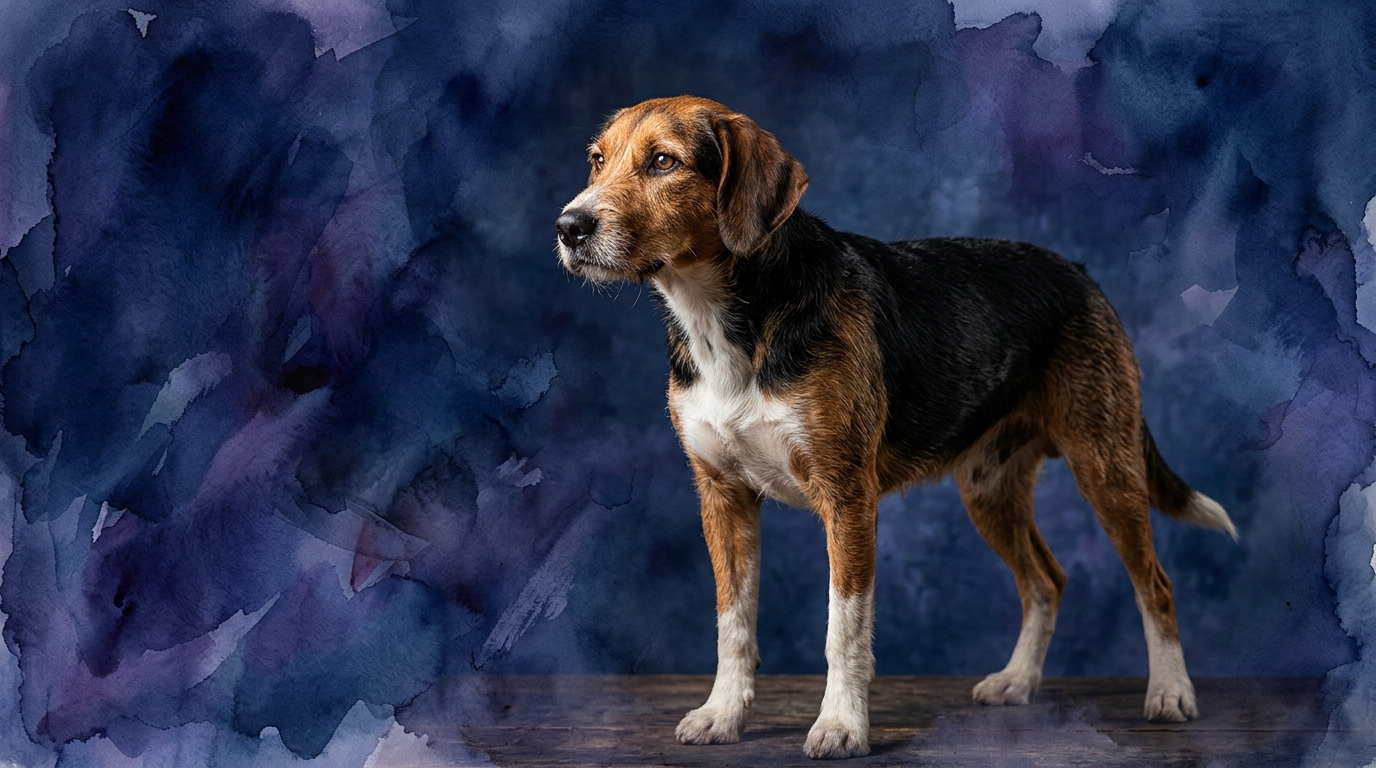
Side-by-Side IQ Profile: Norwich Terrier vs. Harrier
The Cosmic Pet Pet IQ Lab evaluates five key cognitive dimensions, and both the Norwich Terrier and the Harrier register a 3/5 across the board. While the numerical scores align, the *nature* of their intelligence within each dimension is uniquely shaped by their breed history and purpose.
For **Problem Solving (3/5)**, the Norwich Terrier, a tenacious vermin hunter, typically approaches challenges with persistent, hands-on resourcefulness. Their solutions often involve physical manipulation, digging, or squeezing into tight spaces to achieve a goal, reflecting a practical, immediate problem-solving style. The Harrier, on the other hand, excels at solving complex environmental puzzles through scent. Their problem-solving is less about physical obstacles and more about discerning intricate olfactory trails, demonstrating endurance and focus over long distances.
Regarding **Training Speed (3/5)**, the Norwich Terrier learns commands at a moderate pace, but their independent spirit and assertive Terrier nature can introduce challenges in consistent compliance. They might grasp a concept quickly but require strong motivation and firm, engaging methods to ensure reliable responses. The Harrier also learns at a moderate speed, yet their primary distraction is often an overwhelming drive to follow scent. While they can be eager to please, a compelling odor can easily override learned commands, demanding a trainer who understands and manages their intrinsic motivations.
In terms of **Social Intelligence (3/5)**, the Norwich Terrier generally reads human cues well and can form strong bonds, though their assertive personality means they often prefer to interact on their own terms. They understand social dynamics but may test boundaries or express their opinions with a characteristic Terrier boldness, especially with other canines. The Harrier, bred to work in packs, typically displays excellent social acumen with both humans and other dogs. They are often outgoing and cooperative, thriving in group settings, though their boisterous enthusiasm might require careful channeling in social interactions.
Their **Instinctive Drive (3/5)** highlights their contrasting historical roles. The Norwich Terrier possesses a strong, focused prey drive directed at small vermin, manifesting as an intense desire to hunt, chase, and dig. This drive is about the pursuit and resolution of a specific, small-scale target. The Harrier's drive is centered on scent-tracking and pursuing game like hare over vast areas. Their instinct is a powerful, enduring urge to follow a trail, often vocally, working as part of a larger hunting unit.
Finally, for **Memory (3/5)**, the Norwich Terrier demonstrates a practical memory for routines, specific locations of interest (like where a favorite toy is hidden or a squirrel was spotted), and commands learned through repetition. Their recall is often tied to their immediate environment and personal experiences. The Harrier boasts a remarkable olfactory memory, capable of remembering complex scent trails and the presence of specific animals over time and distance. They also retain training and routines effectively, but their sensory memory, particularly for scent, is exceptionally developed.
Where the Norwich Terrier Wins Cognitively
The Norwich Terrier's cognitive strengths shine in scenarios demanding quick, independent decision-making and hands-on problem-solving in confined or immediate environments. Their intelligence excels at tasks requiring determination and resourcefulness to overcome physical obstacles, such as figuring out how to retrieve a toy stuck under furniture or outsmarting a garden pest. Their assertive nature also translates into a cognitive tenacity, meaning they are less likely to give up on a puzzle or a desired outcome once they've committed to it. This breed’s mental agility is particularly suited to navigating and manipulating their immediate surroundings with purpose and a strong sense of self-direction, often demonstrating a cleverness in achieving their personal objectives.
Where the Harrier Wins Cognitively
The Harrier's cognitive advantages are most evident in tasks requiring sustained focus, endurance, and advanced sensory processing, particularly olfactory discrimination. Their intelligence allows them to process and interpret a vast array of scent information, following intricate trails over challenging terrains for extended periods without losing concentration. This makes them exceptional at complex tracking or scent work. Furthermore, their pack heritage suggests a cognitive aptitude for cooperative problem-solving, understanding group dynamics, and maintaining cohesion within a unit, which is a different facet of social intelligence than the Norwich Terrier's individual assertiveness. Their mental stamina for long-duration tasks is a clear cognitive edge.
Which is Easier to Train and Why
Despite identical 3/5 training speed scores, the *nature* of training challenges differs significantly. The Norwich Terrier can be a more demanding trainee due to their independent streak and strong-willed personality; they often require consistent, patient, and highly engaging methods to maintain focus and compliance. Their high prey drive means distractions like small animals can instantly override commands, necessitating rigorous proofing in varied environments. The Harrier, while also requiring consistent training, presents a different set of challenges. Their overwhelming scent drive means that even the most compelling treats or praise can be secondary to a fascinating odor. Training a Harrier effectively involves integrating their natural drive into the training process, such as using scent games as rewards or working in environments where distracting smells can be managed. While both require dedication, the Harrier's inherent pack desire can sometimes make them more inclined to follow a leader once their scent-driven impulses are acknowledged and channeled, potentially making them 'easier' in terms of willingness to cooperate, provided their primary drive is accommodated.
Which Suits Active Owners vs. Relaxed Owners
For active owners seeking a canine companion for outdoor adventures and engaging activities, the Harrier is an excellent fit. Their profound instinctive drive and physical endurance mean they thrive with owners who can provide extensive opportunities for long walks, runs, or scent-work games. Their cognitive engagement comes from processing environmental stimuli over distance, making them ideal for hiking enthusiasts or those interested in dog sports like tracking or agility. Relaxed owners, or those seeking a dog content with shorter, less intense outings, would find the Harrier's needs challenging to meet. The Norwich Terrier, while certainly energetic and requiring regular exercise, can adapt better to a slightly less demanding activity schedule. Their cognitive stimulation often comes from varied indoor games, puzzle toys, and shorter, more frequent outdoor explorations focused on their immediate surroundings. They suit owners who enjoy interactive play and mental challenges within the home, alongside moderate outdoor activity, rather than extensive, endurance-based excursions.
The Verdict
Choose the Norwich Terrier if you appreciate a clever, assertive companion who excels at navigating their immediate world and thrives on interactive, problem-solving games within a moderate activity level.
Opt for the Harrier if you are an active individual or family eager to engage with a tireless, scent-driven dog on long outdoor adventures and derive satisfaction from channeling a powerful, ancient hunting instinct.
🧠 Find Your Pet's IQ Score
Our Pet IQ Lab assessment covers 25+ tests across 5 cognitive dimensions — personalized to your breed.
Take the Full IQ Test →Frequently Asked Questions
Do Norwich Terriers make good family pets?
Norwich Terriers can be wonderful family pets, known for their affectionate nature with their chosen people. They are spirited and playful, but their assertive personality means early socialization and consistent training are crucial, especially around children and other pets, to ensure harmonious living.
What kind of exercise does a Harrier need?
Harriers require substantial daily exercise, ideally including long runs, brisk walks, or vigorous play sessions. Their strong scent drive means they benefit greatly from activities like tracking or field work, which engage both their physical stamina and their keen olfactory senses.
Are Norwich Terriers prone to barking?
Norwich Terriers are alert and vocal, often using their bark to announce visitors or perceived threats. While not excessively yappy, their Terrier nature means they can be prone to barking if not properly trained and socialized, making early intervention important for managing their communication.