Side-by-Side IQ Profile: Unpacking the 3/5 Scores
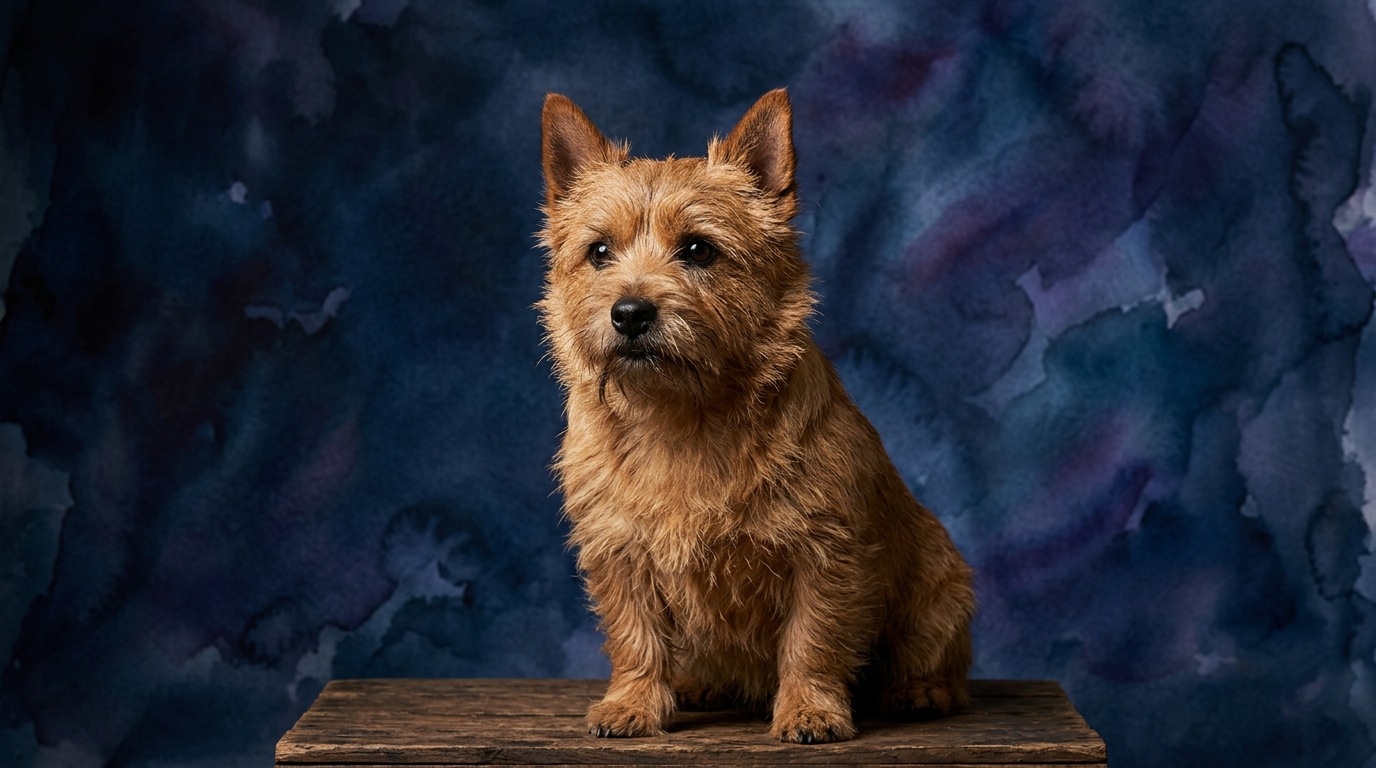
The Cosmic Pet Pet IQ Lab assigns both the Norwich Terrier and the Lhasa Apso a consistent 3 out of 5 across all five cognitive dimensions: Problem Solving, Training Speed, Social Intelligence, Instinctive Drive, and Memory. While numerically identical, the underlying manifestation of these scores is shaped by each breed's historical purpose and inherent temperament. For the Norwich Terrier, a 3/5 in Problem Solving often translates to a tenacious, hands-on approach, quickly strategizing how to pursue a perceived 'quarry' or navigate obstacles in their environment, driven by their terrier instincts. Their 3/5 Training Speed indicates a moderate learning pace, requiring consistent, engaging methods to capture their independent spirit. Social Intelligence at 3/5 suggests they are generally adept at reading human cues within their established 'pack' but can be discerning or assertive with strangers or other animals. Their Instinctive Drive, also 3/5, prominently features a robust prey drive and a propensity for digging and exploring. Finally, a 3/5 in Memory for the Norwich often means they recall routes, favored play spots, and the location of interesting scents with good accuracy, particularly those relevant to their exploratory nature.
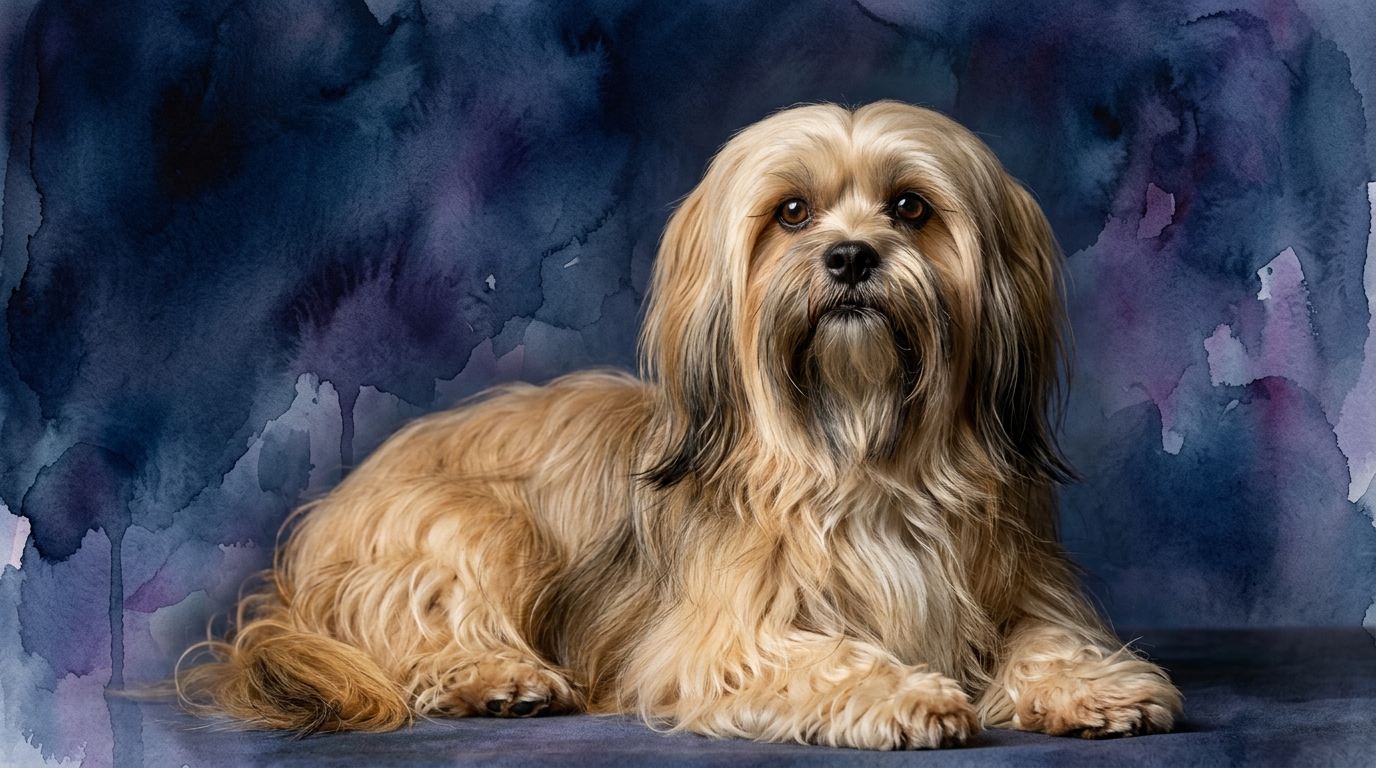
The Lhasa Apso, conversely, interprets the same 3/5 scores through the lens of a historical sentinel. Their 3/5 Problem Solving manifests as a more observational and strategic intelligence, adept at assessing situations, identifying potential threats, and devising effective alerting tactics. A 3/5 Training Speed for the Lhasa suggests a moderate learning curve that demands patience and positive reinforcement, as they possess an independent streak and may require clear motivation to comply. Their 3/5 Social Intelligence is characterized by a deep devotion to their family unit, coupled with a naturally reserved, often suspicious demeanor towards outsiders, making them excellent judges of character within their perceived territory. The 3/5 Instinctive Drive for the Lhasa is strongly tied to their guarding instincts, compelling them to alert to perceived intruders and protect their space. Their 3/5 Memory allows them to recall specific faces, routines, and past perceived threats with good fidelity, crucial for their role as a watchful companion.
Where the Norwich Terrier Excels Cognitively
Despite sharing identical scores, the Norwich Terrier’s cognitive strengths shine particularly in areas demanding active physical engagement and resourceful, immediate problem-solving. Their 3/5 problem-solving capability is often expressed through an intrepid determination to overcome physical barriers or figure out how to access intriguing spaces, such as finding a way through a fence or unearthing a buried toy. This terrier grit means they are less likely to give up when faced with a challenge that appeals to their natural curiosity or hunting instincts. Their instinctive drive, also rated 3/5, fuels a persistent mental engagement with their surroundings, constantly processing scents, sounds, and movements, which translates into a cognitive readiness for dynamic interaction. They exhibit a robust memory for spatial layouts and successful strategies used in past escapades or 'hunts,' applying this knowledge to new, similar situations. This active, physically integrated form of cognition allows them to excel in environments where quick thinking and tenacious action are rewarded, making them adept at navigating complex outdoor scenarios or figuring out interactive puzzle toys that demand physical manipulation.
Where the Lhasa Apso Holds a Cognitive Edge
The Lhasa Apso's cognitive strengths, while numerically similar, lean towards a more discerning, observational, and long-term memory-driven intelligence, reflecting their ancient role as a watchdog. Their 3/5 problem-solving often involves a strategic assessment of their environment, such as determining the most effective vantage point for observation or devising subtle ways to alert their family to perceived changes. The Lhasa's social intelligence, also 3/5, is particularly refined in its ability to differentiate between familiar and unfamiliar individuals, often exhibiting a keen, almost intuitive judgment of character that serves their guarding instincts. This isn't about universal friendliness but a precise social discernment. Their 3/5 memory excels at retaining detailed recollections of faces, routines, and past interactions, allowing them to build a complex mental map of their social and territorial landscape. Furthermore, the Lhasa Apso's inclusion in Stanley Coren's ranking at #68, indicating 'Fair Working Intelligence,' suggests a studied capacity for understanding and obeying commands, even if it requires more repetitions than breeds in higher categories. This formal assessment provides a benchmark of their cognitive processing for structured learning, a distinction the Norwich Terrier lacks in this specific ranking system.
Which Is Easier to Train and Why?
Given that both breeds share an identical 3/5 rating for Training Speed, neither the Norwich Terrier nor the Lhasa Apso can be definitively labeled as 'easier' to train in a general sense; rather, the *nature* of their training experience differs significantly based on their inherent behavioral drives. The Norwich Terrier, with its strong 3/5 instinctive drive rooted in hunting, often requires training that is highly engaging, varied, and rewards focus amidst distractions. Their independent terrier spirit means they can be easily sidetracked by interesting scents or sights, demanding creative methods to maintain their attention and overcome their natural inclination to follow their nose or chase. Effective training for a Norwich often involves turning commands into a game, leveraging their curiosity and providing ample opportunities for physical and mental stimulation to prevent boredom-driven resistance. Their training challenge lies in channeling their boundless energy and tenacious will.
The Lhasa Apso, also rated 3/5 for Training Speed, presents a different set of training considerations stemming from their 3/5 instinctive drive for guarding and their independent, sometimes stubborn, temperament. They are not as easily distracted by external stimuli as a Norwich might be, but they can be highly discerning about who they choose to obey and when. Training a Lhasa requires immense patience, consistency, and a clear establishment of leadership based on trust and positive reinforcement. They respond best to fair, gentle methods and can become resistant or withdrawn if subjected to harshness. Their social intelligence, a 3/5, means they form strong bonds and will work for their trusted family members, but their inherent skepticism towards strangers can make group classes or training by external handlers more challenging. The key to successful Lhasa training lies in understanding their deep-seated loyalty and independent decision-making, rather than expecting eager, unreserved compliance.
Which Suits Active Owners vs. Relaxed Owners?
The choice between a Norwich Terrier and a Lhasa Apso also hinges significantly on an owner's lifestyle and energy levels, despite their similar IQ scores suggesting comparable mental stimulation needs. The Norwich Terrier, with its 3/5 instinctive drive and active problem-solving, is generally better suited for active owners. They thrive on regular physical exercise, such as brisk walks, engaging play sessions, and opportunities for safe off-leash exploration in secure environments. Their innate curiosity and desire to 'work' mean they benefit greatly from interactive games, puzzle toys, and even participation in dog sports like agility or earthdog trials. An owner who enjoys outdoor adventures, is committed to consistent training that channels their terrier energy, and appreciates a lively, tenacious companion will find a Norwich Terrier a rewarding match. They are not content to be couch potatoes and require significant mental and physical engagement to prevent boredom and potential destructive behaviors.
Conversely, the Lhasa Apso, while still requiring daily walks and mental engagement, often aligns more comfortably with relaxed owners. Their 3/5 instinctive drive is focused on watchful guarding rather than relentless physical activity, making them content with moderate exercise and indoor companionship. They enjoy being part of family activities, whether it's lounging nearby or taking a leisurely stroll around the neighborhood to survey their territory. Owners who appreciate a devoted, discerning presence, are comfortable with a dog that is reserved with strangers, and can provide consistent, calm leadership will find the Lhasa Apso a fulfilling companion. They offer loyalty and a watchful nature without demanding the high-octane physical output of many other breeds. While they enjoy mental challenges, these can often be met with indoor games and consistent routines rather than extensive outdoor excursions, fitting well into a calmer household rhythm.
The Verdict
Choose the Norwich Terrier if you seek an active, tenacious companion who thrives on physical engagement and enjoys figuring out challenges with spirited determination.
Opt for the Lhasa Apso if you desire a discerning, loyal sentinel whose intelligence manifests in watchful observation and devoted companionship, fitting a more relaxed home.
🧠 Find Your Pet's IQ Score
Our Pet IQ Lab assessment covers 25+ tests across 5 cognitive dimensions — personalized to your breed.
Take the Full IQ Test →Frequently Asked Questions
Do Norwich Terriers and Lhasa Apsos have the same intelligence?
According to The Cosmic Pet Pet IQ Lab, both breeds score 3/5 across all five cognitive dimensions. However, their intelligence manifests differently due to their distinct historical roles and innate temperaments.
Which breed is more independent, Norwich Terrier or Lhasa Apso?
Both breeds possess a notable independent streak, contributing to their moderate 3/5 training speed. The Norwich's independence often stems from its hunting drive, while the Lhasa's comes from its sentinel role and discerning nature.
Are Norwich Terriers good with strangers compared to Lhasa Apsos?
Norwich Terriers, with a 3/5 social intelligence, can be assertive but generally more open than Lhasa Apsos. Lhasa Apsos, also 3/5, are typically reserved and suspicious of strangers, a trait stemming from their guarding instincts, making them discerning judges of character.