Side-by-Side Cognitive Profile: Unpacking Identical Scores
At first glance, the Pet IQ Lab scores for both the Norwich Terrier and the Parson Russell Terrier present an identical profile: a consistent 3 out of 5 across all five cognitive dimensions. This alignment underscores their shared terrier lineage, indicating moderate capabilities in problem-solving, training speed, social intelligence, instinctive drive, and memory. However, a deeper dive into their breed-specific temperaments and historical roles reveals how these identical numerical ratings translate into distinctly different expressions of canine intellect and behavior, offering a nuanced understanding beyond mere numbers.
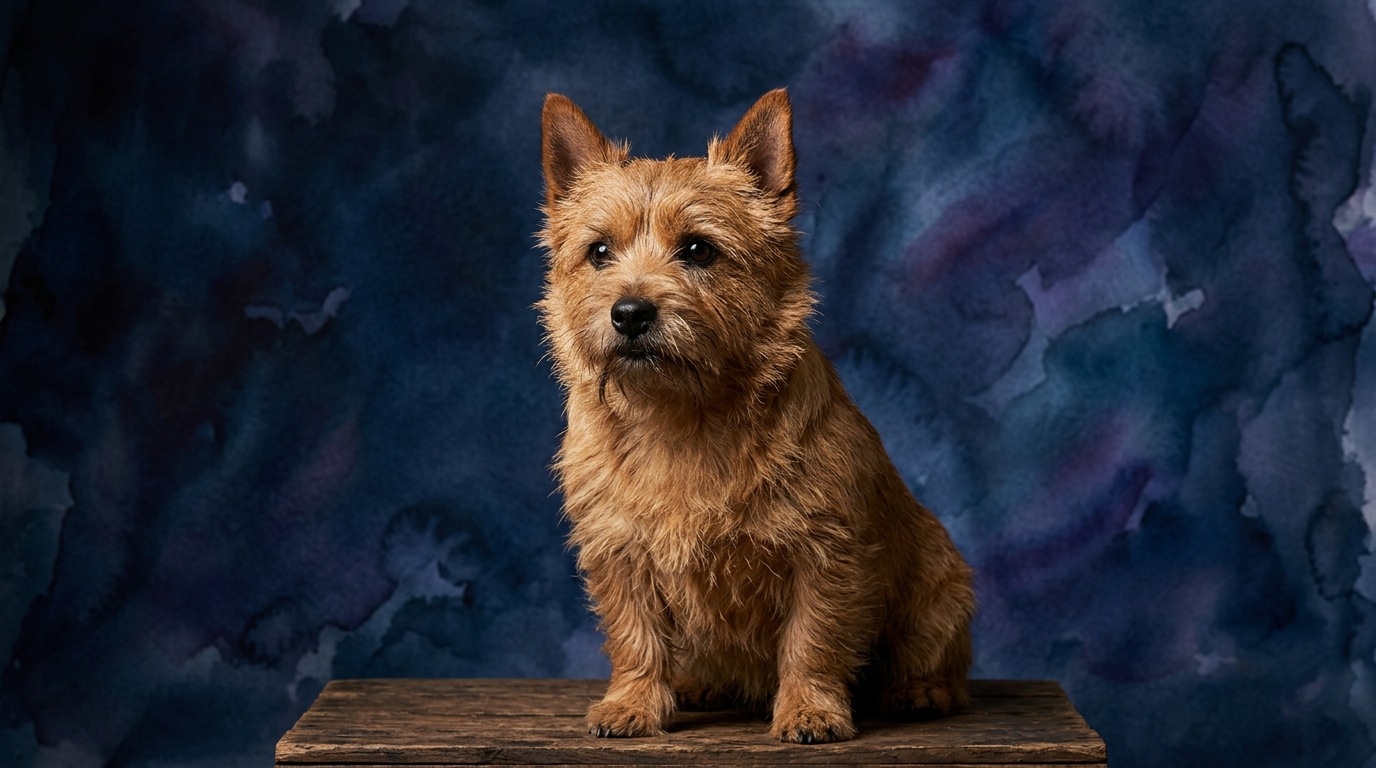
For the Norwich Terrier, a 3/5 in Problem Solving often manifests in practical, comfort-oriented ways, such as efficiently navigating a crowded room for a cozy spot or figuring out how to get attention from their human. Their Training Speed, also at 3/5, suggests they learn at a steady pace, thriving with consistent, positive reinforcement that appeals to their desire for companionship. Social Intelligence at 3/5 allows them to be observant of family dynamics, often tuning into human moods and seeking harmonious interactions. Their Instinctive Drive, rated 3/5, is present but typically expressed in moderate digging, occasional alert barking, or a focused chase of a small garden critter. Finally, their 3/5 Memory means they reliably recall routines, familiar faces, and the locations of favorite toys or treats, contributing to their reputation as delightful, predictable house companions.
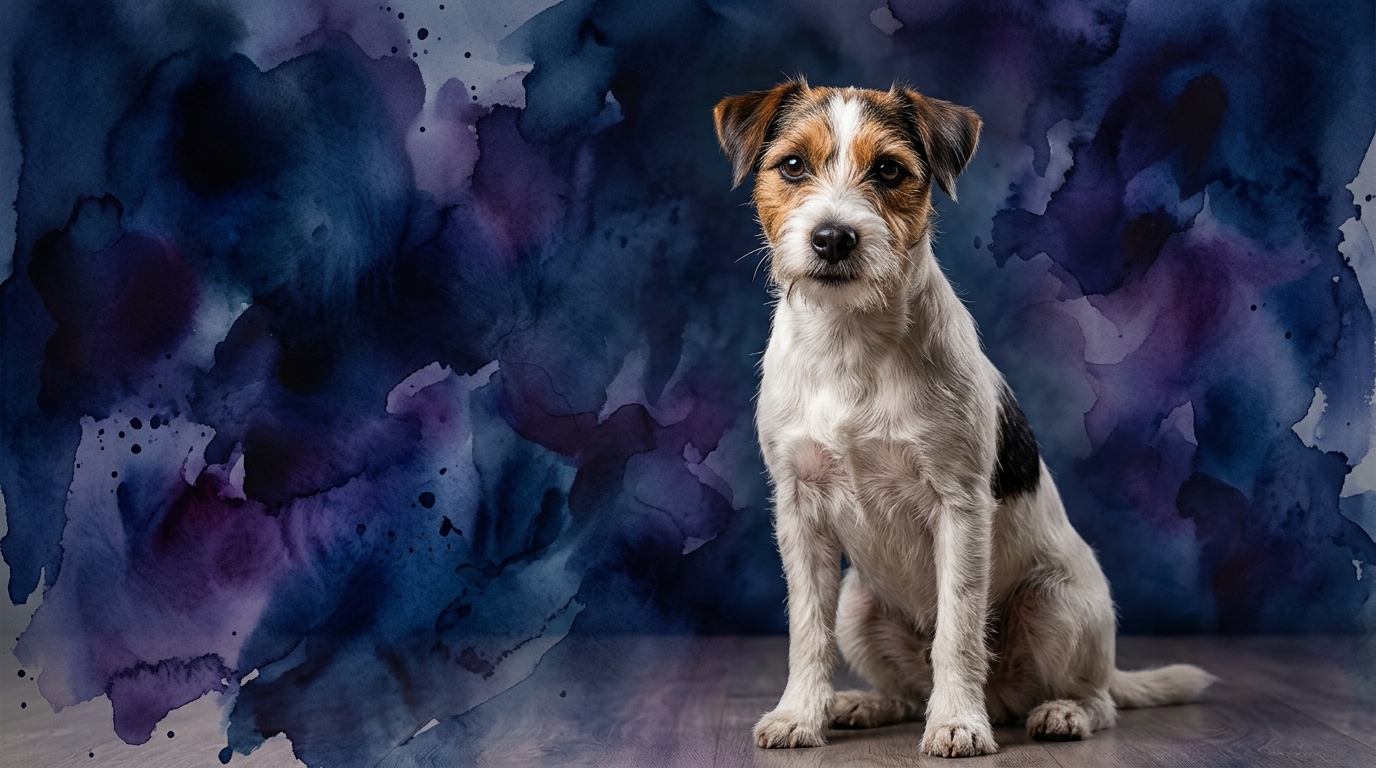
The Parson Russell Terrier, while sharing the 3/5 scores, expresses these capacities with a different flavor. Their Problem Solving at 3/5 is frequently geared towards more goal-oriented pursuits, like strategizing how to retrieve a toy from a difficult spot or outmaneuvering a perceived 'prey' during play, showcasing ingenuity in action. A 3/5 Training Speed indicates they are capable learners, often picking up commands quickly, but their high energy and focus on action require engaging methods to maintain their interest. Their 3/5 Social Intelligence can be more assertive and playful, as they tend to read others for interaction and opportunities for activity. The Parson's 3/5 Instinctive Drive is often pronounced and persistent, rooted in their working heritage, manifesting as an intense desire to chase, explore, and dig with purpose. Their 3/5 Memory is well-suited for retaining complex training sequences, scent trails, and spatial awareness during active pursuits, making them adept at tasks requiring recall of patterns and paths.
Where the Norwich Terrier Shows Unique Cognitive Strengths
Despite sharing overall cognitive scores, the Norwich Terrier carves out distinct cognitive strengths that align with its role as a charming companion. Their problem-solving, while not always about grand schemes, shines in their ability to adapt smoothly to diverse living environments and navigate social situations within a family. They are adept at understanding household rhythms, quickly learning how to solicit attention or find the most comfortable spot for a nap, demonstrating practical intelligence for domestic harmony.
The Norwich's social intelligence, rated 3/5, is particularly refined in its capacity for empathy and connection. They often display a keen awareness of their human's emotional state, offering comfort or seeking interaction at opportune moments. This sensitivity, combined with their reliable memory for routines and preferences, makes them exceptionally intuitive companions, capable of anticipating needs and integrating seamlessly into family life, often becoming the quiet, observant heart of the home.
Where the Parson Russell Terrier Displays Distinct Cognitive Edge
The Parson Russell Terrier, in contrast, exhibits its cognitive strengths through a lens of tenacity and spirited engagement. Their problem-solving, also a 3/5, is often channeled into overcoming physical and mental challenges, such as figuring out how to bypass an obstacle to reach a desired object or strategizing during a game of fetch to 'win.' This ingenuity is less about comfort and more about achieving a specific, often active, goal.
The Parson's instinctive drive, while numerically identical at 3/5, manifests with a higher degree of sustained intensity and purpose compared to the Norwich. This drive, coupled with their strong memory for learned tasks and routes, makes them exceptional at activities requiring focus and persistence, like agility courses or earthdog trials. Their cognitive edge lies in their ability to apply their moderate intelligence with spirited determination, making them highly effective partners in task-oriented pursuits.
Training Dynamics: Norwich vs. Parson Russell
Training a Norwich Terrier, with a 3/5 training speed, requires a consistent, patient, and positive reinforcement approach. They respond well to praise, gentle guidance, and food rewards, but their independent terrier spirit means owners must be firm yet fair, avoiding harsh corrections which can make them withdraw. Their moderate instinctive drive means they are generally less distracted by external stimuli like small animals during training sessions, but their desire for comfort and routine means house-training and basic manners might require diligent, consistent effort to establish good habits.
The Parson Russell Terrier, also with a 3/5 training speed, presents a different set of dynamics. They learn quickly and enjoy structured training, especially when it involves activity and mental engagement. However, their higher physical energy and pronounced instinctive drive mean training often focuses on channeling their exuberance and managing impulse control. Owners must provide variety and keep sessions engaging to prevent boredom and potential mischievousness. Early and consistent socialization, combined with training that taps into their natural prey drive through activities like fetch or scent work, is crucial for fostering a well-behaved and focused companion, as their memory for complex sequences and actions can be quite impressive when properly motivated.
Lifestyle Suitability: Active vs. Relaxed Owners
For owners seeking a more relaxed yet engaging companion, the Norwich Terrier is often an excellent fit. Their moderate instinctive drive (3/5) means they enjoy daily walks and playtime but are equally content to curl up on the couch for extended periods, thriving on human companionship and indoor comfort. They adapt well to various living situations, including apartments, provided they receive sufficient daily exercise and mental engagement through interactive play and training. Their generally lower energy levels compared to many terriers make them suitable for individuals or families who appreciate a delightful, sensitive presence without constant demands for high-octane activity.
Conversely, the Parson Russell Terrier is ideal for highly active owners or those deeply involved in dog sports. Their 3/5 instinctive drive, combined with significant physical energy and a zest for exploration, demands substantial daily exercise and consistent mental stimulation to prevent boredom and potential destructive behaviors. They excel in activities like agility, flyball, earthdog trials, or long, vigorous hikes, thriving when given a 'job' or consistent engagement that taps into their natural athleticism and drive. A sedentary lifestyle is not conducive to a happy Parson Russell Terrier, as they require an outlet for their robust energy and sharp wits.
The Verdict
Opt for a Norwich Terrier if you desire a warm, observant companion who integrates smoothly into family life, offering moderate activity and a delightful, sensitive presence.
Choose a Parson Russell Terrier if you're an energetic owner seeking a tenacious, athletic partner for adventures and dog sports, prepared to channel their robust drive and zest for life.
🧠 Find Your Pet's IQ Score
Our Pet IQ Lab assessment covers 25+ tests across 5 cognitive dimensions — personalized to your breed.
Take the Full IQ Test →Frequently Asked Questions
Are Norwich Terriers easy to live with for first-time dog owners?
Yes, their moderate needs and strong desire for companionship can make them suitable, provided owners are prepared for consistent positive reinforcement training and daily exercise. Their adaptability to home life is a significant advantage for new owners.
Do Parson Russell Terriers require a lot of grooming?
Parsons have a wiry coat that benefits from regular brushing and occasional hand-stripping to maintain its texture and minimize shedding, which is a moderate commitment. This helps keep their coat healthy and tidy, reflecting their active outdoor lifestyle.
How do these breeds typically interact with children?
Both breeds can be good with respectful children. Norwich Terriers are generally more tolerant and gentle, while Parson Russell Terriers, with proper socialization, can be playful but may have a higher energy level that requires supervision with very young children to ensure positive interactions.