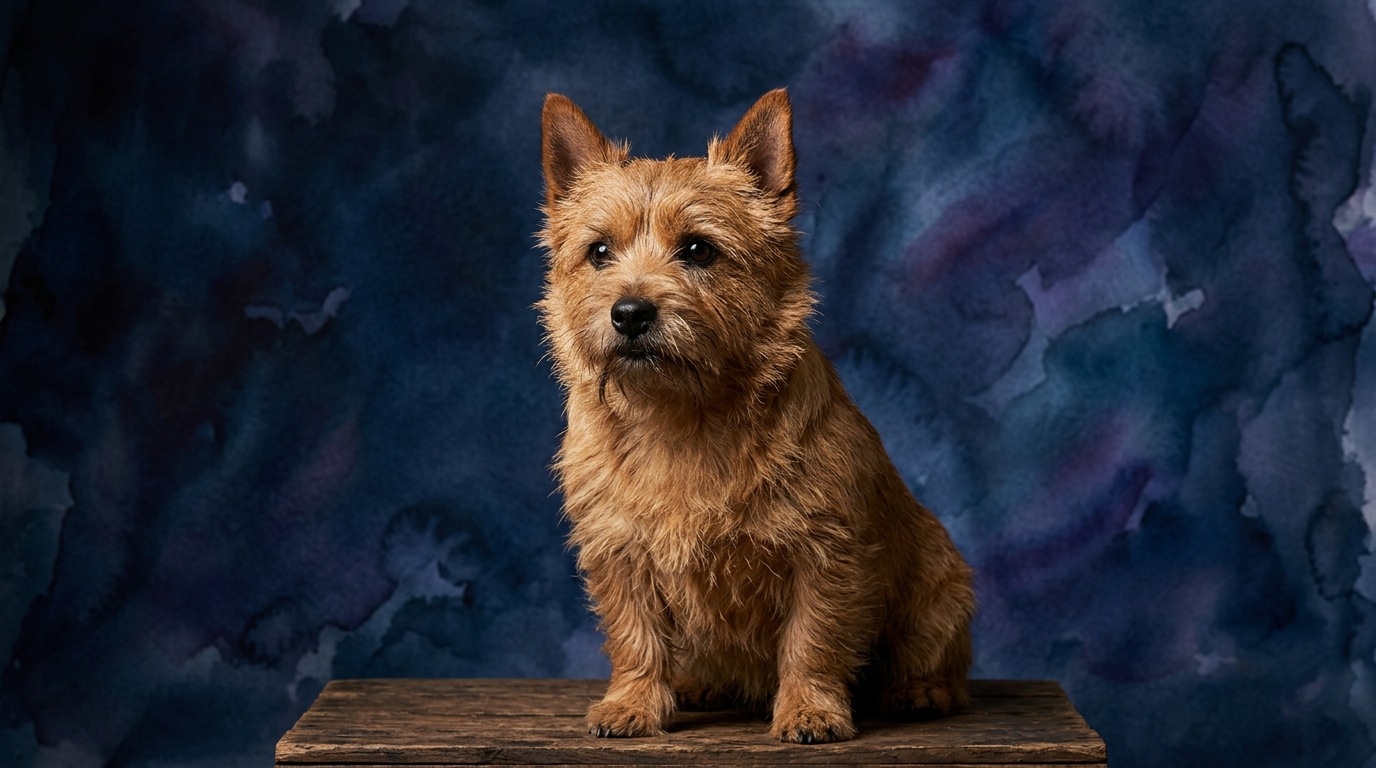
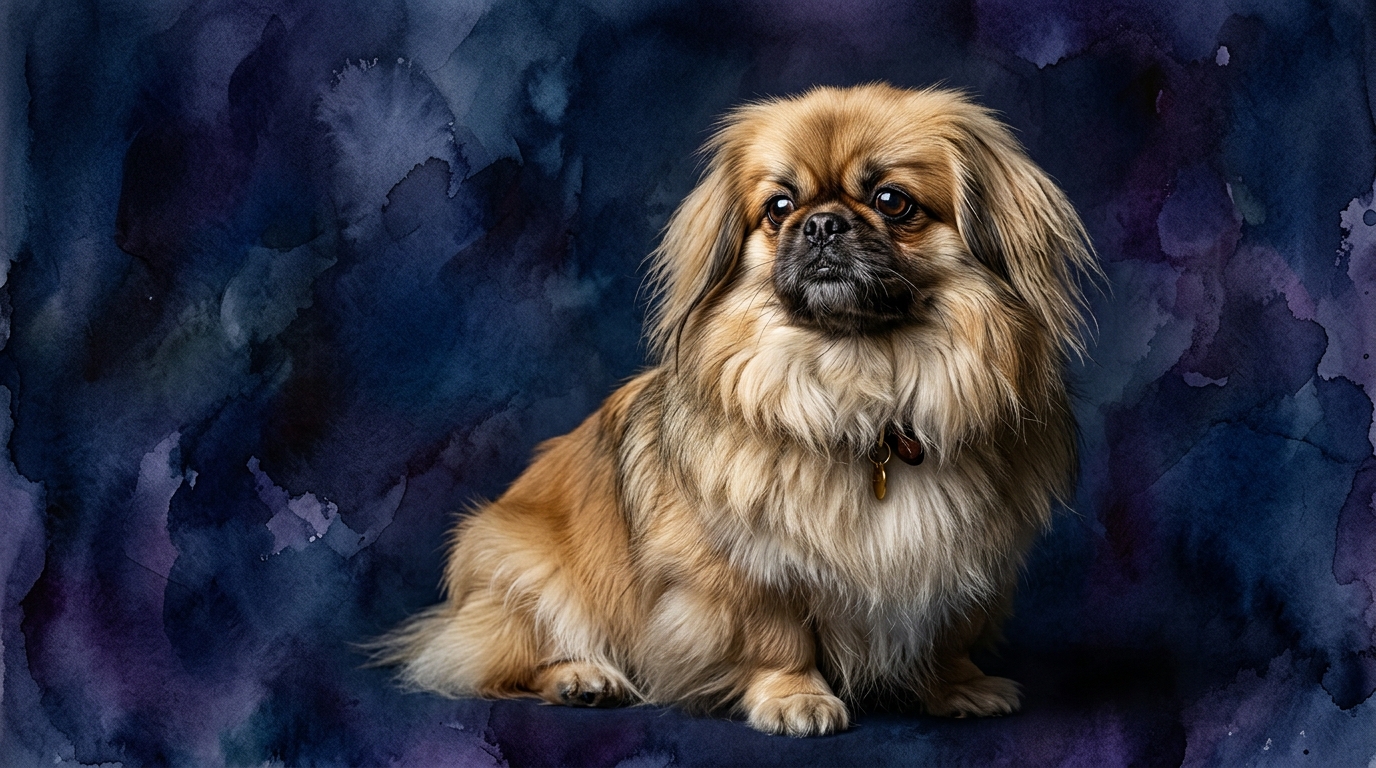
Side-by-Side Cognitive Profiles
The Cosmic Pet Pet IQ Lab assesses canine intelligence across five key dimensions, and interestingly, both the Norwich Terrier and the Pekingese register identical scores of 3/5 in each category. This numerical parity, however, belies distinct expressions of these cognitive traits, deeply influenced by their breed origins and inherent dispositions.
For the Norwich Terrier, a robust member of the Terrier group, a 3/5 in Problem Solving signifies a practical, hands-on approach to navigating their world. This often manifests in figuring out how to access interesting smells, outsmarting small prey, or finding ways around obstacles during exploration. Their 3/5 Training Speed indicates they are receptive to learning commands, but their independent spirit means consistency and engaging methods are crucial for compliance. Social Intelligence at 3/5 suggests they are observant of human cues and can form strong bonds, though often with a self-sufficient edge. An Instinctive Drive of 3/5 highlights their inherent desire to chase, dig, and explore, a strong motivator in their daily lives. Finally, their 3/5 Memory ensures they retain learned behaviors and experiences, both positive and negative, over time.
The Pekingese, a dignified Toy breed, expresses these same 3/5 scores through a different lens. Their 3/5 Problem Solving often involves more subtle tactics, such as manipulating their environment for comfort or using discerning glances to communicate desires to their human companions. A 3/5 Training Speed means they are capable learners, but their renowned independence and sometimes regal demeanor can translate into selective hearing if they don't perceive an immediate benefit. Social Intelligence at 3/5 for a Pekingese indicates a remarkable ability to read human emotions and subtle body language, often forming deep, perceptive connections. Their 3/5 Instinctive Drive is less about hunting and more about companionship, guarding their space, and establishing comfortable routines. Their 3/5 Memory allows them to recall routines, preferred people, and past interactions with remarkable clarity, contributing to their consistent character.
Where the Norwich Terrier Excels Cognitively
Despite sharing the same numerical cognitive profile, the Norwich Terrier's strengths lean towards practical application and independent decision-making, deeply rooted in its terrier heritage. Their 3/5 problem-solving ability shines in scenarios demanding resourcefulness and tenacity; they are adept at figuring out how to get to a desired object or location, often employing a trial-and-error approach with determined focus. This cognitive trait makes them skilled at navigating complex outdoor environments, uncovering hidden treasures, or even solving interactive puzzle toys designed to stimulate their foraging instincts.
The Norwich's 3/5 instinctive drive, combined with its problem-solving, fosters a strong sense of self-reliance. They exhibit a cognitive persistence, not easily deterred when pursuing a goal. This means they are less likely to give up on a task if they perceive a reward, whether it's a scent trail or a hidden toy. Their memory of 3/5 reinforces this, allowing them to recall successful strategies for overcoming challenges, making them efficient learners in practical, hands-on contexts. This breed demonstrates a cognitive robustness that thrives on engagement with the physical world, making them particularly adept at tasks requiring independent thought and physical execution.
Where the Pekingese Shows Cognitive Prowess
The Pekingese, while matching the Norwich Terrier in its 3/5 cognitive scores, demonstrates its mental acumen through a different set of strengths, primarily in social and environmental discernment. Their 3/5 social intelligence is particularly refined, enabling them to keenly observe and interpret subtle human cues, emotional states, and household dynamics. This allows them to adapt their behavior to maintain comfort or gain attention, often anticipating their owner's needs or moods with remarkable accuracy. They exhibit a nuanced understanding of their human companions, often knowing precisely how to solicit a desired response.
A Pekingese's 3/5 problem-solving manifests in strategic ways within their immediate environment. They are adept at finding the most comfortable spot in a room, subtly indicating their preferences, or even 'training' their owners through consistent behavior to achieve a desired outcome, such as an extra treat or a specific cuddle time. Their 3/5 memory supports this social acumen, enabling them to recall past interactions and the associated human reactions, allowing them to refine their communication strategies. This breed excels in a domestic setting, where their perceptive and sometimes manipulative intelligence can be a source of constant amusement and devotion.
Training: Navigating Different Motivations
When it comes to training, both the Norwich Terrier and the Pekingese are rated 3/5 for training speed, indicating a solid capacity to learn. However, their distinct temperaments mean that the 'ease' of training can vary significantly based on approach and owner expectations. The Norwich Terrier, with its terrier drive and independent problem-solving, responds well to consistent, engaging training that taps into its natural curiosity and desire for activity. They learn commands efficiently, but their ingrained instincts, particularly their 3/5 instinctive drive to chase and explore, can sometimes override learned behaviors if not managed with clear boundaries and positive reinforcement. Training success with a Norwich often hinges on making lessons fun, challenging, and rewarding enough to compete with their environmental distractions, leveraging their 3/5 memory to solidify positive associations.
The Pekingese also learns commands at a good pace (3/5 training speed), but their training presents a different set of considerations due to their independent and sometimes stubborn nature. They are not always motivated by the desire to please in the same way some breeds are, often weighing the immediate benefit of compliance against their own comfort or preference. Their 3/5 social intelligence means they understand what is being asked, but their 3/5 problem-solving might lead them to find loopholes or decide if a command is truly worth the effort. Successful training for a Pekingese often requires immense patience, enticing motivators like high-value treats or comfort, and a deep understanding of their individual personality, rather than relying solely on repetition. Both breeds require consistency, but the Norwich needs outlets for its energy and drive, while the Pekingese benefits from understanding and respecting its independent spirit.
Lifestyle Suitability: Active Explorers vs. Regal Companions
The cognitive profiles of the Norwich Terrier and Pekingese naturally align with different owner lifestyles. The Norwich Terrier, with its energetic 3/5 instinctive drive and practical 3/5 problem-solving, thrives with active owners who enjoy outdoor adventures, consistent training, and engaging in stimulating activities. They are excellent companions for hiking, earthdog trials, or agility, enjoying opportunities to explore and put their minds and bodies to work. Their independent spirit means they appreciate owners who provide direction and mental challenges, preventing boredom and channeling their cognitive energies constructively. An owner who understands and respects their terrier tenacity will find a devoted and lively partner.
Conversely, the Pekingese, with its refined 3/5 social intelligence and preference for comfort, is ideally suited for more relaxed owners who appreciate a devoted, perceptive, and somewhat regal indoor companion. While they enjoy short, leisurely walks, their primary cognitive engagement often revolves around their human family and the dynamics of the home. They excel in environments where their subtle communications are understood and their need for companionship is met. Owners who value a quiet, discerning presence, and are content with a less physically demanding routine, will find the Pekingese's cognitive strengths perfectly complementary to their lifestyle, fostering a deep and nuanced bond.
The Verdict
For those seeking an engaged, active, and independently thinking companion who thrives on exploration and purposeful activity, the Norwich Terrier offers a robust and curious mind.
For individuals desiring a perceptive, devoted, and somewhat regal companion who excels in social nuances and prefers a more serene home environment, the Pekingese provides a uniquely charming cognitive presence.
🧠 Find Your Pet's IQ Score
Our Pet IQ Lab assessment covers 25+ tests across 5 cognitive dimensions — personalized to your breed.
Take the Full IQ Test →Frequently Asked Questions
Are Norwich Terriers good with children?
Norwich Terriers can be good with respectful children, often enjoying play and activity. Early socialization and supervision are crucial to ensure positive interactions, as their terrier spunk might be too much for very young children.
Do Pekingese require extensive grooming?
Yes, Pekingese typically require regular and thorough grooming to maintain their long, thick double coat. Daily brushing helps prevent mats and tangles, making them a commitment for owners willing to dedicate time to coat care.
What kind of mental stimulation do these breeds need?
Norwich Terriers benefit from puzzle toys, training sessions, and opportunities for supervised exploration to satisfy their inquisitive nature. Pekingese thrive with interactive play, consistent routines, and opportunities for social engagement with their family, which taps into their perceptive social intelligence.