Side-by-Side IQ Profile: Unpacking Identical Scores
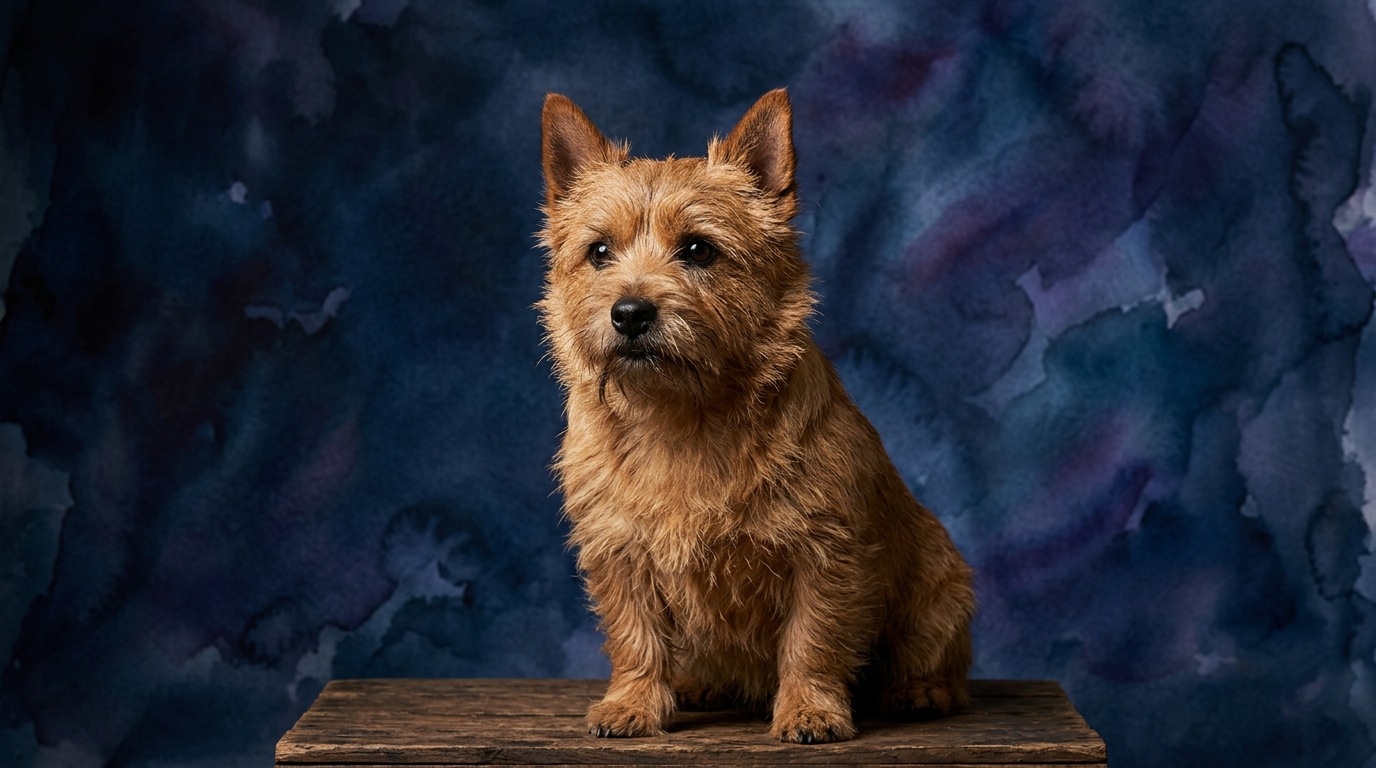
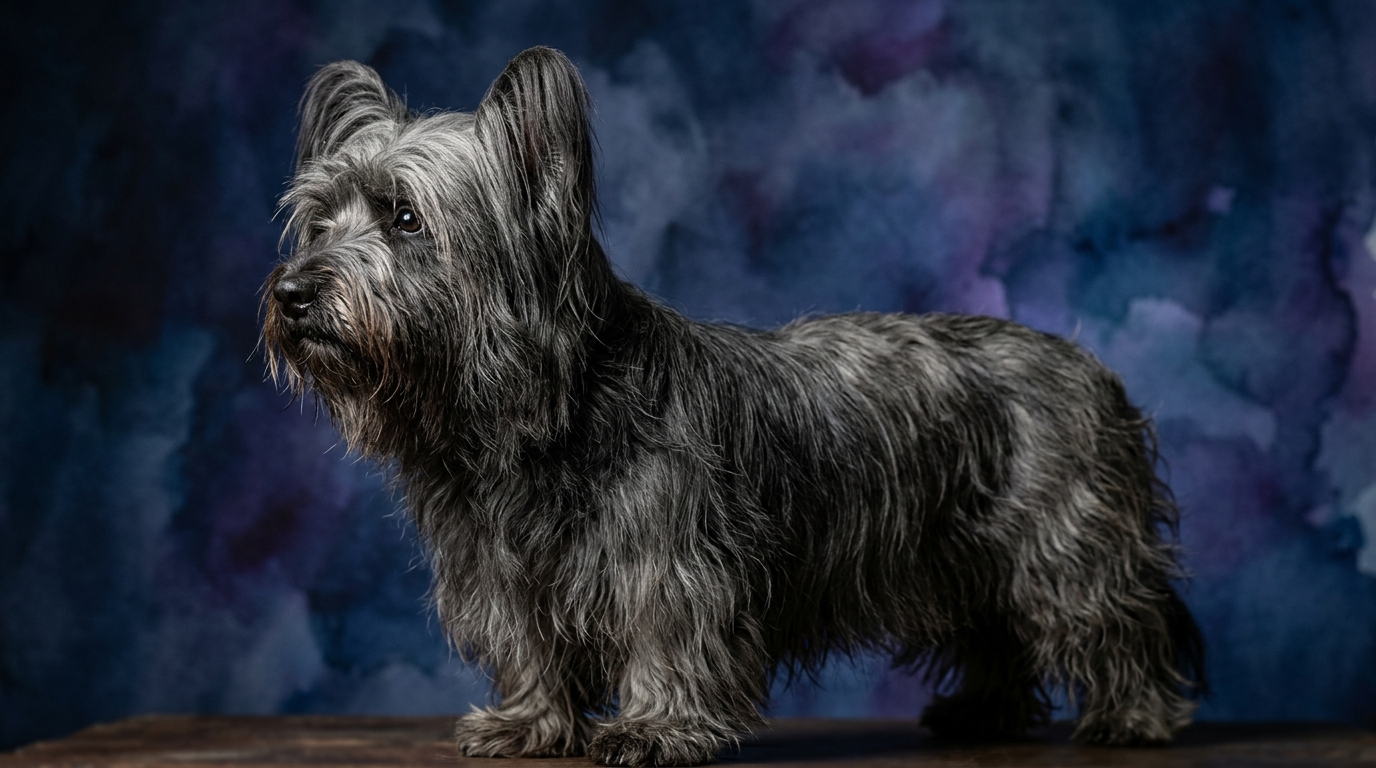
At first glance, the Pet IQ Lab scores for both the Norwich Terrier and the Skye Terrier appear identical across all five dimensions: Problem Solving (3/5), Training Speed (3/5), Social Intelligence (3/5), Instinctive Drive (3/5), and Memory (3/5). These scores indicate a moderate, balanced cognitive aptitude, suggesting neither breed is at the extremes of canine intellect but rather possesses a solid, functional intelligence. However, to truly understand their cognitive makeup, we must look beyond the numbers and consider how these moderate scores translate into distinct behavioral patterns and learning styles.
For **Problem Solving (3/5)**, both breeds demonstrate a reasonable capacity for independent thought and adapting to novel situations, but their approach differs. The Norwich, with its lively zest, might engage in a more spontaneous, trial-and-error method to figure out a puzzle or navigate a new environment, driven by curiosity. The Skye, known for its dignified resolve, often approaches challenges with more methodical persistence, taking time to assess before acting, reflecting a deeper internal processing. Neither will solve complex multi-step problems without assistance, but both can adapt to household changes and learn to manipulate objects for desired outcomes, like opening a cupboard or finding a hidden treat.
In terms of **Training Speed (3/5)**, both breeds learn new commands and routines at a moderate pace, requiring consistency and positive reinforcement rather than instant mastery. The Norwich's inherent eagerness to please and energetic disposition can make initial training sessions seem more dynamic, though they can also be easily distracted. The Skye, while attentive and capable of learning, possesses a strong independent streak; their compliance is often contingent on understanding the value or logic of a command, which can slow down the initial acquisition phase. Both will benefit from short, engaging sessions that maintain their focus.
**Social Intelligence (3/5)** for both breeds indicates an average ability to interpret human cues and interact appropriately within a social structure. They can read body language and vocal tones, understanding mood and intentions to a reasonable extent. The Norwich often displays this through their friendly, outgoing demeanor, readily engaging with known individuals and adapting quickly to new social dynamics. The Skye, while deeply loyal to its family, might show its social intelligence through a more discerning approach to strangers, carefully assessing new people before offering trust, and exhibiting a nuanced understanding of its inner circle's emotions.
As Terriers, a **Instinctive Drive (3/5)** is expected, signifying a moderate but present inclination towards their ancestral tasks of hunting and digging. This isn't an overwhelming, uncontrollable urge, but it's a definite factor in their behavior. For the Norwich, this drive often manifests as a keen interest in small critters, an enthusiastic zest for exploration, and a desire to investigate interesting scents. For the Skye, it can appear as a focused determination when tracking scents or investigating perceived 'prey,' often with a more reserved, deliberate energy, reflecting their historical role as a tenacious hunter of vermin.
Finally, **Memory (3/5)** suggests both breeds have a solid capacity to recall learned commands, routines, and past experiences. They will remember people, places, and specific training cues over time, even with gaps in practice. The Norwich's memory likely aids in their consistent recall of playful interactions, familiar routes, and the location of favored toys. The Skye's memory contributes to their deep loyalty and ability to retain complex household rules and expectations, even if they occasionally choose to 'forget' a command they deem unnecessary or inconvenient, which speaks more to their independence than a lack of recall.
Where the Norwich Terrier Cognitively Excels
Despite sharing identical IQ scores, the Norwich Terrier's inherent exuberance and adaptability give them a slight, practical edge in rapidly assessing and engaging with new, stimulating environments. Their problem-solving, while rated 3/5, often manifests as a more spontaneous and less deliberate approach compared to the Skye. For instance, when presented with a novel toy puzzle, a Norwich might employ a trial-and-error method with more immediate enthusiasm, quickly cycling through possibilities until a solution is found. This isn't about superior intellect, but a different cognitive processing style that favors quick engagement and broad environmental awareness. Their social intelligence, also a 3/5, leans towards a more immediate and open interaction, making them quicker to bond and integrate into new social settings, interpreting varied human cues with a more generalized friendliness. This means they are often more forgiving of inconsistencies in human behavior and more readily adapt their responses. Their moderate instinctive drive is often channeled into playful exploration rather than single-minded pursuit, making them more receptive to varied cognitive tasks and less prone to getting 'stuck' on one particular sensory input.
Where the Skye Terrier Cognitively Shines
The Skye Terrier, despite the identical scores, often demonstrates a more profound depth in certain cognitive applications, particularly those requiring sustained focus and a degree of independent judgment. Their problem-solving, while not faster than the Norwich, can be more thorough and persistent, especially when facing a complex, multi-step challenge that requires patience and a methodical approach. They might take longer to process information but often arrive at a solution with a deeper understanding or a more elegant method. Their natural dignity and discerning nature mean their social intelligence, also a 3/5, manifests as a nuanced ability to differentiate between trusted family members and new acquaintances, making them exceptionally adept at reading subtle social cues within their inner circle. They form deep, lasting bonds and remember specific interactions with remarkable clarity, leveraging their 3/5 memory to anticipate events and maintain a consistent household structure. This allows them to understand unspoken rules and expectations with a certain gravitas. Their instinctive drive, while moderate, often translates into a keen observational capacity, allowing them to process environmental stimuli with a certain selectivity and focus, rather than reacting to every new input.
Training Dynamics: Norwich's Eagerness vs. Skye's Independence
Despite both breeds scoring 3/5 for Training Speed, the Norwich Terrier generally presents as easier to train for a wider range of owners due to its more outwardly eager-to-please temperament and less pronounced independent streak. Their innate friendliness and desire for interaction mean they are often more motivated by positive reinforcement, social praise, and the sheer joy of engagement. While they can exhibit terrier stubbornness, their attention span is typically better suited to shorter, more frequent training sessions, where their enthusiasm can be channeled effectively. They are often more forgiving of a novice trainer's inconsistencies, quickly bouncing back and resuming lessons with renewed vigor. Their moderate memory ensures they retain learned behaviors well, making established commands reliable in various contexts.
The Skye Terrier, conversely, possesses a strong, independent will that can make training more challenging, particularly for those unfamiliar with the breed's unique character. While they are certainly capable of learning, their 3/5 training speed is often tempered by their discerning nature; they need to understand the 'why' behind a command or find sufficient personal motivation to comply. Their loyalty is profound, but it doesn't automatically translate into unquestioning obedience. Training a Skye requires immense patience, unwavering consistency, and a deep understanding of their dignified and sometimes aloof character, making them less forgiving of inconsistent commands or weak leadership. They remember every interaction, good or bad, and their memory of past training is excellent, but so is their memory of times they successfully chose not to comply. This makes establishing a clear hierarchy and consistent expectations paramount for successful training.
Lifestyle Match: Active Companionship vs. Dignified Serenity
The Norwich Terrier, with its lively disposition and moderate instinctive drive, is generally a better fit for active owners seeking a spirited companion. While not requiring marathon runs, they thrive on regular walks, engaging playtime, and frequent opportunities for mental stimulation through exploration and interactive games. Their 3/5 problem-solving and social intelligence scores mean they enjoy being an integral part of family activities and appreciate varied environments and new experiences. They are adaptable and enjoy outings, making them excellent companions for owners who enjoy hiking, agility, or even just frequent trips to the park and social gatherings. Their energy is infectious, and they prefer an owner who can match their zest for life.
The Skye Terrier, despite its historical working background, often suits owners who appreciate a more relaxed, dignified companion, provided they can offer consistent, gentle leadership and a stable home environment. While they do require daily walks to maintain physical and mental well-being, their energy levels are generally lower and their bursts of activity less frequent than the Norwich. Their 3/5 social intelligence often means they are content with a smaller, more intimate social circle, preferring quiet companionship and close family bonds over boisterous activity with strangers. Owners who enjoy a serene home environment, appreciate a dog with a strong sense of self, and are prepared for a companion that sometimes prefers independent observation to constant engagement will find the Skye a profoundly rewarding presence. They are not couch potatoes but are also not perpetually 'on,' striking a balance that suits a calmer, yet still engaged, lifestyle.
The Verdict
Choose the Norwich Terrier if you seek a spirited, adaptable companion who readily engages with family activities and new social situations, offering a more outwardly expressive and playful demeanor.
Choose the Skye Terrier if you desire a loyal, dignified, and discerning companion who thrives on a consistent routine and values deep, quiet bonds, and you appreciate a dog with a strong, independent character.
🧠 Find Your Pet's IQ Score
Our Pet IQ Lab assessment covers 25+ tests across 5 cognitive dimensions — personalized to your breed.
Take the Full IQ Test →Frequently Asked Questions
Do Norwich Terriers bark a lot?
Norwich Terriers can be vocal, especially when alerting to new sounds or visitors, a trait common in many terriers. Their moderate instinctive drive means they are quick to react to perceived environmental changes, but consistent training can help manage excessive barking.
Are Skye Terriers good with children?
Skye Terriers can be good with older, respectful children who understand how to interact gently with a dog. Their discerning nature and strong loyalty mean they prefer a calm environment and may not tolerate rough play from very young children, requiring careful supervision.
Which breed is more prone to stubbornness?
While both breeds exhibit a degree of terrier stubbornness, the Skye Terrier is generally considered more independent and less outwardly eager to please than the Norwich Terrier. This means the Skye might require more consistent, patient, and motivational training methods to overcome its strong will.