Side-by-Side IQ Profile
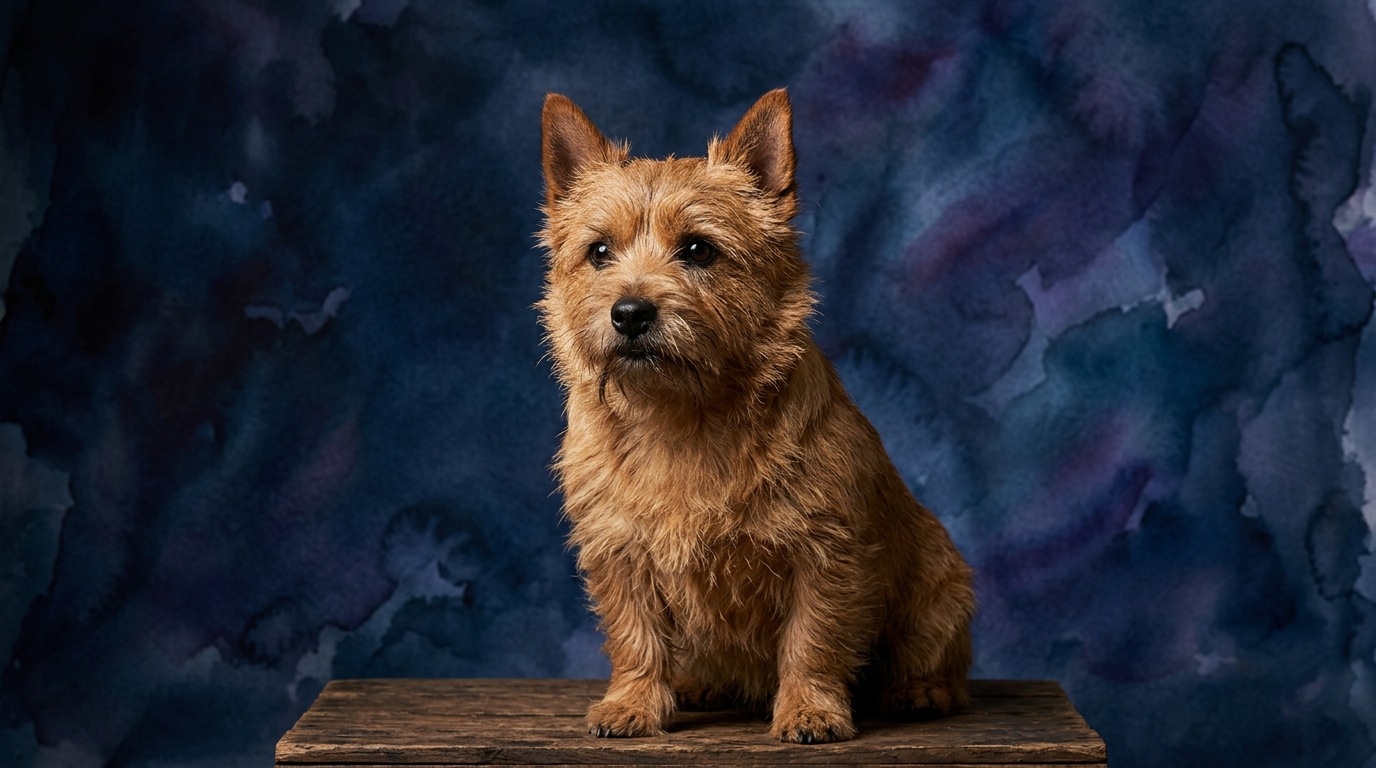
Norwich Terrier: This plucky terrier, originally bred for hunting vermin, approaches cognitive tasks with characteristic determination. Their Problem Solving (3/5) typically manifests as a tenacious effort to overcome obstacles, whether figuring out how to retrieve a hidden toy or navigating a complex scent trail; they are persistent. Training Speed (3/5) for the Norwich means they absorb new commands at a moderate pace, but their independent streak often requires consistent, engaging methods and strong motivational incentives. Their Social Intelligence (3/5) allows them to form strong bonds with family, understanding human cues, though they can be selective with strangers and may assert themselves with other canines. Instinctive Drive (3/5) is notably expressed through their prey drive, keen senses, and a propensity for digging and barking, reflecting their historical role. Finally, their Memory (3/5) ensures they retain learned commands and routines, along with a good recall of environmental details like preferred digging spots.
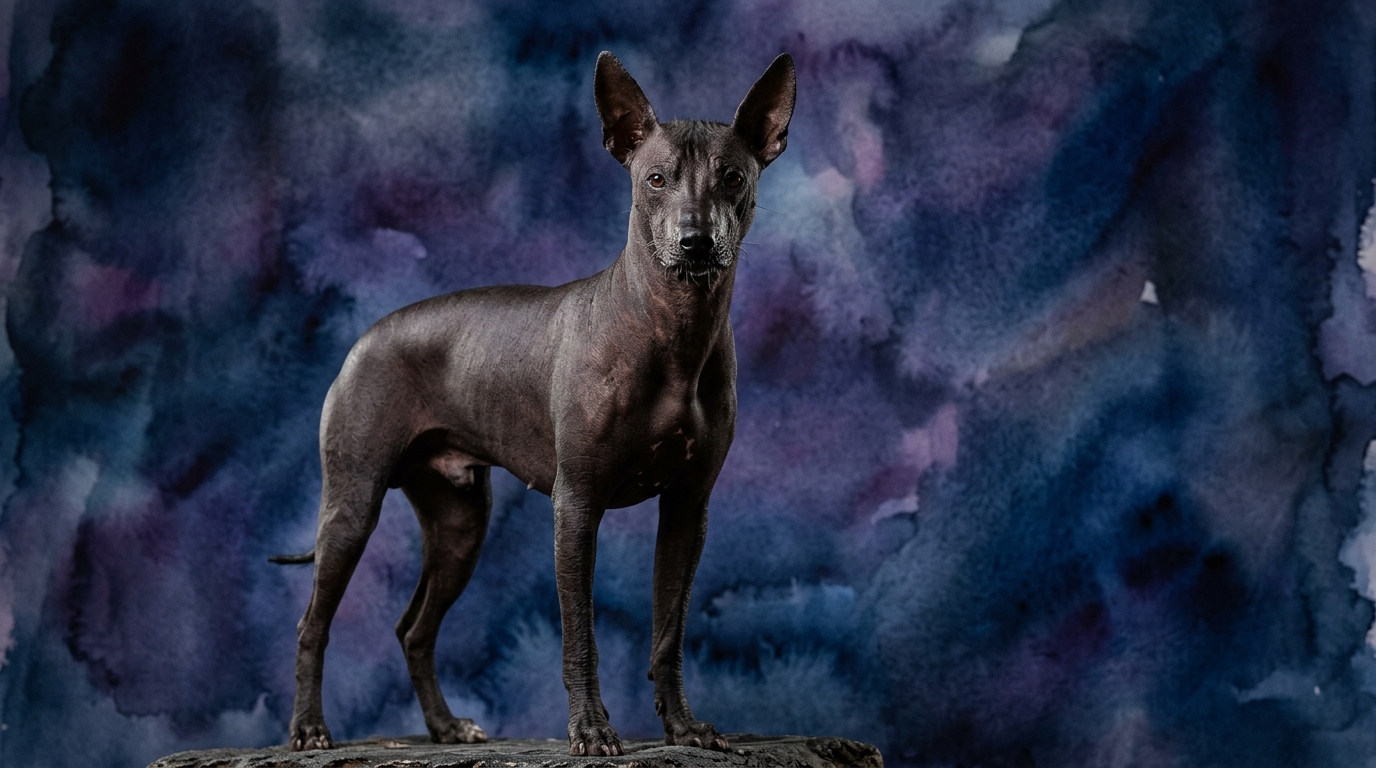
Xoloitzcuintli: As an ancient breed with a rich history as companion and guardian, the Xoloitzcuintli exhibits a different flavor of intelligence, marked by attentiveness and sensitivity. Their Problem Solving (3/5) often involves a more observational and strategic approach, perhaps figuring out the most comfortable spot in the sun or the optimal way to solicit affection from their chosen human; they are thoughtful. The Xolo's Training Speed (3/5) indicates they learn new tasks effectively, but their sensitive nature means they respond best to gentle, positive reinforcement and patience, shying away from harsh methods. Their Social Intelligence (3/5) is deeply rooted in their bond with their family, making them highly attuned to human emotions and needs, often displaying a 'velcro dog' devotion, though they tend to be reserved with strangers. Their Instinctive Drive (3/5) leans towards vigilance and guarding their territory and family, with a quieter, more observant manifestation. Their Memory (3/5) is substantial, allowing them to recall routines, people, and experiences with remarkable clarity, contributing to their cautious nature and deep family bonds.
Where Norwich Terrier Wins Cognitively
While both breeds score identically across our IQ dimensions, the Norwich Terrier's terrier heritage provides distinct cognitive advantages in specific scenarios. Their Problem Solving (3/5), fueled by a robust Instinctive Drive (3/5), gives them an edge in tasks requiring sustained, independent effort and audacious exploration. A Norwich might more readily devise a novel way to reach a coveted toy under furniture or persistently work at a puzzle feeder, driven by unyielding curiosity and a desire to 'get the job done.' This tenacity, a hallmark of the terrier group, translates into cognitive resilience when faced with perceived challenges, making them less likely to give up quickly. Their moderate Memory (3/5) is often bolstered by this drive, making them adept at remembering precise locations of interesting smells or potential 'prey' routes in the garden.
Furthermore, the Norwich Terrier's Social Intelligence (3/5), while perhaps less outwardly demonstrative, is often characterized by a quick assessment of new situations and individuals, allowing them to adapt their approach. They possess a self-assuredness that can make them excellent companions for owners who appreciate a dog with a distinct personality and a mind of its own. They are capable of reading cues to understand expectations, but their independent spirit means they often process this information through the lens of their own agenda, leading to clever workarounds or determined pursuits of their interests. This cognitive style makes them particularly suitable for owners who enjoy engaging with a dog that offers thoughtful, sometimes challenging, interactions rather than simple compliance.
Where Xoloitzcuintli Wins Cognitively
The Xoloitzcuintli, with its ancient roots, presents a cognitive profile that excels in areas demanding subtle perception and deep emotional attunement. Their Social Intelligence (3/5) is exceptionally refined within their family unit, making them unparalleled in their ability to understand and respond to the nuanced emotional states of their humans. A Xolo might intuitively sense a family member's distress or joy and react with comforting presence or shared exuberance, often without overt cues. This deep empathy stems from a finely tuned capacity for reading subtle human body language and vocal tones, translating into a profound bond. Their Memory (3/5) plays a crucial role here, allowing them to build a detailed history of interactions and preferences, reinforcing their sensitive responses.
Moreover, the Xolo's Problem Solving (3/5) often involves a sophisticated understanding of their environment for comfort and security. They are adept at finding the warmest spot in the house, navigating complex social dynamics within their family to secure prime cuddle positions, or discerning potential threats from unfamiliar sounds or scents. This cognitive strength is less about physical manipulation of objects and more about strategic positioning and discerning patterns for well-being. Their Instinctive Drive (3/5), focused on guardianship and companionship, supports this by making them highly observant and attentive to their surroundings, processing information with a quiet intensity. This makes them excellent at alerting their family to unusual occurrences without the often-boisterous nature of other guard breeds, demonstrating a thoughtful and measured cognitive response.
Which is Easier to Train and Why
When considering which breed might be 'easier' to train, it's less about raw Training Speed (3/5), which is moderate for both, and more about their underlying motivations and temperaments. The Xoloitzcuintli often presents as easier to train for obedience and manners due to their strong desire to please their family and their intrinsic sensitivity. They thrive on positive reinforcement, praise, and gentle guidance, forming a deep connection with their handler. Their inherent attentiveness and focus on their human mean they are generally more receptive to direction and less prone to independent diversions during training sessions. However, their sensitivity also means they can be easily discouraged by harsh corrections or inconsistent methods, requiring a patient and understanding approach.
Conversely, the Norwich Terrier, despite possessing the same Training Speed (3/5), can be perceived as more challenging due to their independent and spirited nature. Their Instinctive Drive (3/5), particularly their strong prey drive and curiosity, can make them easily distracted by environmental stimuli. While intelligent and capable of learning, a Norwich might prioritize chasing a squirrel over performing a 'stay' command, especially in an open environment. Training a Norwich requires creativity, high-value rewards, and a firm but fair approach that channels their determination into desired behaviors. They respond well to engaging, game-like training that appeals to their problem-solving instincts, but an owner must be prepared for a dog that often has its own ideas.
Which Suits Active Owners vs Relaxed Owners
Choosing between a Norwich Terrier and a Xoloitzcuintli based on lifestyle involves considering their blend of physical energy and mental engagement. The Norwich Terrier generally suits active owners who enjoy consistent outdoor activities and can provide ample mental stimulation. Their moderate Instinctive Drive (3/5) for chasing and exploring, combined with their plucky energy, means they thrive on daily walks, engaging playtime, and opportunities for scent work or digging in designated areas. They require an owner who appreciates a dog with a spirited personality and is prepared to channel their cognitive and physical energy into constructive outlets. Owners who enjoy dog sports like agility or earthdog trials might find a rewarding partner in a Norwich.
The Xoloitzcuintli, while capable of activity, often aligns better with owners who appreciate a more relaxed, yet deeply connected, companionship. Their Instinctive Drive (3/5) leans more towards vigilance and family bonding, making them content with moderate daily exercise like walks and secure yard play, followed by ample time cuddling indoors. Their sensitive nature and strong Social Intelligence (3/5) mean they thrive in calm, stable environments where they can be close to their human family. While they enjoy mental engagement through training and puzzle toys, their preference is often for thoughtful interaction rather than high-octane physical challenges. Relaxed owners who seek a loyal, attentive, and quiet companion will find the Xolo's cognitive and emotional landscape highly rewarding, provided they can offer consistent affection and a secure routine.
The Verdict
Choose the Norwich Terrier if you appreciate a tenacious, spirited companion with a keen independent streak, and you are prepared for engaging training that channels their determined problem-solving and strong instinctive drives.
Choose the Xoloitzcuintli if you desire a deeply loyal, sensitive, and observant companion who thrives on close family bonds and a calm environment, and you can provide gentle, consistent training that nurtures their attentive nature.
🧠 Find Your Pet's IQ Score
Our Pet IQ Lab assessment covers 25+ tests across 5 cognitive dimensions — personalized to your breed.
Take the Full IQ Test →Frequently Asked Questions
Do Norwich Terriers bark a lot due to their intelligence?
Norwich Terriers possess a moderate instinctive drive and are alert, which can lead to barking at perceived threats or exciting stimuli. Their problem-solving skills might also extend to figuring out how to get your attention with vocalizations. Consistent training can help manage this behavior.
Are Xoloitzcuintli good with children, given their social intelligence?
Xoloitzcuintli can be excellent family dogs due to their strong social intelligence and loyalty, often forming deep bonds with children they grow up with. However, their sensitive nature means they require a calm household and supervision with very young children who might not understand gentle interaction.
Can both breeds excel in dog sports despite their similar IQ scores?
Yes, both breeds can excel in dog sports, though perhaps in different disciplines. Norwich Terriers might shine in earthdog, agility, or obedience due to their drive and problem-solving, while Xoloitzcuintli might excel in rally obedience or therapy work, leveraging their attentiveness and strong social bond with their handler.