Side-by-side IQ profile
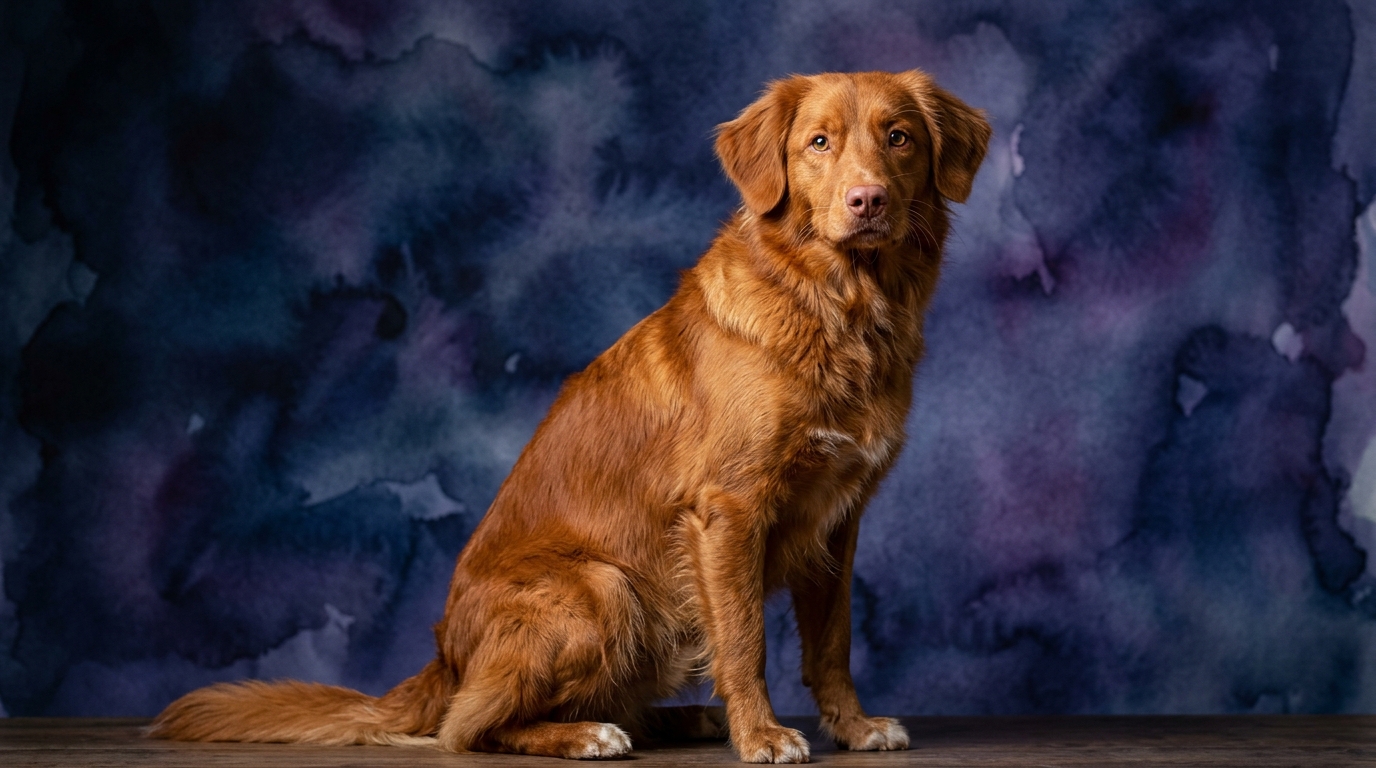
The Nova Scotia Duck Tolling Retriever (NSDTR), originating from Canada, was developed to lure and retrieve waterfowl, a role demanding a specific blend of focus and physical prowess. Their Problem Solving score of 3/5 reflects an ability to navigate complex tasks, particularly those related to their working heritage, like finding a hidden dummy or discerning safe paths to retrieve. Their Training Speed, also 3/5, suggests they learn new commands at a steady pace, requiring consistent, positive reinforcement to solidify behaviors. In terms of Social Intelligence (3/5), Tollers are generally attuned to human cues and social dynamics within their family unit, capable of forming strong bonds and understanding emotional states, though perhaps less overtly "people-pleasing" than some other sporting breeds. Their Instinctive Drive (3/5) is strongly oriented towards prey drive and retrieving, manifesting as an inherent desire to work with objects and follow scents, a foundational aspect of their cognitive makeup. Finally, their Memory score of 3/5 indicates a reliable capacity to recall learned commands and experiences, retaining training over time but perhaps not with the instantaneous recall of breeds scoring higher.
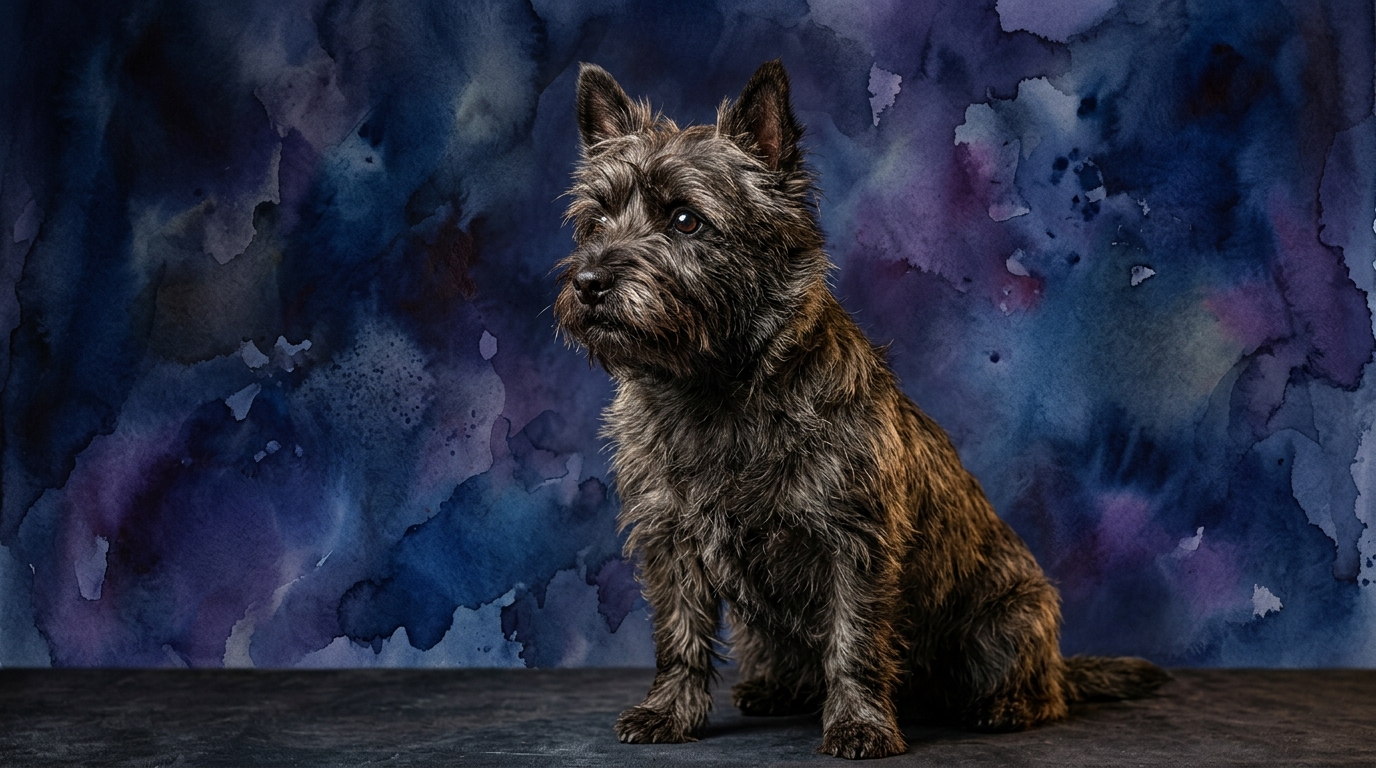
Hailing from the Scottish Highlands, the Cairn Terrier (CT) was bred to hunt vermin, a task requiring tenacity, independent thought, and quick reactions. Their Problem Solving score of 4/5 highlights a significant capacity for independent thought and finding creative solutions, often involving outsmarting small prey or navigating tight spaces. This breed's Training Speed of 4/5 indicates a quicker grasp of new concepts and commands, though their independent streak means that applying that learning requires engaging their motivation. Their Social Intelligence (3/5) mirrors the Toller's, showing an ability to connect with their human companions and understand social cues, but often through a lens of their own determined personality. The Instinctive Drive (3/5) in a Cairn is profoundly shaped by their terrier heritage, manifesting as a strong urge to dig, chase, and explore, a persistent drive that underpins much of their behavior and cognitive engagement. With a Memory score of 4/5, Cairns possess an excellent capacity for retaining information, remembering routines, and recalling past events, which contributes to their quick learning and adaptability.
Where Nova Scotia Duck Tolling Retriever wins cognitively
While the raw scores might suggest the Cairn Terrier holds an overall edge, the Nova Scotia Duck Tolling Retriever's cognitive strengths lie in their specialized, balanced application of these attributes, particularly within their intended function. Their Instinctive Drive (3/5), while numerically matching the Cairn, is channeled into a specific, cooperative working style that is arguably more complex in its social interaction than the independent hunting of a terrier. Tollers excel at sustained, collaborative tasks, requiring them to not only retrieve but to "toll" or lure ducks, which involves a nuanced understanding of movement, timing, and human direction. This means their problem-solving and memory, though rated 3/5, are finely tuned for sequences of actions and environmental awareness within a working partnership.
Their Social Intelligence (3/5), when combined with their retrieving drive, creates a dog that is highly responsive to a handler's subtle cues during a hunt, a form of cooperative intelligence that differs from a terrier's more self-directed engagement. A Toller's cognitive "win" isn't necessarily about speed or raw problem-solving power in all contexts, but rather about the seamless integration of their drives, social awareness, and learning capacity into a dedicated, focused working partnership. They exhibit a consistent, steady cognitive performance across all dimensions, making them exceptionally reliable in their specific roles. This balanced profile allows them to maintain focus and execute multi-step commands over extended periods, a characteristic derived from their demanding waterfowl work.
Where Cairn Terrier wins cognitively
The Cairn Terrier clearly demonstrates a cognitive advantage in areas demanding rapid learning, quick problem-solving, and robust memory. Their Problem Solving score of 4/5 highlights an innate ability to creatively overcome obstacles and strategize, a trait essential for a dog bred to independently hunt small, elusive prey in challenging environments. This often translates into cleverness around the house, figuring out how to open cabinets or manipulate objects to reach a desired outcome, showcasing a different kind of ingenuity than the Toller's cooperative problem-solving. This breed's Coren rank of #35 further underscores their capacity for understanding and executing commands efficiently, placing them among the quicker learners within the canine spectrum.
The Cairn's Training Speed (4/5) means they often pick up new commands and routines with fewer repetitions, making initial training periods potentially faster and more engaging for owners who enjoy teaching new tricks. Their superior Memory (4/5) reinforces this, ensuring that once a lesson is learned, it is retained effectively over time. This sharp memory, combined with their problem-solving prowess, allows them to adapt quickly to new situations and remember complex sequences of events or locations. While their instinctive drive is strong, their cognitive strengths in learning and memory enable them to channel that drive in more adaptable ways, making them capable of a wide range of tasks beyond their original purpose, provided the motivation is present.
Which is easier to train and why
Based on their respective scores, the Cairn Terrier generally presents as the easier breed to train, primarily due to its higher Training Speed (4/5 compared to the Toller's 3/5) and superior Memory (4/5 vs. 3/5). Cairn Terriers tend to grasp new commands and concepts more quickly, requiring fewer repetitions to achieve understanding. Their strong memory ensures that once a behavior is learned, it is less likely to be forgotten, contributing to a more efficient training process. This rapid learning ability, coupled with their problem-solving acumen, means they can often figure out what is being asked of them with minimal prompting, provided the motivation is compelling.
However, "easier to train" for a Cairn doesn't always mean "more compliant." Their Instinctive Drive (3/5), rooted in independent vermin hunting, means they can be single-minded and persistent when pursuing their own interests, such as digging or chasing. This independent streak requires trainers to be creative and consistent, channeling their natural drives into desired behaviors rather than trying to suppress them. In contrast, the Nova Scotia Duck Tolling Retriever, with a Training Speed of 3/5, will take a bit longer to master new commands, necessitating more patient and repetitive training sessions. While their Social Intelligence (3/5) and cooperative nature make them eager to please, their slightly lower problem-solving and memory scores mean that complex sequences or novel situations might require more structured guidance and reinforcement to solidify. The Toller's training approach often benefits from leveraging their strong retrieving drive, integrating play and purpose into learning, whereas the Cairn thrives on quick, engaging sessions that appeal to their curiosity and problem-solving nature.
Which suits active owners vs relaxed owners
Both the Nova Scotia Duck Tolling Retriever and the Cairn Terrier possess an Instinctive Drive of 3/5, indicating they are not sedentary couch potatoes, but their expression of this drive differs significantly, influencing their suitability for various owner lifestyles. The Nova Scotia Duck Tolling Retriever, a Sporting breed, requires consistent physical and mental engagement that aligns with its heritage. This means daily, vigorous exercise like long runs, swimming, or extensive games of fetch are crucial. Their cognitive needs are also substantial, thriving on activities that involve problem-solving within a cooperative framework, such as obedience, agility, scent work, or actual retrieving tasks. An active owner for a Toller isn't just someone who enjoys walks; it's someone committed to providing structured activities that engage both their body and their thoughtful, purposeful mind. They are best suited for owners who enjoy outdoor adventures and are willing to invest time in training and canine sports.
The Cairn Terrier, while also possessing a moderate instinctive drive, expresses it through a terrier's lens: digging, chasing, and exploring. They require regular exercise to burn off energy, but their needs might manifest as shorter, more intense bursts of activity, coupled with opportunities for mental stimulation like puzzle toys or scent games. A "relaxed" owner might struggle with a Cairn's persistent drive to investigate and problem-solve independently, which can lead to digging in the yard or a strong urge to chase small animals. While they don't necessarily need the same sustained endurance as a Toller, they do need consistent engagement to prevent boredom and destructive behaviors. Therefore, both breeds lean towards active owners, but the type of activity differs: the Toller needs structured, cooperative engagement, while the Cairn needs opportunities for independent exploration and problem-solving, often in shorter, more frequent bursts. A truly relaxed owner might find either breed's needs challenging without proper management.
The Verdict
Opt for a Toller if you seek a dedicated, cooperative partner for sustained outdoor activities and enjoy engaging in purposeful, structured training that leverages their balanced cognitive profile. They thrive with owners who appreciate their steady temperament and desire for a working partnership in sports or outdoor adventures.
Select a Cairn if you are drawn to a clever, independent companion with a quick wit and a knack for figuring things out, and you are prepared to channel their keen problem-solving and persistent terrier drive into engaging activities. They are ideal for owners who enjoy a dog with a spirited personality and can provide consistent, stimulating mental challenges.
🧠 Find Your Pet's IQ Score
Our Pet IQ Lab assessment covers 25+ tests across 5 cognitive dimensions — personalized to your breed.
Take the Full IQ Test →Frequently Asked Questions
Do Nova Scotia Duck Tolling Retrievers bark a lot?
Tollers are known to use a unique "toller scream" or "scream of excitement" when highly aroused, particularly during play or anticipation of retrieving. While not constant barkers, their vocalizations are distinct and can be quite piercing, a trait stemming from their luring heritage.
Are Cairn Terriers good with children?
Cairn Terriers can be good with children, especially if raised with them from a young age and properly socialized. Their sturdy build and playful nature make them resilient, but their independent spirit and strong prey drive mean interactions should always be supervised to ensure respectful boundaries from both dog and child.
Which breed is more prone to separation anxiety?
Neither breed is inherently more prone to separation anxiety than the other, as it is largely dependent on individual temperament, early experiences, and training. However, both breeds form strong bonds with their families, and insufficient mental or physical stimulation can contribute to anxiety when left alone, manifesting as destructive behaviors or excessive vocalization.