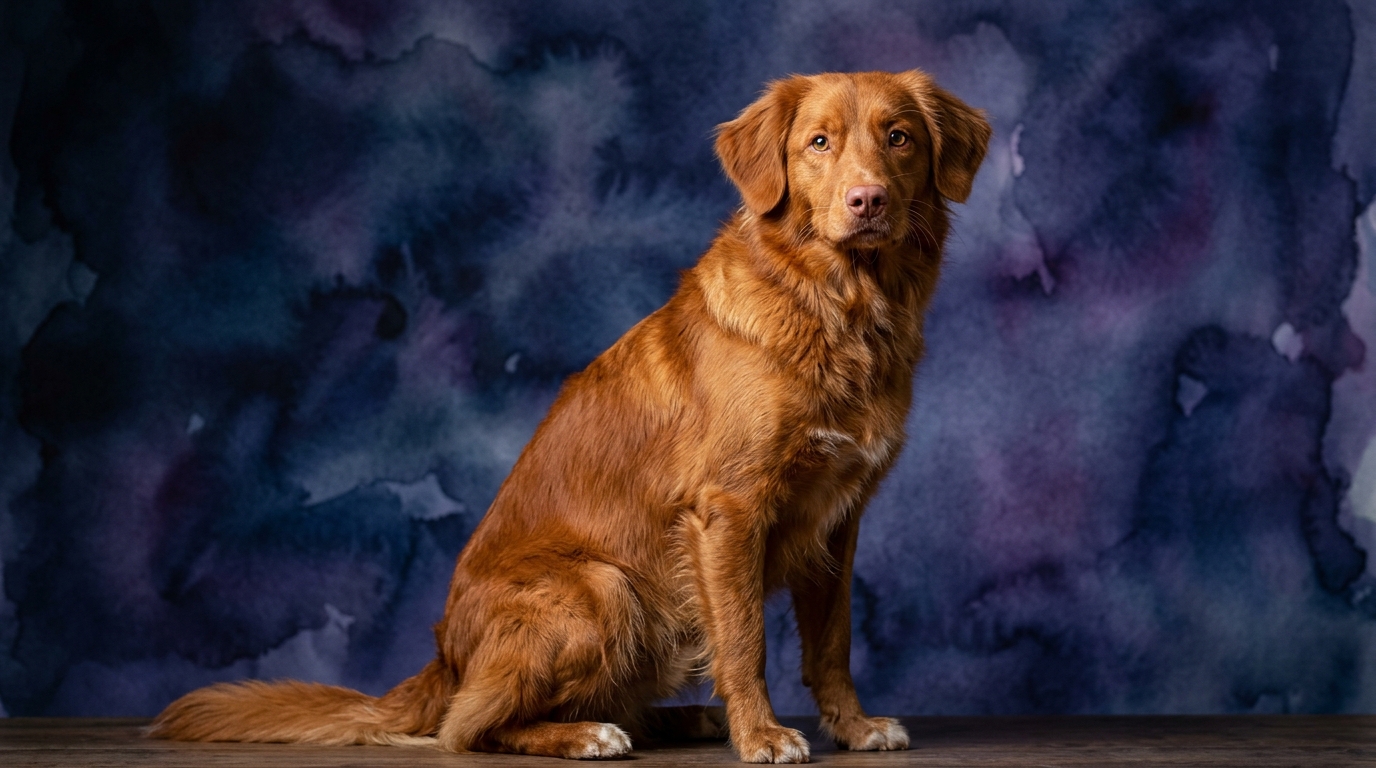
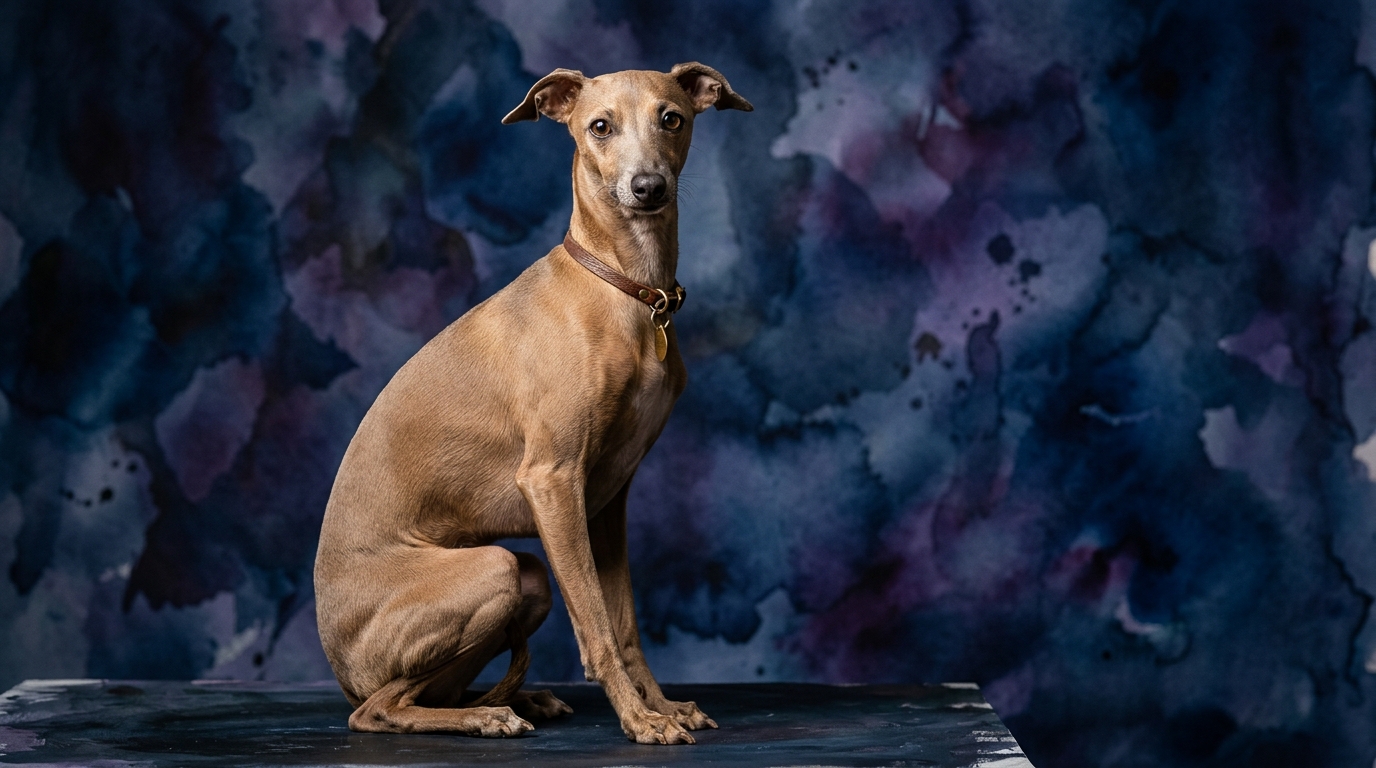
Side-by-Side IQ Profile: Understanding the 3/5 Score
Despite identical numerical ratings, the application of cognitive abilities varies significantly between these two breeds, shaped by their historical roles and physical attributes. Let's delve into how a 3/5 score in each dimension translates for the Toller and the Italian Greyhound.
**Problem Solving (3/5 for both):** A Toller's 3/5 in problem-solving often translates to practical, task-oriented thinking, excelling at navigating environments for retrieval or learning multi-step commands for specific goals. Their cognitive efforts are typically directed towards actionable outcomes, reflecting a working heritage focused on tangible results. An Italian Greyhound's 3/5 problem-solving often manifests in domestic or social contexts. They might cleverly figure out how to access a cozy spot, manipulate a gate, or understand subtle human cues to achieve comfort or attention. Their ingenuity is less about physical exertion and more about optimizing their immediate environment and social interactions.
**Training Speed (3/5 for both):** Tollers, with their 3/5 training speed, generally pick up new commands at a moderate pace. Their enthusiasm for engagement and desire to work with a handler can make training rewarding, though consistent repetition and clear communication are key to solidifying behaviors, typical for a dog bred for focused tasks. The Italian Greyhound also learns at a moderate speed (3/5), but their approach can be distinct. Capable of understanding complex commands, their independent sighthound nature means compliance often depends on perceived value or mood. Positive reinforcement and patient, engaging methods are crucial to harnessing their learning potential effectively.
**Social Intelligence (3/5 for both):** A Toller's 3/5 social intelligence means they are perceptive to human emotions and family dynamics, forming strong bonds and responding to their handler's mood. Their social awareness extends to adapting to new people and situations with appropriate caution or enthusiasm, making them good partners in varied environments. For an Italian Greyhound, 3/5 social intelligence translates to a deep, often singular, bond with chosen human companions. They are acutely sensitive to family members' emotional states, seeking close proximity and comfort. Their social acumen is honed for intimate, domestic interactions, making them highly attuned to subtle shifts in household dynamics.
**Instinctive Drive (3/5 for both):** The Toller's 3/5 instinctive drive is profoundly shaped by their retrieving heritage, manifesting as a strong urge to chase, fetch, and carry objects, coupled with curiosity for scents and movement. This drive requires appropriate outlets like structured play or scent work to prevent misdirection, demonstrating their intrinsic motivation for purposeful activity. An Italian Greyhound's 3/5 instinctive drive is rooted in their sighthound lineage, resulting in a powerful urge to chase anything that moves quickly. This instinct is less about retrieving and more about the thrill of pursuit, often without strong recall. They also possess a potent instinct for comfort, seeking out warm, soft resting places.
**Memory (3/5 for both):** A Toller's 3/5 memory supports their capacity for learning complex sequences and recalling specific locations or cues over time. This aids in performing multi-stage tasks, remembering training commands, and recalling familiar routes, reflecting a memory geared towards practical application and consistency in their working role. The Italian Greyhound's 3/5 memory is excellent for recalling routines, household rules, and human preferences. They remember past interactions and anticipate events based on patterns. Their memory is particularly strong for associating people with comfort, food, or play, enhancing their ability to integrate seamlessly into a domestic setting.
Where the Nova Scotia Duck Tolling Retriever Shines Cognitively
Despite identical scores, the Toller's cognitive strengths often shine in scenarios requiring sustained focus on an external task and cooperative problem-solving. Their 3/5 problem-solving, coupled with a 3/5 instinctive drive rooted in retrieving, means they are often more adept at understanding and executing multi-step commands in dynamic environments. For instance, a Toller might more readily grasp the concept of "find the hidden dummy, bring it here, and drop it" across varied terrains, leveraging their memory for location and their innate drive to complete the task. Their 3/5 social intelligence often manifests as a willingness to work *with* a handler as a team, making them exceptionally responsive to direction during activities that require a shared goal. This collaborative spirit, combined with their moderate training speed, allows them to excel in structured activities like obedience, agility, or scent work, where their cognitive application is directly tied to performance and partnership.
Where the Italian Greyhound Excels Cognitively
Conversely, the Italian Greyhound's cognitive strengths are often best observed in contexts demanding nuanced social interaction, adaptability to domestic life, and subtle communication. Their 3/5 social intelligence translates into a remarkable sensitivity to human emotional states, allowing them to "read the room" and offer comfort or retreat as needed. This makes them highly empathetic companions, often anticipating their owner's needs or moods with uncanny accuracy. While their problem-solving is also 3/5, it's often applied to navigating intricate social dynamics or devising clever ways to secure personal comfort, like strategically finding the warmest sunbeam or the softest lap. Their 3/5 memory is particularly strong for routines and personal history, meaning they quickly learn household schedules and remember which family members are most likely to offer a treat or a cuddle. This deep understanding of their immediate human environment gives them a unique cognitive agility in domestic settings, allowing them to thrive on close companionship and predictable routines.
Training Dynamics: A Tale of Two 3/5s
Both breeds rate a 3/5 for training speed, yet their underlying motivations and behavioral tendencies create distinct training experiences. The Nova Scotia Duck Tolling Retriever often presents as "easier" to train for task-oriented activities due to their strong work ethic and innate desire to please a handler. Their sporting background means they are generally eager to engage in structured learning, viewing it as a cooperative activity. While they require consistency, their 3/5 instinctive drive, focused on retrieving and working, provides a built-in motivation that can be channeled into training. They tend to be less distracted by independent pursuits when a clear task is presented, making them generally more amenable to repetitive drills and command-response scenarios, with their social intelligence often translating to a clear understanding of the handler's expectations.
The Italian Greyhound, despite the same 3/5 training speed, can be perceived as more challenging in traditional obedience settings. Their sighthound heritage imbues them with a strong independent streak and a powerful prey drive (3/5 instinctive drive) that can easily override a recall command if something interesting bolts by. Their problem-solving might be directed towards figuring out how to avoid an undesired command rather than diligently performing it. While highly socially intelligent and deeply bonded to their owners, their compliance often hinges on their perception of the reward and their current comfort level. They respond best to gentle, positive reinforcement methods that make training feel like a game or a rewarding interaction, rather than a chore. For an IG, the 3/5 training speed means they *can* learn quickly, but their willingness to *perform* consistently requires a trainer who understands their sensitive, independent nature and makes training highly motivating and low-pressure.
Matching Canine Cognition to Owner Lifestyles
The Nova Scotia Duck Tolling Retriever, with its sporting background, is inherently suited for active owners. Their 3/5 instinctive drive demands outlets for physical and mental engagement, making them excellent companions for activities like hiking, running, swimming, or dog sports such as agility, flyball, and retrieving. Their 3/5 problem-solving and memory benefit greatly from structured activities that challenge them to think and work. Owners who enjoy spending significant time outdoors and can provide consistent mental stimulation will find a Toller thrives in their lifestyle. A Toller's 3/5 social intelligence also makes them keen participants in family adventures, eager to be involved in whatever their humans are doing, provided it involves some level of activity or exploration.
The Italian Greyhound, while capable of bursts of speed and enjoying short play sessions, is generally better suited for more relaxed owners who appreciate a calm, affectionate companion indoors. Their delicate build and preference for warmth mean they are not typically candidates for strenuous, prolonged outdoor activities, especially in cold weather. Their 3/5 social intelligence shines brightest in intimate, home-based interactions, where they can snuggle on the couch, follow their owner from room to room, and offer quiet companionship. Their 3/5 memory and problem-solving are best utilized in understanding household routines and optimizing their comfort. While they enjoy short, supervised walks and sunbathing, their primary needs revolve around warmth, comfort, and close human connection, making them ideal for individuals or families seeking a devoted, low-impact indoor companion.
The Verdict
Choose a Nova Scotia Duck Tolling Retriever if you lead an active lifestyle, enjoy outdoor adventures, and are prepared to engage a dog in regular, structured physical and mental activities, seeking a cooperative partner whose cognitive strengths are best expressed through purposeful work.
Choose an Italian Greyhound if you prefer a more relaxed home environment, value intimate companionship, and seek a dog that thrives on close human connection and comfort, appreciating a sensitive, elegant companion who excels at subtle communication and integrates seamlessly into a cozy domestic routine.
🧠 Find Your Pet's IQ Score
Our Pet IQ Lab assessment covers 25+ tests across 5 cognitive dimensions — personalized to your breed.
Take the Full IQ Test →Frequently Asked Questions
Do Italian Greyhounds or Tollers shed a lot?
Nova Scotia Duck Tolling Retrievers have a dense double coat and are moderate to heavy seasonal shedder, requiring regular brushing. Italian Greyhounds have a very short, fine coat and are minimal shedder, generally considered a low-maintenance breed in terms of grooming.
Are Tollers and Italian Greyhounds good with children?
Nova Scotia Duck Tolling Retrievers are generally good with respectful children, often enjoying play and activity with them, provided they are well-socialized. Italian Greyhounds can be good with older, gentle children, but their delicate build means they can be easily injured by rough play, so supervision is crucial.
Which breed is more prone to separation anxiety?
Both breeds can develop separation anxiety if not properly socialized or if left alone for excessive periods. However, Italian Greyhounds, with their strong need for close human companionship and sensitivity, can be particularly prone to it, while Tollers often handle alone time better if their exercise and mental stimulation needs are met.