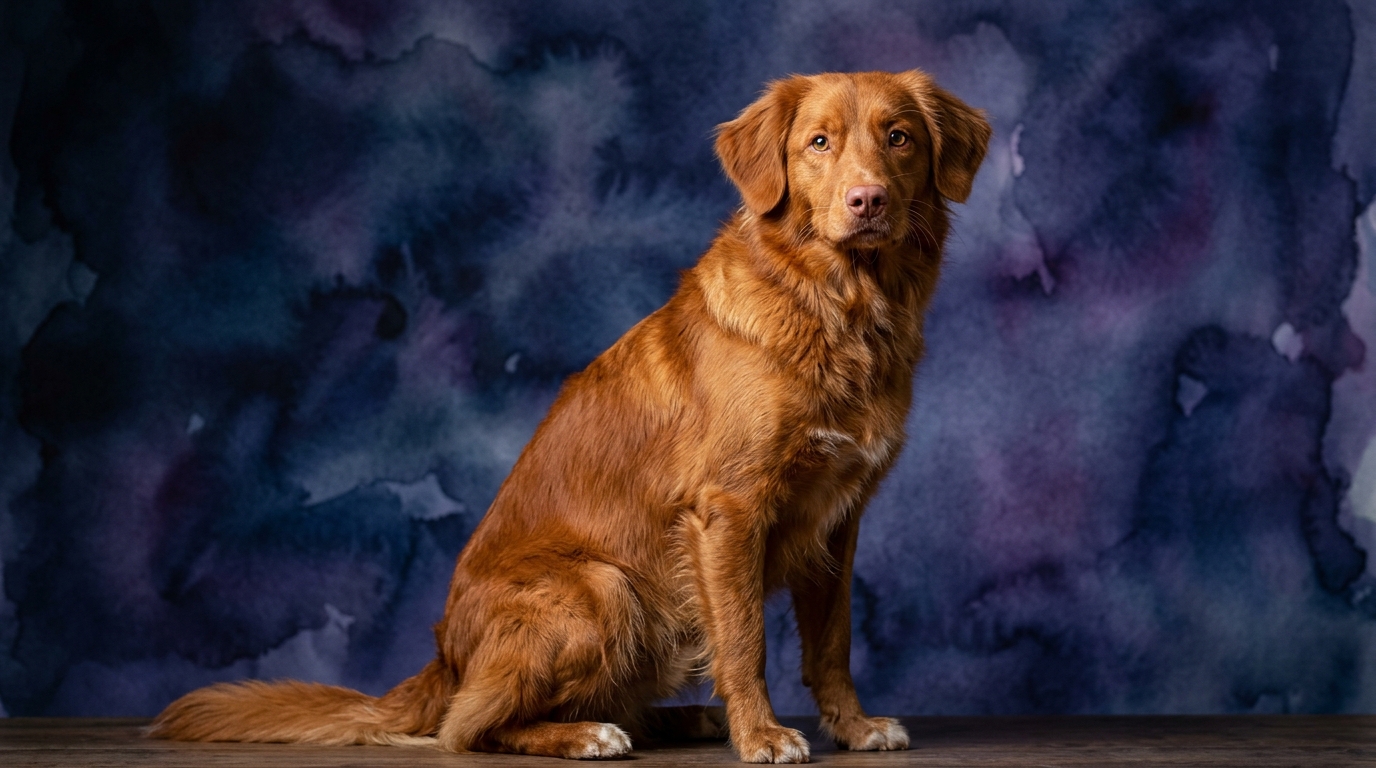
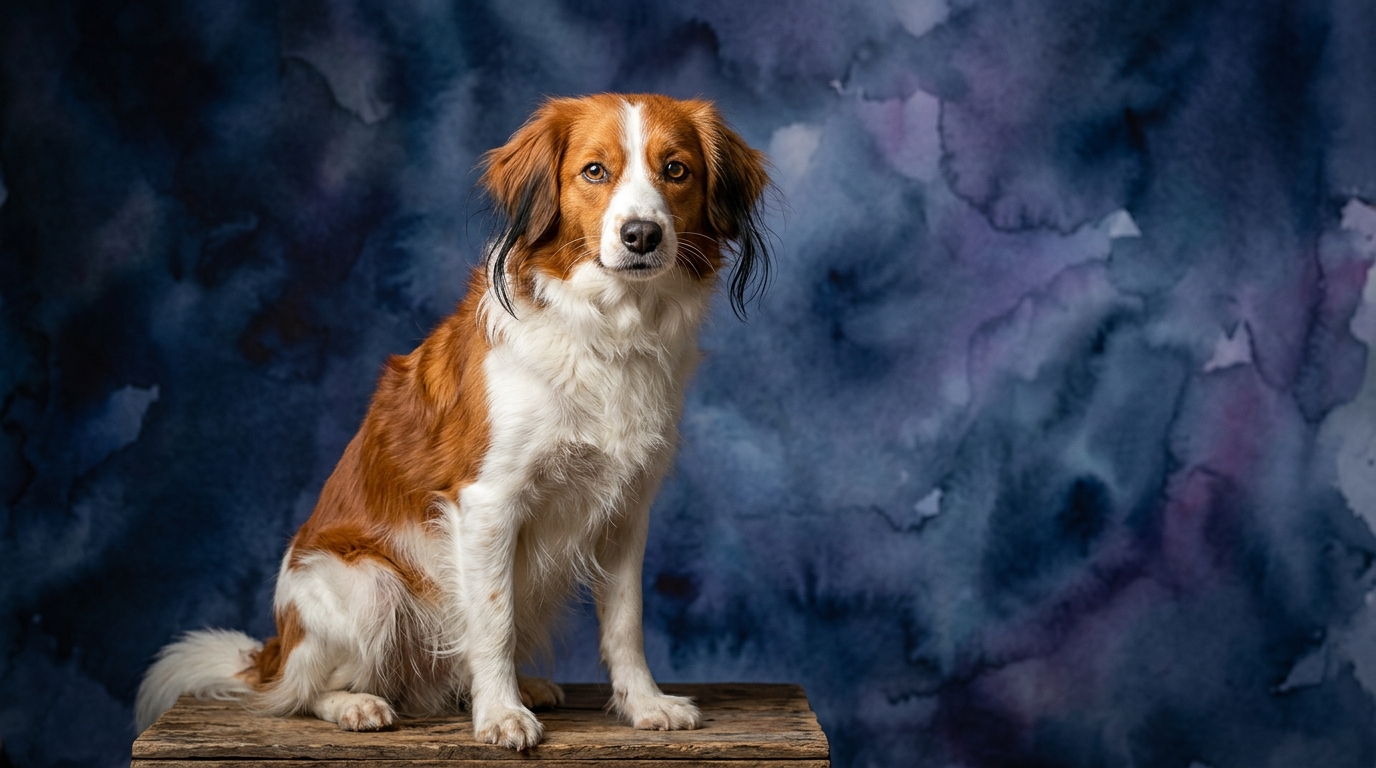
Side-by-Side IQ Profile: Unpacking the 3/5 Score
For both breeds, a 3/5 in Problem Solving indicates a competent ability to navigate novel situations and figure out solutions, though perhaps not with groundbreaking innovation. The Toller often applies this to complex retrieve scenarios, strategizing the quickest path through varied terrain or finding a cleverly hidden bumper, with their problem-solving often goal-oriented and practical. The Kooikerhondje, conversely, might use its 3/5 problem-solving for more nuanced tasks like figuring out the optimal timing and movement to lure ducks into a trap, requiring observation, patience, and adapting to the ducks' behavior, with solutions often less about brute force and more about strategic finesse.
A 3/5 in Training Speed suggests both breeds are generally responsive and capable of learning new commands and routines at a moderate pace, neither one-repetition learners nor particularly stubborn. The Toller's training speed is often bolstered by its desire to work cooperatively with its handler, making it generally receptive to structured lessons. The Kooiker, while also eager to please its chosen human, might approach training with a slightly more independent streak, sometimes preferring to figure things out on its own terms before fully committing to a command.
A 3/5 in Social Intelligence implies both breeds possess a solid understanding of social cues, capable of forming strong bonds and interpreting human intentions. The Toller's social intelligence often manifests as a deep connection with its primary handler, making it highly attuned to their moods and desires, crucial for cooperative hunting; they are generally outgoing and friendly. The Kooiker's social intelligence, while equally strong, often leans towards a more reserved and discerning nature, deeply devoted to their family but potentially wary of strangers, processing new social interactions carefully.
A 3/5 in Instinctive Drive means both breeds possess inherent urges tied to their historical roles, but these drives are typically manageable and channelable. For the Toller, this drive is predominantly a powerful prey drive and an innate desire to retrieve, manifesting as an eagerness for games of fetch and a keen interest in birds. For the Kooikerhondje, the instinctive drive is centered around luring and flushing, translating into a strong curiosity for movement, a tendency to 'investigate' small animals, and an inclination towards subtle, strategic movement rather than overt chasing.
Both breeds demonstrate a competent Memory (3/5), capable of retaining learned commands, routines, and experiences over time. For the Toller, this memory is vital for recalling complex retrieve patterns, remembering specific hand signals, and navigating familiar hunting grounds. For the Kooiker, memory plays a role in remembering the intricate sequences of luring, the layout of their environment, and the specific behaviors of individual ducks or other small prey they might encounter.
Where Nova Scotia Duck Tolling Retriever Wins Cognitively
While both breeds share identical 3/5 scores across the board, the Toller's cognitive profile coalesces into a dog that excels in collaborative, high-energy, task-oriented work, particularly involving retrieval and sustained focus on a handler's direction. Their 3/5 in problem-solving often manifests as an efficient, direct approach to overcoming obstacles to achieve a clear objective, such as retrieving a bird from dense cover or navigating an agility course with speed and precision. The Toller's social intelligence, while rated 3/5, is geared towards an almost symbiotic relationship with its handler, making them exceptionally responsive to cues and eager to please in a structured working environment. This strong cooperative drive means they are often quicker to integrate into team-based activities and excel in sports where precision and speed under direction are paramount, like competitive obedience or flyball. Their instinctive drive, focused on retrieving, makes them naturally inclined to repetitive, energetic tasks that involve bringing objects back to their human.
Where Kooikerhondje Wins Cognitively
The Kooikerhondje's identical 3/5 scores, when viewed through the lens of their historical purpose, highlight a cognitive strength in nuanced, independent work that demands patience, observation, and strategic application of problem-solving. Their 3/5 problem-solving often translates into a more contemplative approach, where they might analyze a situation and devise a subtle plan, rather than immediately charging in, evident in their luring instincts where they might use cover and their unique tail flagging to draw attention. Their social intelligence, also 3/5, is particularly adept at reading subtle environmental changes and internalizing observations, making them excellent at tasks requiring discernment rather than overt showmanship. Kooikers often demonstrate a capacity for self-directed learning and can be remarkably clever at finding creative solutions to challenges, even if those solutions aren't always what their human initially intended. This independent streak and observational prowess give them an edge in activities that reward strategic thinking, quiet focus, and a nuanced understanding of their surroundings.
Which is Easier to Train and Why
Given their 3/5 training speed, both breeds are capable learners, but the experience of training them can differ significantly due to their other cognitive leanings. The Nova Scotia Duck Tolling Retriever often feels 'easier' to train for a novice owner due to their pronounced handler focus and cooperative nature (Social Intelligence 3/5). Tollers generally thrive on positive reinforcement and clear direction, eager to engage in structured tasks and please their human; their strong retrieving drive (Instinctive Drive 3/5) provides a natural motivator for many training exercises, creating a rewarding training dynamic.
The Kooikerhondje, while also responsive, can present a different kind of training challenge. Their 3/5 problem-solving often means they will try to figure things out on their own terms, sometimes testing boundaries or seeking alternative solutions if a task doesn't immediately resonate with their intrinsic motivations, reflecting their historical role as independent lurers. While they form deep bonds and are attentive to their family, their social intelligence is expressed with more nuance and less overt eagerness to please compared to the Toller, meaning training a Kooiker often requires a patient, consistent approach, an understanding of their independent streak, and creative methods to keep them engaged.
Which Suits Active Owners vs Relaxed Owners
Both the Nova Scotia Duck Tolling Retriever and the Kooikerhondje are Sporting breeds, implying they are not suited for truly 'relaxed' owners in the sense of minimal exercise or mental engagement; however, their energy manifests differently. The Toller is unequivocally suited for active owners; their 3/5 instinctive drive, heavily focused on retrieving and high-energy work, means they require consistent, vigorous physical exercise and mental stimulation, thriving on having a 'job' and needing regular outlets for their boundless energy and collaborative spirit. A less active owner would likely find a Toller overwhelming, potentially leading to frustration for both dog and human.
The Kooikerhondje also requires an active owner, but their activity needs can be channeled into more nuanced engagement. While they enjoy walks and play, their 3/5 instinctive drive for luring means they benefit from activities that engage their observational skills, strategic thinking, and bursts of activity rather than sustained, relentless exertion. They appreciate mental challenges, puzzle toys, scent work, and exploring varied environments where they can 'investigate,' making them a good match for an owner who enjoys moderate daily exercise combined with creative mental games, and appreciates a dog that also possesses an 'off switch' indoors.
The Verdict
Choose Nova Scotia Duck Tolling Retriever when you desire a highly collaborative, energetic partner for outdoor adventures, dog sports, and structured training, who thrives on working closely with you and embraces a clear, direct purpose.
Choose Kooikerhondje when you appreciate a dog with independent problem-solving skills, a keen observational mind, and a nuanced approach to interaction, suitable for engaging in strategic activities and requiring a patient, understanding owner who values subtle cleverness.
🧠 Find Your Pet's IQ Score
Our Pet IQ Lab assessment covers 25+ tests across 5 cognitive dimensions — personalized to your breed.
Take the Full IQ Test →Frequently Asked Questions
Are Nova Scotia Duck Tolling Retrievers and Kooikerhondjes good family dogs?
Both breeds, with their 3/5 social intelligence, can make devoted family companions. Tollers are generally outgoing and enjoy being part of all family activities, while Kooikers tend to bond deeply with their immediate family but can be reserved with strangers, requiring careful socialization.
What kind of mental stimulation do these breeds need to thrive?
With their 3/5 problem-solving and instinctive drive, both require regular mental challenges. Tollers benefit from retrieving games, obedience training, and learning new tricks, while Kooikers excel with puzzle toys, scent work, and activities that allow them to observe and strategize.
Do these breeds require a lot of grooming?
While not directly related to IQ, both breeds have medium-length coats that require regular grooming. Tollers benefit from weekly brushing to manage shedding and prevent mats, while Kooikerhondjes also need regular brushing, paying attention to their feathering on ears, legs, and tail.