Side-by-Side Cognitive Profiles: Old English Sheepdog vs. Irish Terrier
The Cosmic Pet Pet IQ Lab employs a five-dimensional framework to assess canine intelligence, offering a nuanced understanding beyond simple 'smartness.' Let's examine how the Old English Sheepdog and the Irish Terrier stack up in each cognitive area.
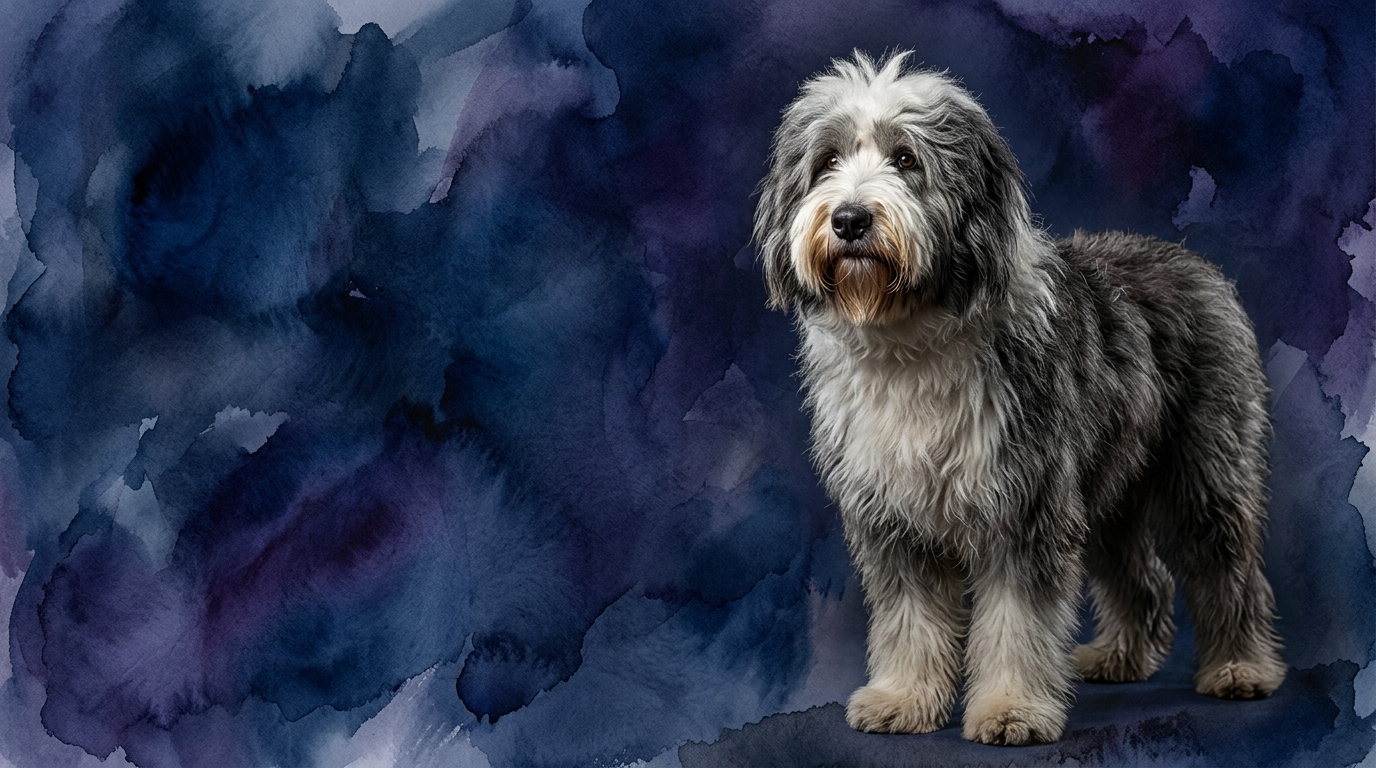
**Old English Sheepdog (Herding Group, Coren rank #44):** This breed’s cognitive makeup is deeply influenced by its history of managing livestock, requiring a blend of independent thought and cooperative spirit.
**Problem Solving (3/5):** The Old English Sheepdog approaches novel situations with a practical, methodical mindset. Their problem-solving often involves spatial reasoning and navigating obstacles, reflecting their historical role in guiding livestock through varied terrains. They can assess a situation and devise a functional solution, though perhaps not always the most creative one.
**Training Speed (3/5):** Old English Sheepdogs grasp new commands at a moderate pace. They are generally cooperative and eager to please, which aids in the learning process, but they might require consistent repetition to solidify understanding and execution, rather than picking things up instantly.
**Social Intelligence (3/5):** Their social acumen allows them to read human cues and interact appropriately within a family structure. They can gauge moods and respond with empathy, though they might not always initiate complex social interactions or exhibit the most nuanced communication with strangers.
**Instinctive Drive (3/5):** The core of their instinctive drive is rooted in herding. This manifests as a desire to gather, protect, and manage, which can translate into a watchful nature over their human 'flock.' This drive is present but generally manageable, rather than overwhelming.
**Memory (4/5):** A notable strength, their memory allows them to retain learned behaviors, routes, and associations over extended periods. This contributes to their consistency in tasks and their ability to recall past experiences, making them reliable companions once a routine is established.
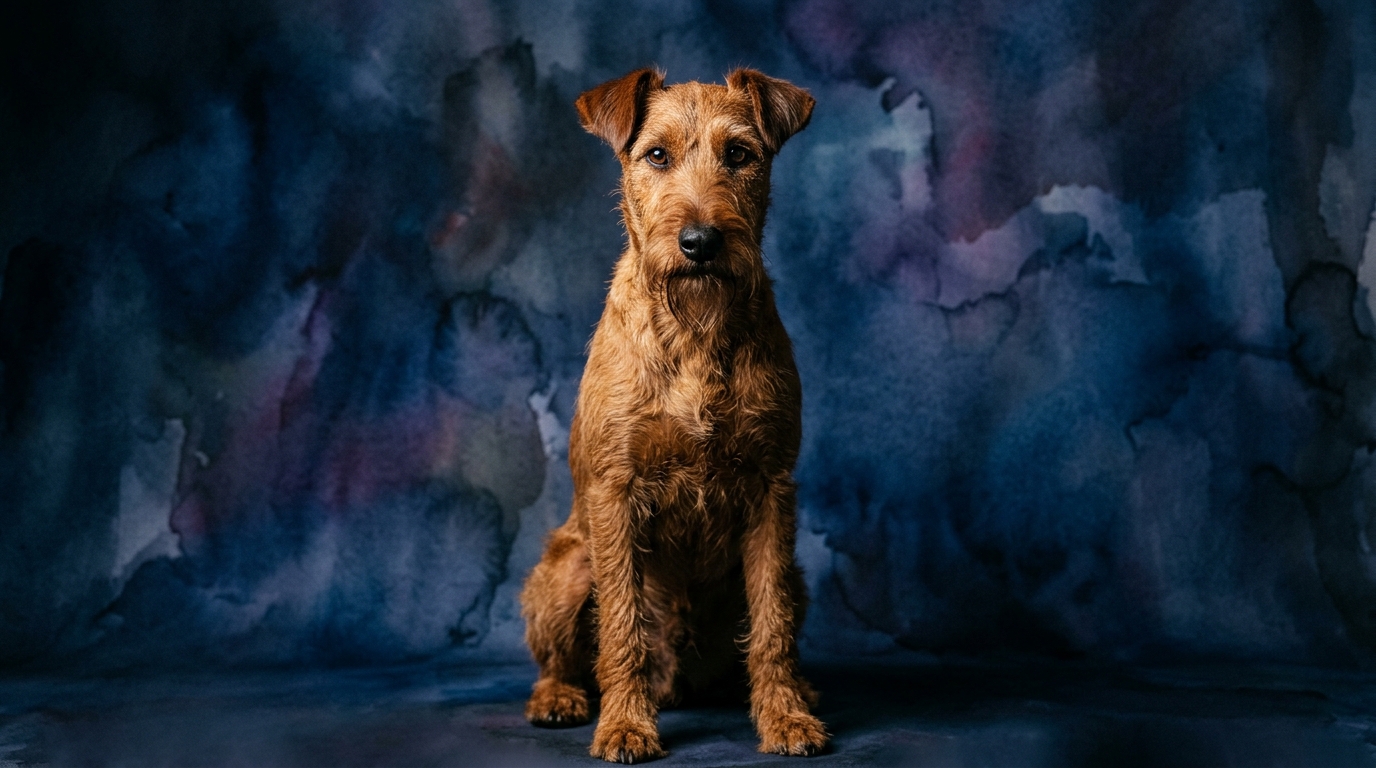
**Irish Terrier (Terrier Group, Not Coren-ranked):** The Irish Terrier embodies the spirited, independent nature of its group, with cognitive traits geared towards tenacious pursuit and self-reliance.
**Problem Solving (3/5):** Irish Terriers exhibit a tenacious and independent approach to problems. Their solutions often involve persistence and a willingness to try multiple angles, sometimes with a touch of stubbornness. They are adept at figuring out how to achieve a goal, especially if it involves digging, chasing, or manipulating objects.
**Training Speed (3/5):** While capable of learning new commands, the Irish Terrier's training speed is tempered by their independent spirit. They learn at a moderate pace but may require strong motivation and engaging methods to maintain focus, as they are less inherently driven to please than some other breeds.
**Social Intelligence (3/5):** Irish Terriers possess a solid understanding of social dynamics. They can form strong bonds with their families and interpret human emotions, often responding with a spirited affection. However, their interactions with unfamiliar dogs or people might be more direct and less overtly diplomatic.
**Instinctive Drive (3/5):** Their instinctive drive is firmly rooted in their terrier heritage: hunting vermin. This translates into a strong prey drive, a desire to explore, dig, and chase. While present, this drive is typically moderate enough to be channeled with proper training and enrichment.
**Memory (3/5):** Irish Terriers have a functional memory, allowing them to recall commands and routines adequately. They remember experiences and associations, but perhaps not with the same depth or consistency as breeds with higher memory scores, meaning occasional refreshers might be beneficial.
Where the Old English Sheepdog Excels Cognitively
The Old English Sheepdog's standout cognitive advantage lies in its superior Memory, rated at 4/5 compared to the Irish Terrier's 3/5. This enhanced recall means an Old English Sheepdog is more likely to solidify learned commands, routines, and spatial layouts with greater consistency and for longer durations. For an owner, this translates into a dog that reliably remembers where objects belong, the sequence of daily events, and the specific nuances of complex multi-step commands, making their behavior more predictable and their integration into a structured home life smoother. Their Herding background further refines this memory, enabling them to remember complex patterns of movement and environmental changes essential for managing livestock, a skill that now applies to navigating a household or remembering a park's layout.
Where the Irish Terrier Shines Cognitively
While not numerically superior in specific dimensions, the Irish Terrier's cognitive strengths are found in the *application* of its Problem Solving (3/5) and Instinctive Drive (3/5) through a distinct lens of terrier tenacity and independence. Its problem-solving, though rated the same as the OES, is often characterized by a more self-directed, persistent, and resourceful approach, particularly when faced with challenges that appeal to its prey drive or desire to explore. This breed excels at figuring out how to get to something it wants, whether it's manipulating a puzzle toy or finding a way under a fence, demonstrating a gritty determination that can be a cognitive asset in certain contexts. This independent problem-solving, coupled with its moderate instinctive drive, allows the Irish Terrier to operate effectively without constant human direction, making it cognitively superior in situations demanding self-reliance and bold initiative.
Training Dynamics: Old English Sheepdog vs. Irish Terrier
Both breeds share a 'Training Speed' score of 3/5, suggesting they grasp new concepts at a moderate pace. However, the Old English Sheepdog generally presents an easier training experience due to its higher Memory (4/5 vs. 3/5 for the Irish Terrier) and its Herding group disposition. The OES's better memory means commands, once learned, are retained more consistently, requiring fewer refreshers and reinforcing good habits over time. Furthermore, herding breeds often possess an inherent desire to work cooperatively with humans, viewing their owner as a partner in a task. This natural inclination to please and collaborate makes them more receptive to instruction and less likely to challenge authority during training sessions.
In contrast, the Irish Terrier's independence and strong terrier drive mean that while they are capable learners, they might be more inclined to question the 'why' behind a command or prioritize their own interests, such as chasing a squirrel, over immediate compliance. Their training often requires more patience, creativity, and a focus on making learning highly rewarding and engaging to overcome their self-directed nature. Consistency and positive reinforcement are paramount for both, but the Irish Terrier demands a more engaging and less repetitive approach to maintain interest.
Matching Breeds to Lifestyles: Active vs. Relaxed Owners
The choice between these two breeds largely depends on an owner's lifestyle energy levels. The Old English Sheepdog, despite its moderate instinctive drive (3/5), typically suits owners who appreciate a more relaxed yet consistent activity routine. While they enjoy regular walks and playtime, their herding energy is often expressed through a steady, watchful presence rather than frantic bursts of activity. They thrive in environments where they can be part of family activities without needing constant, high-intensity engagement, making them suitable for owners who enjoy leisurely strolls, backyard play, and ample cuddle time on the couch. Their higher memory and cooperative nature also mean they adapt well to established routines, which appeals to owners who prefer predictability.
Conversely, the Irish Terrier, with its tenacious problem-solving and moderate instinctive drive (3/5) rooted in its terrier heritage, is better suited for active owners. This breed possesses a spirited energy that requires consistent outlets for both physical exercise and mental stimulation. They thrive on activities that engage their independent thinking and prey drive, such as agility, earthdog trials, long hikes, or vigorous games of fetch. An owner who enjoys outdoor adventures, structured training, and can provide creative challenges to prevent boredom will find a compatible companion in the Irish Terrier. Their self-directed nature means they need an owner willing to channel their energy constructively, rather than expecting them to be content with a purely sedentary lifestyle.
The Verdict
Choose the Old English Sheepdog if you seek a companion with a reliable memory and a cooperative spirit, ideal for a home that values consistent routines and a dog that readily integrates into family life with a gentle, watchful presence.
Opt for the Irish Terrier if you are an active individual or family looking for a spirited, independent, and tenacious partner, ready for adventures and mental challenges, and willing to invest in engaging training to channel their distinctive terrier drive.
🧠 Find Your Pet's IQ Score
Our Pet IQ Lab assessment covers 25+ tests across 5 cognitive dimensions — personalized to your breed.
Take the Full IQ Test →Frequently Asked Questions
Does the Old English Sheepdog's memory make it easier to house-train?
Yes, the Old English Sheepdog's superior memory (4/5) certainly aids in house-training. They are more likely to quickly remember and consistently adhere to designated potty spots and schedules, reducing accidents with proper guidance and positive reinforcement.
Is the Irish Terrier's problem-solving ability a sign of stubbornness?
The Irish Terrier's problem-solving, while tenacious, can sometimes be perceived as stubbornness, especially if their solution conflicts with an owner's wishes. It's more accurately a display of their independent thinking and strong drive to achieve their own goals, requiring patient and creative redirection.
How do their social intelligence scores impact interactions with children?
Both breeds score 3/5 in social intelligence, indicating they can form strong bonds and understand family dynamics. The Old English Sheepdog's cooperative nature often makes them gentle and patient with children, while the Irish Terrier's spirited energy requires supervision to ensure interactions remain positive and respectful, especially during boisterous play.