
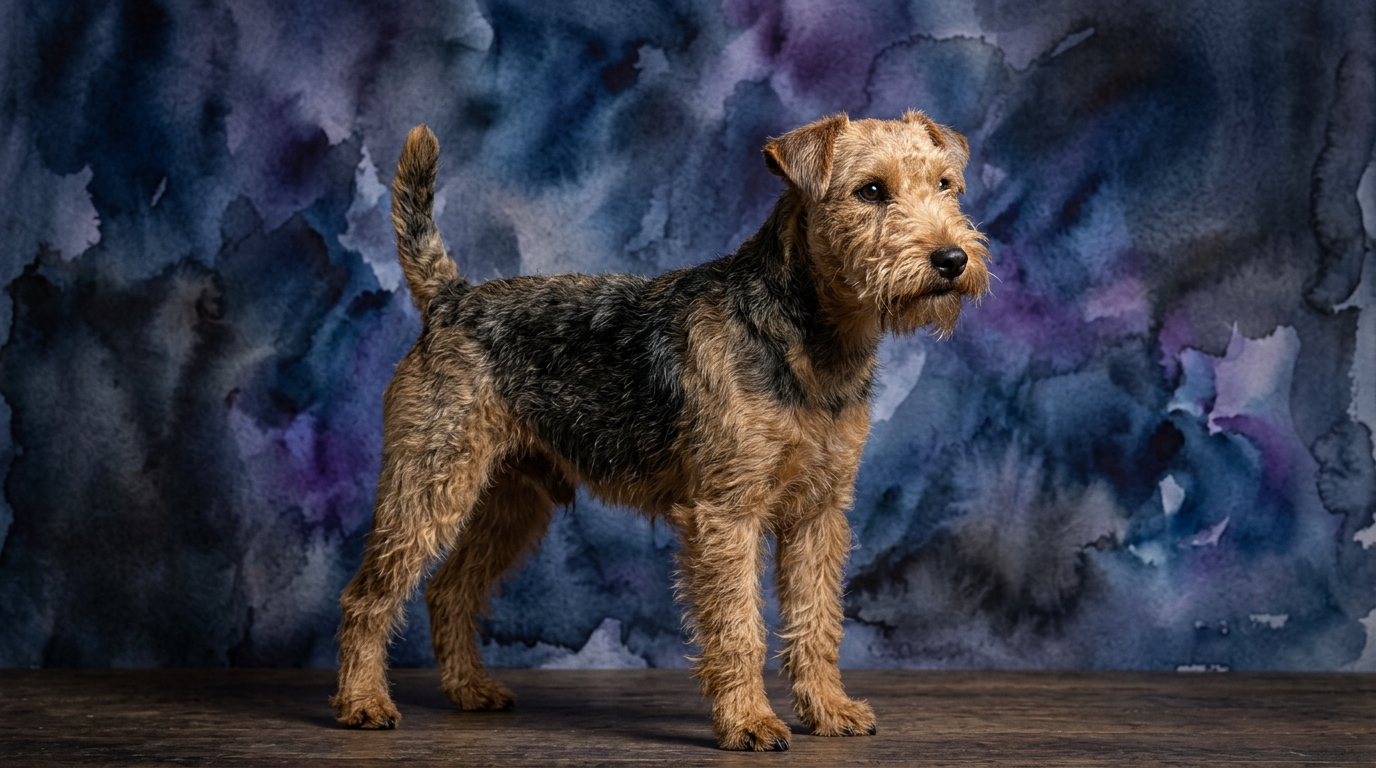
Side-by-Side IQ Profile: Old English Sheepdog vs. Lakeland Terrier
The Old English Sheepdog (OES), a robust herding breed, exhibits a cognitive profile well-suited to its historical role. Its Problem Solving is rated 3/5, reflecting its capacity to navigate complex flock movements and environmental challenges. Training Speed stands at 3/5, indicating a solid ability to learn and respond to commands, crucial for cooperative work. Social Intelligence is 3/5, highlighting its aptitude for understanding human cues and group dynamics within a working partnership. Its Instinctive Drive, also 3/5, is primarily channeled towards herding and protective behaviors. A notable strength is its Memory, scoring 4/5, essential for retaining complex routines, commands, and the whereabouts of its charges.
In contrast, the Lakeland Terrier, a tenacious hunting breed, presents a different mental landscape. Its Problem Solving is 3/5, demonstrating a focused determination in tackling obstacles to achieve its goals, often related to prey. Training Speed is 3/5, suggesting it can learn, but its independent streak might require more engaging and consistent methods. Social Intelligence is 3/5, showing it can form strong bonds and understand its human companions, though it might exhibit less deference than a typical working breed. Its Instinctive Drive is 3/5, powerfully directed towards hunting and investigating small prey. The Lakeland Terrier's Memory is rated 3/5, sufficient for recalling essential commands and navigating familiar territories, but perhaps less expansive than breeds requiring more complex pattern recognition.
Where the Old English Sheepdog Wins Cognitively
The Old English Sheepdog's superior Memory score of 4/5 is a significant cognitive advantage over the Lakeland Terrier's 3/5. This translates into a greater capacity for retaining complex sequences of commands, remembering intricate routines, and recalling specific locations or objects over time. For owners interested in advanced obedience, competitive dog sports requiring multi-step actions, or even just a dog that remembers household rules with greater consistency, the OES's memory serves as a distinct strength. Its position as Coren rank #44 also suggests a general aptitude for obedience learning, implying a cognitive architecture that processes and retains human-initiated instructions more readily than many other breeds.
Furthermore, the OES's herding-centric instinctive drive, while rated identically at 3/5, manifests as a desire to work cooperatively with a handler to manage a 'flock' – whether that's actual sheep or the family unit. This predisposition for partnership means its problem-solving and social intelligence are often applied in a context of seeking direction and working alongside humans, making it more inclined to follow complex cues and adapt its behavior based on human feedback.
Where the Lakeland Terrier Wins Cognitively
While the Lakeland Terrier's raw scores might not surpass the OES, its cognitive 'wins' lie in the application and focus of its intelligence, particularly its tenacious Problem Solving (3/5) fueled by its powerful Instinctive Drive (3/5). Where an OES might seek a human directive for a problem, a Lakeland is more prone to independent, resourceful, and often single-minded pursuit of a solution, especially if it involves a perceived 'prey' item or an interesting scent. This makes them exceptionally adept at figuring out how to bypass obstacles, open latches, or unearth hidden treasures when motivated by their terrier instincts.
Their compact size and historical role of hunting in confined spaces also mean their spatial reasoning and environmental navigation skills are highly developed for specific scenarios. A Lakeland Terrier might outmaneuver an OES in a tight, complex environment, using its body and wits to squeeze into small spaces or dig under barriers to reach a perceived reward. This independent resourcefulness, while sometimes challenging to manage, is a unique cognitive strength for owners who appreciate a dog that thinks for itself and isn't afraid to take initiative.
Which is Easier to Train and Why
Given the Old English Sheepdog's stronger memory (4/5 vs. 3/5) and its Coren ranking, it generally presents as the easier breed to train for conventional obedience and complex tasks. Their herding background instills a desire to work in concert with a human handler, making them more receptive to commands and more eager to please. They are likely to pick up new cues and retain them over time with fewer repetitions, and their social intelligence (3/5) is often geared towards understanding and responding to human direction, facilitating a smoother training process. Behavioral differences include a more pronounced 'follow' instinct and a greater tolerance for repetitive drilling.
The Lakeland Terrier, while possessing a 3/5 Training Speed, is often perceived as more challenging due to its independent nature and strong, self-directed instinctive drive. They are capable learners but require highly engaging, varied training sessions to prevent boredom and harness their focus. Their problem-solving (3/5) is often applied to their own agenda, which can manifest as selective hearing when a more interesting scent or sight captures their attention. Terriers are less inclined to 'please' for the sake of it; instead, they need to be convinced that the training task is more rewarding or interesting than their innate pursuits. Consistent, positive reinforcement and creative problem-solving games are essential to manage their spirited independence.
Which Suits Active Owners vs. Relaxed Owners
The Old English Sheepdog, despite its shaggy appearance, is best suited for active owners. Their herding heritage means they thrive on regular mental and physical engagement. While they can enjoy relaxed moments, their cognitive well-being benefits from structured activities like long walks, advanced obedience training, puzzle toys, and even dog sports that leverage their memory and problem-solving skills. Owners who enjoy teaching new tricks and engaging in consistent, cooperative training will find the OES a willing and capable partner, preventing boredom that can lead to less desirable behaviors. They need stimulation that allows them to use their intellect to manage or organize, even if it's just their family.
The Lakeland Terrier also requires active owners, though the *nature* of that activity differs. Their high instinctive drive and independent problem-solving mean they need outlets for their energy and curiosity that often involve exploration, scent work, and vigorous play. Relaxed owners who cannot provide consistent engagement, boundary setting, and opportunities for 'terrier work' (like structured digging or hide-and-seek games) may find a Lakeland inventing its own, potentially destructive, entertainment. They thrive with owners who appreciate their feisty spirit and are prepared to engage in activities that challenge their resourcefulness and satisfy their strong prey drive, making them excellent companions for adventurous individuals.
The Verdict
Choose the Old English Sheepdog if you seek a cooperative, companionable dog for structured learning, complex routines, and enjoy leveraging a strong memory in training and daily life. They thrive with owners who provide consistent mental engagement and appreciate a dog that works alongside them.
Opt for the Lakeland Terrier if you appreciate spirited independence, tenacious problem-solving, and a dog with a strong, self-directed drive. They are best for active owners who can provide creative outlets for their terrier instincts and enjoy a dog with a distinct, often witty, personality.
🧠 Find Your Pet's IQ Score
Our Pet IQ Lab assessment covers 25+ tests across 5 cognitive dimensions — personalized to your breed.
Take the Full IQ Test →Frequently Asked Questions
How does the Old English Sheepdog's memory impact its daily life?
The OES's 4/5 memory allows it to quickly learn and consistently follow household rules, remember complex walking routes, and recall the location of favorite toys or family members. This strong recall contributes to their general ease of living within a structured home environment, making them reliable companions once routines are established.
Are Lakeland Terriers difficult to live with due to their independence?
While their independence can present training challenges, it's also a hallmark of their charm. Living with a Lakeland requires consistent training, clear boundaries, and outlets for their natural drives. Owners who understand and appreciate their self-reliant nature often find them delightful, resourceful, and incredibly loyal companions.
Do either of these breeds excel in specific dog sports?
The Old English Sheepdog often excels in obedience, rally, and herding trials due to its memory, cooperative nature, and desire to work. Lakeland Terriers, with their agility and drive, can shine in earthdog trials, agility, and lure coursing, where their quickness, problem-solving, and prey drive are put to good use.