
Side-by-Side IQ Profile: Unpacking Cognitive Dimensions
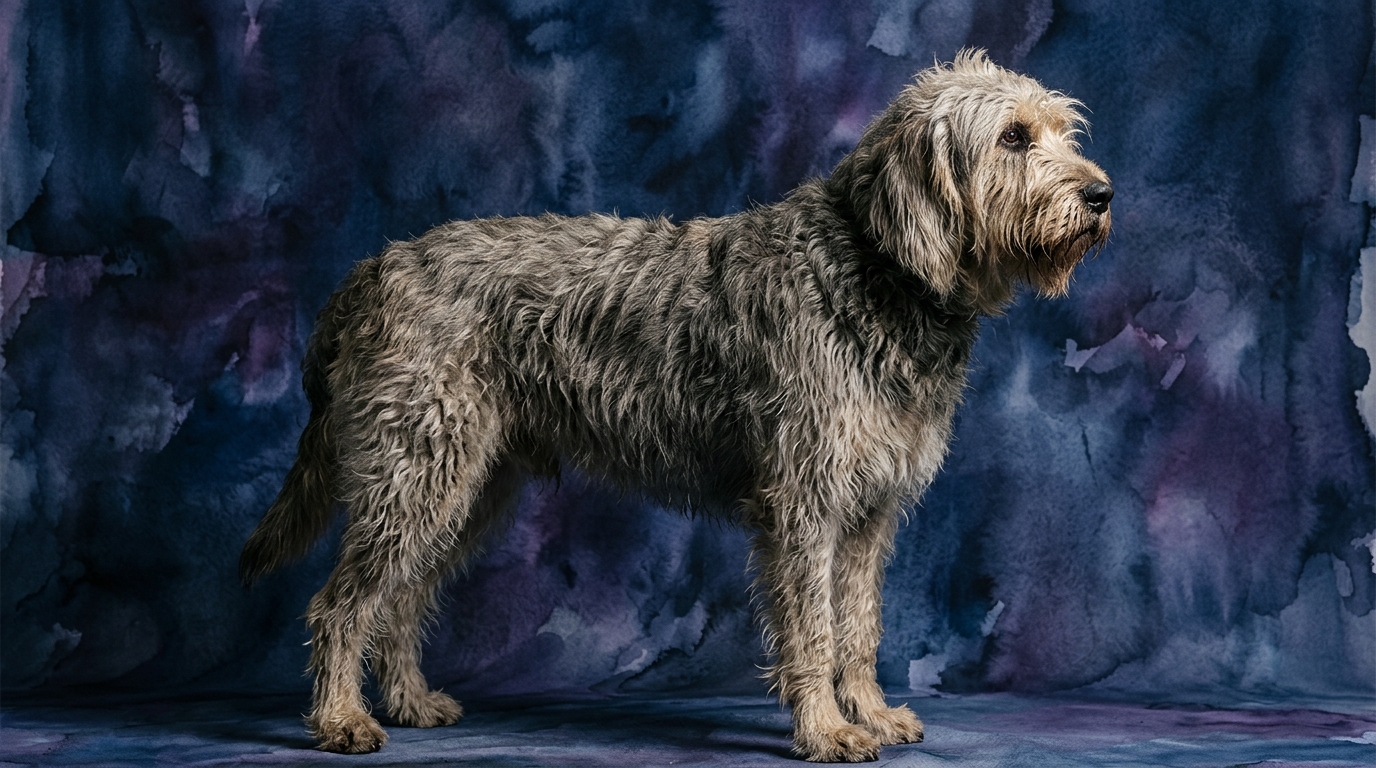
**Otterhound:** Originating from medieval England for otter hunting, this robust hound possesses a unique cognitive makeup. Their **Problem Solving (3/5)** is keenly honed for practical, real-world application, particularly when faced with environmental challenges during a pursuit. They excel at figuring out how to navigate tricky terrain or bypass obstacles to maintain a scent trail, demonstrating a persistent, methodical approach rather than abstract reasoning. **Training Speed (3/5)** indicates they are capable learners, but their independent spirit and powerful olfactory focus mean that lessons require patience and consistency. While they understand commands, a compelling scent can easily override immediate compliance, demanding a dedicated trainer. Their **Social Intelligence (3/5)** allows them to integrate well into a family unit and interact appropriately with other dogs, understanding pack hierarchies and interpersonal dynamics. The **Instinctive Drive (3/5)** in an Otterhound is overwhelmingly directed towards scent work; it’s a deep-seated, powerful urge to follow a trail, making them incredibly persistent and focused once engaged in their primary "job." Finally, their **Memory (3/5)** is particularly strong for scent profiles, familiar routes, and the locations of interesting outdoor stimuli, alongside remembering people and routines associated with their daily life.
**English Toy Spaniel:** This regal, charming companion breed, also known as the King Charles Spaniel, offers a distinct cognitive profile. Their **Problem Solving (3/5)** is often directed towards navigating their domestic environment to achieve comfort or proximity to their human companions. This might involve figuring out how to access a favorite lap, retrieve a desired toy, or subtly communicate a need, showcasing a cleverness focused on personal well-being and social interaction. **Training Speed (3/5)** reflects their capacity to learn readily, often driven by a strong desire to please their beloved primary human. They are sensitive learners who thrive on gentle, positive reinforcement, absorbing new information efficiently when the motivation is affection and praise. Their **Social Intelligence (3/5)** is exceptionally refined and human-centric; they are adept at reading subtle emotional cues, understanding moods, and adjusting their behavior to maintain harmony and provide comfort. The **Instinctive Drive (3/5)**, while present, is primarily channeled into companionship and affection. Their **Memory (3/5)** is excellent for routines, the nuanced preferences of their family members, and the comfort zones within their home, ensuring they remember who provides the best cuddles and where every treat is stored.
Where the Otterhound Wins Cognitively
The Otterhound's cognitive strengths distinctly outshine the English Toy Spaniel's in scenarios demanding sustained, independent focus on an external, goal-oriented task, especially those involving complex sensory input. While both breeds register 3/5 in problem-solving, the Otterhound's expression of this ability is tailored for navigating intricate outdoor environments and overcoming physical barriers to follow a specific scent trail. Their instinctive drive (3/5) is a powerful engine for this, allowing them to maintain unwavering concentration over long periods, filtering out distractions that would overwhelm many other breeds. For instance, an Otterhound can methodically work through tangled undergrowth, deciphering a fading scent with a persistence born from centuries of selective breeding. Their memory (3/5) for scent profiles and terrain features allows them to recall and re-engage with a trail even after a significant break. Therefore, in any domain requiring robust, persistent, and independently driven sensory investigation and navigation, the Otterhound demonstrates a clear cognitive advantage.
Where the English Toy Spaniel Wins Cognitively
Conversely, the English Toy Spaniel demonstrates superior cognitive prowess in domains requiring nuanced social perception and emotional attunement, particularly within a human family context. While both breeds score 3/5 for social intelligence, the English Toy Spaniel's manifestation is far more sophisticated and subtle, centered on reading and responding to human emotional states. They possess an uncanny ability to pick up on minute shifts in their primary human's mood, offering comfort, soliciting gentle interaction, or retreating subtly when appropriate. Their problem-solving (3/5) is often employed in deciphering social dynamics—figuring out how to elicit a desired affectionate response or navigating household interactions to secure a favored spot on the sofa. This breed's cognitive strengths lie in their capacity for profound empathy and their ability to integrate seamlessly into human emotional lives, making them masters of companionate interaction. Their memory (3/5) for personal routines and the comfort preferences of their human family members allows them to anticipate needs and contribute to a harmonious home environment in ways an Otterhound would not typically prioritize or excel at.
Which Is Easier to Train and Why
When considering ease of training for typical companion behaviors, the English Toy Spaniel generally holds an advantage due to their inherent motivation and social sensitivity. Their social intelligence (3/5) means they are exquisitely attuned to human reactions and desires, making them eager to understand and comply with commands, especially when training involves positive reinforcement like praise and affection. Their training speed (3/5) is effectively leveraged by their deep desire to please and connect with their human, making them responsive and relatively quick to pick up new behaviors within a calm, consistent training environment. Conversely, while the Otterhound also scores 3/5 in training speed, their powerful instinctive drive (3/5) for scent work and their independent nature present unique training challenges. An Otterhound's nose can be an overwhelming distraction; even the most enticing treat might not compete with a captivating scent trail. This means that while they are capable of learning, trainers must be exceptionally patient, creative, and consistent, often needing to work harder to maintain the Otterhound's focus against the pull of their innate instincts. For instance, teaching a reliable recall in an open, scent-rich environment is a monumental task for an Otterhound, demanding far more specialized effort than for an English Toy Spaniel whose primary motivation is human interaction rather than external sensory exploration.
Suited for Active vs. Relaxed Owners
The choice between these two breeds hinges significantly on the owner's lifestyle. The Otterhound is an ideal, perhaps even essential, match for active, outdoors-oriented individuals or families. Their robust build, high stamina, and potent instinctive drive (3/5) for scent work necessitate substantial daily exercise and mental stimulation. These dogs thrive when given opportunities to engage their powerful noses, whether through long hikes, scent games, or even participation in tracking sports. Owners must be prepared for their strong, often independent personality and the need for consistent training to manage their natural impulses. An Otterhound that doesn't receive adequate physical and mental outlets can become restless or destructive, making them unsuitable for a sedentary lifestyle. In stark contrast, the English Toy Spaniel is perfectly suited for more relaxed owners who prioritize companionship and indoor comfort. Their exercise requirements are modest, satisfied with short, gentle walks and indoor play. This breed's primary need is close proximity to their human companions, thriving in calm home environments where they can be central to family life. Their advanced social intelligence (3/5) makes them content to observe, cuddle, and participate gently in household routines, making them excellent companions for individuals with limited mobility, those living in smaller spaces, or anyone seeking a devoted, low-impact presence in their daily lives. They are true lap dogs, finding their greatest joy in shared quiet moments.
The Verdict
Choose the Otterhound if you're an active, outdoors-oriented individual or family seeking a robust companion for adventures, particularly those involving scent exploration, and are prepared for a dog with a strong, independent hunting drive.
Opt for the English Toy Spaniel if you desire a gentle, devoted lap companion who thrives on quiet companionship, is highly attuned to your emotions, and fits seamlessly into a relaxed, home-centric lifestyle.
🧠 Find Your Pet's IQ Score
Our Pet IQ Lab assessment covers 25+ tests across 5 cognitive dimensions — personalized to your breed.
Take the Full IQ Test →Frequently Asked Questions
Do Otterhounds need a lot of mental stimulation?
Yes, Otterhounds, with their strong instinctive drive for scent work, require consistent mental stimulation. This can involve scent games, puzzle toys, or regular opportunities to explore new environments where they can engage their powerful nose, preventing boredom and channeling their natural instincts positively.
Are English Toy Spaniels good with children?
English Toy Spaniels are generally known for their gentle and patient temperament, making them suitable companions for respectful children. Their high social intelligence helps them understand family dynamics, but supervision is always recommended to ensure interactions are calm and positive for both dog and child.
How do these breeds compare in terms of house-training difficulty?
Both breeds score 3/5 in training speed, implying they can learn house-training with consistency. The English Toy Spaniel's desire to please can make them quicker to grasp indoor etiquette, while the Otterhound's independent nature might require more diligent supervision and consistent routines, especially during puppyhood, to establish good habits.