Side-by-Side IQ Profile: Otterhound vs. Irish Water Spaniel
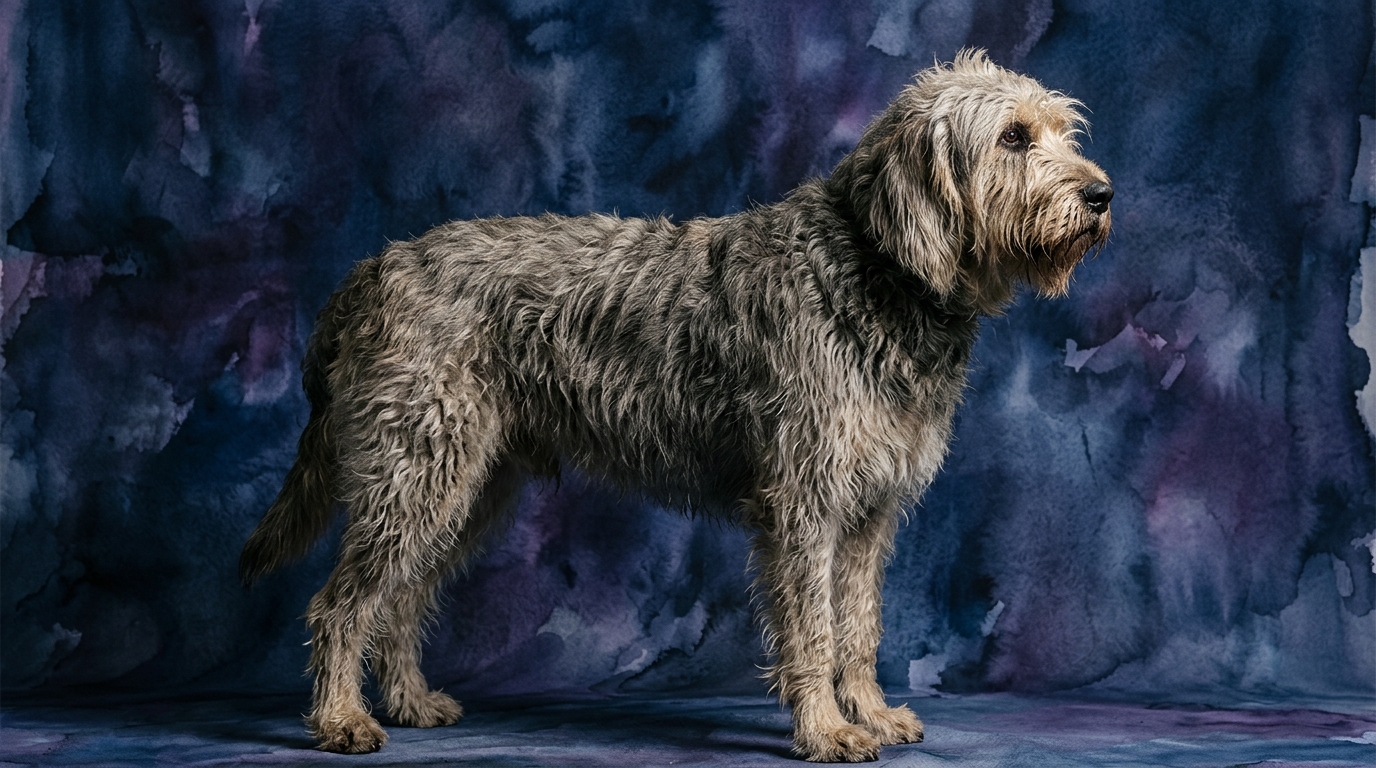
The Otterhound, originating as a tenacious hunter of otters, showcases a cognitive profile finely tuned for its specialized task. Their Problem Solving is rated 3/5, indicating competence in unraveling complex scent trails and navigating varied terrain, rather than abstract puzzles. Training Speed is also 3/5; they learn, but often at their own pace, prioritizing compelling scents over immediate human instruction. Their Social Intelligence (3/5) suggests they form bonds and read cues, yet maintain an independent streak. An Instinctive Drive of 3/5 is predominantly geared towards scent tracking, guiding their actions with remarkable single-mindedness. Lastly, their Memory (3/5) is excellent for recalling scent patterns, routes, and routines, though perhaps less for a vast array of complex, arbitrary commands.
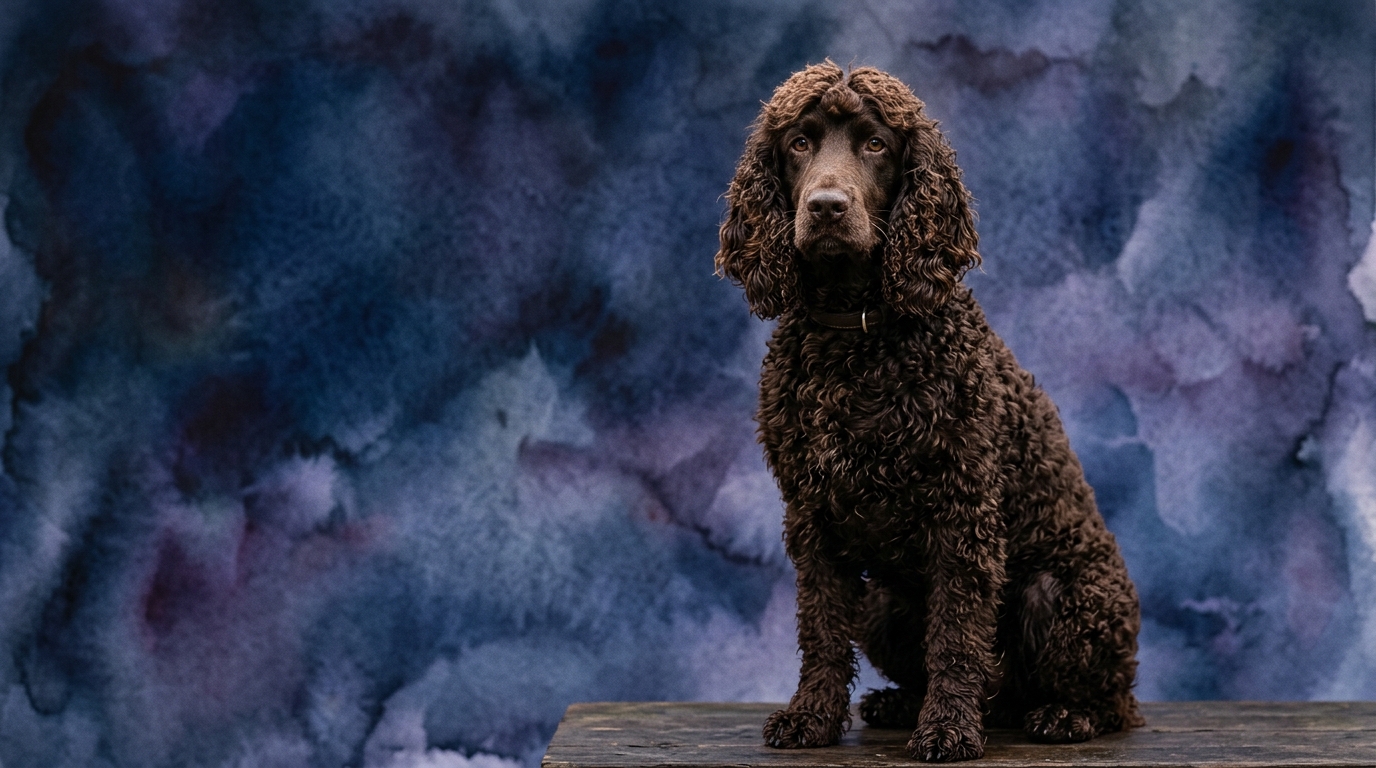
In contrast, the Irish Water Spaniel, ranked #24 by Coren for working and obedience intelligence, presents a different mental architecture. Their Problem Solving is rated 4/5, demonstrating a higher aptitude for figuring out novel tasks, devising retrieving strategies, and adapting to new training scenarios. Training Speed is 4/5, meaning they generally grasp new commands and behaviors quicker, eager to please and respond to instruction. Their Social Intelligence (3/5) highlights their capacity for close relationships and attunement to handler cues, thriving as part of a team. An Instinctive Drive of 3/5 is strongly focused on retrieving, especially from water, fueling their enthusiasm for work and play. Their Memory (4/5) is robust for learned commands, sequences, and handler expectations, contributing significantly to their trainability and ability to perform complex routines.
Where the Otterhound Excels Cognitively
The Otterhound's cognitive strengths are profoundly rooted in its olfactory prowess. While its problem-solving score is 3/5, this dimension is specialized for scent detection and interpretation. They excel where a human-directed dog might struggle, such as following a cold, intricate trail or differentiating subtle scent nuances amidst environmental distractions. This unique form of cognitive ability showcases an exceptional capacity for sensory processing and deduction.
Furthermore, their instinctive drive (3/5) and memory (3/5) are perfectly aligned for autonomous navigation and persistence. Otterhounds can sustain independent work over long distances, relying on an internal compass and a complex scent map. They do not require constant human input to stay on task when a compelling scent is present, demonstrating a self-directed focus that is a hallmark of dedicated scent hounds.
Their social intelligence, while rated 3/5, also extends to a keen awareness of their natural surroundings. Beyond direct human interaction, Otterhounds are highly attuned to environmental cues, interpreting the world through their nose and ears with remarkable depth. This cognitive focus allows them to build a rich mental picture of their environment, crucial for their historical hunting role.
Where the Irish Water Spaniel Excels Cognitively
The Irish Water Spaniel's 4/5 problem-solving ability truly shines in tasks requiring collaboration with a handler. They actively seek to understand and execute human requests, making them adept at complex retrieves, navigating agility courses, or performing intricate obedience sequences. This cooperative cognitive style allows them to integrate human instructions into their problem-solving strategies effectively.
With a 4/5 in both training speed and memory, the Irish Water Spaniel demonstrates superior adaptive learning and memory retention. They quickly learn and reliably recall a wide repertoire of commands and behaviors, making them versatile for various dog sports and roles. This capacity for rapid assimilation and consistent recall is a significant advantage in structured training environments.
While their instinctive drive (3/5) is strongly water-focused, their higher problem-solving capacity allows them to apply this drive to a broader range of human-directed tasks beyond their core retrieving instinct. They can channel their energy and enthusiasm into diverse activities, adapting their natural predispositions to meet specific training goals, which is a key indicator of their cognitive flexibility.
Which is Easier to Train, and Why?
Based on their IQ profiles, the Irish Water Spaniel is generally easier to train for formal obedience and complex tasks. Their higher training speed (4/5) and memory (4/5), coupled with their Coren rank of #24, indicate a strong predisposition for cooperative learning. They possess a keen desire to please their handler and a focus on interaction, which translates into quicker comprehension and retention of commands. Their superior problem-solving (4/5) also aids them in understanding the intent behind a command, rather than merely rote memorization.
The Otterhound, conversely, presents a more significant training challenge, primarily due to its independent and profoundly scent-driven nature. While their 3/5 training speed and memory are adequate, their powerful instinctive drive (3/5) means they can be incredibly difficult to redirect once a compelling scent is detected. This single-minded focus can make consistent recall or sustained attention in stimulating environments arduous. Training an Otterhound requires immense patience, consistent positive reinforcement, and a deep understanding of their deep-seated hound instincts, often excelling when training leverages their nose rather than demanding arbitrary obedience.
Suited for Active vs. Relaxed Owners
Neither the Otterhound nor the Irish Water Spaniel is suitable for truly 'relaxed' owners in terms of physical activity, as both breeds require substantial daily exercise. However, the *type* of activity they thrive on differs. The Otterhound is best suited for owners who are active outdoors and appreciate long, exploratory walks or 'sniffaris' where the dog can fully engage its formidable nose. Owners must be prepared for an independent spirit and a dog that may follow a scent trail with single-minded determination, demanding patience and secure environments.
The Irish Water Spaniel, on the other hand, is ideal for highly active owners who enjoy structured activities like swimming, retrieving, agility, or obedience trials. They thrive on having a 'job' and excel when their physical and mental energy is channeled into cooperative tasks. They require consistent engagement and can become bored or destructive without adequate stimulation, making them perfect partners for those who enjoy a more interactive and goal-oriented approach to exercise.
The Verdict
Choose an Otterhound if you appreciate a dog with an independent spirit, a formidable nose, and enjoy long, unhurried explorations where their unique scent-tracking abilities can shine, and you are patient with training a hound's distinct motivations.
Choose an Irish Water Spaniel if you seek an energetic, highly trainable partner for dog sports, water activities, and value a strong, cooperative working bond built on mutual engagement and consistent training.
🧠 Find Your Pet's IQ Score
Our Pet IQ Lab assessment covers 25+ tests across 5 cognitive dimensions — personalized to your breed.
Take the Full IQ Test →Frequently Asked Questions
Is an Otterhound difficult to live with due to its independent nature?
Otterhounds possess a strong, independent drive for scent work, which can manifest as selective hearing outdoors. While they are affectionate companions indoors, their need for mental and physical stimulation through scent-driven activities is paramount to a harmonious household.
How much exercise does an Irish Water Spaniel need daily?
Irish Water Spaniels require significant daily exercise, typically 60-90 minutes of vigorous activity, including swimming, retrieving, or fast-paced walks. Their cognitive abilities also thrive with consistent training and mental challenges, preventing boredom and potential destructive behaviors.
Can an Otterhound be a good family dog?
Yes, Otterhounds are generally good-natured and affectionate with their families, often forming strong bonds with children. Their calm demeanor indoors, combined with their playful outdoor energy, makes them suitable for active families who understand and can accommodate their unique hound instincts and exercise needs.