Side-by-Side Cognitive Profiles: Decoding Identical Scores
At first glance, the Pet IQ Lab scores for both the Otterhound and the Italian Greyhound present a puzzling uniformity: each breed registers a 3/5 across all five cognitive dimensions – problem solving, training speed, social intelligence, instinctive drive, and memory. However, these identical numbers belie profoundly different expressions of mental aptitude, shaped by their distinct histories, physical attributes, and evolutionary roles.
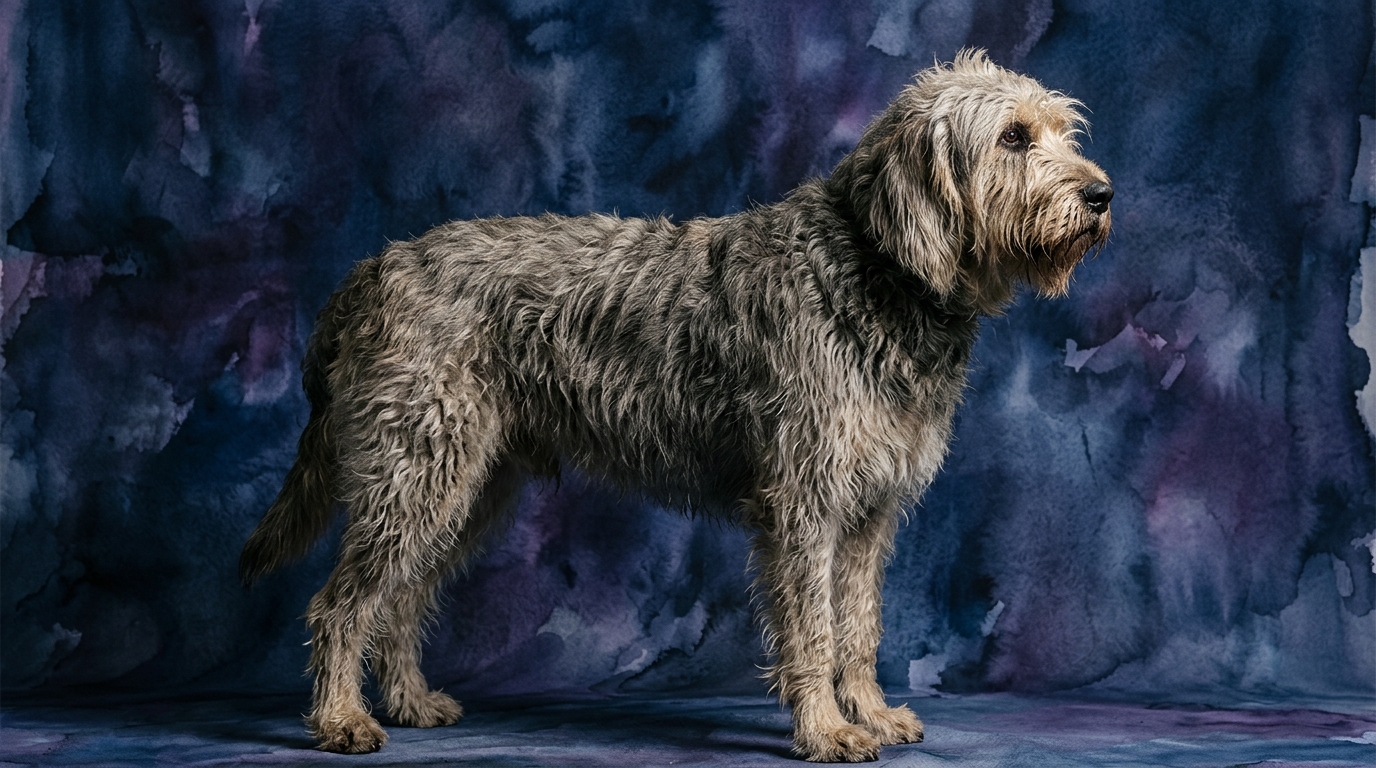
For the Otterhound, a sturdy scenthound, their 3/5 in problem solving manifests as an unparalleled ability to methodically process and follow intricate scent trails, often for hours, ignoring distractions that would derail many other breeds. Their 3/5 training speed reflects a capacity to learn, but through a filter of independent thought, where commands must compete with the allure of a compelling scent. Social intelligence at 3/5 means they are generally affable and form strong bonds with their human 'pack,' understanding family dynamics, though their expressions of affection can be boisterous. Their instinctive drive, also 3/5, is powerfully geared towards tracking, dictating much of their focus and decision-making. Finally, their 3/5 memory is remarkable for scent trails, locations of previous finds, and established routines, aiding their hunting prowess and daily life.
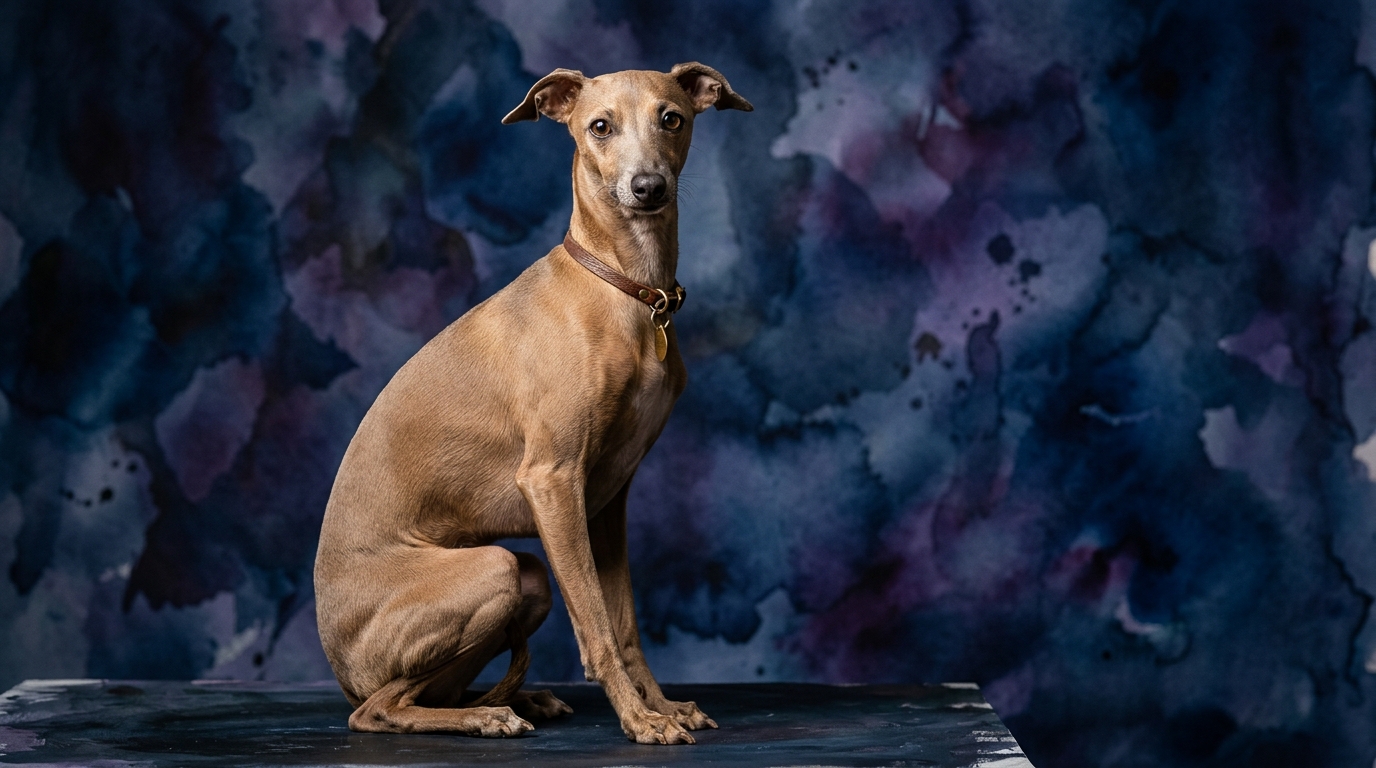
The Italian Greyhound, a graceful toy sighthound, interprets these same 3/5 scores quite differently. Their problem solving (3/5) often centers on navigating their human-centric world, finding the warmest sunbeam, the most comfortable lap, or the quickest route to a coveted treat, sometimes employing subtle manipulation. Training speed (3/5) indicates rapid learning when motivated by positive reinforcement and gentle methods, yet their delicate nature means they can be easily distracted by stress or boredom, and house-training often requires extended effort. Social intelligence (3/5) for an Italian Greyhound means being highly attuned to their favored human's emotions, often mirroring moods and seeking comfort, forming deep, almost symbiotic bonds while being reserved with strangers. Their instinctive drive (3/5) combines a strong visual prey drive with a powerful urge for warmth, comfort, and close physical proximity to their chosen people. Their memory (3/5) is precise for past interactions, both positive and negative, influencing future behavior and trust levels, as well as recalling routines and favorite spots.
Where the Otterhound's Cognition Shines
While both breeds score a 3/5 in problem solving, the Otterhound's cognitive strengths manifest uniquely in their ancestral domain: scent work. Their '3' reflects an unparalleled ability to methodically process and follow intricate scent trails, often for hours, ignoring distractions that would derail many other breeds. This isn't just about sniffing; it involves complex spatial reasoning, pattern recognition in olfactory data, and an unwavering focus to achieve a goal set by their nose. When faced with a puzzle requiring sustained, independent effort in a dynamic outdoor environment, the Otterhound's deep-seated instinctive drive to track transforms their problem-solving score into a triumph of endurance and sensory processing. They excel at deciphering the 'story' left on the ground, a cognitive feat distinct from indoor-focused challenges.
Where the Italian Greyhound's Cognition Excels
The Italian Greyhound, despite sharing the same 3/5 social intelligence score, demonstrates a nuanced cognitive edge in their profound sensitivity to human emotional states and their ability to integrate seamlessly into a domestic routine. Their '3' signifies an exquisite capacity to read subtle shifts in tone, body language, and mood from their primary caregivers, often anticipating needs or seeking comfort with quiet grace. This breed's problem-solving, while rated 3/5, frequently involves ingenious methods for securing comfort or attention, like strategically placing themselves for maximum sun exposure or employing a soft whine to request lap time. Their cognitive strength lies in adapting their inherent sighthound quickness and delicate frame to master the intricate social landscape of a human home, often using their keen observation and memory to manipulate situations to their advantage, all without the boisterousness of a larger hound.
Training Dynamics: Otterhound vs. Italian Greyhound
Comparing the 3/5 training speed of these two breeds requires understanding their intrinsic motivations and sensitivities. The Otterhound, with its potent instinctive drive to follow scent, often presents a unique training challenge. While capable of learning complex commands, their attention can be intensely focused on the olfactory world, making recall difficult if a compelling scent trail is present. Training an Otterhound requires immense patience, creativity, and high-value rewards to compete with their primary drive. They respond best to consistent, positive reinforcement that leverages their love for exploration and scent games, but direct obedience can feel like a secondary concern to them. Their independence means they might 'choose' not to comply if the reward isn't compelling enough, or if a scent offers a more immediate gratification.
The Italian Greyhound, while also scoring 3/5, presents a different set of training considerations. Their delicate and sensitive nature means they thrive on positive reinforcement, gentle handling, and a calm training environment. They learn quickly when motivated by praise and treats, and their desire to please their favored person can be a strong asset. However, their small size and specific needs, particularly concerning house-training, can make them seem more challenging. They are prone to 'accidents' indoors if not given frequent access outside, or if the weather is unpleasant. Furthermore, their sighthound instinct means they can be easily distracted by visual stimuli, and their timidity can lead to 'shutting down' if training is harsh or inconsistent. Therefore, neither breed is 'easy' in a conventional sense; the Otterhound demands competition with its nose, while the Italian Greyhound demands sensitivity and consistency for its small bladder and emotional well-being.
Lifestyle Compatibility: Active vs. Relaxed Owners
For owners with an active lifestyle, the Otterhound often presents a more natural fit, particularly those who enjoy long hikes, scent work, or water activities. Their robust build, love for the outdoors, and unwavering stamina mean they require substantial daily exercise to remain content and well-adjusted. An Otterhound will enthusiastically join adventures, exploring every puddle and sniffing every bush. Their energy level, combined with their strong prey drive, means they are not suited to owners who prefer minimal outdoor engagement; boredom can lead to destructive behaviors. They thrive when given a 'job' or regular opportunities to engage their powerful nose and considerable physical abilities.
In contrast, the Italian Greyhound is generally better suited for owners who appreciate a more relaxed, yet still engaged, indoor lifestyle. While they possess bursts of surprising speed and enjoy short, brisk walks or playful romps in a secure yard, their exercise needs are considerably lower than the Otterhound's. They are content to spend much of their day curled up on a soft blanket or in a lap, reveling in warmth and companionship. Their delicate frame and sensitivity to cold make them less ideal for rugged outdoor adventures. Owners who enjoy quiet evenings, close physical proximity with their pet, and who can provide a warm, secure indoor environment will find the Italian Greyhound a delightful companion. They are not entirely sedentary, but their 'activity' often involves quick sprints around the house or playful chasing of toys, rather than long-distance endurance.
The Verdict
Select the Otterhound if you seek a boisterous, scent-driven companion for outdoor adventures and are prepared for a persistent, independent mind that thrives on exploration and consistent, creative training.
Opt for the Italian Greyhound if you desire a sensitive, elegant companion deeply attuned to human emotions, suited for a warm indoor life with bursts of playful energy and requiring gentle, consistent handling.
🧠 Find Your Pet's IQ Score
Our Pet IQ Lab assessment covers 25+ tests across 5 cognitive dimensions — personalized to your breed.
Take the Full IQ Test →Frequently Asked Questions
Do Otterhounds make good family pets despite their hunting instincts?
Yes, Otterhounds are generally affable and form strong bonds with their families, often being good with children if properly socialized. Their boisterous nature means supervision is key with very young children, but their loyalty and pack mentality make them devoted family members. Their strong scent drive means secure fencing and leash training are essential.
Are Italian Greyhounds difficult to house-train?
Italian Greyhounds can be challenging to house-train due to their small bladders, sensitivity to cold weather, and preference for indoor comfort. Consistent, frequent outdoor trips, positive reinforcement, and patience are crucial for success, often requiring a longer training period than with some other breeds. Many owners opt for pee pads indoors, especially in colder climates.
How do these breeds compare in terms of vocalization?
Otterhounds are known for their distinctive, baying 'voice,' often vocalizing when on a scent trail or when excited, which can be quite loud. Italian Greyhounds are typically much quieter, though they may emit soft barks or whines to communicate needs or express displeasure, and can be prone to "scream" if startled or in pain.