Side-by-Side Cognitive Profiles: Decoding the '3/5' Score
At a glance, The Cosmic Pet Pet IQ Lab ratings for both the Otterhound and the Löwchen show a consistent 3/5 across all categories: Problem Solving, Training Speed, Social Intelligence, Instinctive Drive, and Memory. This numerical equivalence, however, belies the unique ways each breed manifests these cognitive abilities, rooted deeply in their historical roles.
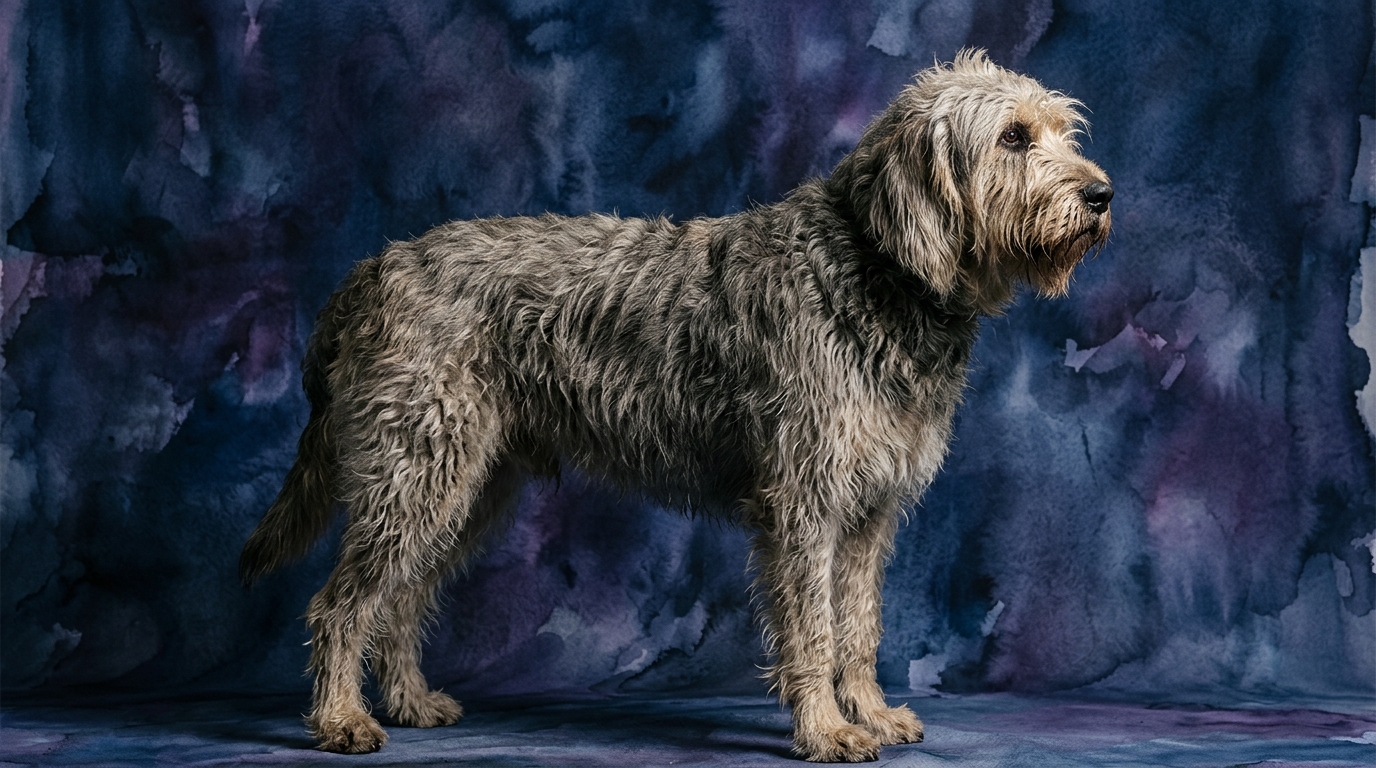
For the **Otterhound**, a large, shaggy hound bred to hunt otters in packs, a 'Problem Solving' score of 3/5 speaks to their ability to independently track complex scent trails across varied terrain, strategizing how to overcome natural obstacles to locate prey. Their 'Training Speed' at 3/5 reflects a moderate pace, often requiring patience due to their independent, scent-driven nature which can make them less eager to please and more prone to follow their nose. 'Social Intelligence' at 3/5 suggests competence in pack dynamics and understanding handler cues during a hunt, but perhaps less emphasis on nuanced human emotional attunement than a companion breed. Their 'Instinctive Drive' at 3/5 is robustly centered on scent work, tracking, and a persistent pursuit of a goal. Finally, 'Memory' at 3/5 indicates a solid capacity to recall scent patterns, hunting grounds, and learned behaviors essential for their working purpose.
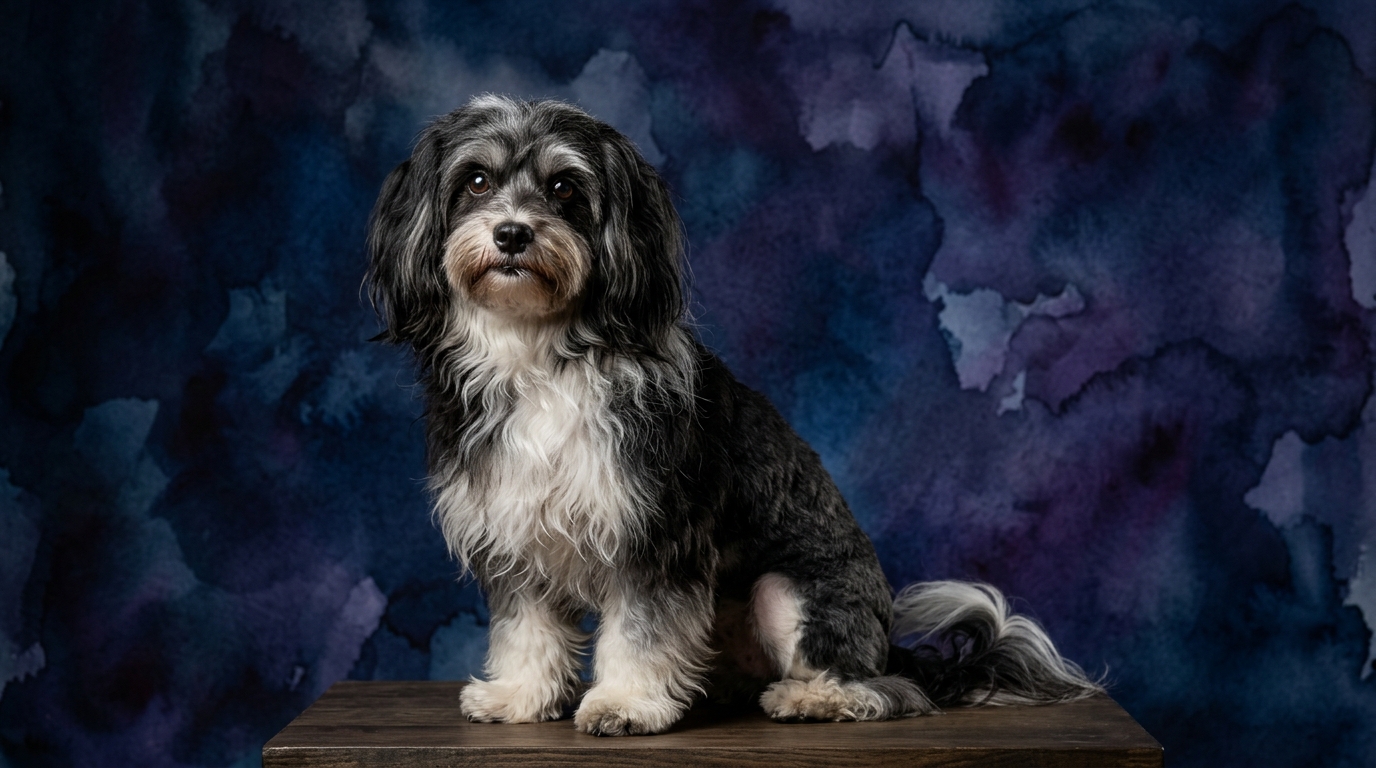
The **Löwchen**, or 'Little Lion Dog,' historically cherished as a companion breed, interprets the same '3/5' scores through a different lens. Their 'Problem Solving' at 3/5 often manifests as cleverness in navigating household environments, figuring out how to gain attention, or manipulating toys to their advantage. 'Training Speed' at 3/5 for a Löwchen suggests they are generally amenable to learning, often motivated by positive reinforcement and a desire to engage with their human, though their sensitive nature might mean they learn best with gentle, consistent methods. Their 'Social Intelligence' at 3/5 is profoundly expressed through their keen ability to read human emotions, adapt to various social settings, and integrate seamlessly into family life, making them highly attuned companions. 'Instinctive Drive' at 3/5 is primarily focused on companionship, play, and engaging with their family, rather than a strong prey drive. Their 'Memory' at 3/5 is effective for remembering routines, family members, and where their favorite humans or toys can be found, crucial for their role as a devoted house dog.
Where the Otterhound Excels Cognitively
While both breeds share the same numerical IQ scores, the Otterhound's cognitive strengths lean heavily into sustained, independent environmental problem-solving. Their 3/5 in Problem Solving, combined with their 3/5 Instinctive Drive, means they possess an exceptional capacity for methodical, persistent tracking over long durations and challenging landscapes. This isn't about solving a puzzle feeder, but rather about interpreting complex sensory data (scents) and making autonomous decisions in the field, a deep-seated cognitive resilience for task completion even without constant human direction. Their memory shines in its ability to map and recall intricate scent trails and geographical features.
Where the Löwchen Excels Cognitively
The Löwchen's distinct cognitive advantage lies in their finely tuned social and adaptive intelligence, despite also scoring 3/5. Their Social Intelligence (3/5) is particularly adept at deciphering human nuances – subtle changes in tone, body language, and mood. This allows them to adjust their behavior to provide comfort or elicit interaction, a sophisticated form of emotional problem-solving within a human household. Their Problem Solving (3/5) in a domestic context means they are often quick to figure out how to achieve desired outcomes within the family structure, be it getting a treat or securing a lap spot. Their memory is strong for routines and personal relationships, making them excellent at anticipating daily rhythms.
Training Dynamics: Otterhound Independence vs. Löwchen Sensitivity
When considering 'Training Speed' (3/5) for both breeds, the practical experience differs significantly due to their behavioral predispositions. The Otterhound, with its strong independent nature and powerful scent drive, can be perceived as more challenging to train. Their instinct to follow a compelling scent often overrides a desire to comply with human commands, requiring consistent, patient, and highly engaging reward-based training to keep their attention. They may take longer to generalize commands to different environments because their focus is so keenly tied to their nose. Conversely, the Löwchen, scoring 3/5 in Training Speed, is typically eager to please and thrives on positive interaction. Their social intelligence means they are highly receptive to their owner's feedback. However, their sensitive disposition means they respond poorly to harsh corrections, which can cause them to shut down and appear stubborn, making gentle, consistent, and reward-based methods paramount for effective learning.
Matching Lifestyles: Active Explorers vs. Engaged Companions
The cognitive profiles of these two breeds, even with identical scores, clearly delineate their suitability for different owner lifestyles. An Otterhound's robust instinctive drive (3/5) and problem-solving skills geared towards exploration make them an ideal fit for active owners who enjoy long walks, hiking, or even engaging in scent work or tracking sports. They require significant mental and physical stimulation to prevent boredom and destructive behaviors, thriving with owners who appreciate their independence and provide outlets for their natural abilities. Their memory for environments and tasks makes them excellent partners for consistent outdoor activities.
The Löwchen, on the other hand, with its high social intelligence (3/5) and problem-solving focused on domestic interaction, is perfectly suited for owners seeking an engaged, adaptable companion. While they enjoy play and short walks, their primary need is for human companionship and mental stimulation through interaction, trick training, and being an integral part of family life. They thrive in homes where they receive consistent attention and can participate in daily activities, making them excellent for both active and more relaxed owners who prioritize a dog's presence and social engagement over intense physical exertion.
The Verdict: Choosing Your Canine Companion
The Verdict
Choose the Otterhound if you are an adventurous owner seeking a resilient, independent canine partner for outdoor pursuits, valuing a dog that thinks for itself and thrives on sustained environmental challenges.
Opt for the Löwchen if your lifestyle desires a deeply bonded, socially intelligent companion, one that excels at nuanced interaction and adapts readily to a family-centric life, providing constant affectionate engagement.
🧠 Find Your Pet's IQ Score
Our Pet IQ Lab assessment covers 25+ tests across 5 cognitive dimensions — personalized to your breed.
Take the Full IQ Test →Frequently Asked Questions
Do Otterhounds make good family dogs despite their hunting background?
Yes, Otterhounds can be wonderful family dogs. They are generally good-natured and tolerant, especially if socialized well from a young age. Their independent nature means they might not be constantly underfoot, but they are loyal and enjoy being part of family activities, particularly those involving the outdoors.
Are Löwchens difficult to groom with their 'Little Lion' coat?
The Löwchen's coat, while distinctive, is relatively low-maintenance. It's a single coat that doesn't shed excessively, requiring regular brushing a few times a week to prevent mats and occasional professional grooming to maintain the 'lion clip' or a puppy cut. Their grooming needs are manageable for most owners.
How much exercise does each breed typically need?
Otterhounds require significant daily exercise, often an hour or more of vigorous activity like long walks, runs, or swimming, to satisfy their strong working drive and prevent boredom. Löwchens, while playful, have more moderate exercise needs, content with several short walks or play sessions totaling 30-60 minutes daily, thriving on mental stimulation through interaction.