Side-by-Side Cognitive Profiles
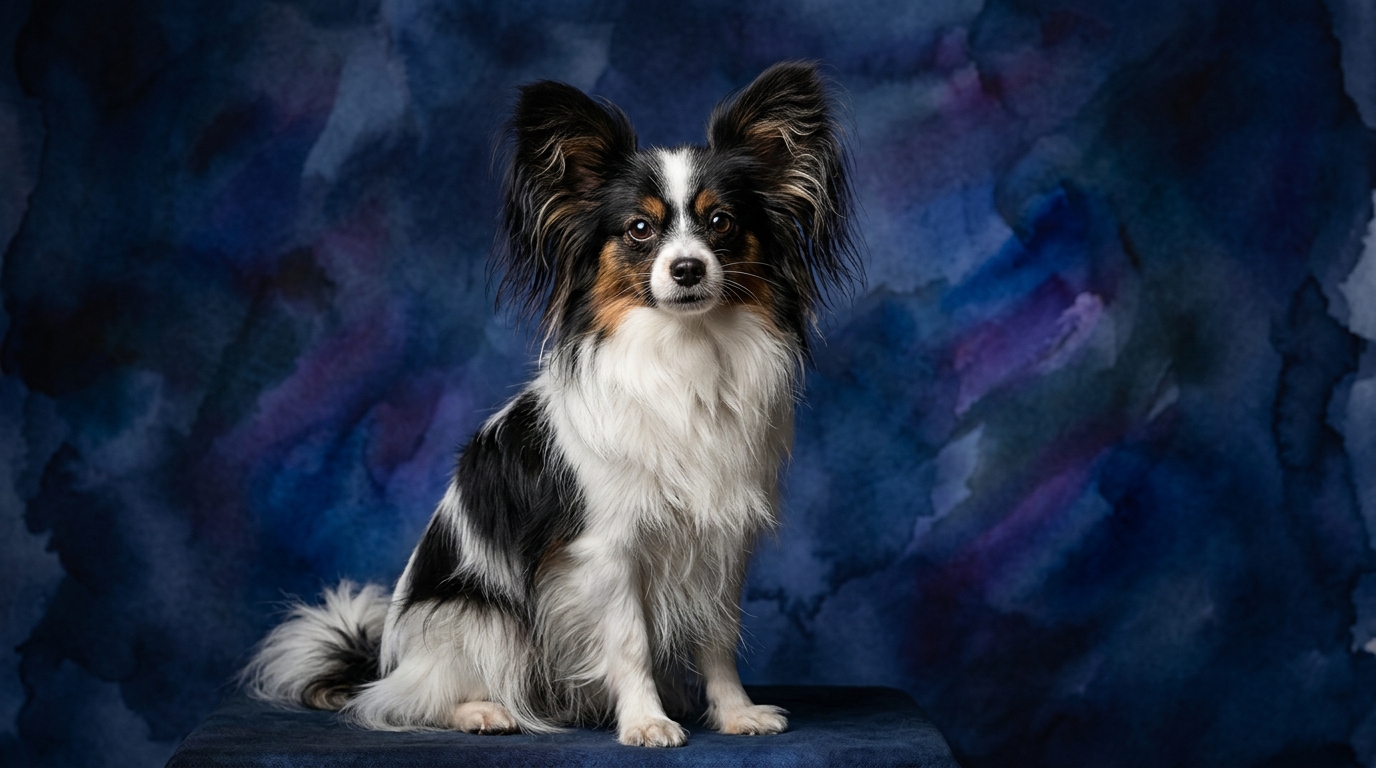
The Cosmic Pet Pet IQ Lab employs a five-dimensional framework to assess canine intelligence, offering a nuanced view beyond a simple ranking. For the Papillon, classified in the Toy group with a Coren rank of #8, their profile is marked by exceptional cognitive agility: Problem Solving 5/5, Training Speed 5/5, Social Intelligence 4/5, Instinctive Drive 3/5, and Memory 5/5. This suggests a breed that not only learns rapidly but also actively seeks solutions and retains information with remarkable tenacity.
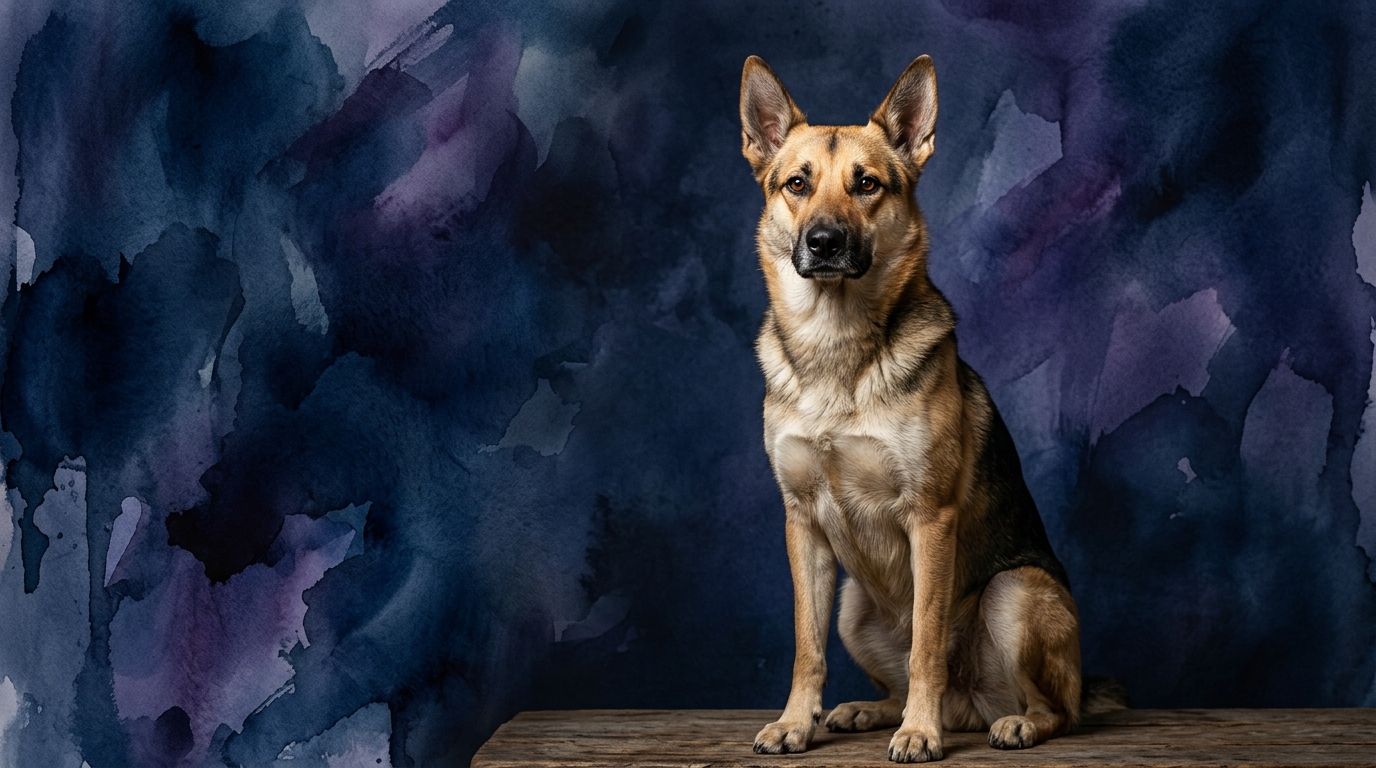
In contrast, the Canaan Dog, a Herding group member with a Coren rank of #43, presents a profile geared towards independence and environmental awareness: Problem Solving 3/5, Training Speed 3/5, Social Intelligence 3/5, Instinctive Drive 3/5, and Memory 4/5. Their scores reflect a more deliberate approach to learning and interaction, influenced by their historical role as a self-sufficient desert guardian. While not as overtly quick to grasp new commands as the Papillon, their cognitive strengths lie in different, equally valuable areas.
Where the Papillon's Mind Shines
The Papillon's cognitive architecture is built for speed and adaptability, making them incredibly versatile companions. Their 5/5 Problem Solving score means they excel at navigating novel situations and devising creative solutions, often through keen observation and manipulation. For instance, a Papillon will quickly figure out how to open a complex puzzle toy or understand the mechanics of a gate latch.
A Training Speed of 5/5 underscores their remarkable ability to grasp new commands and routines with astonishing swiftness, often requiring fewer repetitions than many other breeds. This makes them appear eager and responsive in training, thriving on the mental engagement. Bolstering these traits is their 5/5 Memory, which ensures that once a concept is learned, it is rarely forgotten, allowing them to build a vast repertoire of understood commands, tricks, and experiences. The Papillon's overall cognitive agility allows them to process information rapidly, adapt quickly to new rules, and retain extensive data, making them highly flexible in diverse environments and complex learning tasks.
Where the Canaan Dog's Intellect Excels
The Canaan Dog's cognitive strengths are rooted in self-sufficiency and an ancient heritage of survival and protection in harsh landscapes. While their Problem Solving score is 3/5, their intelligence is geared towards practical application and independent action rather than seeking human direction. They might take a more direct, instinct-driven approach to challenges, such as finding the most efficient path across varied terrain or identifying potential threats within their territory.
Their Instinctive Drive, also rated 3/5, is profoundly tied to their historical roles as guardians and herders. This translates into an innate ability to assess situations, make independent judgments, and act decisively, often without explicit instruction. They possess a strong sense of self-preservation and territoriality, which informs their decision-making. A Memory score of 4/5 further contributes to their independence, allowing them to recall past experiences, remember routes, safe spots, and potential dangers, and apply this knowledge to current situations with reliability. Their Social Intelligence, at 3/5, is about discerning trustworthy individuals from strangers and understanding pack dynamics from an observant, often reserved, perspective, rather than an eager-to-please one.
Trainability: A Tale of Two Temperaments
When it comes to trainability, the Papillon presents a comparatively straightforward experience. Their 5/5 Training Speed, combined with exceptional problem-solving and memory, means they actively seek mental engagement and respond enthusiastically to positive reinforcement. They grasp complex concepts quickly, making them superb candidates for advanced obedience, agility, and trick training. Their high social intelligence also makes them highly attuned to human feedback, fostering a responsive partnership where learning feels like a collaborative game. A Papillon often delights in showing off newly learned behaviors, reinforcing their desire to participate in training sessions.
The Canaan Dog, however, offers a different training journey, largely due to their 3/5 Training Speed, 3/5 Problem Solving, and 3/5 Social Intelligence. Their independence and ancient heritage mean they are more inclined to question commands rather than blindly obeying. Training requires immense patience, consistency, and a deep understanding of their self-sufficient nature. They respond best to fair, clear methods that respect their intelligence and don't rely on rote repetition without purpose; they need to understand the 'why' behind a command. Their strong instinctive drives also mean they might prioritize their own assessment of a situation over a human command if they perceive a threat or a more effective course of action, demanding an owner who can establish clear, consistent leadership.
Matching Canine Minds to Lifestyles
For owners seeking a companion that thrives on mental activity and enjoys a dynamic partnership, the Papillon is an exceptional choice. They suit individuals who enjoy daily training sessions, puzzle toys, and potentially dog sports like agility or obedience, where their quick minds and nimble bodies can shine. While they can adapt to more relaxed physical activity, consistent mental stimulation is crucial for their well-being. They need owners who appreciate a dog that is always thinking and eager to engage.
The Canaan Dog, on the other hand, suits owners who appreciate an independent, watchful companion and are prepared for consistent, patient training that respects their discerning nature. They need owners who can provide clear, fair leadership and understand their ancient heritage and strong, protective drives. While not necessarily requiring constant high-impact physical activity, they benefit from purposeful work or exploration that engages their instincts, such as hiking, scent work, or guarding a property, rather than just repetitive play. They are better suited for owners who value a dog that thinks for itself and isn't always eager to please, offering a bond built on mutual respect and understanding.
The Verdict
If you seek a highly responsive, quick-learning companion eager for mental challenges and complex training, the Papillon offers unparalleled cognitive agility and a joyful, interactive partnership.
If you appreciate an independent, observant, and self-sufficient companion with deep roots in ancient roles, and are prepared for patient, consistent training that respects their discerning nature, the Canaan Dog might be your match.
🧠 Find Your Pet's IQ Score
Our Pet IQ Lab assessment covers 25+ tests across 5 cognitive dimensions — personalized to your breed.
Take the Full IQ Test →Frequently Asked Questions
Are Papillons good for first-time dog owners?
With their high trainability and eagerness to please, Papillons can be excellent for first-time owners who are committed to providing consistent mental stimulation and socialization. Their quick learning curve makes the training process rewarding and less frustrating, fostering a positive initial experience.
Do Canaan Dogs bark a lot?
Canaan Dogs are naturally watchful and territorial, which means they can be prone to barking to alert their owners to perceived threats or strangers. Early socialization and consistent training can help manage their vocal tendencies, but their guardian instincts remain strong and will always influence their alerting behavior.
Can Papillons live in apartments?
Absolutely. Their small size makes them well-suited for apartment living, provided they receive ample mental exercise through training, puzzle toys, and regular walks to explore their environment. Their need for consistent mental engagement is often more critical than vast physical space.