Side-by-Side IQ Profile: Papillon vs. Chihuahua
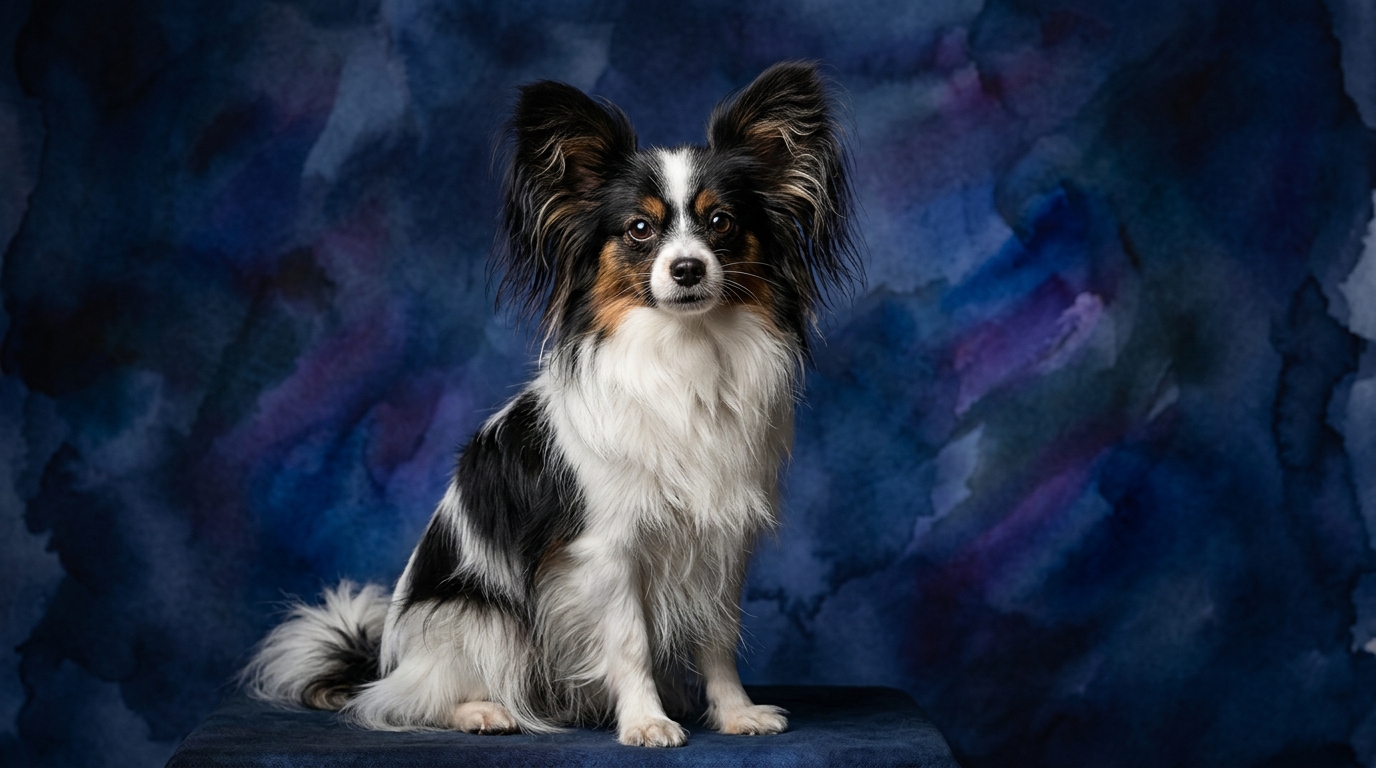
At The Cosmic Pet Pet IQ Lab, we evaluate canine cognition across five key dimensions. For the Papillon, ranked #8 by Coren, its profile shows remarkable aptitude.
Papillon — Problem Solving (5/5): This breed often demonstrates a remarkable capacity for independent thought, quickly figuring out how to open gates or retrieve hidden toys. They thrive on mental puzzles and challenges that require them to strategize. Papillon — Training Speed (5/5): Papillons grasp new commands and routines with exceptional swiftness, often requiring minimal repetitions. Their eagerness to learn and focus on their handler makes them highly responsive to training efforts. Papillon — Social Intelligence (4/5): They are adept at reading human emotions and intentions, often forming strong, reciprocal bonds with their family. Their social acumen helps them understand cues and adapt their behavior in various interactions. Papillon — Instinctive Drive (3/5): While not typically driven by strong predatory instincts, they retain a moderate level of natural curiosity, often showing interest in chasing small moving objects or investigating new smells. Papillon — Memory (5/5): Papillons exhibit excellent recall for learned commands, routines, and even specific people or places over long periods. This strong memory contributes significantly to their training retention and adaptability.
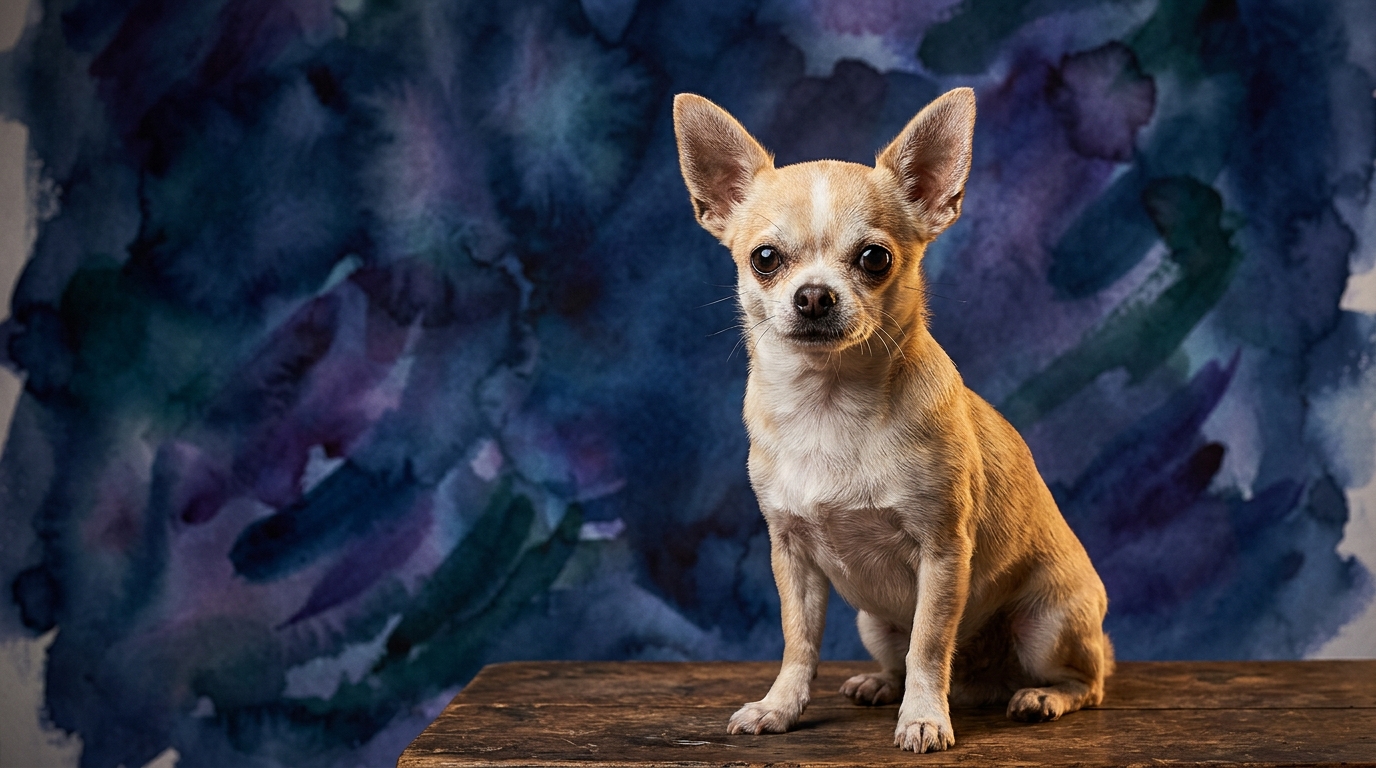
In contrast, the Chihuahua, ranked #67 by Coren, presents a different cognitive landscape.
Chihuahua — Problem Solving (3/5): Chihuahuas possess a functional level of problem-solving, capable of learning basic solutions to everyday challenges, such as navigating obstacles. However, they may not actively seek out complex mental puzzles with the same enthusiasm. Chihuahua — Training Speed (3/5): This breed learns at a steady pace, requiring consistent and patient repetition to master new commands or house-training protocols. While capable, their attention span might be shorter, necessitating engaging and rewarding training sessions. Chihuahua — Social Intelligence (4/5): Chihuahuas are highly attuned to their human companions, often developing intense bonds and displaying a keen awareness of their family's moods. They can be discerning in their social interactions, often preferring a select few. Chihuahua — Instinctive Drive (3/5): Similar to Papillons, Chihuahuas have a moderate instinctive drive, often manifesting as a desire to burrow, a watchful nature, or a tendency to alert to perceived threats. Chihuahua — Memory (4/5): Chihuahuas demonstrate good memory for learned behaviors, routines, and the people and places they encounter regularly. Once a behavior is established, they tend to retain it, contributing to their ability to adapt to a structured home environment.
Where the Papillon Wins Cognitively
The Papillon’s superior cognitive scores, particularly in Problem Solving (5/5), Training Speed (5/5), and Memory (5/5), present clear advantages. Their exceptional problem-solving means they eagerly engage with interactive toys and complex tricks, demonstrating a profound capacity for mental exertion. This cognitive strength allows them to quickly assess new situations and devise solutions, adapting smoothly to novel environments. Their rapid training speed facilitates swift learning of new cues, making them a delight for owners who enjoy teaching intricate behaviors or require quick integration into a complex household. Furthermore, their superior memory ensures deep retention of lessons, reducing the need for constant reinforcement. For owners seeking a small dog that actively thrives on mental engagement and complex learning, the Papillon's cognitive makeup provides a distinct edge.
Where the Chihuahua Wins Cognitively
While the Papillon excels in raw cognitive processing, the Chihuahua's cognitive profile offers distinct advantages for specific lifestyles. Their Problem Solving (3/5) and Training Speed (3/5) scores indicate they capably learn essentials without constantly demanding complex mental challenges. This can be a "win" for owners prioritizing companionship and routine over continuous intellectual stimulation. Their Social Intelligence (4/5), on par with the Papillon, highlights a profound connection to their human family, often manifesting as an intuitive understanding of emotional states. This deep social bond, combined with good memory (4/5), fosters lasting attachments and devotion. A moderate instinctive drive (3/5) means less intense urges requiring extensive redirection. The Chihuahua’s cognitive setup leans towards being a highly attuned, affectionate companion thriving on established relationships and predictability, ideal for owners valuing steadfast loyalty and emotional connection.
Training Ease: Which Breed Responds Faster?
According to The Cosmic Pet Pet IQ Lab's metrics, the Papillon is demonstrably easier to train. Its 5/5 Training Speed means commands are absorbed with remarkable efficiency, often needing minimal repetitions. This rapid acquisition, fueled by attentiveness and eagerness, allows for quick progression from basic obedience to complex tricks. Their 5/5 Problem Solving and Memory also enable them to generalize behaviors and retain information long-term, reducing refreshers. A Papillon taught "stay" will likely remember it reliably in various settings after few sessions. In contrast, the Chihuahua’s 3/5 Training Speed indicates a more deliberate learning pace, requiring consistent repetition and patience. Their 3/5 Problem Solving means longer times to connect cues with actions or apply behaviors in novel contexts. Chihuahuas often need shorter, structured sessions to maintain focus, and house-training demands more vigilance. The Papillon’s cognitive architecture simply makes training a more fluid and less time-intensive endeavor.
Matching Cognition to Lifestyles: Active vs. Relaxed Owners
The Papillon, with its high Problem Solving (5/5) and Training Speed (5/5), thrives with active owners who enjoy engaging their pet mentally and physically. These dogs relish learning, participating in agility, obedience, or trick training, and appreciate opportunities for exploration and puzzle-solving. An owner who enjoys hiking, regular walks, interactive play, and teaching advanced commands will find the Papillon an enthusiastic partner. Their cognitive needs align with a lifestyle providing consistent mental stimulation beyond basic exercise. Conversely, the Chihuahua's cognitive profile (3/5 Problem Solving, 3/5 Training Speed) suits more relaxed owners. While benefiting from walks and basic training, they don't demand intense intellectual engagement. Chihuahuas often find deep satisfaction in companionship, cuddling, and being a close shadow. An owner preferring a calmer home, leisurely strolls, and a devoted lap companion will find the Chihuahua's cognitive makeup perfectly suited, content with routine and affection.
The Verdict
Choose the Papillon if you are an active owner who cherishes a mentally agile companion, eager for training, complex games, and consistent intellectual engagement beyond basic obedience. Their exceptional capacity for learning and problem-solving makes them a rewarding partner for those who enjoy teaching and exploring canine activities.
Choose the Chihuahua if you seek a devoted, affectionate companion who thrives on routine and close human connection, and whose contentment is found more in companionship than in constant mental challenges. Their solid social intelligence and memory make them steadfast, loving pets for a relaxed household.
🧠 Find Your Pet's IQ Score
Our Pet IQ Lab assessment covers 25+ tests across 5 cognitive dimensions — personalized to your breed.
Take the Full IQ Test →Frequently Asked Questions
Do Papillons shed a lot?
Papillons have a single coat and shed moderately, typically less than many double-coated breeds. Regular brushing helps manage loose hair and maintain their elegant appearance, making them relatively easy to groom.
Are Chihuahuas good with children?
Chihuahuas can be good with older, respectful children who understand how to interact gently with a small dog. Due to their delicate size and sometimes sensitive nature, they are generally not recommended for homes with very young or boisterous children.
What kind of exercise do these breeds need?
Papillons require moderate daily exercise, enjoying brisk walks, playtime, and mental stimulation through training or puzzle toys. Chihuahuas have lower exercise needs, content with short daily walks and indoor play, though they still appreciate opportunities to explore.