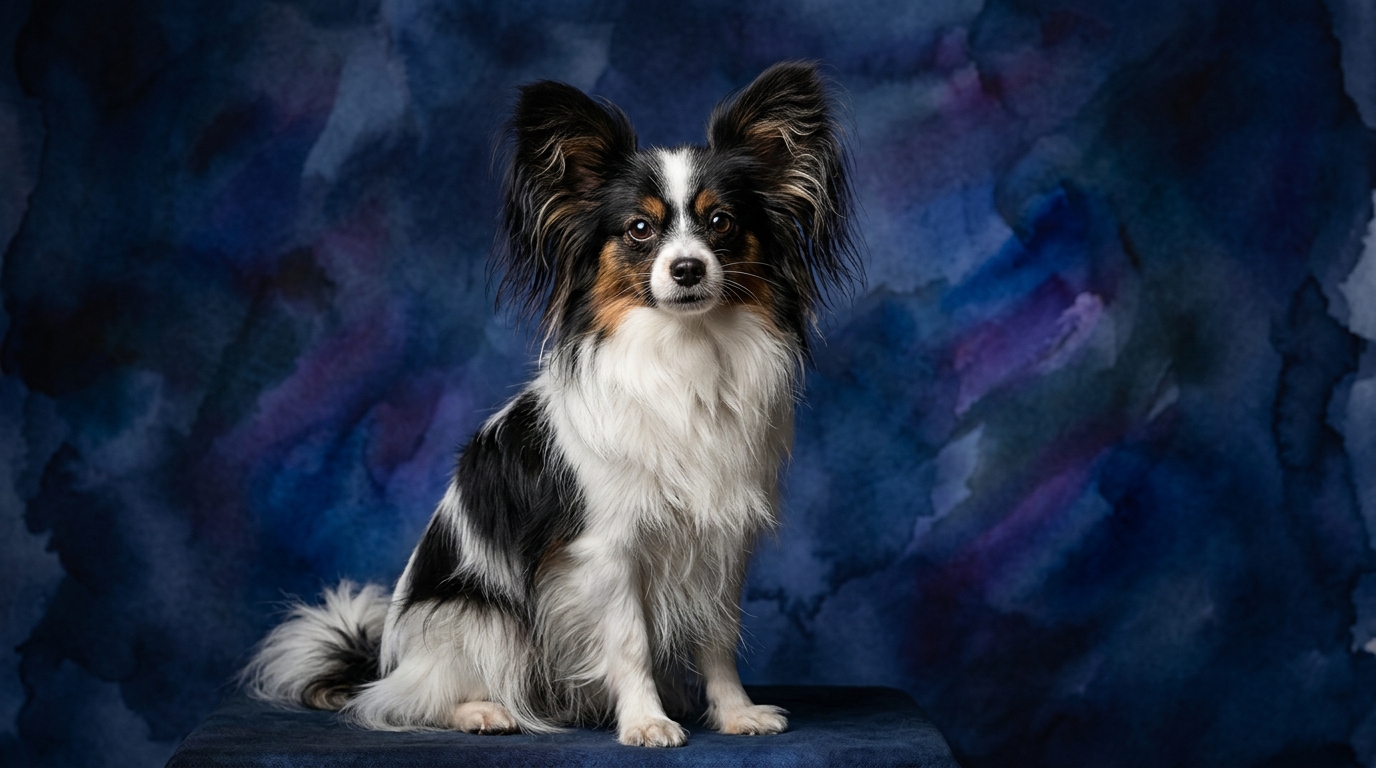
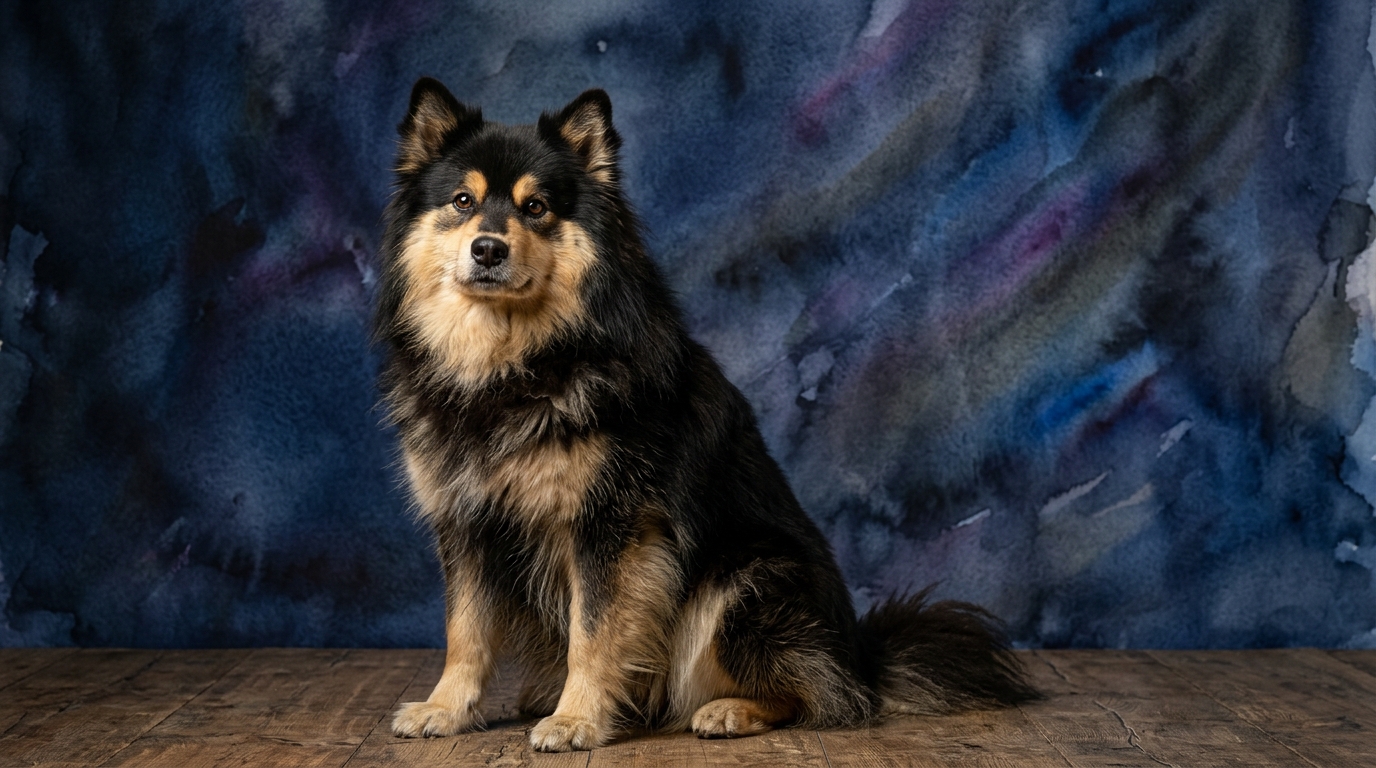
Side-by-Side IQ Profile: Papillon vs. Finnish Lapphund
The Cosmic Pet Pet IQ Lab employs a five-dimensional framework to assess canine intelligence, offering a detailed look beyond general perceptions. These dimensions—Problem Solving, Training Speed, Social Intelligence, Instinctive Drive, and Memory—provide a comprehensive cognitive fingerprint for each breed, guiding prospective owners to a better match.
The Papillon, a sprightly Toy breed, consistently scores high across most cognitive dimensions. It earns a perfect 5/5 in Problem Solving, indicating a strong capacity for independent thought and navigating novel situations. Its Training Speed also stands at an impressive 5/5, suggesting a rapid grasp of new commands and routines. Social Intelligence is rated 4/5, pointing to a good understanding of human cues and intricate social dynamics. Instinctive Drive, while present, is moderate at 3/5, reflecting its companion origins rather than a specific working role. Finally, its Memory is exceptional, scoring 5/5, which means it retains learned behaviors and experiences with remarkable tenacity.
In contrast, the Finnish Lapphund, a hardy Herding breed, presents a balanced yet moderate cognitive profile. Its Problem Solving ability is rated 3/5, indicating a practical, task-oriented approach to challenges rather than complex, abstract reasoning. Training Speed also sits at 3/5, implying a steady, consistent learning pace that requires patience and clear methods. Social Intelligence is likewise 3/5, meaning it understands basic social cues but might not interpret subtle human emotions with the same depth as some other breeds. Instinctive Drive is 3/5, reflecting its ancestral herding purpose, which manifests as a moderate but focused drive. Its Memory, at 3/5, suggests it remembers commands and routines reliably, but perhaps not with the same immediate recall or long-term detail as a breed scoring higher.
Where the Papillon Excels Cognitively
The Papillon's cognitive strengths are evident in its outstanding scores in Problem Solving, Training Speed, and Memory. Its 5/5 in Problem Solving means this small dog isn't just following commands; it's actively assessing its environment and devising solutions, whether that's figuring out how to open a clever treat puzzle or navigating a complex agility course. This capacity for independent thought makes them adept at learning intricate tricks and excelling in canine sports that demand mental agility, such as obedience, rally, and flyball.
With a 5/5 Training Speed, Papillons absorb new information and commands with remarkable swiftness. They often require fewer repetitions to master a skill, making training sessions efficient and engaging. This rapid learning curve, coupled with their 5/5 Memory, ensures that once a behavior is learned, it is retained for the long term. Their 4/5 Social Intelligence further enhances their trainability, as they are generally attuned to their handler's moods and intentions, often eager to please and quick to pick up on verbal and non-verbal cues. This combination of traits makes the Papillon a highly responsive and adaptable companion, thriving on mental stimulation and consistent engagement.
Where the Finnish Lapphund Excels Cognitively
While the Finnish Lapphund's individual cognitive scores are generally moderate at 3/5, its strength lies in the cohesive and practical application of these traits, particularly in contexts aligned with its herding heritage. Its 3/5 Problem Solving isn't about complex abstract puzzles but rather a grounded, persistent approach to practical tasks. This breed excels at understanding and executing routines, especially when a clear purpose is involved, such as managing livestock or navigating familiar trails. Their problem-solving is often rooted in observation and learned patterns, making them reliable in predictable environments.
The Lapphund's consistent 3/5 across all dimensions can also be seen as a cognitive advantage for owners seeking a dog with a steady, predictable temperament. Their 3/5 Instinctive Drive, while not as intense as some other herding breeds, is sufficiently robust to motivate them for outdoor activities and tasks that tap into their natural inclination to observe and manage. This drive is often expressed through watchful attentiveness and a desire to keep their 'flock' (their human family) together. Their 3/5 Social Intelligence means they are generally straightforward in their interactions, offering clear communication and a loyal, albeit sometimes reserved, companionship without the potential for over-sensitivity that can accompany higher social intelligence scores.
Which is Easier to Train and Why?
Based on their cognitive profiles, the Papillon is generally easier to train than the Finnish Lapphund. The Papillon's 5/5 Training Speed means it grasps new commands and concepts quickly, often requiring only a few repetitions before demonstrating proficiency. This rapid acquisition is supported by its 5/5 Problem Solving ability, allowing it to understand the 'how' and 'why' of a task, and its 5/5 Memory ensures that once learned, behaviors are retained with minimal refresher training. These traits contribute to a dog that is eager to learn and responds well to positive reinforcement, making training a highly rewarding experience for both dog and owner. They are often keen to participate in various dog sports and activities that challenge their quick minds.
The Finnish Lapphund, with a 3/5 Training Speed, learns at a more measured pace. While perfectly capable of learning a wide array of commands, they typically require more consistent repetition and patience. Their 3/5 Memory means they retain information, but perhaps not with the same immediate recall or long-term certainty as a Papillon, necessitating regular practice to keep skills sharp. Lapphunds thrive on clear, consistent training methods and benefit from understanding the purpose behind a command. Their herding background means they can be independent thinkers, sometimes requiring more motivation to engage in tasks that don't immediately appeal to their instinctive drives. Owners must be prepared for a training journey that emphasizes consistency and positive reinforcement over speed.
Which Suits Active Owners vs. Relaxed Owners?
The Papillon, despite its small stature, is a surprisingly good fit for active owners, particularly those who seek mental engagement as much as physical activity. While they enjoy walks and playtime, their sharp 5/5 Problem Solving and 5/5 Training Speed mean they thrive on mental challenges like puzzle toys, trick training, and dog sports such as agility or obedience. An active owner for a Papillon is someone who can provide consistent mental stimulation, engage in regular training sessions, and potentially participate in competitive dog activities. Their 4/5 Social Intelligence also makes them adaptable to various social settings and travel, enjoying new experiences with their human companions.
The Finnish Lapphund suits an active owner who appreciates a steady, reliable companion for outdoor adventures rather than intense, rapid-fire mental games. Their 3/5 Instinctive Drive and 3/5 Problem Solving make them excellent companions for long hikes, walks in varied terrain, or even activities like cani-cross, where their endurance and moderate drive are assets. They enjoy having a job to do, even if that 'job' is simply accompanying their owner on daily routines. While they are not high-strung, their herding background means they benefit from consistent exercise and mental engagement that taps into their natural tendencies, making them less suitable for purely relaxed, sedentary lifestyles. A relaxed owner might find the Lapphund's need for consistent, purposeful activity a bit demanding, whereas an active owner who enjoys a calmer, more deliberate pace will find a loyal and enduring partner.
The Verdict
Choose the Papillon if you desire a highly responsive, quick-witted companion eager to master complex skills and participate in demanding mental activities.
Opt for the Finnish Lapphund if you seek a steady, reliable partner for outdoor adventures and appreciate a dog with a practical, consistent cognitive approach to life.
🧠 Find Your Pet's IQ Score
Our Pet IQ Lab assessment covers 25+ tests across 5 cognitive dimensions — personalized to your breed.
Take the Full IQ Test →Frequently Asked Questions
Are Papillons good at learning tricks?
Yes, Papillons excel at learning tricks due to their 5/5 Problem Solving and 5/5 Training Speed. They often pick up new behaviors quickly and enjoy the mental challenge of mastering intricate commands and sequences.
Do Finnish Lapphunds require a lot of mental stimulation?
Finnish Lapphunds benefit from consistent mental engagement, though not necessarily the same intensity as a Papillon. Their 3/5 Problem Solving and Instinctive Drive mean they thrive on purposeful activities, routines, and outdoor exploration that tap into their herding heritage, rather than constant complex puzzles.
Which breed is better for a first-time dog owner?
The Papillon's higher Training Speed and Social Intelligence can make it a more forgiving choice for a first-time owner willing to provide consistent mental stimulation. The Finnish Lapphund's more moderate scores and herding instincts might require an owner with a bit more experience in consistent training and managing a dog with an independent streak, though both can be excellent companions with the right dedication.