Side-by-Side IQ Profile: Papillon vs. Miniature American Shepherd
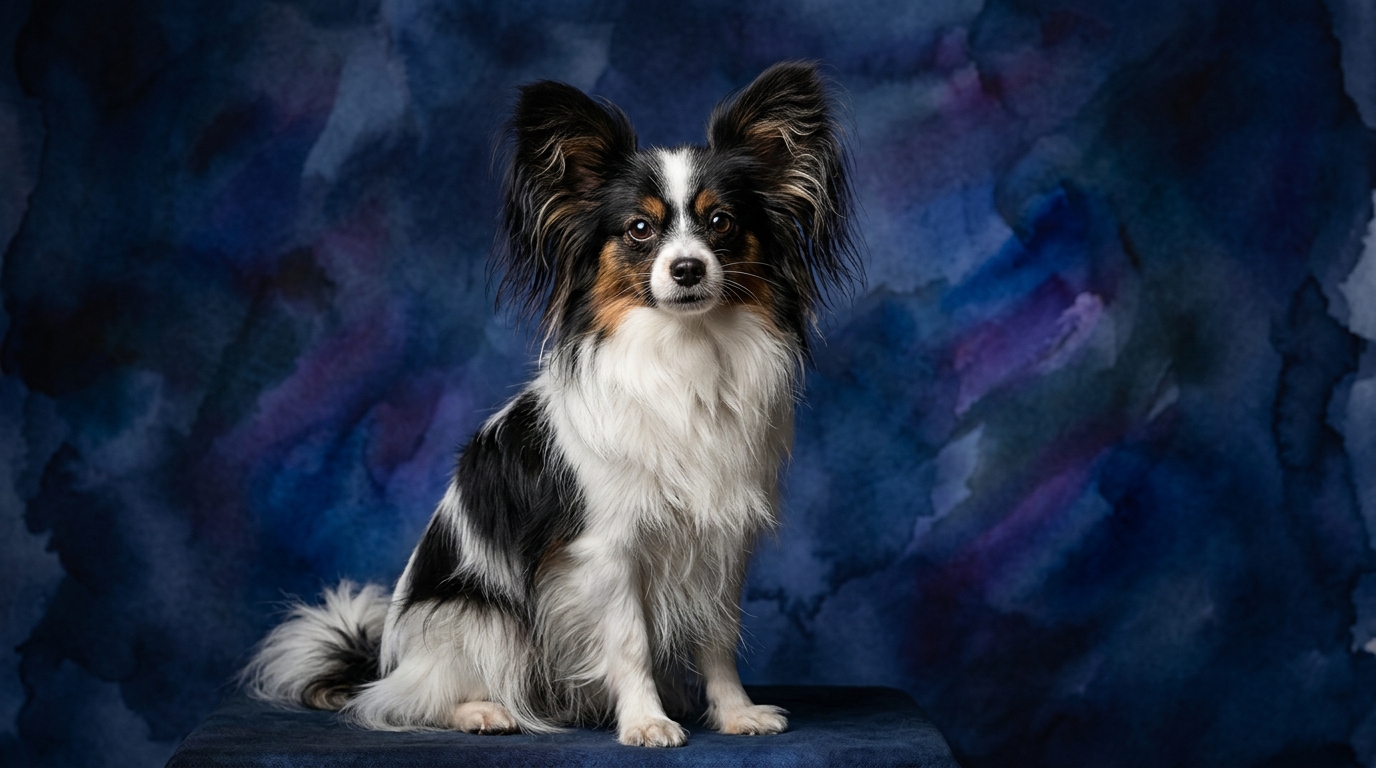
The Papillon's intellectual prowess is striking, particularly its Problem Solving at a perfect 5/5. These small dogs exhibit an exceptional capacity for navigating complex situations, often devising novel solutions to retrieve desired items or bypass perceived obstacles. Their mental agility allows them to quickly understand cause-and-effect, leading to clever strategies in their daily interactions.
Complementing this is an unparalleled Training Speed, also rated 5/5. Papillons absorb new commands and routines with remarkable swiftness, frequently requiring fewer repetitions than many other breeds to achieve mastery. Their Social Intelligence, rated 4/5, indicates a strong ability to read human cues and adapt behavior, though their focus might be more intensely directed towards their primary caregiver. Their Instinctive Drive, at 3/5, primarily manifests as a desire for companionship and playful interaction, rather than strong hunting or herding tendencies. Finally, their Memory, a standout 5/5, ensures a superior ability to recall learned behaviors, routines, and even specific locations of hidden items over extended periods.
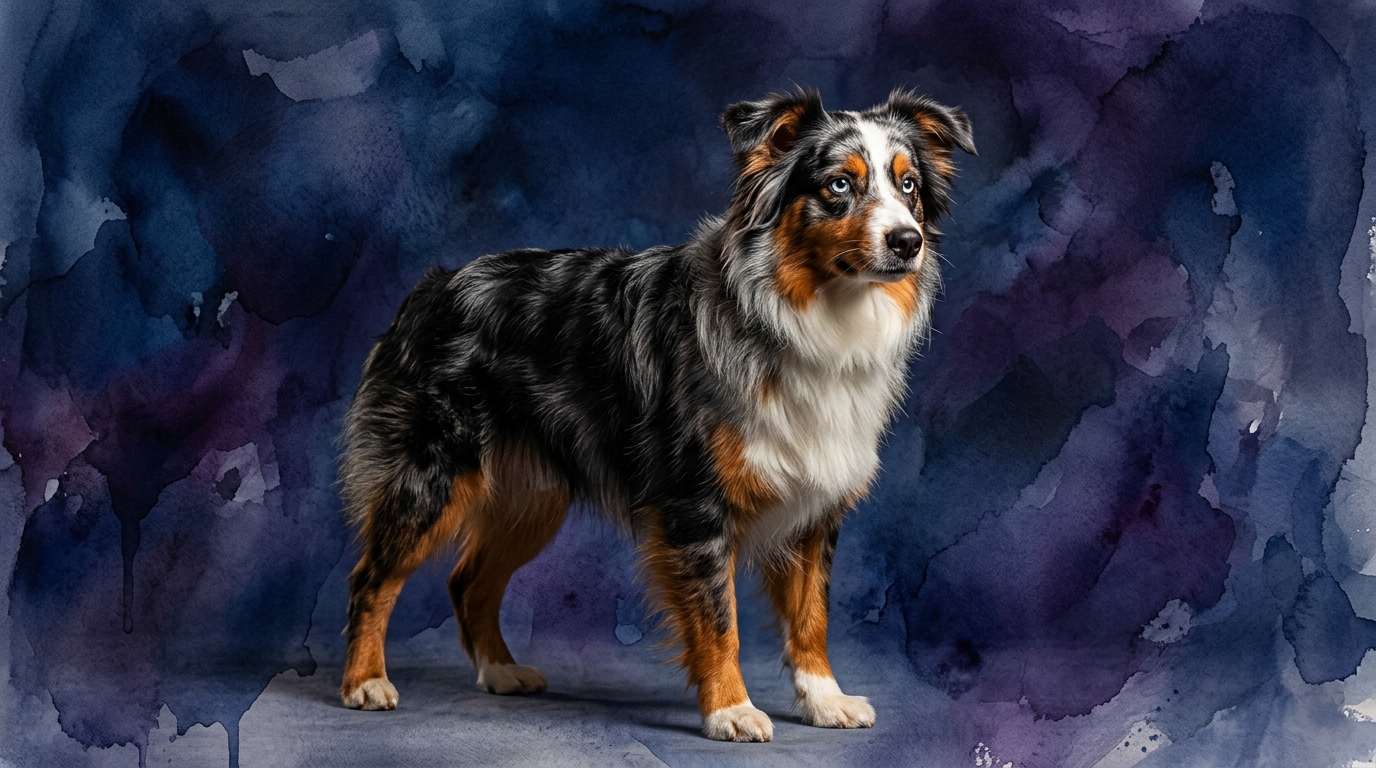
The Miniature American Shepherd, while not Coren-ranked, possesses a distinct set of cognitive strengths rooted in its herding heritage. Its Problem Solving ability is rated 3/5, indicating a practical capacity for navigating environmental challenges and task-oriented situations, though perhaps without the abstract creativity seen in the Papillon. They excel at understanding spatial relationships and executing multi-step sequences relevant to their work.
Their Training Speed, also 3/5, means they learn at a steady, deliberate pace, requiring consistent and clear instruction to master new skills. This is typical of many working breeds that value precision and reliability. Social Intelligence, rated 3/5, reflects a general responsiveness to human interaction and the capacity for strong bonds, though they might be more reserved with strangers and less overtly expressive of their social awareness compared to some companion breeds. A moderate Instinctive Drive (3/5) is a key feature, often expressed through a desire for purposeful activity and a natural inclination to 'gather' or 'herd' family members or other pets. Their Memory, at 3/5, provides reliable recall for training and routines, retaining information adequately for their roles but perhaps not with the exceptional, detailed recall of a Papillon.
Where the Papillon Wins Cognitively
The Papillon's cognitive profile highlights a clear advantage in abstract problem-solving and the rapid acquisition of new information. Their perfect 5/5 rating in Problem Solving means they don't just follow instructions; they actively strategize, figuring out how to open childproof latches, manipulate objects to get what they want, or solve complex puzzle toys with an almost scientific curiosity. This innate mental agility is coupled with an unparalleled 5/5 Training Speed, allowing them to pick up intricate tricks, multi-step commands, and even advanced obedience sequences with astonishing efficiency. They often anticipate handler cues and connect actions to consequences with remarkable speed, making them natural stars in dog sports like agility and freestyle.
Furthermore, the Papillon's 5/5 Memory solidifies its cognitive dominance in learning and retention. Once a lesson is learned, it is rarely forgotten, providing a consistent and reliable companion that can recall commands or routines even after long breaks. This exceptional memory extends to remembering specific locations of hidden treats or favorite toys, showcasing a detailed spatial awareness. Their 4/5 Social Intelligence, while not perfect, makes them highly attuned to their human companions' moods and intentions, allowing for nuanced communication and a deep bond. They can adjust their behavior based on subtle shifts in tone or body language, demonstrating a sophisticated understanding of their social environment. This combination of quick learning, strong recall, and perceptive social awareness makes the Papillon a truly formidable intellectual force in the canine world.
Where the Miniature American Shepherd Wins Cognitively
While the Miniature American Shepherd may not boast the same Coren ranking or rapid learning speed as the Papillon, its cognitive strengths are rooted in practical application, environmental awareness, and a profound work ethic. Their 3/5 in Problem Solving is less about abstract puzzles and more about navigating their physical world effectively and efficiently. This manifests in their ability to understand and manage complex environments, such as finding the optimal path through a challenging trail, skillfully maneuvering around obstacles during a dog sport, or strategically moving livestock. They excel at practical, real-world problem-solving that requires observation and logical action.
The Miniature American Shepherd's Instinctive Drive, rated 3/5, is a significant cognitive asset, channeling their herding heritage into focused attention on tasks and a persistent desire for purposeful engagement. This drive is not merely physical; it's a mental inclination to organize, control, and work collaboratively. It means they are often highly motivated by a "job" and can maintain concentration over extended periods, a trait invaluable in activities requiring sustained effort and precision, like herding trials, advanced obedience, or search and rescue. Their steady 3/5 Training Speed, while not lightning-fast, ensures that once a concept is understood through consistent instruction, it is deeply ingrained and reliably executed. This breed thrives on clear expectations and a sense of purpose, using their cognitive abilities to fulfill their role with dedication. Their 3/5 Memory, though not as exceptional as the Papillon's, is entirely sufficient for retaining complex routines and commands essential for their working roles, making them dependable partners in structured activities.
Which is Easier to Train and Why
The Papillon is generally considered easier to train due to its exceptional 5/5 Training Speed and 5/5 Memory. They process new information with remarkable quickness and retain it reliably, often requiring only a handful of repetitions to grasp a command, even complex ones. Their high Social Intelligence (4/5) further enhances their trainability, as they are highly attuned to human cues and possess an eagerness to please their primary caregiver, making them incredibly responsive to positive reinforcement. For instance, teaching a Papillon a complex sequence of agility obstacles or a multi-step trick routine might take a fraction of the time it would take for many other breeds. They rapidly connect actions to rewards and handler signals, often anticipating the next step. This innate desire to learn and their quick mental uptake translates into a smoother, often more gratifying and less frustrating training experience for the owner, allowing for rapid progression through various levels of obedience and trick training.
The Miniature American Shepherd, with its 3/5 Training Speed and 3/5 Memory, requires a more consistent, patient, and purpose-driven approach to training. While certainly capable learners, they don't absorb information with the same lightning speed or abstract understanding as a Papillon. Their Instinctive Drive (3/5) means they thrive on activities that feel purposeful or like a "job," so training sessions are most effective when framed as engaging tasks or problems to be solved, rather than just rote memorization. For example, teaching a Mini American Shepherd a new agility course might involve more repetitions and breaking down the sequence into smaller, manageable steps, focusing on precision and consistency. However, their inherent desire to work, coupled with their dedication to their handler once engaged, leads to incredibly reliable and focused performance. They might take longer to master a skill, but once it's learned, it's often deeply ingrained through their practical, task-oriented cognition, leading to enduring reliability in their learned behaviors.
Which Suits Active Owners vs. Relaxed Owners
The Miniature American Shepherd is an ideal fit for active owners who seek a dedicated and energetic partner for a dynamic lifestyle. Their moderate Instinctive Drive (3/5) and practical Problem Solving (3/5) mean they thrive on regular, structured activities that provide both physical exertion and mental engagement. These dogs are happiest when they have a "job" to do, which can involve long hikes, challenging agility courses, participation in herding games, or even competitive obedience. They possess the stamina and mental fortitude to keep pace with owners who enjoy an outdoor, adventurous lifestyle, demanding consistent and purposeful engagement. Owners who can provide ample opportunities for exercise, mental stimulation through training, and a sense of purpose will find the Mini American Shepherd to be an incredibly devoted and enthusiastic companion, eager to participate in every adventure. Their cognitive makeup is geared towards sustained effort and practical application in dynamic environments.
Conversely, the Papillon, while surprisingly athletic and capable in dog sports for its size, can adapt exceptionally well to more relaxed owners who prioritize intellectual stimulation over intense physical demands. Their high Problem Solving (5/5) and Memory (5/5) mean they require significant mental engagement, which can be amply provided through indoor puzzle toys, learning new and complex tricks, or engaging in short, frequent training sessions throughout the day. While they thoroughly enjoy daily walks and playtime, they don't typically demand the same intensity or duration of strenuous physical exercise as a herding breed. Owners who prefer indoor games, quiet companionship, and derive pleasure from the process of teaching intricate behaviors will find the Papillon's eager mind and affectionate nature to be a perfect match. They offer plenty of engagement without necessitating extensive outdoor excursions, making them superb companions for those with a less physically demanding lifestyle but a strong desire for a mentally active dog.
The Verdict
Choose a Papillon if you seek a highly trainable, mentally agile companion eager to learn complex tricks and thrive on intellectual engagement within a close family setting.
Choose a Miniature American Shepherd if you desire a dedicated, task-oriented partner for an active lifestyle, excelling in dog sports and outdoor adventures with consistent, purposeful training.
🧠 Find Your Pet's IQ Score
Our Pet IQ Lab assessment covers 25+ tests across 5 cognitive dimensions — personalized to your breed.
Take the Full IQ Test →Frequently Asked Questions
Do Papillons bark a lot due to their alertness?
Papillons can be quite vocal, often using barks to alert their owners to new sounds or visitors at the door. This stems from their keen awareness of their surroundings and a desire to communicate, rather than excessive nervousness, making early training important to manage their alerts effectively.
Are Miniature American Shepherds good with children and other pets?
Miniature American Shepherds generally get along well with children and other pets, especially when properly socialized from a young age. Their natural herding instincts might lead them to gently 'herd' family members, which is typically good-natured but warrants supervision with very young children to ensure appropriate interactions.
How much exercise does a Papillon truly need?
Despite their small size, Papillons are quite energetic and benefit from daily walks and engaging play sessions. Their exercise needs are generally met with moderate activity, such as two 20-30 minute walks and indoor games, rather than demanding extensive outdoor endurance activities.