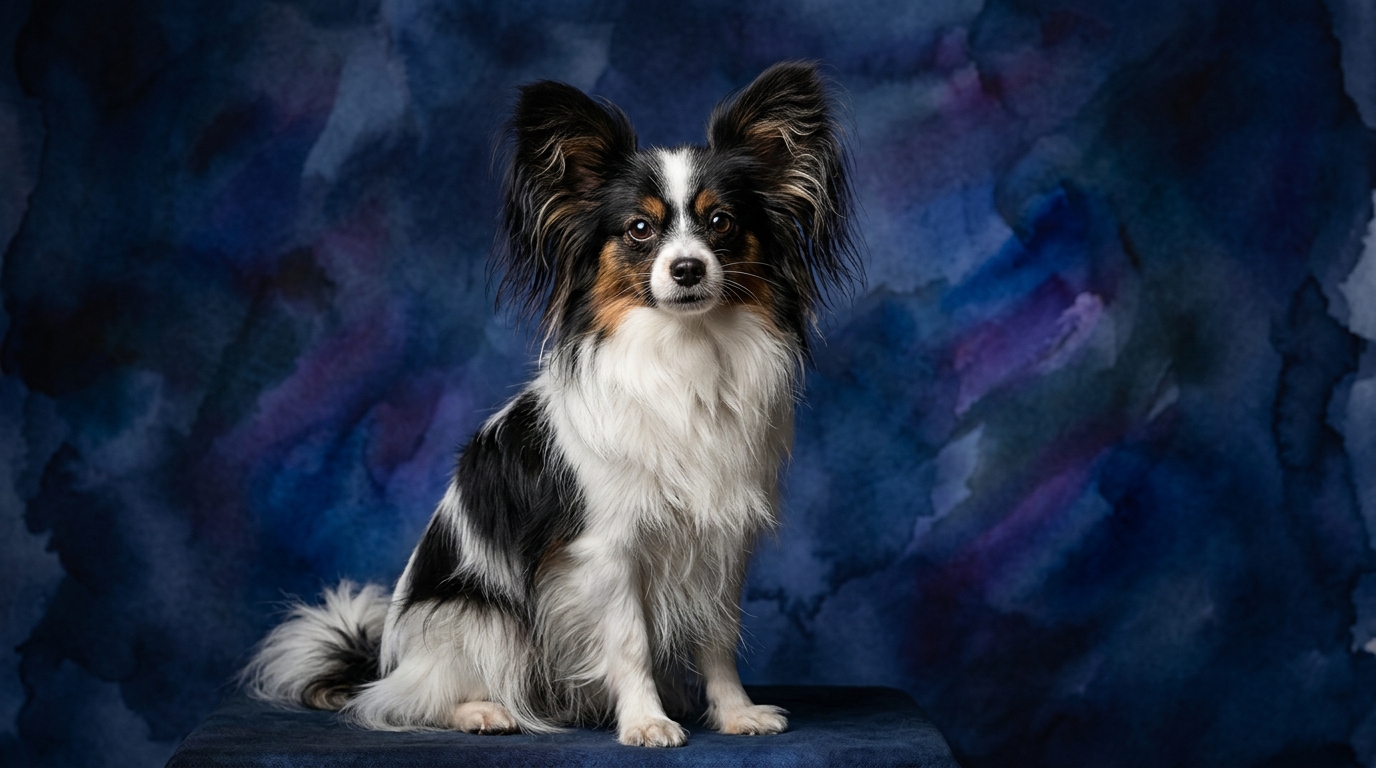
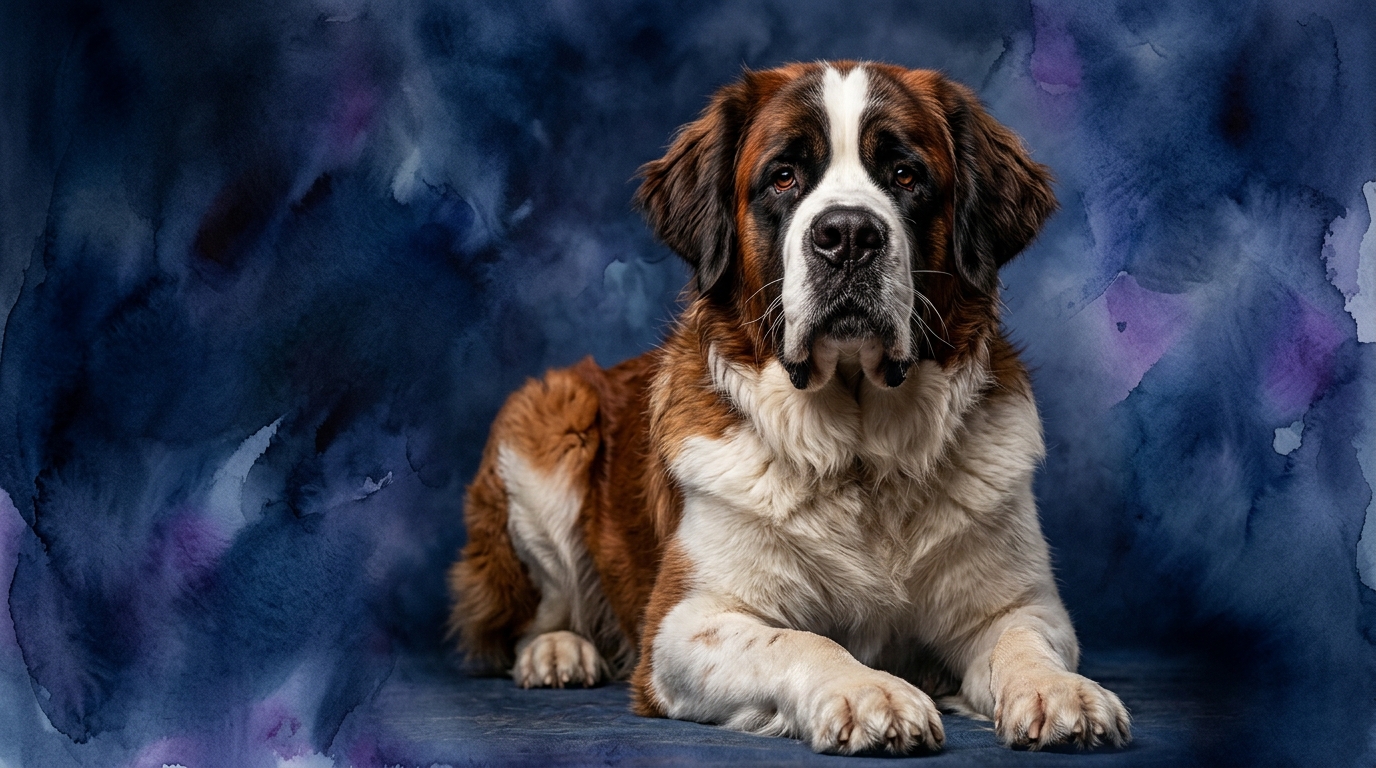
Side-by-Side IQ Profile: Papillon vs. Saint Bernard
The Papillon, a spirited Toy breed ranking #8 on Coren's list, exhibits a remarkable cognitive agility. Their Problem Solving (5/5) means they exhibit remarkable ingenuity, quickly assessing new situations and formulating effective solutions, whether it's navigating an unfamiliar room or figuring out how to retrieve a dropped toy from under furniture. Their Training Speed (5/5) is exceptional, allowing them to grasp new commands and complex sequences with minimal repetition, often appearing to anticipate instructions. Social Intelligence (4/5) enables them to keenly observe human body language and vocal tones, fostering deep, responsive bonds and adapting their behavior to family dynamics. With an Instinctive Drive (3/5) geared more towards companionship and alert observation rather than herding or guarding, they excel in roles requiring mental agility over brute force. Their Memory (5/5) is a standout trait, allowing them to recall learned behaviors and specific events with impressive accuracy, even after significant time lapses.
In contrast, the Saint Bernard, a majestic Working breed ranking #65 by Coren, presents a different but equally valuable cognitive makeup. Their Problem Solving (3/5) indicates a capacity for practical solutions, especially within familiar contexts, though they may approach novel or abstract challenges with less immediate flair than some breeds, often preferring a steady, methodical approach. Their Training Speed (2/5) suggests that while capable of learning, they require consistent, patient instruction and more repetitions to solidify new commands and routines, thriving on positive reinforcement over quick-fire lessons. Social Intelligence (4/5) manifests as profound empathy and loyalty, allowing them to sense and respond to human emotions, making them sensitive and protective family members. With an Instinctive Drive (5/5) profoundly rooted in their historical roles of mountain rescue and guardianship, they possess an inherent drive to protect and assist, making them natural, vigilant companions. Their Memory (3/5) is solid for established routines and core commands, yet they might not retain intricate sequences or minor details with the same precision as breeds built for rapid, varied learning.
Where the Papillon Wins Cognitively
The Papillon’s cognitive strengths shine particularly bright in areas demanding rapid mental processing and adaptable learning. Their Problem Solving at a perfect 5/5, contrasted with the Saint Bernard’s 3/5, means they approach novel situations with an innate curiosity and a quick analytical mind. This isn't just about figuring out puzzle toys; it extends to understanding complex multi-step commands or adapting to new environments without hesitation. For instance, a Papillon might quickly deduce how to manipulate a latch to access a desired area, or rapidly learn a new agility course layout after just a few walkthroughs, demonstrating superior spatial reasoning and strategic thinking.
This rapid processing is further supported by their exceptional Training Speed (5/5 vs. 2/5). Papillons absorb information at an astonishing pace, making them highly receptive to advanced obedience, trick training, or even competitive dog sports. They often require far fewer repetitions to master a command, allowing for a broader and more diverse repertoire of learned behaviors. Their Memory (5/5 vs. 3/5) underpins this, ensuring that once a concept is learned, it is deeply ingrained and readily recalled, even years later. This cognitive package allows the Papillon to excel in dynamic, mentally stimulating roles where quick thinking and retention are paramount.
Where the Saint Bernard Wins Cognitively
While the Papillon excels in rapid cognitive processing, the Saint Bernard’s cognitive triumphs lie in a different, equally vital domain: their profound Instinctive Drive and the specific application of their Social Intelligence. Rated at a robust 5/5 for Instinctive Drive, significantly higher than the Papillon’s 3/5, Saint Bernards possess an inherent, unwavering drive for protection and companionship, a legacy of their mountain rescue heritage. This isn't just a physical trait; it's a deep-seated cognitive program that enables them to sense distress, guard their family with steadfast loyalty, and exhibit profound empathy. Their problem-solving, though rated 3/5 for abstract tasks, becomes highly effective when aligned with these instincts, allowing them to navigate challenging situations to offer aid or comfort.
Their Social Intelligence, while rated 4/5 like the Papillon, manifests distinctly. For a Saint Bernard, this means an extraordinary capacity for emotional attunement and a gentle, protective nature. They may not learn a complex dance routine in minutes, but they possess an intuitive understanding of human moods and needs, often responding with a calming presence or a watchful eye. This cognitive strength allows them to form incredibly strong, empathetic bonds, making them exceptional therapy animals or devoted family guardians who operate on a deep, instinctual understanding of their human companions. Their cognitive profile is geared towards steadfast presence and profound loyalty, rather than quick, varied learning.
Which is Easier to Train and Why
When considering ease of training, the Papillon holds a clear advantage due to its exceptional Training Speed (5/5) and Problem Solving (5/5). These traits combine to create a dog that is not only eager to learn but also processes new information with remarkable efficiency. A Papillon can pick up a new command or a complex trick, such as weaving through poles or performing a multi-step routine, in just a few sessions, often requiring only a handful of repetitions for mastery. Their keen memory ensures these lessons stick, making advanced training a joyful and relatively swift process for both dog and owner. They thrive on mental challenges and will actively try to figure out what is expected of them, often anticipating cues.
The Saint Bernard, with a Training Speed of 2/5 and Problem Solving at 3/5, presents a different training journey. While they are certainly trainable and possess a strong desire to please their family, their learning process is more deliberate and requires significant patience and consistency. They may need many more repetitions to solidify a command, and abstract concepts can take longer to grasp. For example, teaching a Saint Bernard a new, intricate trick might be a prolonged endeavor compared to a Papillon. However, their strong Social Intelligence and Instinctive Drive mean they respond well to positive reinforcement and bond-based training, especially for tasks that align with their protective or companion instincts. Training a Saint Bernard is less about speed and more about building trust and establishing clear, consistent expectations over time.
Which Suits Active Owners vs. Relaxed Owners
The choice between a Papillon and a Saint Bernard often aligns with an owner’s lifestyle and their preferred level of interactive engagement. Papillons are an excellent fit for owners who are 'active' in a cognitive sense – those who relish engaging their dog in mental gymnastics. Their high Problem Solving and Training Speed mean they thrive on activities like competitive obedience, agility, rally, or learning numerous tricks. They require owners who are prepared to consistently provide novel mental stimulation and varied learning opportunities, even if their physical exercise needs are moderate. These dogs are partners in intellectual pursuits, making them ideal for individuals who enjoy a dynamic, mentally stimulating relationship with their pet.
Conversely, Saint Bernards often suit 'relaxed' owners, not in terms of being sedentary, but in their appreciation for a calm, steadfast companion whose cognitive demands are centered more on companionship and fulfilling their inherent protective drive. While they need regular walks for physical health, their mental stimulation needs lean towards consistent routine, clear communication, and opportunities to be a present, loyal family member. Owners who value an empathetic, watchful presence and are prepared for patient, steady training will find a Saint Bernard deeply rewarding. They are less about performing intricate sequences and more about providing a comforting, unwavering presence, making them perfect for homes that seek a gentle giant with a deep, quiet loyalty.
The Verdict
If you seek a canine partner for dynamic mental challenges, dog sports, or a quick-witted companion who rapidly learns and retains a wide array of behaviors, the Papillon's exceptional Problem Solving, Training Speed, and Memory make it an ideal choice.
For those who prioritize unwavering loyalty, a profound empathetic connection, and a steadfast, protective presence, and are prepared for patient, consistent training that leverages their strong instinctive drives, the Saint Bernard offers unparalleled companionship.
🧠 Find Your Pet's IQ Score
Our Pet IQ Lab assessment covers 25+ tests across 5 cognitive dimensions — personalized to your breed.
Take the Full IQ Test →Frequently Asked Questions
Are Papillons good family dogs?
Yes, their high social intelligence and adaptability make them excellent family companions, though their delicate size means interactions with very young children should always be supervised to prevent accidental injury.
Do Saint Bernards need a lot of exercise?
Despite their large size, Saint Bernards have moderate exercise needs; daily walks and opportunities for outdoor exploration are sufficient to keep them healthy, but they are not typically high-energy athletes requiring intense activity.
Can Saint Bernards be trained for complex tasks?
With consistent, positive reinforcement and significant patience, Saint Bernards can learn many tasks, especially those that align with their strong instinctive drive for companionship and protection, though their training speed is slower than some breeds.