Side-by-Side IQ Profile
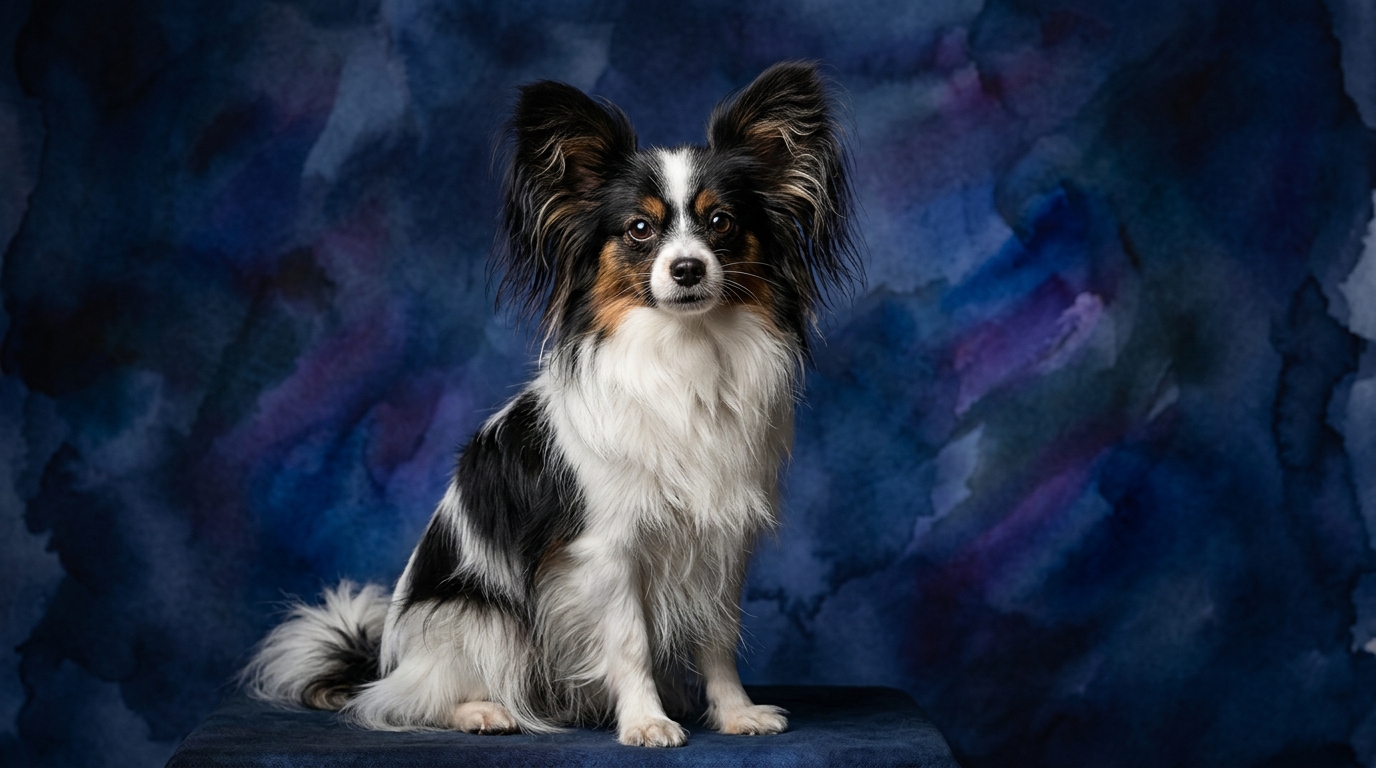
**Papillon (Coren Rank #8): A Cognitive Dynamo**
**Problem Solving (5/5):** The Papillon demonstrates exceptional aptitude for navigating complex situations and figuring out novel challenges. This means they quickly grasp the mechanics of puzzle toys, understand how to manipulate objects to achieve a goal, and adapt rapidly to new environments or routines. Their sharp observational skills contribute significantly to this high score.
**Training Speed (5/5):** This breed is renowned for its rapid acquisition of new commands and behaviors. Papillons possess an eagerness to engage and a strong desire to please their human companions, making them highly responsive to positive reinforcement. They can often master new tricks or obedience cues in just a few repetitions.
**Social Intelligence (4/5):** Papillons exhibit a well-developed capacity to read and interpret human emotions and intentions. They are adept at understanding nuances in tone, body language, and facial expressions, allowing them to form strong bonds and interact harmoniously within a family unit. They often anticipate their owner's moods and adjust their behavior accordingly.
**Instinctive Drive (3/5):** While certainly possessing natural canine instincts, the Papillon’s drives are generally moderate. They may show some interest in chasing small critters or exhibiting mild territorial behaviors, but these drives are typically manageable and less dominant than in breeds bred for specific working roles.
**Memory (5/5):** Possessing an outstanding memory, Papillons retain learned commands, routines, and experiences over long periods. This excellent recall extends to remembering people, places, and specific events, contributing to their consistent performance in training and their ability to navigate familiar environments with ease.
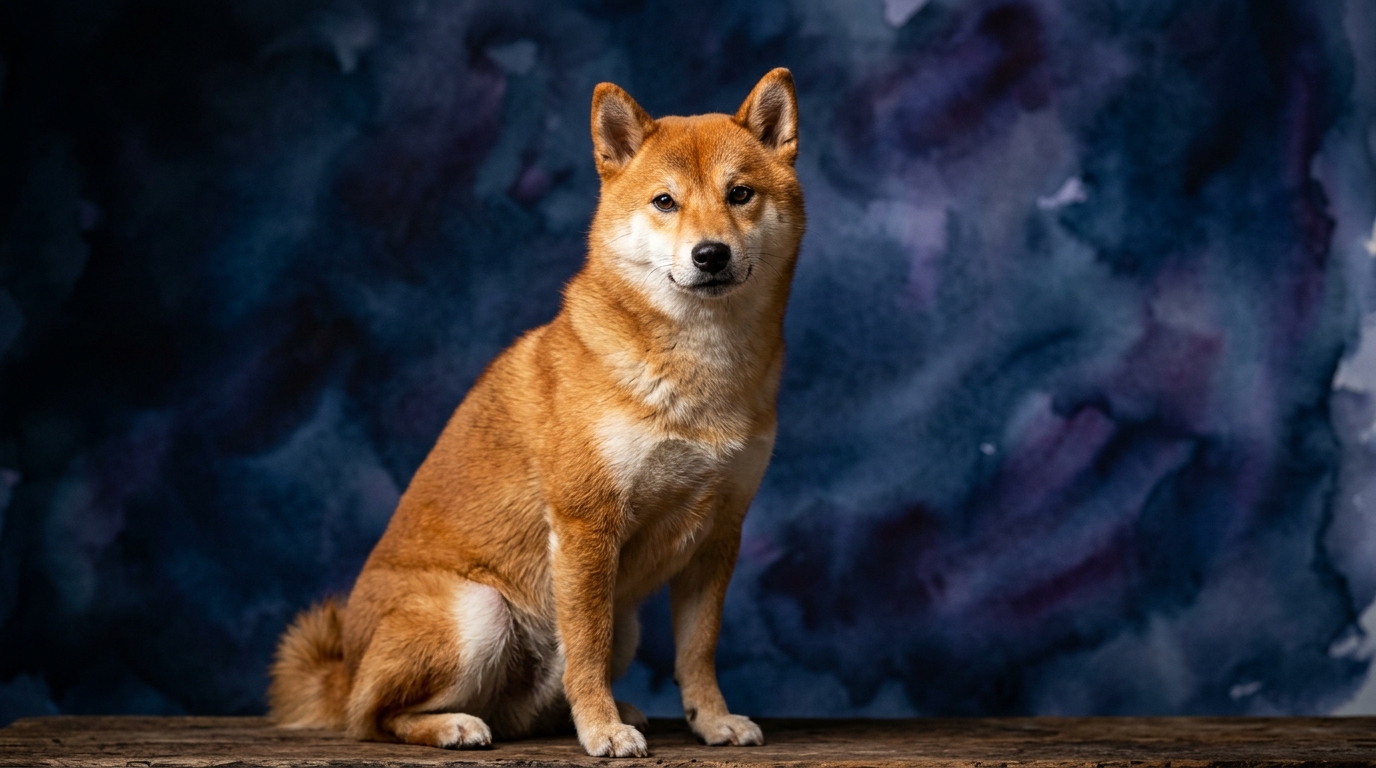
**Shiba Inu (Not Coren-Ranked): The Independent Strategist**
**Problem Solving (4/5):** The Shiba Inu is a capable problem-solver, often approaching challenges with a distinct blend of intelligence and self-interest. They can figure out how to open gates, escape enclosures, or obtain desired items, but their solutions are frequently driven by their own motivations rather than a desire to cooperate with human directives.
**Training Speed (2/5):** This breed typically requires more patience and creative methods during training. Shiba Inus are not inherently eager to please and possess a strong independent streak, meaning they will learn at their own pace and often decide whether a command is worth their effort. Consistency and high-value rewards are crucial to overcome their inherent skepticism.
**Social Intelligence (3/5):** Shiba Inus understand social cues, but their strong will often dictates whether they choose to acknowledge or act upon them. They are discerning in their affections and interactions, forming deep bonds with their chosen few but often remaining aloof or indifferent to strangers. Their social intelligence is more about assessing situations for their own benefit than eager participation.
**Instinctive Drive (5/5):** This is where the Shiba Inu truly shines with primal brilliance. Possessing a formidable prey drive, they are naturally inclined to hunt, track, and explore. Their strong territorial instincts and self-preservation skills are deeply ingrained, making them highly aware of their surroundings and quick to react to perceived threats or opportunities.
**Memory (4/5):** Shiba Inus have good memory, particularly for things that impact them directly—whether positive or negative experiences, or routines that benefit them. They remember commands and experiences, but their independent nature means they might selectively recall or obey based on their current mood or perceived value of compliance.
Where Papillon Wins Cognitively
The Papillon's cognitive strengths lie primarily in its remarkable adaptability and its enthusiastic engagement with human-directed learning. Its perfect 5/5 scores in problem-solving, training speed, and memory mean it excels at quickly understanding new concepts, executing complex sequences, and retaining a vast repertoire of commands and tricks. This breed is a natural for activities like agility, obedience, and freestyle, where intricate patterns and rapid responses are paramount. Their high social intelligence (4/5) further enhances this, allowing them to finely tune into human cues and intentions, fostering a highly collaborative learning environment. They don't just learn; they actively seek to understand and participate in cognitive challenges presented by their owners.
Where Shiba Inu Wins Cognitively
The Shiba Inu's cognitive prowess is deeply rooted in its independence and strong instinctive drives. Its 5/5 instinctive drive score signifies a profound connection to its primal canine intelligence, manifesting as exceptional self-reliance, heightened environmental awareness, and a keen ability to navigate and survive in varied conditions. This breed possesses excellent problem-solving skills (4/5) when the problem aligns with its own goals, such as finding a way to explore or secure a resource. Their cognitive strength lies in their ability to make independent decisions and strategize for their own benefit, often demonstrating a resourceful cunning that is less about human cooperation and more about self-preservation and exploration.
Which is Easier to Train and Why
Without question, the Papillon is significantly easier to train. Their 5/5 training speed is a testament to their innate desire to learn and their eagerness to please, coupled with a high level of focus on their human companions. Papillons thrive on positive reinforcement and quickly associate actions with rewards, making the process of teaching new commands a swift and rewarding experience for both dog and owner. Their well-developed social intelligence means they are attuned to their owner's feedback and actively seek to understand what is being asked of them. In contrast, the Shiba Inu's 2/5 training speed is a direct reflection of its profound independence and selective hearing. While intelligent, Shibas possess a strong will and often weigh the perceived benefit of obeying a command against their own inclinations. Training a Shiba requires immense patience, consistency, and a deep understanding of their motivations, often necessitating higher-value rewards and varied approaches to maintain their interest. They are capable of learning, but their compliance is rarely automatic.
Which Suits Active Owners vs Relaxed Owners
The Papillon can surprisingly suit a range of owner activity levels, though they truly flourish with mental engagement. Active owners will find a Papillon an enthusiastic partner for dog sports like agility, rally, or complex trick training, where their problem-solving and training speed can be fully utilized. Even more relaxed owners can successfully engage a Papillon with daily puzzle toys, short, fun training sessions, and consistent interaction, as their physical exercise needs are moderate but their mental needs are high. The Shiba Inu, on the other hand, suits owners who are active in a different sense: those who are prepared for consistent mental engagement and management of strong instincts rather than necessarily high-impact physical activity. While they enjoy walks and secure outdoor exploration, their strong instinctive drive (5/5) means they require vigilant supervision and secure environments. Owners who appreciate and understand a dog's independent nature, are committed to patient, consistent, and reward-based training, and can provide outlets for their investigative and self-reliant tendencies will find a Shiba Inu a deeply rewarding companion. A truly "relaxed" owner who prefers minimal interaction or training might struggle with a Shiba Inu's strong will and need for mental stimulation.
The Verdict
Opt for a Papillon if you seek a highly responsive, eager-to-please companion who excels in structured learning, enjoys trick training, and integrates seamlessly into family life with clear communication.
Select a Shiba Inu if you appreciate an independent, resilient, and resourceful canine mind, are prepared for a unique training journey, and value a companion with strong self-preservation instincts and a distinctive personality.
🧠 Find Your Pet's IQ Score
Our Pet IQ Lab assessment covers 25+ tests across 5 cognitive dimensions — personalized to your breed.
Take the Full IQ Test →Frequently Asked Questions
Are Papillons good for first-time dog owners?
Yes, Papillons are often an excellent choice for first-time dog owners due to their high trainability, eagerness to please, and strong social intelligence, which makes them responsive to guidance and eager to learn. Their moderate exercise needs also make them more manageable than many other breeds, provided their significant mental stimulation requirements are met.
Do Shiba Inus bark a lot?
Shiba Inus are not typically excessive barkers, but they are known for their unique vocalizations, including the "Shiba scream," which they use to express excitement, displeasure, or protest. Their independent nature means they communicate clearly when they have something to say, but they are not usually prone to incessant nuisance barking.
How much exercise do these breeds need?
Papillons require moderate physical exercise but significant mental stimulation, thriving on puzzle toys, trick training, and interactive play to challenge their problem-solving skills and memory. Shiba Inus also need consistent mental engagement and secure outdoor exploration to satisfy their strong instinctive drives, with daily walks and opportunities for supervised sniffing and investigation being crucial for their well-being.