Side-by-Side IQ Profile: Papillon vs. Toy Fox Terrier
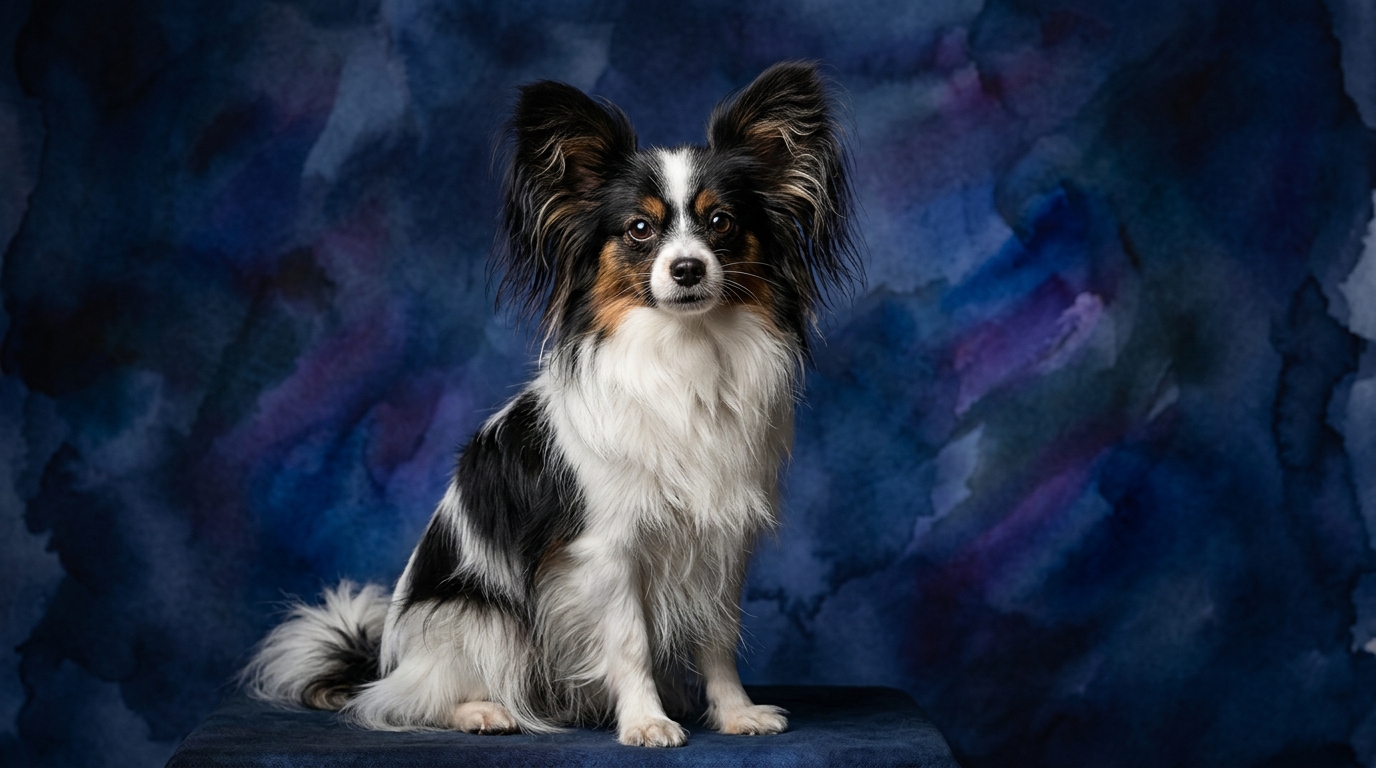
The Cosmic Pet Pet IQ Lab assesses canine intelligence across five key dimensions, offering a nuanced view of each breed's cognitive architecture. For the Papillon, a breed renowned for its mental agility, we see a profile dominated by excellence.
The Papillon scores a perfect 5/5 in Problem Solving, indicating an exceptional ability to navigate complex challenges, figure out new mechanisms, and strategize solutions independently. Their Training Speed is also a top-tier 5/5, meaning they grasp new commands and routines with astonishing rapidity, often requiring only a few repetitions. In Social Intelligence, the Papillon achieves a solid 4/5, demonstrating a keen understanding of human emotions, intentions, and social cues, allowing for highly responsive interaction. Their Instinctive Drive is rated 3/5, suggesting a moderate expression of innate behaviors like hunting or herding, which is present but typically manageable. Finally, their Memory is outstanding at 5/5, enabling them to retain a vast repertoire of commands, remember specific people and places, and recall past experiences with remarkable clarity.
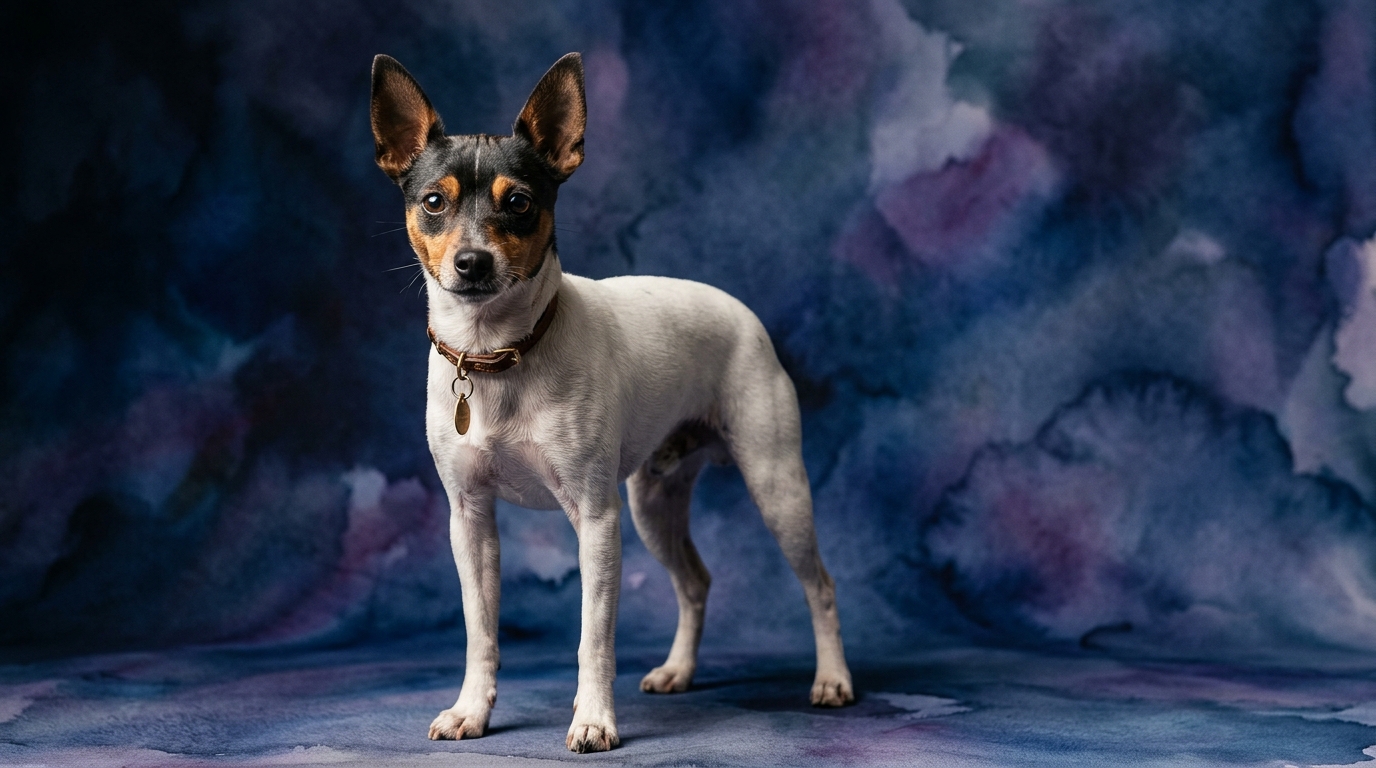
In contrast, the Toy Fox Terrier presents a more balanced and consistent profile across the board, without the extreme highs of the Papillon. This breed, not Coren-ranked, shows a steady, functional intelligence that serves its terrier heritage well.
For the Toy Fox Terrier, Problem Solving is rated 3/5, meaning they can effectively solve straightforward tasks and puzzles but might require more guidance or trial-and-error for abstract or multi-step problems. Their Training Speed is also 3/5, indicating they learn new commands with consistency and positive reinforcement, though it takes more repetitions than a Papillon. Social Intelligence stands at 3/5, suggesting they understand basic human communication and cues, but might exhibit more independence or less overt emotional responsiveness compared to some companion breeds. Their Instinctive Drive is 3/5, reflecting a moderate but noticeable prey drive and a terrier's characteristic tenacity. Memory for the Toy Fox Terrier is also 3/5, meaning they retain core commands and routines well, but might benefit from periodic refreshers for less frequently used instructions or past experiences.
Where the Papillon Excels Cognitively
The Papillon's cognitive strengths are undeniably impressive, particularly in areas demanding mental dexterity and rapid assimilation. Their 5/5 Problem Solving score means they aren't just following commands; they are actively thinking through situations, capable of unlocking crates, figuring out treat puzzles, or devising ways to get attention. This makes them exceptional candidates for advanced trick training and competitive dog sports where innovation and quick thinking are rewarded.
Complementing this is their 5/5 Training Speed and 5/5 Memory. A Papillon can learn a new command in just a handful of repetitions, internalizing it quickly and recalling it reliably over time. This combination allows for a vast vocabulary of commands and tricks, making them highly versatile companions for owners who enjoy consistent mental engagement. Their 4/5 Social Intelligence further enhances this, allowing them to pick up on subtle human cues and adapt their behavior, fostering a deeply communicative relationship.
Where the Toy Fox Terrier Shines Cognitively
While the Toy Fox Terrier's IQ scores may not reach the Papillon's peaks, their cognitive profile represents a robust and resilient intelligence, particularly suited to their terrier lineage. Their consistent 3/5 across all categories signifies a functional and adaptable mind, one that is capable of learning and problem-solving without being overly dependent or fragile.
The Toy Fox Terrier's strengths lie in their self-reliance and tenacity. Their 3/5 Problem Solving, while not top-tier, means they possess enough wit to navigate their environment and overcome obstacles with a characteristic terrier determination. This independence, coupled with their moderate instinctive drive, allows them to be focused and persistent when engaged in tasks, whether it's tracking a scent or working through a puzzle. Their 3/5 Social Intelligence suggests they are observant and capable of forming strong bonds, but perhaps with a more independent streak than some companion breeds, which can be a 'win' for owners seeking a dog that isn't constantly seeking validation or attention.
Training Ease: Real Behavioral Differences
When it comes to ease of training, the Papillon holds a significant advantage due to its exceptional Training Speed (5/5), Problem Solving (5/5), and Memory (5/5). A Papillon typically picks up new commands in very few repetitions, often generalizing concepts quickly. For example, teaching 'stay' might involve only a couple of short sessions before they reliably perform the action in various settings. Their strong memory means once a command is learned, it's retained for the long term, reducing the need for constant refreshers. This makes them highly rewarding for owners who enjoy rapid progress and teaching complex sequences.
The Toy Fox Terrier, with its 3/5 Training Speed and Memory, requires a more patient and consistent approach. While certainly trainable, they will likely need more repetitions to solidify a new command, and concepts might take longer to generalize across different environments. For instance, teaching 'stay' might require more frequent, shorter sessions over a longer period, with careful proofing in various distractions. Their inherent terrier independence, stemming from their instinctive drive, can sometimes manifest as a charming stubbornness, meaning owners must be engaging and consistent to maintain focus and motivation, rather than relying on quick cognitive leaps. Positive reinforcement is key, as they are less likely to respond to harsh methods.
Suitability for Active vs. Relaxed Owners
For active owners seeking a canine partner for mental and physical challenges, the Papillon is an ideal match. Their 5/5 Problem Solving and 5/5 Training Speed mean they thrive on mental stimulation, excelling in activities like agility, obedience, rally, and even canine freestyle. These dogs crave learning new tricks and engaging in interactive games that challenge their intellect. Their zest for life and moderate instinctive drive (3/5) ensures they have the energy and focus to participate enthusiastically in demanding activities, making them perfect for owners who want a dog to actively 'work' with and train regularly.
The Toy Fox Terrier, while still requiring daily exercise and mental engagement, might be a better fit for moderately active or relaxed owners who appreciate a dog with a bit more independent spirit. Their consistent 3/5 scores across the board indicate they are adaptable and capable of learning, but perhaps without the constant demand for novelty that a Papillon exhibits. They enjoy structured playtime and consistent training sessions, but might be content with shorter, focused bursts of activity rather than prolonged, complex mental exercises. Their terrier grit means they are robust companions for walks and exploration, but their independence also allows them to be content observing or relaxing after their needs are met, making them suitable for owners who enjoy a balanced routine without constant, intense mental engagement.
The Verdict
Choose the Papillon if you seek a highly trainable, mentally agile companion eager for complex challenges and rapid learning in dog sports or advanced trick training.
Opt for the Toy Fox Terrier if you appreciate a resilient, independent spirit that learns with consistency, offering functional intelligence and tenacious companionship for a moderately active lifestyle.
🧠 Find Your Pet's IQ Score
Our Pet IQ Lab assessment covers 25+ tests across 5 cognitive dimensions — personalized to your breed.
Take the Full IQ Test →Frequently Asked Questions
Are Papillons good for first-time dog owners?
Yes, Papillons can be excellent for first-time owners due to their exceptional trainability and eagerness to please. Their rapid learning speed makes training a rewarding experience, though their need for mental stimulation means owners must be prepared to engage them consistently.
Do Toy Fox Terriers require a lot of mental exercise?
Toy Fox Terriers require consistent mental engagement to prevent boredom, but perhaps not the same intensity of complex problem-solving as a Papillon. Regular training sessions, puzzle toys, and varied walks will satisfy their cognitive needs effectively.
Which breed is better for apartment living?
Both breeds can adapt well to apartment living with adequate exercise and mental stimulation. The Papillon's smaller size and trainability make them highly suitable, while the Toy Fox Terrier's moderate exercise needs and independent streak also allow them to thrive in smaller spaces, provided their daily outdoor activities are met.