The Cosmic Pet Pet IQ Lab Profiles: A Nuanced Look
At first glance, the Parson Russell Terrier and the American Foxhound appear to share identical cognitive profiles according to The Cosmic Pet Pet IQ Lab, both scoring a consistent 3/5 across problem-solving, training speed, social intelligence, instinctive drive, and memory. However, these identical scores belie fascinating differences in how each breed's historical role and inherent temperament influence the *manifestation* of these cognitive abilities. Understanding these nuances requires looking beyond the numbers to the specific ways their minds engage with the world.
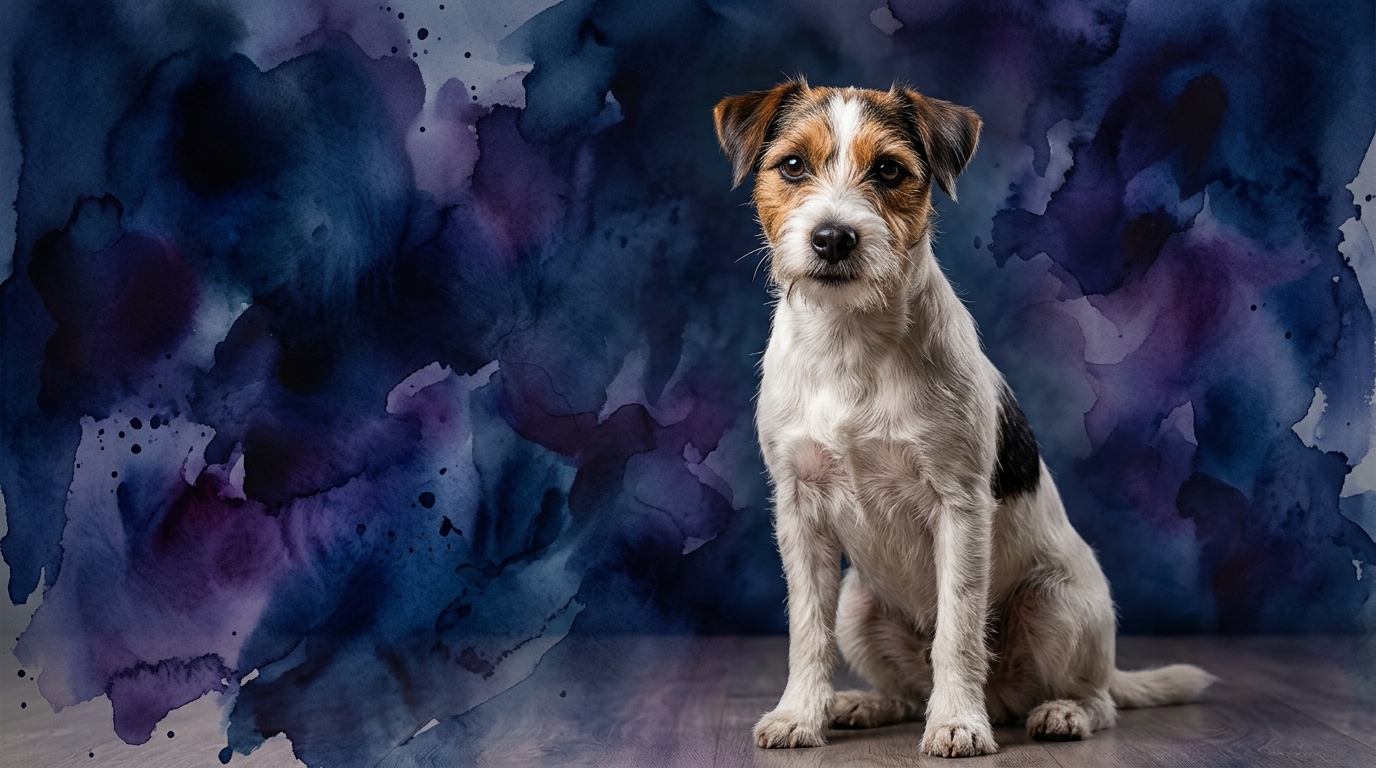
The Parson Russell Terrier, a vibrant member of the Terrier group, approaches its 3/5 scores with characteristic vigor and independence. Their **Problem Solving (3/5)** is often expressed through determined, physical efforts, such as figuring out how to bypass a barrier to reach a perceived 'prey' or uncovering a hidden toy through persistent digging. Their solutions are typically direct and driven by an intense focus on their objective. In **Training Speed (3/5)**, PRTs learn commands at a moderate pace, but their independent streak means consistent compliance can be a challenge; they understand quickly but may choose to obey selectively, especially if something more stimulating captures their attention. Their **Social Intelligence (3/5)** allows them to read human cues adequately and form strong bonds, though their interactions with other animals can be influenced by their inherent prey drive, sometimes leading them to challenge boundaries. The **Instinctive Drive (3/5)** in a PRT manifests as a strong, persistent urge to hunt, dig, and chase, significantly influencing their focus and motivation in daily activities. Finally, their **Memory (3/5)** is reasonably good for commands, routines, and experiences, aiding in training, yet their independent nature means they might 'forget' a command if a stronger instinct takes precedence.
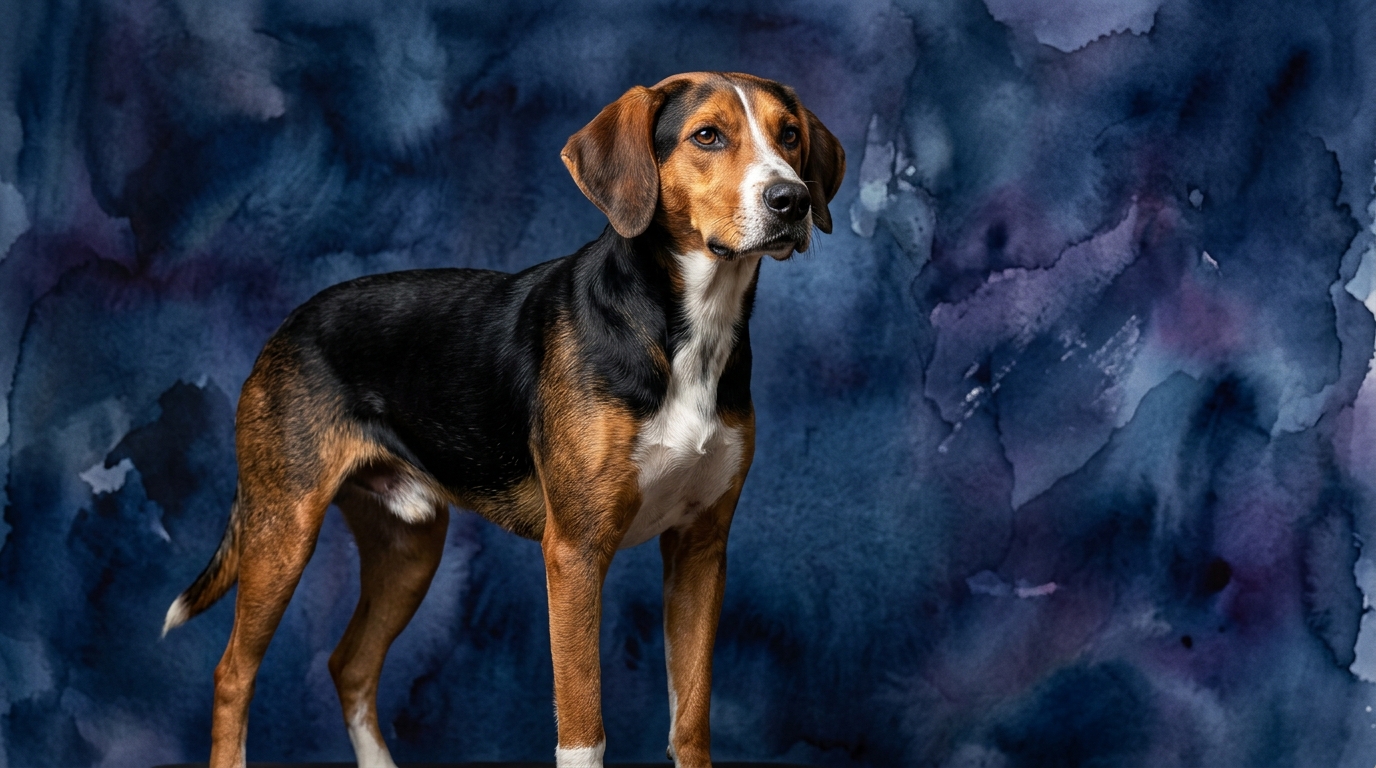
Conversely, the American Foxhound, a quintessential Hound, applies its 3/5 scores with a different set of priorities, largely centered on its powerful sense of smell and endurance. Their **Problem Solving (3/5)** is less about physical manipulation and more about intricate sensory interpretation, such as meticulously tracking a complex scent trail over long distances and varied terrain. Their 'solutions' involve persistence and accurate olfactory processing. For **Training Speed (3/5)**, AFHs also learn at a moderate pace, though their training often requires significant patience and repetition, as their singular focus on scent can make them less responsive to traditional obedience cues when their nose is engaged. They absorb information but prioritize their primary drive. Their **Social Intelligence (3/5)** reflects their pack animal heritage; they generally exhibit friendly dispositions towards humans and demonstrate good social understanding within a canine group, though they can be somewhat aloof with strangers. The **Instinctive Drive (3/5)** of an AFH is almost exclusively dedicated to scent-tracking and endurance; their world is often interpreted through their nose, and this drive can override other cognitive functions, leading to a highly focused, almost trance-like state. Their **Memory (3/5)** is particularly strong for associative recall related to scent trails, locations, and the profiles of specific animals or people, remembering routines and learned behaviors, especially those tied to their hunting purpose.
Where the Parson Russell Terrier's Mind Shines
The Parson Russell Terrier's cognitive strengths lie in situations demanding quick, independent decision-making coupled with physical agility. Their problem-solving (3/5) is particularly effective when it involves overcoming immediate physical obstacles or outsmarting a perceived target, whether it's navigating a tricky agility course or extracting a toy from under furniture. This active, 'hands-on' approach to challenges, bolstered by their tenacious instinctive drive, enables them to adapt rapidly and creatively to changing physical environments. Their social intelligence (3/5) often manifests in their ability to engage with their human companions in a lively, interactive manner, frequently charming their way into desired outcomes while still pursuing their own interests with spirited determination.
Where the American Foxhound's Cognition Excels
The American Foxhound's cognitive prowess is best observed in tasks requiring sustained focus and sophisticated sensory interpretation, especially olfactory processing. Their problem-solving (3/5) shines in the intricate challenge of tracking, where they process a vast array of scent information, discerning subtle changes and following complex, winding trails over extended periods. This capability is less about immediate physical manipulation and more about methodical, long-term mental effort. Fueled by their powerful instinctive drive (3/5), this sustained cognitive exertion is a unique and specialized feat. Their memory (3/5) is particularly robust for recalling scent trails and the geographical layouts pertinent to their primary purpose, showcasing an impressive capacity for environmental and associative recall linked to their nose work.
Training Dynamics: Terriers vs. Hounds
Despite both breeds scoring 3/5 in training speed, the practical experience of training a Parson Russell Terrier versus an American Foxhound diverges considerably. Training a PRT often involves channeling their inherent independence and high prey drive. While they learn commands at a moderate pace, their willingness to perform can be highly dependent on their current interest or the perceived value of the reward. Owners must employ consistent, engaging, and varied training methods to keep their keen minds stimulated and focused, as their moderate social intelligence means they understand cues but might test boundaries if not adequately motivated.
For the American Foxhound, training, though also rated 3/5, is fundamentally challenged by their powerful, single-minded scent drive. Once a compelling scent is engaged, all other commands, including recall, can become secondary. Effective training for an AFH demands immense patience, consistent positive reinforcement, and often specialized techniques to break their intense focus on a trail. Their pack-oriented social intelligence means they respond well to clear, consistent leadership, but their intrinsic drive for scent work is a formidable competitor for their attention. Early and consistent socialization is crucial for both breeds, but for different reasons: for PRTs, it helps manage their boldness and potential for reactivity; for AFHs, it aids in integrating them into a domestic routine while respecting their profound olfactory instincts.
Lifestyle Compatibility: Active Explorers vs. Scent-Driven Wanderers
For an active owner seeking a compact, energetic companion with a zest for varied exploration, the Parson Russell Terrier is an excellent match. They thrive on diverse activities that engage both their robust bodies and their problem-solving minds, from agility and earthdog trials to extended hikes. Their moderate instinctive drive (3/5) makes them eager participants in adventures, but owners must be prepared to manage their persistent tendencies to chase and dig. These are not dogs for sedentary or relaxed owners; their significant mental and physical energy requires consistent, structured outlets to prevent boredom and undesirable behaviors.
The American Foxhound, while also needing substantial exercise, suits an owner who appreciates long, purposeful walks or runs, ideally in secure, expansive areas where their nose can lead the way. Their instinctive drive (3/5) for scent work means their exercise needs are less about frantic bursts of activity and more about sustained, methodical exploration. They are not typically 'relaxed' dogs indoors without sufficient outdoor engagement, but their energy profile is distinct from the terrier's. They can be too independent and scent-driven for a casual owner who prefers only short, leashed walks. Prospective owners must be ready for a dog that will follow its nose, sometimes to the exclusion of all else, requiring a secure environment and a patient approach to recall.
The Verdict
Choose the Parson Russell Terrier if you seek a tenacious, engaging companion for varied, interactive activities, and you're prepared to channel a strong independent streak and prey drive with consistent, creative training.
Opt for the American Foxhound if you desire a friendly, enduring partner for long, scent-driven explorations, and you have the patience to train a dog whose primary motivation is often its nose.
🧠 Find Your Pet's IQ Score
Our Pet IQ Lab assessment covers 25+ tests across 5 cognitive dimensions — personalized to your breed.
Take the Full IQ Test →Frequently Asked Questions
Can a Parson Russell Terrier and an American Foxhound live together peacefully?
Yes, with proper introductions and socialization, these breeds can coexist. Their differing energy expressions and motivations mean they might interact differently, but their moderate social intelligence (3/5) allows for adaptation. Supervision is key, especially given the PRT's boldness and the AFH's potential for aloofness when a scent is detected.
Do either of these breeds make good apartment dogs?
Neither breed is ideally suited for apartment living without significant, dedicated effort from their owners. Both require substantial daily exercise and mental stimulation to prevent boredom and destructive behaviors. The PRT's vocal nature and digging instincts, and the AFH's need for long walks and scent work, pose challenges in smaller spaces.
How do their "instinctive drives" (3/5) differ in practical terms?
For the Parson Russell Terrier, a 3/5 instinctive drive translates to a strong urge to chase, dig, and 'work' prey, often with a physical, direct approach. For the American Foxhound, the 3/5 drive is almost entirely dedicated to scent-tracking, manifesting as an intense, sustained focus on following a trail, potentially ignoring other stimuli and commands.