
Side-by-Side IQ Profile: Understanding 3/5
While both the Parson Russell Terrier and the Borzoi share a consistent score of 3/5 across all five IQ dimensions, this numerical parity masks significant practical differences rooted in their breed types. A '3/5' for a terrier, bred for persistent hunting in confined spaces, means something distinct from a '3/5' for a sighthound, developed for independent pursuit across open fields. This section will explore what each score signifies for these two unique breeds.
For the Parson Russell Terrier, a Problem Solving score of 3/5 reflects their exceptional resourcefulness in navigating complex environments, often involving digging, squeezing, or outsmarting burrowing prey. Their training Speed, also 3/5, indicates they learn new commands at a moderate pace, but their strong will and independent nature mean consistency and engaging methods are crucial for retention. Their Social Intelligence (3/5) allows them to form strong bonds with their human companions and understand subtle cues, though they can be assertive with other canines. An Instinctive Drive of 3/5 highlights their pronounced prey drive, characterized by tenacious pursuit, digging, and barking, while their Memory (3/5) ensures they recall learned behaviors, routines, and the locations of interesting scents or past adventures with good accuracy.
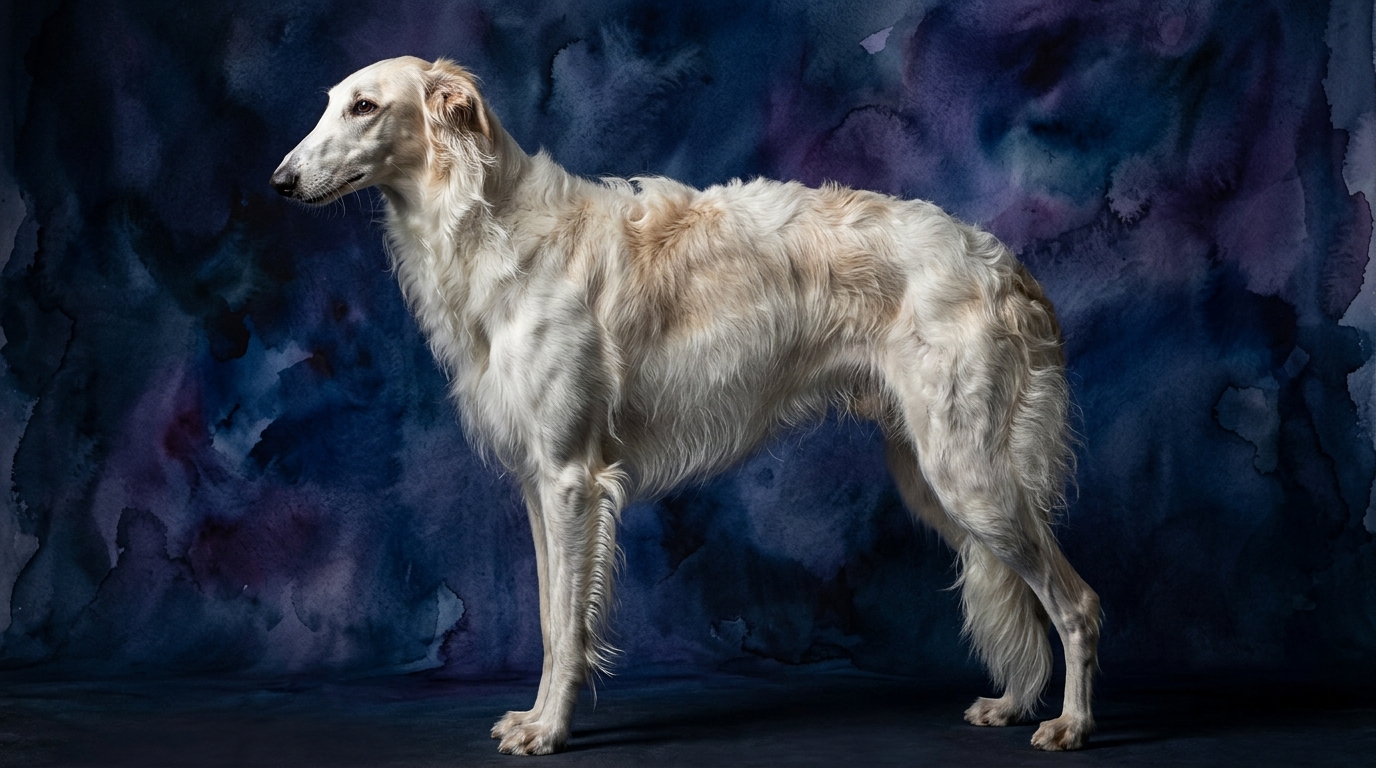
The Borzoi’s Problem Solving score of 3/5 manifests as independent decision-making during high-speed chases, requiring them to assess terrain, anticipate prey movements, and make split-second choices without human intervention. Their Training Speed, also 3/5, means they grasp concepts quickly, yet their sighthound independence can lead them to prioritize their own judgment over repetitive commands if they perceive no immediate value. Their Social Intelligence (3/5) is characterized by a sensitive and often reserved demeanor, forming deep, loyal bonds with their family while maintaining a dignified distance with strangers. The 3/5 Instinctive Drive in a Borzoi is a powerful visual prey drive, compelling them to sprint after anything that moves quickly, often silently and with intense focus. Finally, their Memory (3/5) is robust, enabling them to recall complex routes, familiar faces, and past experiences, particularly those related to hunting or their cherished comfort routines.
Where the Parson Russell Terrier Wins Cognitively
The Parson Russell Terrier truly shines in cognitive tasks demanding sustained tenacity and innovative problem-solving within confined or challenging spaces. Their breed history as fox and badger hunters has honed their ability to think on their feet, figuring out how to navigate tunnels, overcome obstacles, or persist in pursuing a goal despite setbacks. This manifests as a superior capacity for intricate scent work, puzzle toys that require manipulation, or tasks where a reward is hidden in a tight spot, showcasing a determined, 'never give up' mental attitude that some other breeds might lack. Their cognitive strength lies in their ability to apply learned skills with unwavering persistence, often improvising solutions when faced with an unexpected barrier.
Where the Borzoi Wins Cognitively
The Borzoi's cognitive strengths are best observed in scenarios demanding autonomous decision-making and acute visual processing over expansive distances. Their heritage as coursing hounds means they excel at quickly processing visual stimuli, judging speed and trajectory, and making independent choices during a chase without human direction. This translates into a remarkable ability for spatial awareness, remembering complex routes, and adapting instantly to changing environmental conditions during high-speed activity. While their problem-solving might not involve intricate digging, it encompasses the rapid, intuitive strategic thinking required to outmaneuver fast-moving quarry in an open field, a cognitive feat distinct from a terrier's close-quarters ingenuity.
Which is Easier to Train and Why
When considering 'easier to train,' the context of an owner's expectations is paramount, as both breeds score 3/5 for Training Speed but present different challenges. The Parson Russell Terrier, despite learning commands relatively quickly, can be perceived as more challenging due to their strong-willed nature and intense instinctive drives. Their terrier tenacity means they require consistent, engaging training that channels their energy and provides a clear purpose, otherwise, their independent streak and prey drive can lead to selective hearing or pursuing their own interests, making off-leash reliability a significant, ongoing commitment. Owners must be prepared to be more persistent and creative to maintain their focus.
The Borzoi, while also learning at a moderate pace, presents a different kind of training challenge rooted in their sighthound independence and less inherent 'eagerness to please' in the traditional sense. They are not unintelligent, but they are often more inclined to make their own decisions rather than slavishly follow commands, especially if the command seems illogical or unrewarding to them. Training a Borzoi requires understanding their sensitive yet independent temperament, making sessions positive, brief, and stimulating, and focusing on building a strong bond based on mutual respect rather than strict obedience. An owner who appreciates their independent thought process and can motivate them effectively will find them responsive, but those expecting constant, enthusiastic compliance might find them challenging.
Which Suits Active Owners vs. Relaxed Owners
The Parson Russell Terrier is undeniably better suited for active owners who relish vigorous outdoor activities and can provide consistent mental and physical stimulation. Their high energy levels, persistent drive, and need for engaging activities mean they thrive in homes where they can participate in dog sports like agility, earthdog trials, or long, varied hikes. They require an owner who understands their terrier drive and can channel it productively, preventing boredom and destructive behaviors. A relaxed owner might quickly find themselves overwhelmed by a Parson Russell Terrier's boundless energy and need for engagement.
Conversely, the Borzoi is an excellent fit for owners who appreciate a calm, dignified companion indoors but can provide specific opportunities for intense, short bursts of exercise. While they need regular walks, their primary physical requirement is the chance to sprint at full speed in a securely fenced area, satisfying their sighthound instinct. They are generally quite relaxed and quiet within the home, often content to lounge gracefully, making them surprisingly suitable for owners who enjoy a more serene indoor environment but are committed to fulfilling their unique exercise needs in a safe, controlled manner. They are not a breed for constant, high-impact activity but rather require specific, focused bursts of athleticism.
The Verdict
Choose the Parson Russell Terrier if you seek an energetic, tenacious partner for adventure and mental challenges, thriving on structured routines and purposeful engagement. They are ideal for active individuals ready to channel their dog's boundless drive.
Opt for the Borzoi if you desire an elegant, independent companion who values comfort and quiet indoors but needs ample space for exhilarating sprints, offering a unique blend of athleticism and serene companionship.
🧠 Find Your Pet's IQ Score
Our Pet IQ Lab assessment covers 25+ tests across 5 cognitive dimensions — personalized to your breed.
Take the Full IQ Test →Frequently Asked Questions
Are Parson Russell Terriers good with other pets?
Parson Russell Terriers can coexist with other pets, but their strong prey drive means they might view smaller animals as quarry. Early socialization and careful introductions are crucial, especially with cats or small rodents, and supervision is always recommended to ensure harmony.
Do Borzoi need a lot of grooming?
Borzoi possess a long, silky coat that requires regular grooming to prevent tangles and mats. Weekly brushing, with more frequent sessions during shedding seasons, is essential to keep their elegant coat in good condition and maintain skin health.
Can Borzoi live in apartments?
Borzoi can adapt to apartment living if their unique exercise needs are met, which includes regular opportunities for safe, off-leash sprints in a securely fenced area. Indoors, they are typically calm and quiet, making them suitable provided their physical requirements are addressed consistently.