Side-by-Side Cognitive Profiles: Decoding the 3/5 Score
In The Cosmic Pet Pet IQ Lab, a score of 3 out of 5 across all dimensions signifies a dog possessing competent cognitive abilities, capable of learning and adapting, but perhaps not with the immediate grasp or complex understanding of breeds scoring higher. For both the Parson Russell Terrier and the Cesky Terrier, this 3/5 suggests a foundation of intelligence that is effective within their respective breed purposes, yet with individual nuances.
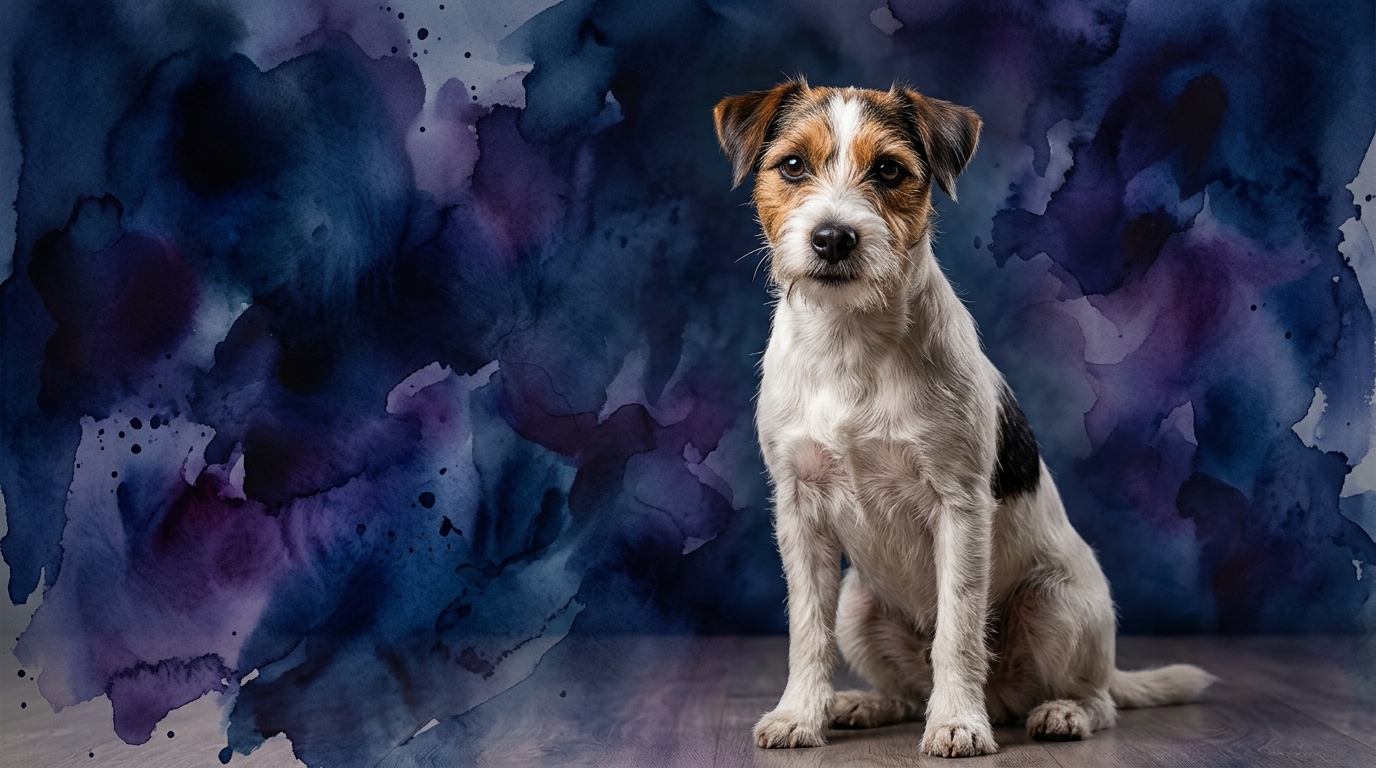
The Parson Russell Terrier, a breed developed for working fox, exhibits a 3/5 in **Problem Solving** that manifests as quick, often physical, approaches to obstacles. They are adept at figuring out how to navigate challenging terrain, escape enclosures, or locate hidden items through active exploration and trial-and-error. Their **Training Speed** at 3/5 means they grasp new commands and routines effectively, but their energetic disposition can sometimes lead to distractibility, requiring consistent, engaging methods to maintain focus. **Social Intelligence** at 3/5 indicates they are generally responsive to human cues and can form strong bonds, though their independent terrier spirit means they aren't overly solicitous and can be discerning with strangers. Their **Instinctive Drive** is a pronounced 3/5, reflecting a powerful prey drive and tenacity that fuels their exploratory and hunting behaviors. Finally, their **Memory** at 3/5 is solid, allowing them to recall learned commands, routines, and past successful strategies for finding things or navigating environments.
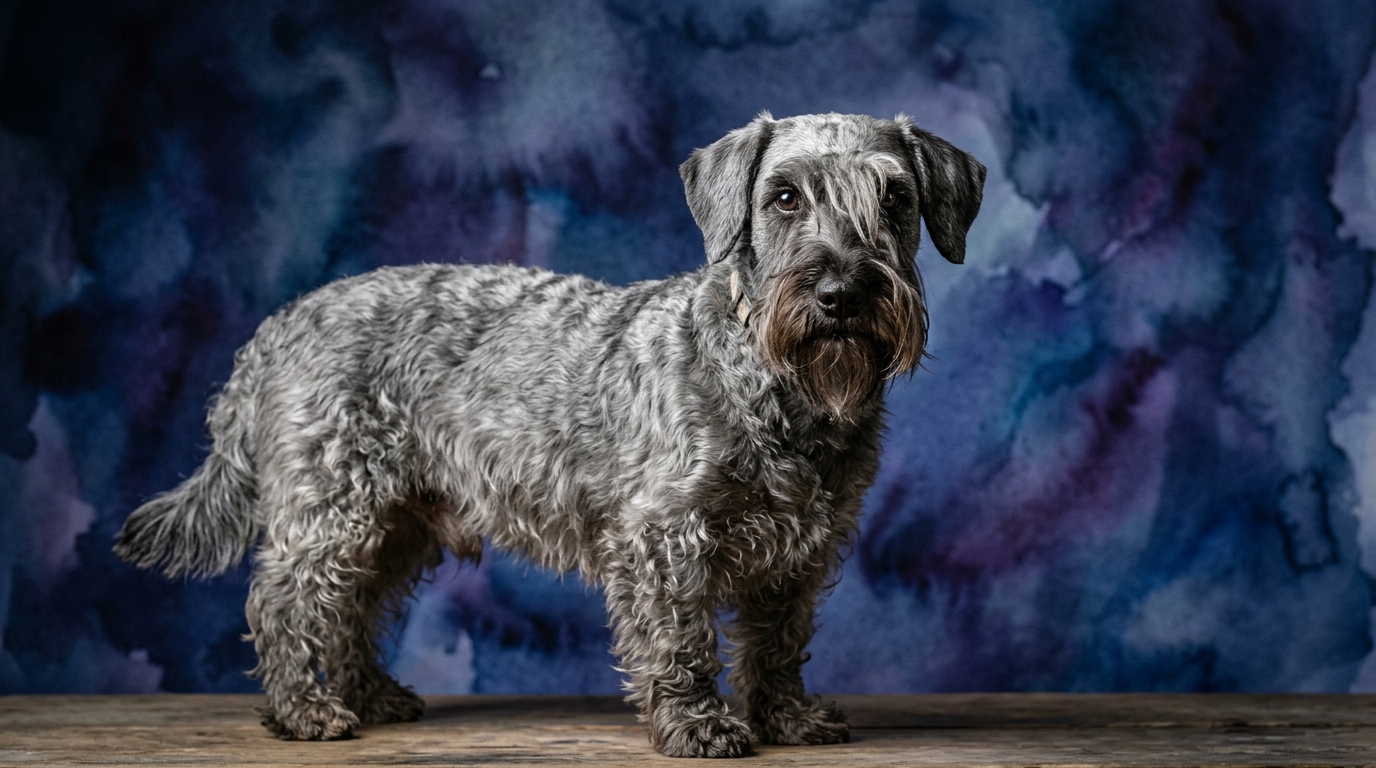
The Cesky Terrier, originally bred in Bohemia for hunting small game in dense forests, also carries a 3/5 across the board, but with a different flavor. Their **Problem Solving** score of 3/5 often presents as more methodical and persistent than the Parson's impulsiveness. They might observe a situation longer before acting, then systematically work through a challenge, leveraging their sturdy build and digging prowess. **Training Speed** at 3/5 means they learn at a steady pace, often excelling with positive reinforcement and clear communication, showing good retention once a concept is understood. Their **Social Intelligence** (3/5) points to a more reserved but deeply loyal nature; they are discerning, often forming deep attachments to their family while remaining somewhat aloof or cautious with unfamiliar people or situations. The Cesky's **Instinctive Drive** at 3/5 is still strong, focusing on scent work and tunneling, but typically with a calmer, less frenetic intensity than the Parson. Their **Memory** at 3/5 is reliable for routines, people, and places, contributing to their generally well-adjusted demeanor within their familiar environment.
Where the Parson Russell Terrier Shows Cognitive Strengths
The Parson Russell Terrier's cognitive strengths lie in its dynamic adaptability and rapid response to changing environments, a direct carryover from its working heritage. Their 3/5 problem-solving ability, coupled with high instinctive drive, gives them an edge in scenarios demanding quick, on-the-spot decisions and physical agility. For instance, in an agility course or a complex scent-tracking task with unexpected turns, a Parson is likely to quickly assess new information and pivot their strategy without hesitation. This breed often excels in tasks that require independent thinking and initiative, such as navigating a novel environment or devising a way to retrieve a toy from a challenging spot, relying on their keen observational skills and robust physical capabilities to implement solutions rapidly. Their memory, while rated 3/5, is particularly strong for spatial layouts and successful routes, making them excellent explorers who rarely get disoriented in familiar territories.
Where the Cesky Terrier Shows Cognitive Strengths
The Cesky Terrier's cognitive advantages often manifest in their sustained focus and thoughtful persistence. While their problem-solving is also a 3/5, it tends to be less impulsive, allowing them to engage with a task for longer periods without becoming easily distracted, especially if it involves methodical work like intricate puzzle toys or scent detection games. This breed's social intelligence, while reserved, contributes to a keen observational capacity; they often learn by watching and processing information, rather than immediately jumping into action. This can make them particularly adept at understanding complex sequences once demonstrated, or picking up on subtle household routines. Their memory, also 3/5, supports this by allowing them to reliably recall learned sequences and preferred approaches to challenges, making them consistent performers in repetitive tasks or established routines. The Cesky's more measured approach means they might not be the fastest to react, but their solutions are often well-considered and executed with determination.
Training Dynamics: Parson vs. Cesky Compliance
When it comes to training, both breeds share a 3/5 training speed, meaning they are capable learners. However, their behavioral differences significantly impact the training experience. The Parson Russell Terrier, with its higher energy and pronounced instinctive drive, often requires a trainer who can maintain their engagement and channel their boundless enthusiasm. They pick up commands quickly but can become bored or distracted if training sessions are repetitive or lack variety. Their problem-solving acumen can sometimes be applied to outsmarting the trainer, testing boundaries, or finding more interesting alternatives to a requested behavior. Training a Parson demands consistency, positive reinforcement, and a good sense of humor, often benefiting from incorporating their prey drive into games or sports.
The Cesky Terrier, while equally capable of learning, generally presents a more compliant and focused demeanor during training sessions. Their slightly more reserved social intelligence means they are often content to work closely with their trusted human, and their instinctive drive, while present, is typically less explosive than the Parson's. This allows them to sustain attention for longer, making them potentially easier for a novice trainer to manage. However, their sensitivity means they respond best to gentle, consistent methods, and harsh corrections can cause them to shut down. While they might not be as eager to please as some other breeds, their inherent desire for companionship and routine, coupled with good memory, makes them receptive to a calm, patient approach.
Lifestyle Match: Active Adventures vs. Calm Companionship
The distinct manifestations of their cognitive profiles make each breed suitable for different owner lifestyles. The Parson Russell Terrier is undeniably a breed for active owners. Their 3/5 instinctive drive and problem-solving skills demand regular, vigorous exercise and consistent mental challenges. They thrive in environments where they can explore, run, and engage in activities like agility, earthdog trials, or extensive hiking. Owners who enjoy outdoor adventures, can dedicate significant time to training and enrichment, and appreciate a spirited, independent companion will find the Parson a rewarding match. Their intelligence is best utilized when given a 'job' that satisfies their inherent drive and curiosity, preventing boredom-induced destructive behaviors.
The Cesky Terrier, while still a terrier requiring daily exercise and mental stimulation, generally suits a more relaxed, yet still engaged, owner. Their 3/5 social intelligence leans towards forming deep family bonds, making them excellent companions for those who value a loyal presence. They enjoy daily walks, puzzle toys, and interactive play within the home or yard, but typically do not demand the same intensity or duration of activity as a Parson. Owners who appreciate a dog with a thoughtful demeanor, who enjoys quiet companionship as much as a good romp, and who can provide consistent, gentle leadership will find the Cesky a delightful fit. Their intelligence thrives on routine, consistent interaction, and opportunities for scent work or digging in designated areas.
The Verdict: When to Choose Each Intelligent Terrier
The Verdict
Choose the Parson Russell Terrier if you lead an active lifestyle, can provide extensive physical and mental challenges, and seek a spirited, independent companion who thrives on adventure and problem-solving.
Opt for the Cesky Terrier if you prefer a slightly calmer, more reserved companion who still requires engagement, values deep family bonds, and responds well to patient, consistent training within a structured home environment.
🧠 Find Your Pet's IQ Score
Our Pet IQ Lab assessment covers 25+ tests across 5 cognitive dimensions — personalized to your breed.
Take the Full IQ Test →Frequently Asked Questions
Are Parson Russell Terriers difficult to train?
Parson Russell Terriers are quick to learn new commands due to their 3/5 training speed, but their high energy and instinctive drive can make them distractible. Consistent, engaging, and varied training methods are crucial to harness their intelligence and prevent boredom, often requiring a proactive and experienced handler.
Do Cesky Terriers get along with strangers?
Cesky Terriers, with their 3/5 social intelligence, tend to be reserved with strangers, preferring to observe before engaging. They form deep bonds with their family but may not be immediately outgoing with new people, valuing their trusted circle over widespread friendliness.
Which breed is better for apartment living?
The Cesky Terrier is generally better suited for apartment living due to its slightly lower energy demands and more adaptable nature compared to the Parson Russell. While both need daily exercise, the Cesky's intelligence can be satisfied with consistent walks and indoor mental stimulation, whereas the Parson often requires more extensive outdoor activity.