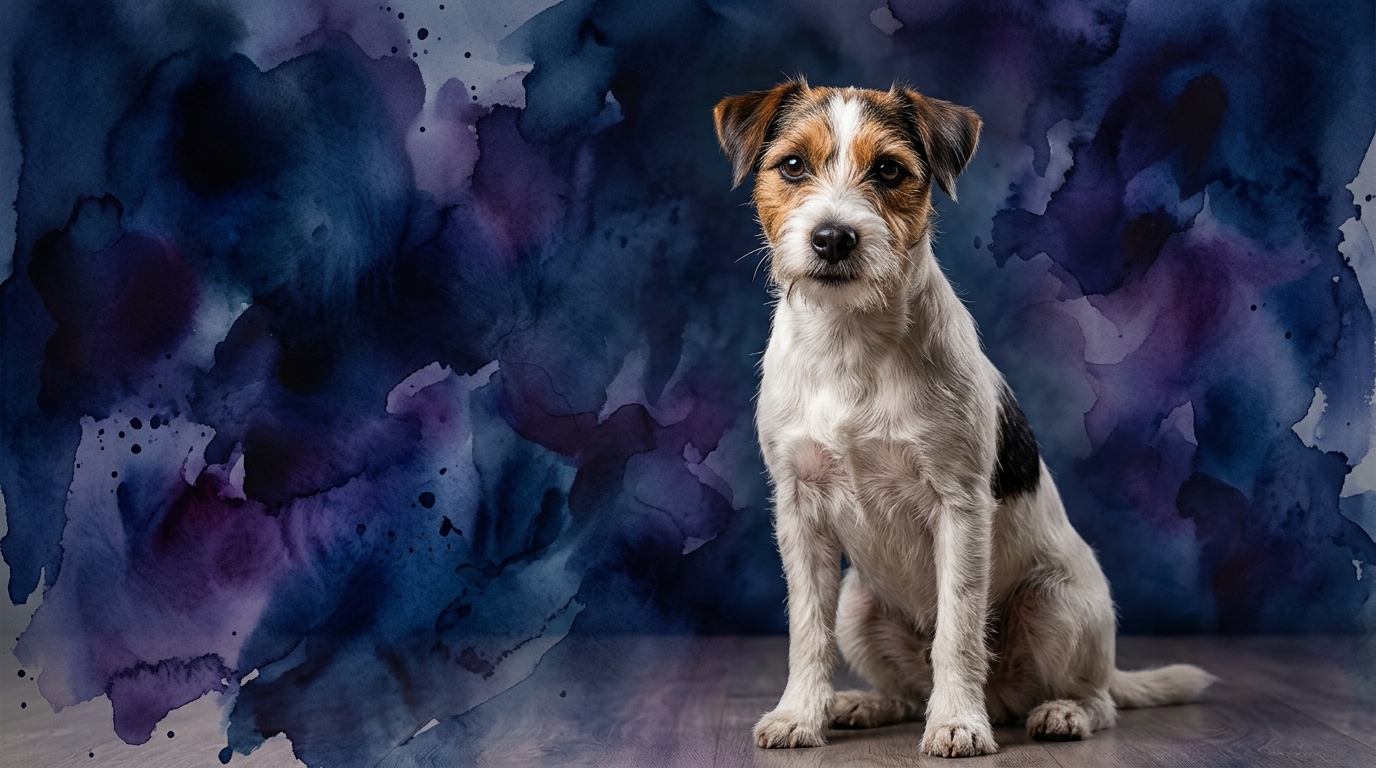
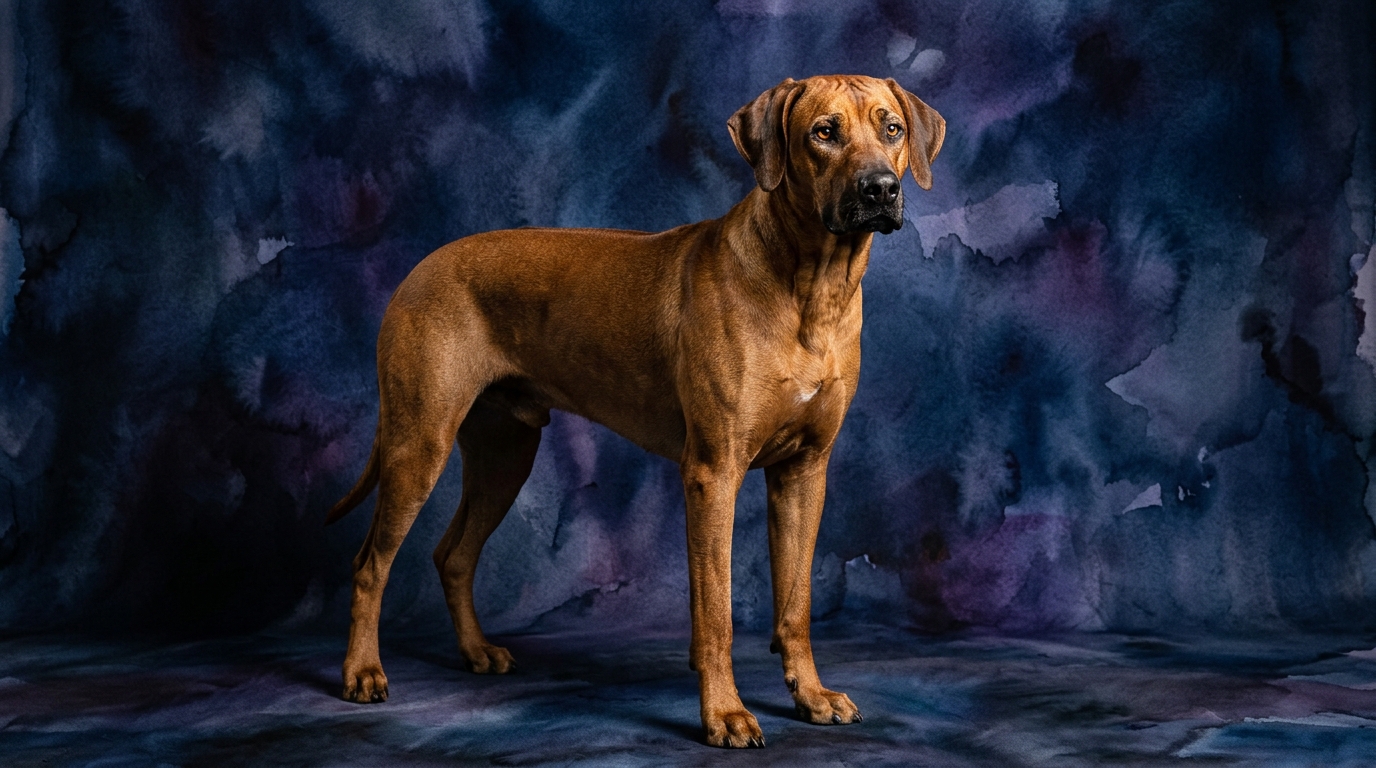
Side-by-Side IQ Profile
The Cosmic Pet Pet IQ Lab assesses canine intelligence across five key dimensions, providing a granular view of how different breeds approach the world. For both the Parson Russell Terrier and the Rhodesian Ridgeback, each dimension is rated 3/5, suggesting competent but not exceptional performance. However, these scores manifest uniquely based on their breed-specific predispositions and historical roles.
**Parson Russell Terrier (IQ: Problem Solving 3/5, Training Speed 3/5, Social Intelligence 3/5, Instinctive Drive 3/5, Memory 3/5)**: Their problem-solving manifests as tenacious pursuit, finding ingenious ways to navigate obstacles or excavate targets. They quickly learn through trial and error, especially tasks involving digging or reaching hidden items. Capable of rapid learning, their independent spirit and strong prey drive mean consistent, engaging training is essential to maintain focus over external stimuli. Generally attuned to their human family, forming strong bonds, their instinct to chase can sometimes override social cues, particularly with small, fast-moving creatures. A powerful drive for tracking, flushing, and digging small prey dominates their behavior, fueling relentless focus on scent and movement. They possess a good memory for routines, commands, and especially for locations of interest or past successes related to their instincts.
**Rhodesian Ridgeback (Coren Rank #52, IQ: Problem Solving 3/5, Training Speed 3/5, Social Intelligence 3/5, Instinctive Drive 3/5, Memory 3/5)**: Their problem-solving involves strategic assessment of situations, particularly in open environments. They can make independent decisions to navigate complex terrains or approach novel challenges with measured thought. They learn steadily, requiring patient and consistent guidance. Their independent nature means they respond best to fair, clear communication and positive reinforcement. They exhibit discerning social intelligence, often reserved with strangers but deeply devoted to their family, perceptive of subtle human cues and intentions. Rooted in tracking and baying large game, their drive emphasizes endurance, courage, and a protective instinct, combined with keen senses. They demonstrate excellent memory for their environment, people, and learned commands, influencing their future responses and requiring trust-building from owners.
Where Parson Russell Terrier Wins Cognitively
The Parson Russell Terrier excels in cognitive tasks requiring rapid, agile problem-solving within confined or complex spaces. Their tenacity and compact physique contribute to an innate ability to rapidly assess and exploit their environment for specific, instinct-driven goals. A PRT will relentlessly strategize how to access a hidden toy under furniture, using a rapid cycle of trial-and-error to adapt their approach. This laser-like focus, driven by their powerful prey instinct, allows them to block out distractions that might deter other breeds. Their physical dexterity and determination make them adept at tasks requiring fine motor skills or intricate spatial awareness, such as navigating agility courses or mastering complex trick sequences involving object manipulation. Their memory reinforces successful strategies, making them highly effective in repetitive, goal-oriented challenges.
Where Rhodesian Ridgeback Wins Cognitively
The Rhodesian Ridgeback's cognitive strengths shine in situations demanding independent judgment, strategic oversight, and sustained focus over broader areas. Their heritage as a large game tracker fostered a deep capacity for autonomous decision-making without constant human direction. A Ridgeback excels at long-distance tracking, interpreting subtle environmental cues and maintaining concentration across varied terrains. Their problem-solving manifests in a measured, observational approach, like discerning the most efficient path through an obstacle or assessing a new situation carefully. Their refined social intelligence allows them to anticipate family needs and act decisively if a threat is perceived. This breed's robust memory for complex social dynamics and environmental nuances contributes to their reputation as discerning, reliable companions who weigh situations thoughtfully before acting, excelling in roles requiring considered responses rather than impulsive action.
Which Is Easier to Train and Why
Assessing 'easier' training is nuanced, as both breeds present unique considerations. The Parson Russell Terrier's spirited independence and potent prey drive often compete with commands. While they learn quickly (training Speed 3/5), their tendency to follow instinct demands immense consistency, high-value motivation, and engaging training to override distractions. Their memory (3/5) ensures recall, but their instinctive drive (3/5) means they might prioritize digging over obedience if not managed. Conversely, the Rhodesian Ridgeback, though independent with a strong tracking drive (3/5), generally exhibits a more thoughtful approach. Their training speed (3/5) is steady, responding best to calm, firm, and respectful guidance. Less distracted by fleeting stimuli, they may require clear purpose and positive reinforcement, often exhibiting a 'what's in it for me?' attitude. A Ridgeback's social intelligence (3/5) fosters deep bonds, making them responsive once trust is established. The PRT may master tricks faster, but the RR might offer more consistent reliability in commands once purpose is understood. Neither is inherently 'easier'; they require different philosophies—PRT needs constant redirection of drive, RR needs patient, trust-based leadership.
Which Suits Active Owners vs. Relaxed Owners
For active owners, both breeds offer companionship, but their needs diverge. The Parson Russell Terrier is an energetic dynamo, demanding substantial daily physical and mental stimulation. Their instinctive drive (3/5) for digging, chasing, and exploring means they thrive with owners providing outlets like earthdog trials or agility. A relaxed owner attempting a sedentary PRT lifestyle risks boredom, leading to destructive behaviors or incessant barking. Their problem-solving (3/5) will be directed towards self-entertainment, often unaligned with household rules. In contrast, the Rhodesian Ridgeback, while needing regular exercise, is generally more suited to a relaxed, yet still active, owner. They require substantial walks or runs but are content to lounge calmly indoors once exercised. Their social intelligence (3/5) makes them excellent, observant companions. A Ridgeback's activity focuses on sustained endurance rather than frantic bursts. An active owner enjoying hiking finds a superb partner, while a relaxed owner committed to a dedicated daily exercise routine followed by ample quiet time can also find harmony. The PRT demands an owner as perpetually 'on' as they are, whereas the RR requires an owner balancing activity with quiet companionship.
The Verdict
Choose the Parson Russell Terrier if you seek a compact, tenacious companion for earthdog sports, agility, or a bustling, active household that thrives on high-energy engagement and can consistently redirect their potent instincts.
Opt for the Rhodesian Ridgeback if you desire a discerning, powerful, and loyal companion for hiking, jogging, or a home that appreciates a watchful presence and can provide consistent, respectful leadership alongside ample outdoor exercise.
🧠 Find Your Pet's IQ Score
Our Pet IQ Lab assessment covers 25+ tests across 5 cognitive dimensions — personalized to your breed.
Take the Full IQ Test →Frequently Asked Questions
Do Parson Russell Terriers bark a lot?
Yes, Parson Russell Terriers are known to be vocal, using barks to alert, express excitement, or communicate their strong opinions. Their terrier nature means they are quick to sound the alarm, especially when encountering novel sights or sounds. Consistent training can help manage excessive barking, but a quiet home is generally not their natural state.
Are Rhodesian Ridgebacks good with children?
Rhodesian Ridgebacks can be excellent family dogs, often forming deep, protective bonds with children. However, due to their size and strength, supervision is crucial, especially with very young children, to prevent accidental bumps. Early socialization and consistent training ensure they understand their role within the family structure.
How much exercise do these breeds need daily?
The Parson Russell Terrier requires at least 60-90 minutes of vigorous exercise, including mental stimulation like training sessions or puzzle toys, to satisfy their high energy and drive. The Rhodesian Ridgeback needs 45-60 minutes of solid exercise, such as a brisk walk, run, or hike, combined with mental engagement to keep them content.