
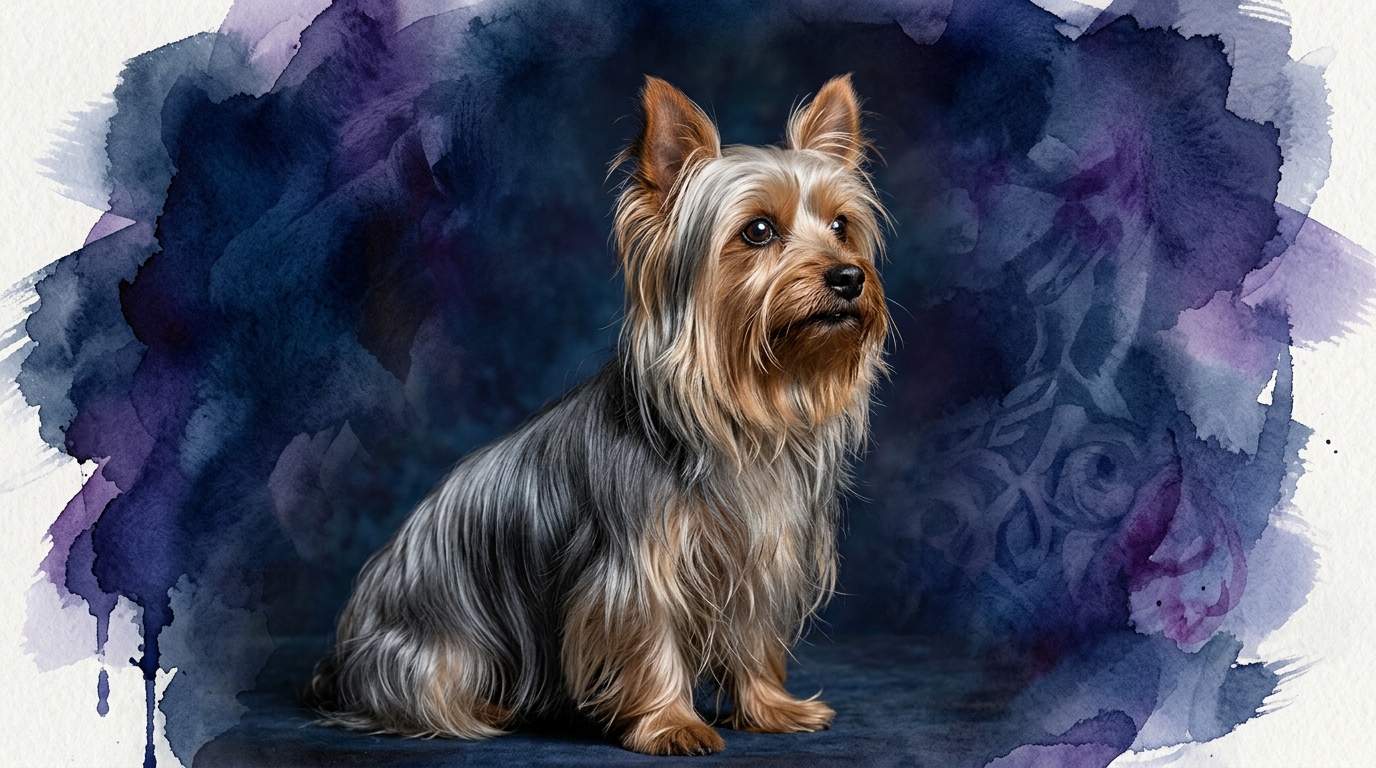
Side-by-Side IQ Profile: Understanding the 3/5 Score
Both the Parson Russell Terrier (PRT) and the Silky Terrier register a consistent 3 out of 5 across all five dimensions of our Pet IQ Lab assessment. While the numerical score is identical, the manifestation of these abilities is distinctly colored by their foundational breed types – the PRT as a robust working terrier and the Silky as an elegant toy companion. A 3/5 score indicates a dog that possesses good cognitive abilities, capable of learning, adapting, and interacting effectively, but perhaps without the extreme quickness or complex problem-solving of the very top-tier breeds.
For Problem Solving (3/5), a PRT will diligently work to overcome obstacles, particularly if a perceived 'prey' is involved, demonstrating persistence in figuring out how to access a confined space or manipulate a puzzle toy. A Silky, with the same score, might apply this to more domestic challenges, like strategizing how to get onto a forbidden couch or 'negotiating' for extra treats. In Training Speed (3/5), both breeds generally grasp new commands at a moderate pace, understanding what is expected within a reasonable number of repetitions. However, their motivation to comply can differ, influenced by their intrinsic drives and desire for human interaction. Social Intelligence (3/5) means both can read and respond to human cues and moods effectively. The PRT often uses this to understand handler directions during activities, while the Silky might leverage it to gauge family dynamics and seek appropriate comfort or attention.
Instinctive Drive (3/5) is where their shared terrier heritage is evident, though expressed differently. The PRT's drive is profoundly rooted in its original purpose of flushing quarry, manifesting as a strong chase instinct, digging propensity, and alert barking. The Silky, while possessing that terrier tenacity, often channels its drive into keen observation, territorial alerting (barking), and a desire to 'manage' its household environment. Finally, Memory (3/5) signifies that both breeds have good recall for routines, learned commands, and significant past experiences. A PRT will remember the location of a particular scent or a successful hunting spot, while a Silky will recall the exact place a treat was dropped or a favorite person's schedule.
Where the Parson Russell Terrier's Cognition Excels
The Parson Russell Terrier's cognitive strengths are particularly evident in scenarios demanding sustained focus and physical application to solve a problem. While its Problem Solving score is 3/5, its terrier tenacity means this manifests as an unwavering determination to achieve a goal, often involving physical manipulation of its environment. If a PRT wants to get to a perceived 'target' — whether a rogue squirrel or a hidden toy — it will methodically dig, push, or maneuver objects, demonstrating a practical, hands-on intelligence geared towards tangible outcomes. This isn't just about figuring out *what* to do, but possessing the drive to *do it* relentlessly.
Furthermore, the PRT's Instinctive Drive, also rated 3/5, is a powerful cognitive asset when channeled appropriately. This drive fuels an acute awareness of its surroundings, particularly scents and movements, making it an excellent candidate for scent work, agility, or earthdog trials. Its memory, at 3/5, is adept at recalling these sensory details and correlating them with past successes, allowing it to refine its 'hunting' strategies over time. This makes the PRT particularly adept at tasks requiring independent thought and robust physical engagement in a dynamic outdoor setting, even without direct human intervention at every step.
Where the Silky Terrier's Cognition Shines
The Silky Terrier, with its 3/5 cognitive ratings, often displays its intelligence in more nuanced, companion-oriented ways, particularly within a domestic setting. Its Problem Solving at 3/5 frequently involves manipulating its human environment. A Silky might quickly learn which family member is most susceptible to its charms for an extra treat, or how to strategically position itself for maximum lap time. This isn't brute force problem-solving; it's often about social engineering and understanding household dynamics, a subtle application of its cognitive abilities.
The Silky's Social Intelligence, also 3/5, is a significant strength in its role as a companion. These dogs are adept at reading human emotions, often offering comfort or soliciting play based on the mood of their family members. This keen observational skill, combined with their 3/5 Memory, allows them to remember specific interactions and tailor their behavior accordingly, fostering deep bonds. Their Instinctive Drive, while still a terrier trait, often translates into a highly vigilant and alert nature within the home, making them excellent, albeit sometimes vocal, watchdogs. They are quick to notice changes in their environment, applying their cognitive resources to 'alert' their family to anything unusual.
Training: Parson Russell vs. Silky – Which is Easier?
When it comes to training, both breeds score 3/5 for Training Speed, meaning they are generally capable learners. However, the *ease* of training can differ significantly due to their behavioral predispositions. The Parson Russell Terrier, while quick to grasp commands, often possesses a strong independent streak and a powerful instinctive drive. Its focus can be easily diverted by interesting smells or perceived 'prey,' making consistent, engaging, and highly motivating training crucial. Trainers often find success by incorporating games and activities that tap into their natural drive, such as fetch or agility, rather than solely relying on repetitive drills. Their inherent zest for life and sometimes stubborn nature mean that while they learn quickly, maintaining compliance requires a firm, fair, and consistent approach.
The Silky Terrier, also with a 3/5 Training Speed, tends to be highly motivated by human attention and praise, making them eager to please their primary caregivers. This often translates into a more cooperative training experience, especially for basic obedience within the home. However, their strong social intelligence can sometimes lead to 'selective hearing' if they perceive that a more rewarding interaction (like a cuddle) is available. They can also be prone to 'small dog syndrome' if not properly socialized and trained, where their inherent terrier confidence combines with their small size to create a bossy demeanor. While they learn commands readily, maintaining boundaries and preventing nuisance behaviors requires consistent reinforcement and clear communication, ensuring they don't simply learn how to get their own way.
Matching Breeds to Lifestyles: Active vs. Relaxed Owners
For active owners seeking a canine partner for adventures and challenges, the Parson Russell Terrier is often the more fitting choice. Its robust physical and mental energy, fueled by its 3/5 Instinctive Drive and Problem Solving, thrives on regular, vigorous exercise and engaging activities. Owners who enjoy hiking, trail running, dog sports like agility or earthdog trials, or even just long, exploratory walks will find a PRT to be an enthusiastic and tireless companion. A PRT without sufficient outlets for its cognitive and physical energy can become bored and destructive, channeling its problem-solving into less desirable behaviors like digging or excessive barking. They need a job, or at least the feeling of one, to be truly content.
The Silky Terrier, while still a terrier with an inherent zest for life, generally suits owners who prefer a slightly less intense, more companion-focused lifestyle. Its 3/5 cognitive scores make it adaptable, thriving in homes where it receives ample attention, indoor play, and regular, moderate walks. While it enjoys outdoor excursions, its primary happiness often stems from being an integral part of its human family's daily life. Relaxed owners who appreciate a vigilant, affectionate, and sometimes feisty companion will find the Silky a rewarding choice. They are excellent lap dogs but still require mental stimulation and structured play to prevent boredom, applying their problem-solving skills to interactive toys or short training sessions rather than extensive outdoor 'work'.
The Verdict
Choose the Parson Russell Terrier if you're an active owner seeking a tenacious, high-energy companion for outdoor adventures and structured dog sports, capable of independent problem-solving in dynamic environments.
Opt for the Silky Terrier if you desire an affectionate, vigilant, and socially adept companion for a more relaxed, indoor-centric lifestyle, appreciating a dog that applies its cognitive skills to household interactions and close companionship.
🧠 Find Your Pet's IQ Score
Our Pet IQ Lab assessment covers 25+ tests across 5 cognitive dimensions — personalized to your breed.
Take the Full IQ Test →Frequently Asked Questions
Do Parson Russell Terriers require more mental stimulation than Silky Terriers?
While both breeds benefit from mental engagement, Parson Russell Terriers typically demand more robust and varied stimulation due to their strong working drive. Their problem-solving and instinctive drive, though rated 3/5, are geared towards more physically demanding and independent tasks, requiring owners to provide ample opportunities for exploration, scent work, or puzzle challenges to prevent boredom.
Are Silky Terriers good at learning tricks, given their 3/5 training speed?
Yes, Silky Terriers are generally good at learning tricks. Their 3/5 training speed means they grasp new concepts at a moderate pace, and their strong desire for human attention and praise makes them enthusiastic participants in trick training sessions. Consistency and positive reinforcement are key to leveraging their cognitive abilities effectively.
How does the 'instinctive drive' score of 3/5 manifest differently in these two breeds?
In Parson Russell Terriers, the 3/5 instinctive drive primarily manifests as a strong prey drive, keen scenting ability, and a desire to dig or chase, reflecting their hunting heritage. For Silky Terriers, while still present, this drive often translates into heightened vigilance, alert barking, and a territorial instinct within the home, making them excellent watchdogs and attentive companions.